
Japanese · Snack
Scallop Terrine
From the zcook collection
A chilled scallop and smoked-trout terrine bound with egg whites and cream, baked gently in a water bath and sliced into six starter portions. Allow extra time to chill fully.
- Gluten-free
- Japanese
- Appetizer
- Appetiser
- Prep
- 10 min
- Cook
- 40 min
- Serves
- 6 starter slices
- Level
- Medium
- Energy
- 163 kcal
Method25 steps
Step 1: Heat the oven to 150°C / 302°F. Have an 800 ml terrine or loaf pan about 15 × 9.5 × 7.5 cm ready, together with a larger, similarly deep roasting pan lined with kitchen paper for the water bath.
Step 2: Wet the inside of the terrine pan. Line its base and long sides with foil, leaving enough foil over both long sides to fold over the top later.
Step 3: Smooth out the foil creases and grease all the lined sides and base with butter.
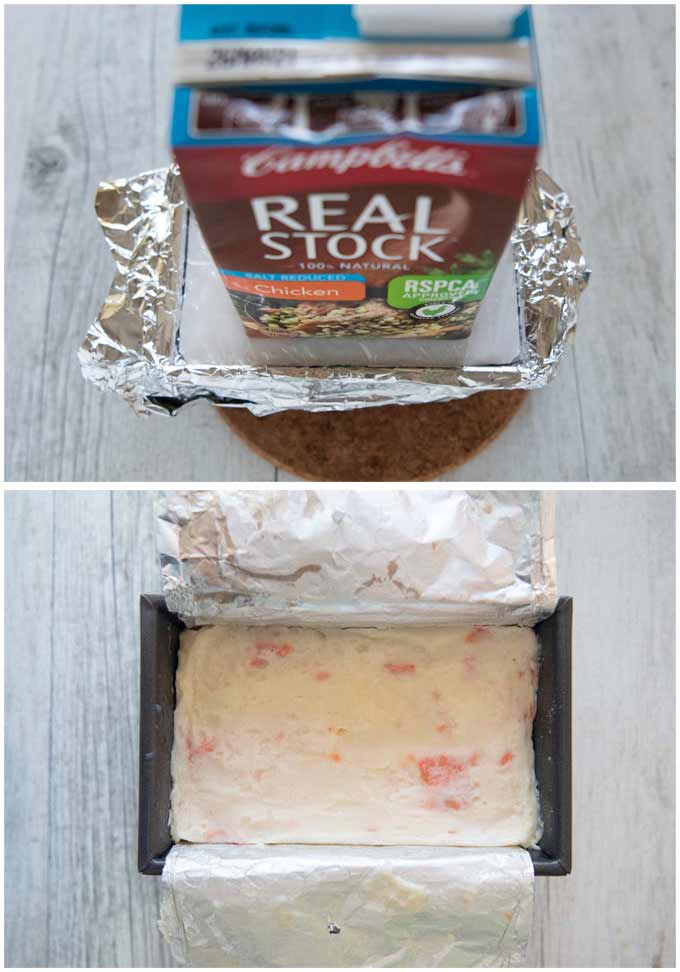
Step 4: Cut a cardboard or plastic board to fit the pan opening and wrap it completely in cling film. Keep a one-kilogram weight ready for the brief pressing stage after baking.
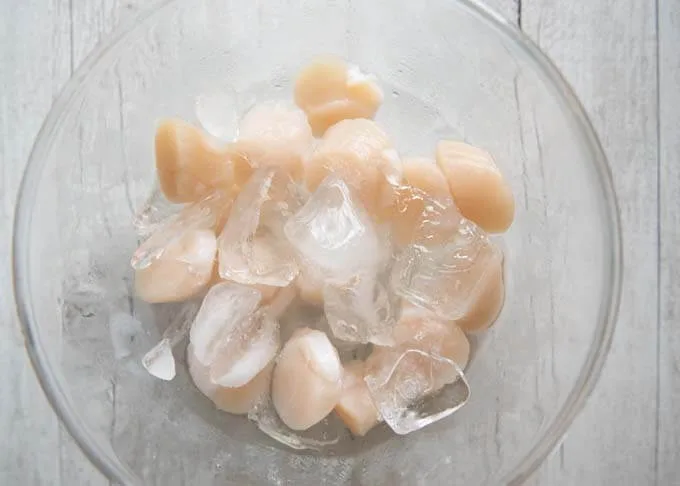
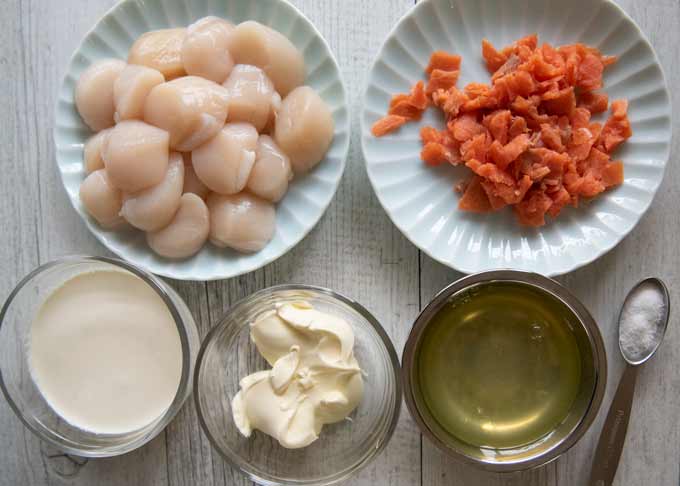
Step 5: Use fresh or safely refrigerator-thawed raw scallops. Remove any tough side muscles if desired and pat dry; the usable white scallop meat, without coral or frills, must total 300 g after trimming.

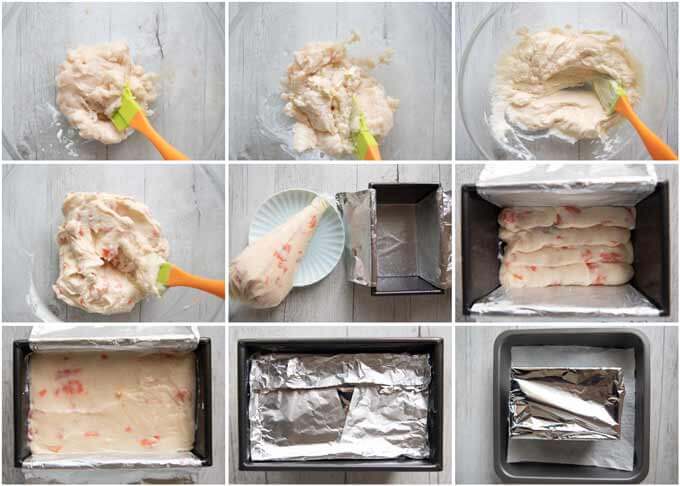
Step 6: Put all the prepared scallops in a food processor and blend into a paste, scraping the bowl sides down with a spatula as needed.
Step 7: Add all four grams of salt to the scallop paste in a few additions, blending after each.
Step 8: Blend all 60 g egg whites into the salted scallop paste a little at a time until smooth. Separately combine the 120 ml cream and 60 ml double cream, keeping this full cream mixture ready to add in five batches.
Step 9: Fold about one fifth of the combined cream mixture into the smooth scallop and egg-white paste.
Step 10: Mix well with a spatula, moving it quickly right and left several times to aerate the paste and help make a light terrine.
Step 11: Add the remaining cream mixture in four batches, mixing and aerating the paste in the same way after each addition.
Step 12: Cut all the smoked trout (70–80 g) into one-centimetre squares. Fold the pieces into the scallop paste with a cutting motion to separate them, then mix until evenly distributed.
Step 13: Transfer all the paste to a piping bag or a sturdy zip-lock bag. Cut an opening about one centimetre wide at the tip.
Step 14: Pipe three or four strands of paste across the bottom of the greased foil-lined pan, avoiding air pockets. Keep the remaining paste in the bag.
Step 15: Pipe all the remaining paste in layers over the first layer, filling the pan without air pockets. Smooth the surface with a spatula or spoon.
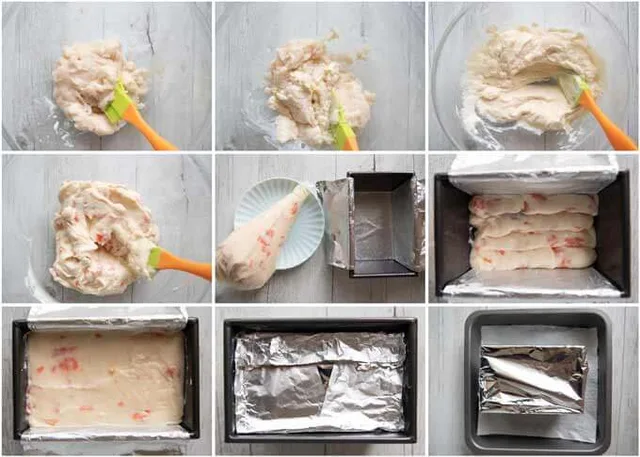
Step 16: Lift and gently tap the filled pan on the worktop a few times to release trapped air.
Step 17: Fold the overhanging foil over the terrine surface, then cover the pan with two more layers of foil.
Step 18: Put the covered terrine pan on the kitchen paper in the outer roasting pan and place both on the oven’s middle shelf.
Step 19: Carefully pour boiling water into the outer roasting pan as high up the terrine-pan sides as practical, keeping it below the rim and out of the terrine.
Step 20: Bake in the water bath at 150°C / 302°F for about forty minutes until the terrine is set and its centre reaches 71°C / 160°F. Check with a food thermometer rather than touching a warmed skewer to your lips; continue baking if needed.
Step 21: Take the roasting pan out of the oven and carefully lift the terrine pan from the hot water bath.
Step 22: Put the wrapped board over the foil-covered terrine and place the one-kilogram weight on it. Leave for ten to fifteen minutes, only until the pan is cool enough to handle. Do not press longer or use a heavier weight, which would make the terrine dense.
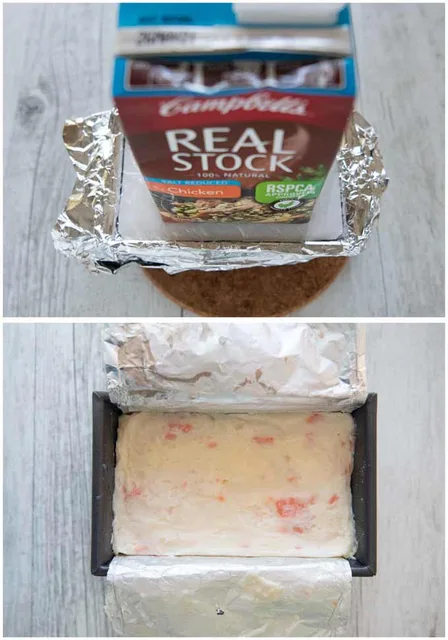
Step 23: Remove the weight and board. Stand the covered terrine pan in a fresh ice-water bath, keeping water out of the food, to cool it promptly. Refrigerate within two hours of cooking and chill fully in the refrigerator before slicing.
Step 24: Remove the foil cover and lift the chilled terrine out using the overhanging lining foil. Transfer to a board and gently peel away the foil.
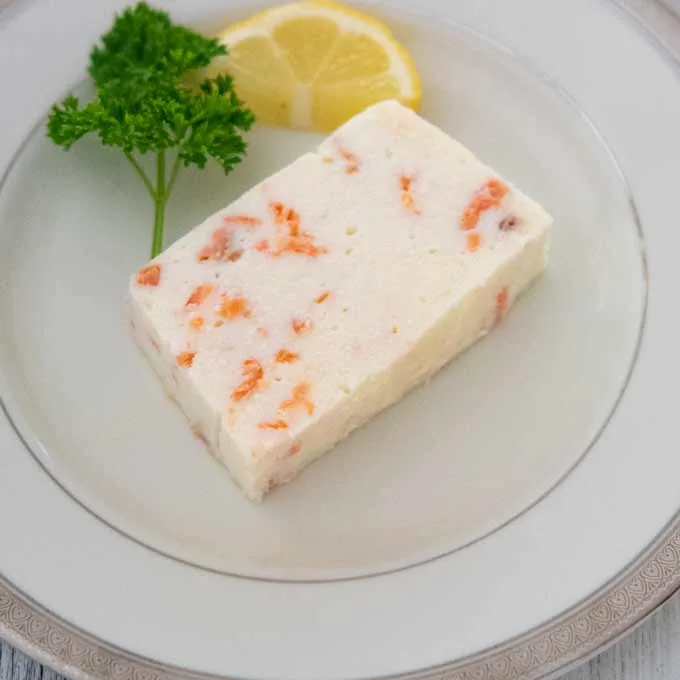
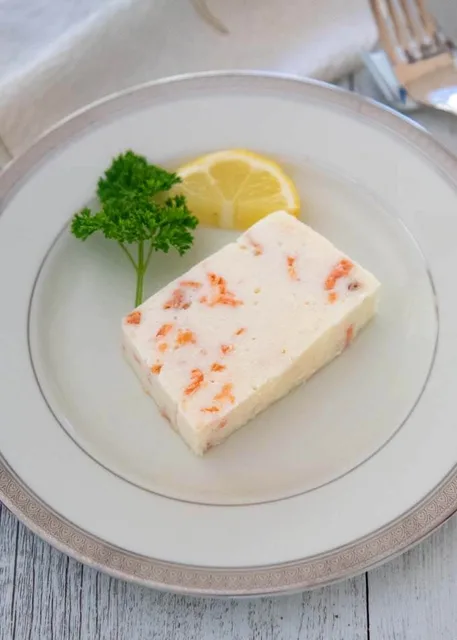
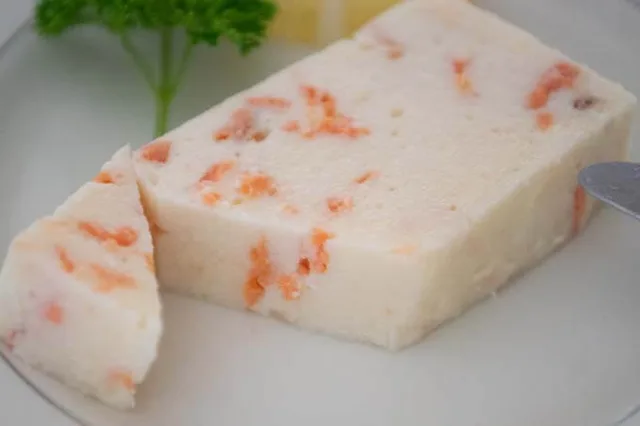
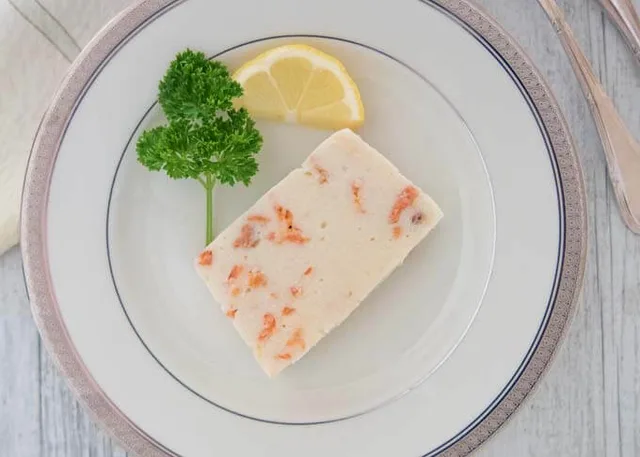
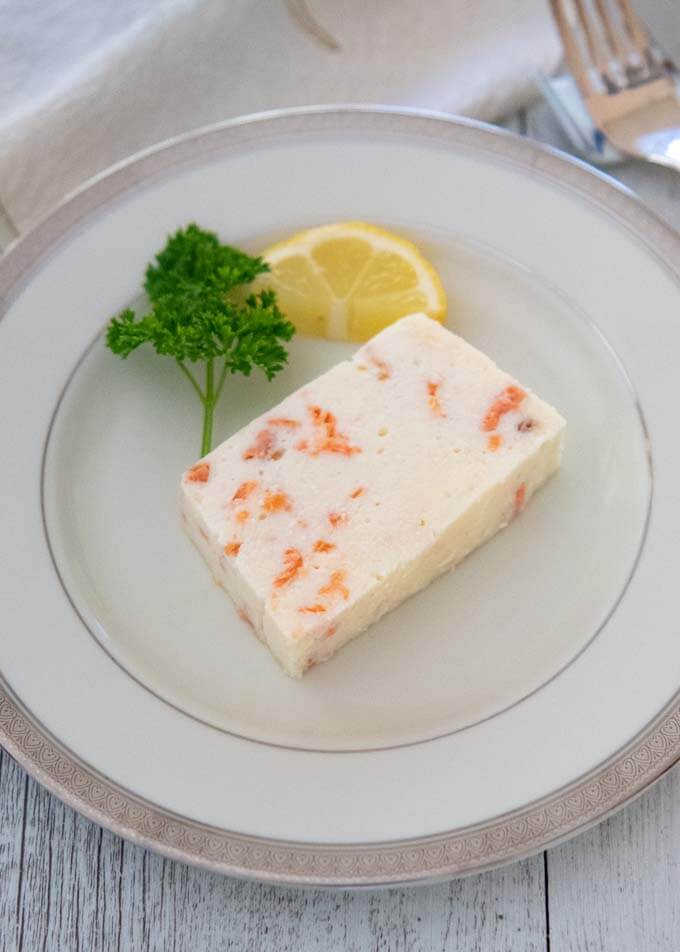
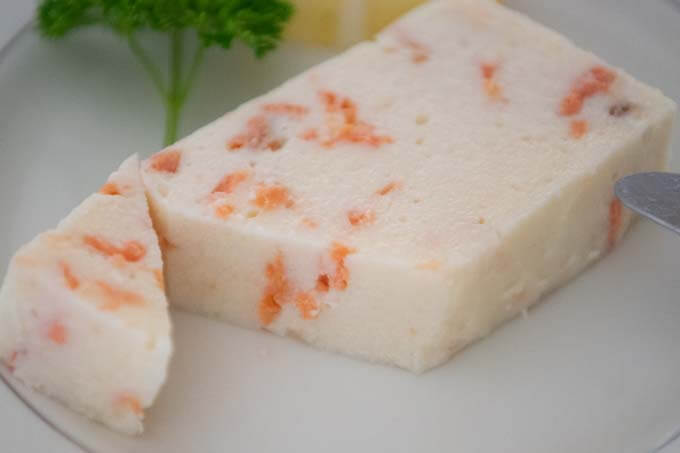
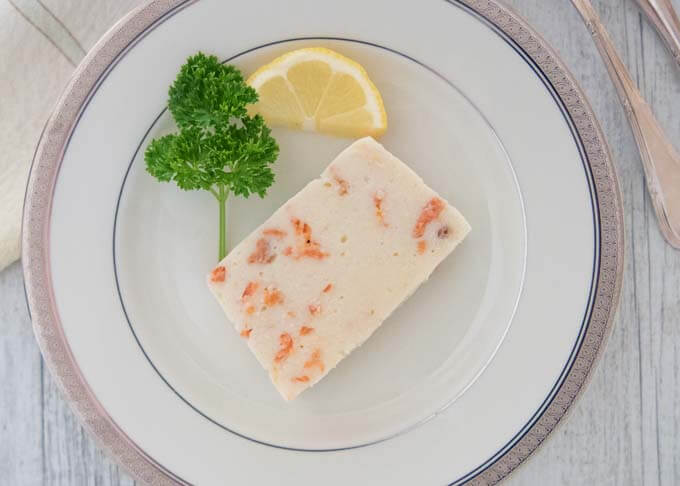
Step 25: Wash the parsley and cut the chilled terrine into six slices. Serve each slice on a plate with a sprig of parsley.
Photos (2)
Comments
0 threadsSign in to join the discussion.


No comments yet. Start the discussion.