
Japanese · Breakfast
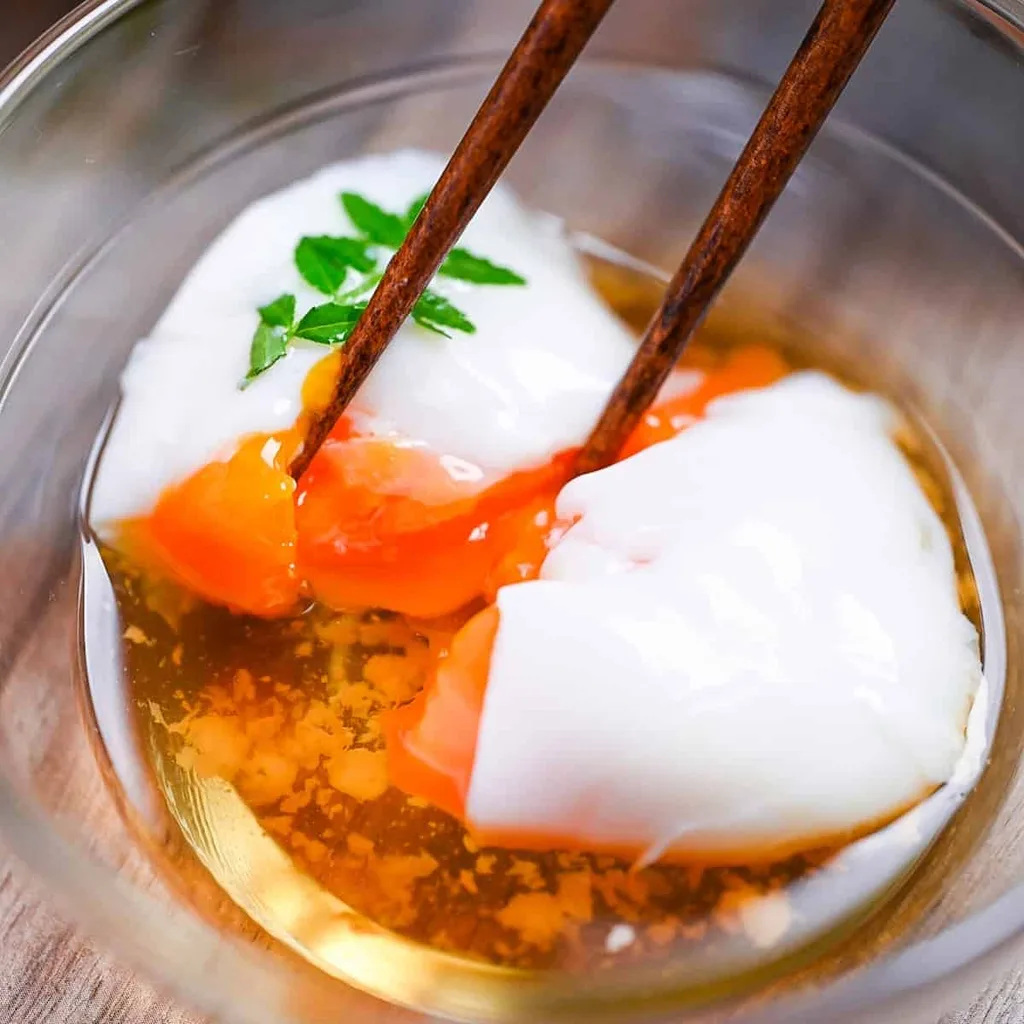
Onsen Tamago (Japanese Hot Spring Eggs)
From the zcook collection
Four soft Japanese hot-spring eggs made with pasteurized shell eggs in a covered, off-heat water bath, then served with a light dashi, soy and mirin sauce.
- Dairy-free
- Japanese
- Eggs
- Breakfast
- Onsen Tamago
- Cook
- 15 min
- Serves
- 4 eggs (4 servings)
- Level
- Medium
- Energy
- 75 kcal
Method8 steps
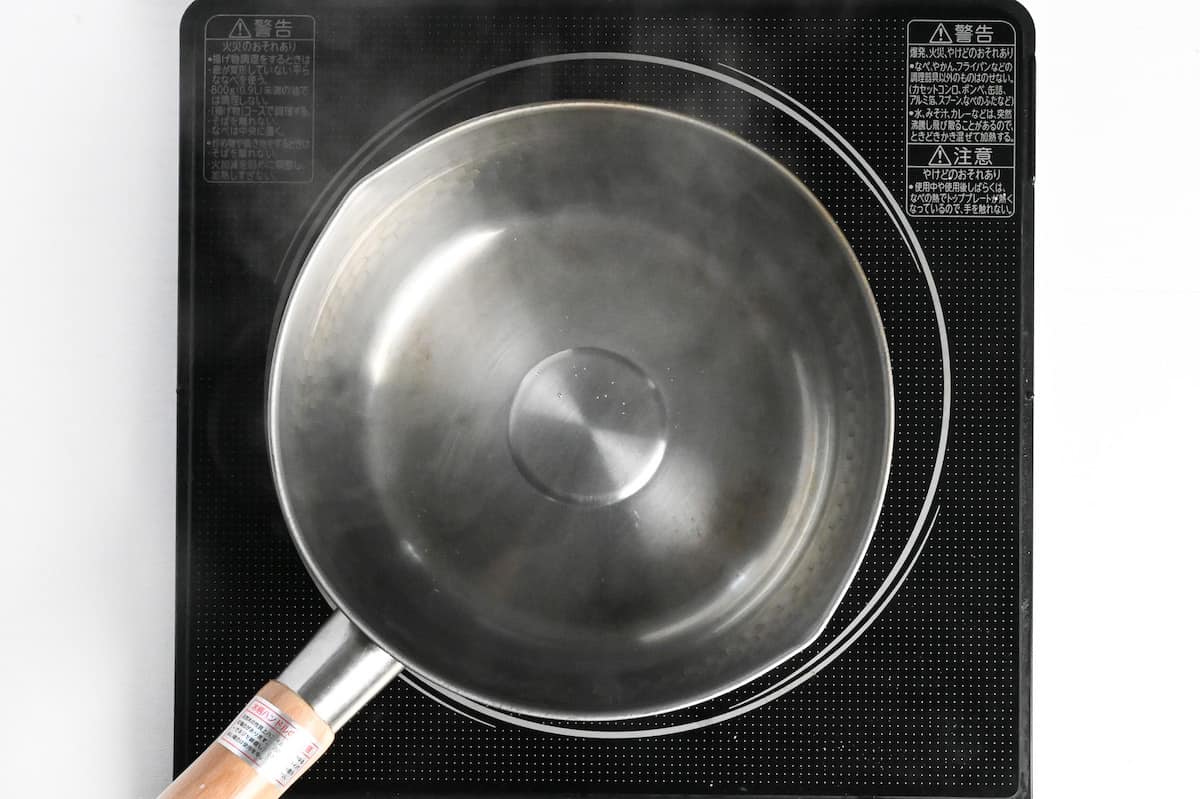
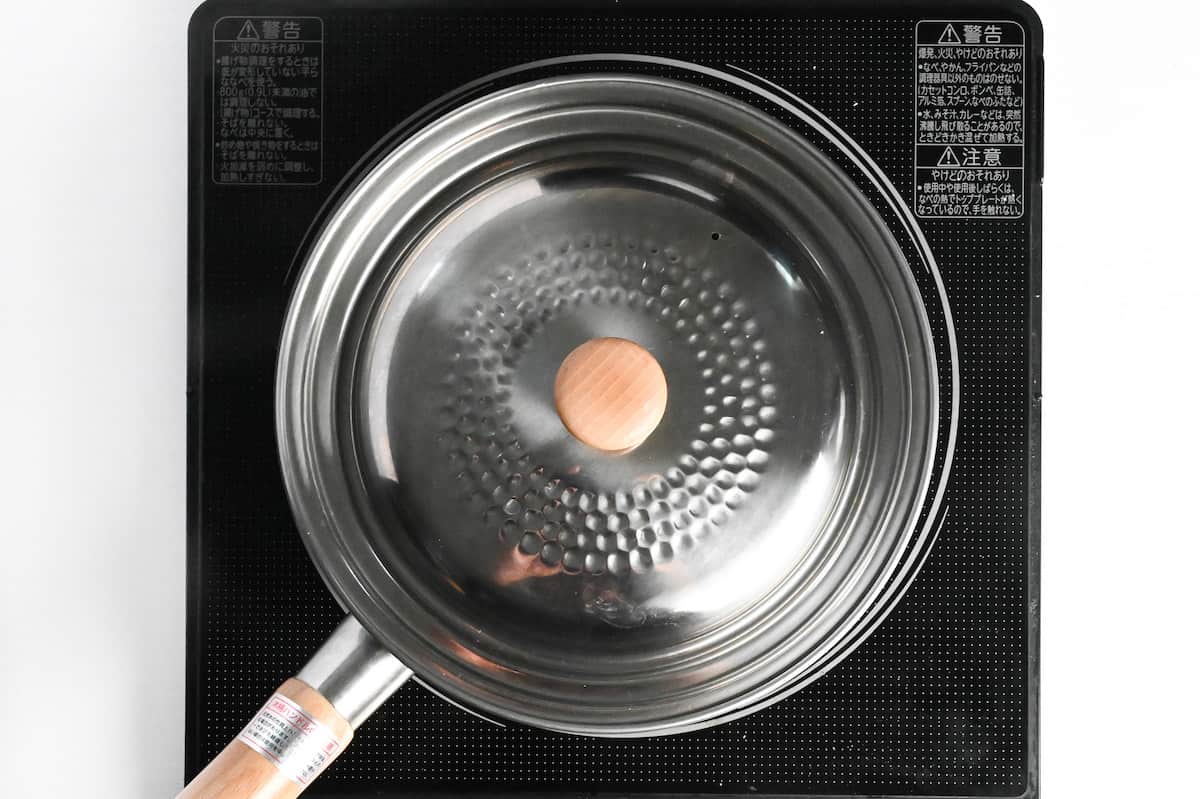
Step 1: Measure the 300 ml cold bath water into a container and refrigerate until fully chilled, about 10°C / 50°F. Once it is cold, bring the separate 1500 ml bath water to a rolling boil in a pot with a close-fitting lid. Keep the four pasteurized eggs refrigerated until the water is ready.
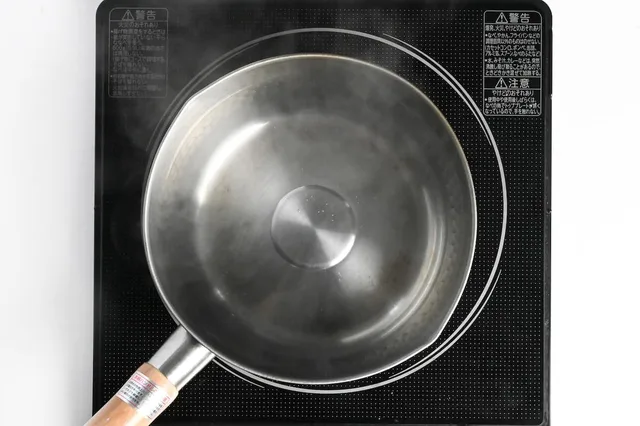
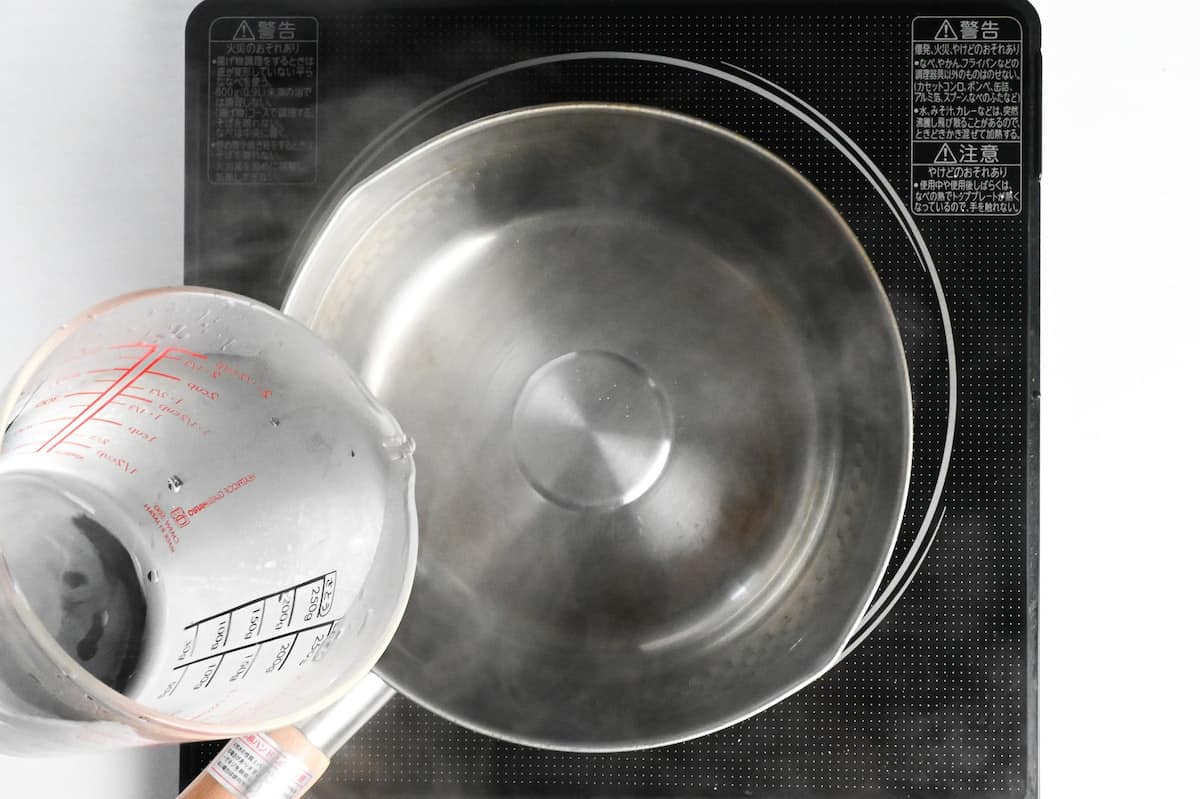
Step 2: When the pot water is boiling thoroughly, turn off the heat and pour in all the prepared 300 ml chilled water. Keep the pot briefly on the switched-off stove while adding the eggs in the next step.
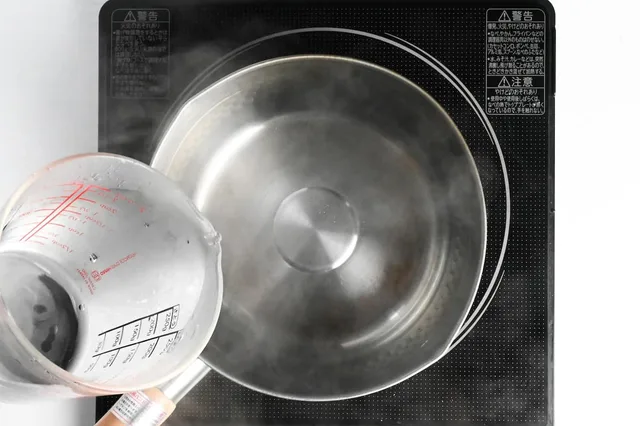
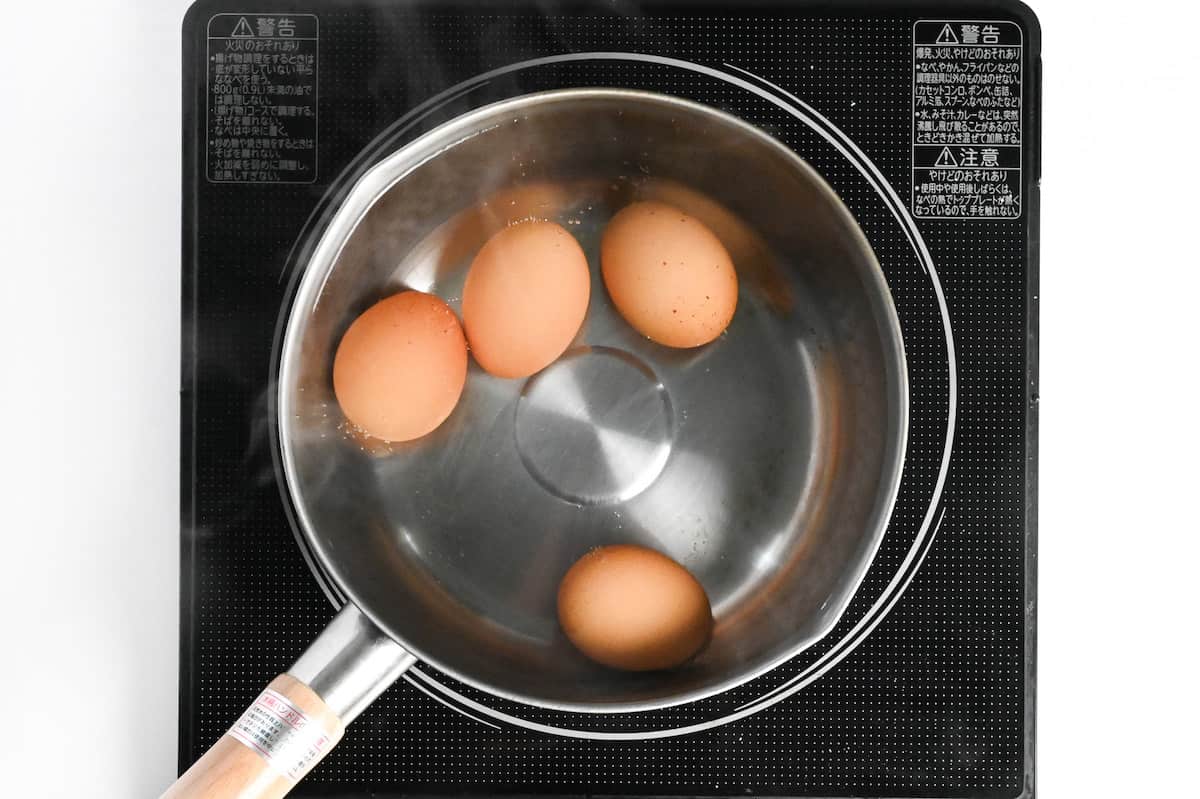
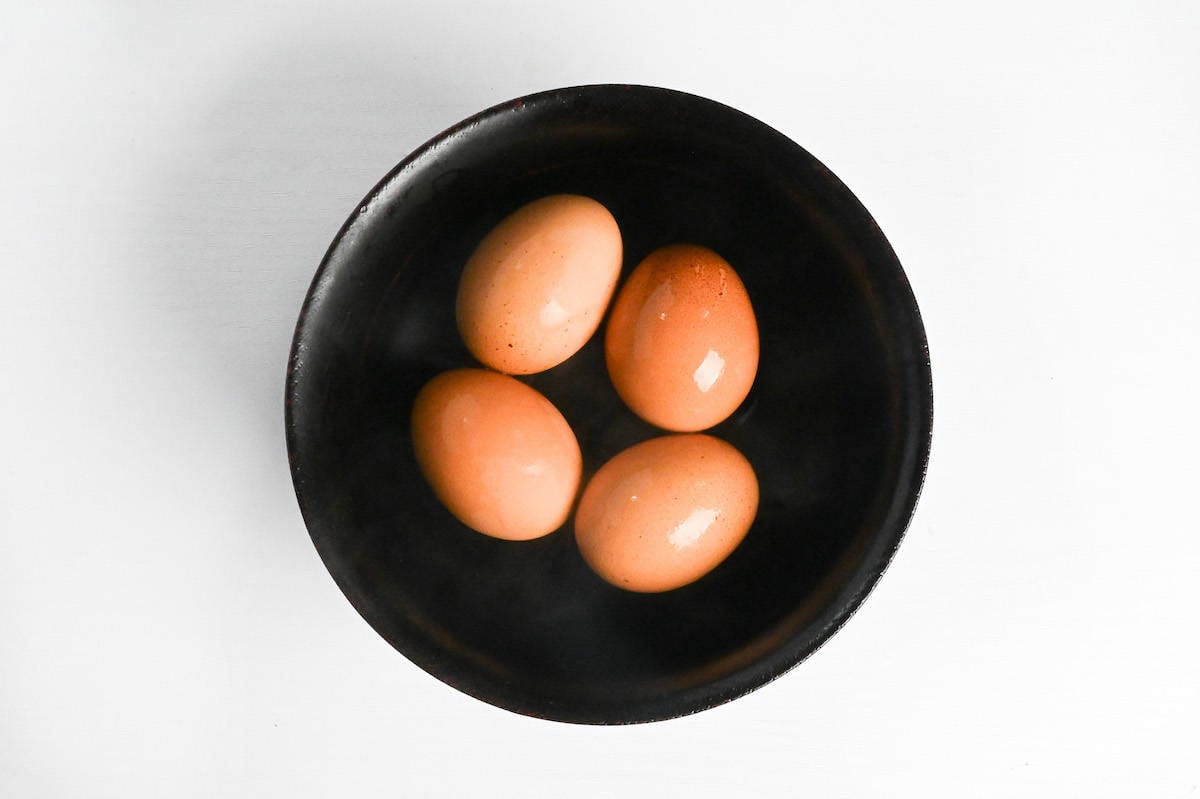
Step 3: Immediately lower the four pasteurized eggs gently into the mixed bath, straight from the fridge, using a skimmer to avoid cracking their shells. The bath should be about 80°C / 176°F at this point.

Step 4: Cover the pot and remove it from the stove. Leave it covered and off the heat for 15 minutes; start the timer as soon as it is covered and moved away from the heat.

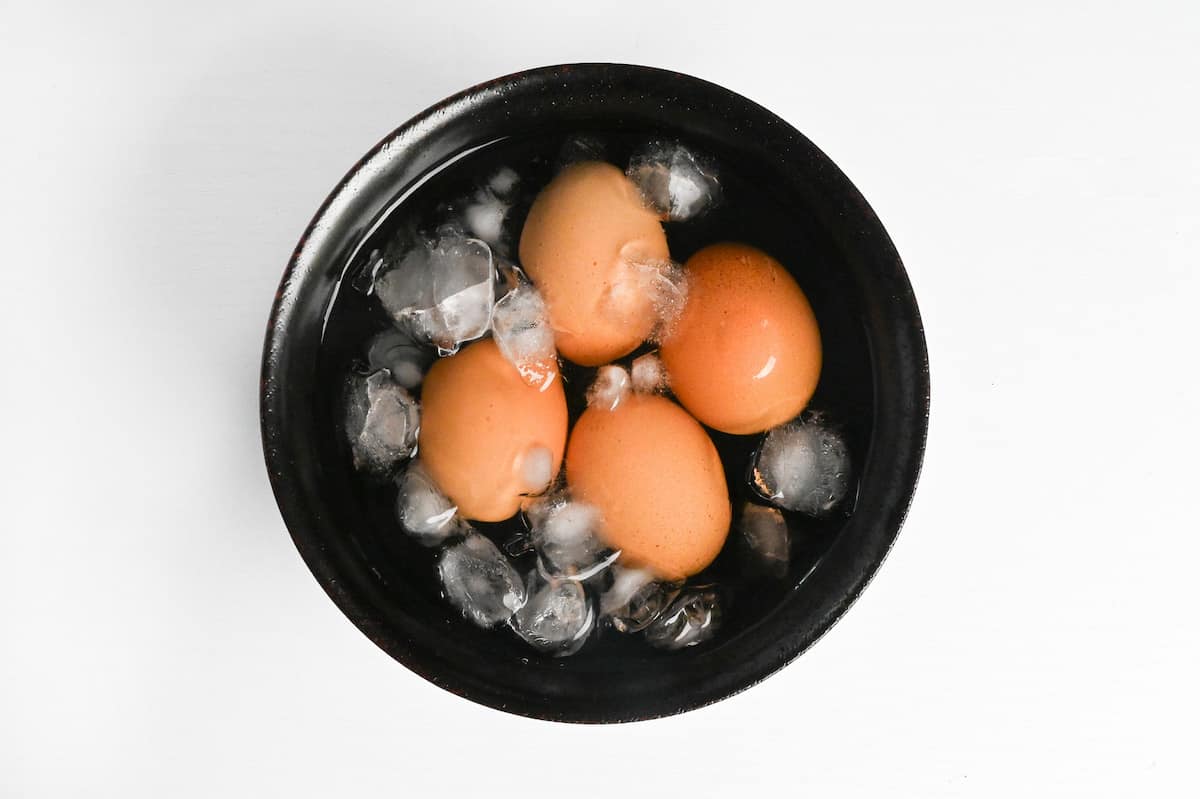
Step 5: Lift all four eggs out of the hot bath into an empty bowl. Rest them at room temperature for exactly 3 minutes, or exactly 5 minutes in winter or a cold kitchen. Use a timer. While they rest, prepare a separate bowl of ice-cold water for cooling.

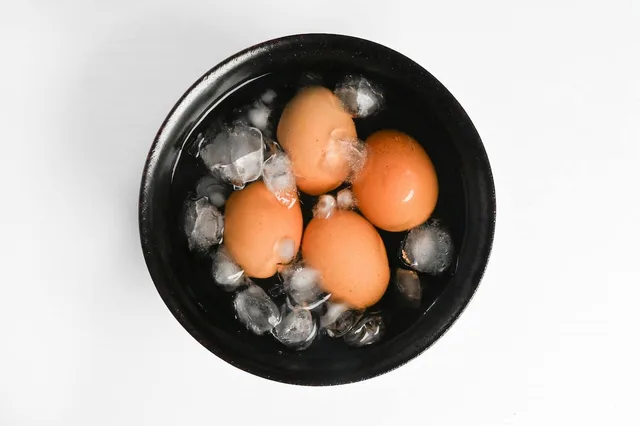
Step 6: As soon as the selected 3- or 5-minute rest ends, pour the prepared ice-cold water over the eggs or lower them into that cooling bath. Leave for 5–10 minutes to stop further cooking and help the eggs release cleanly from their shells.
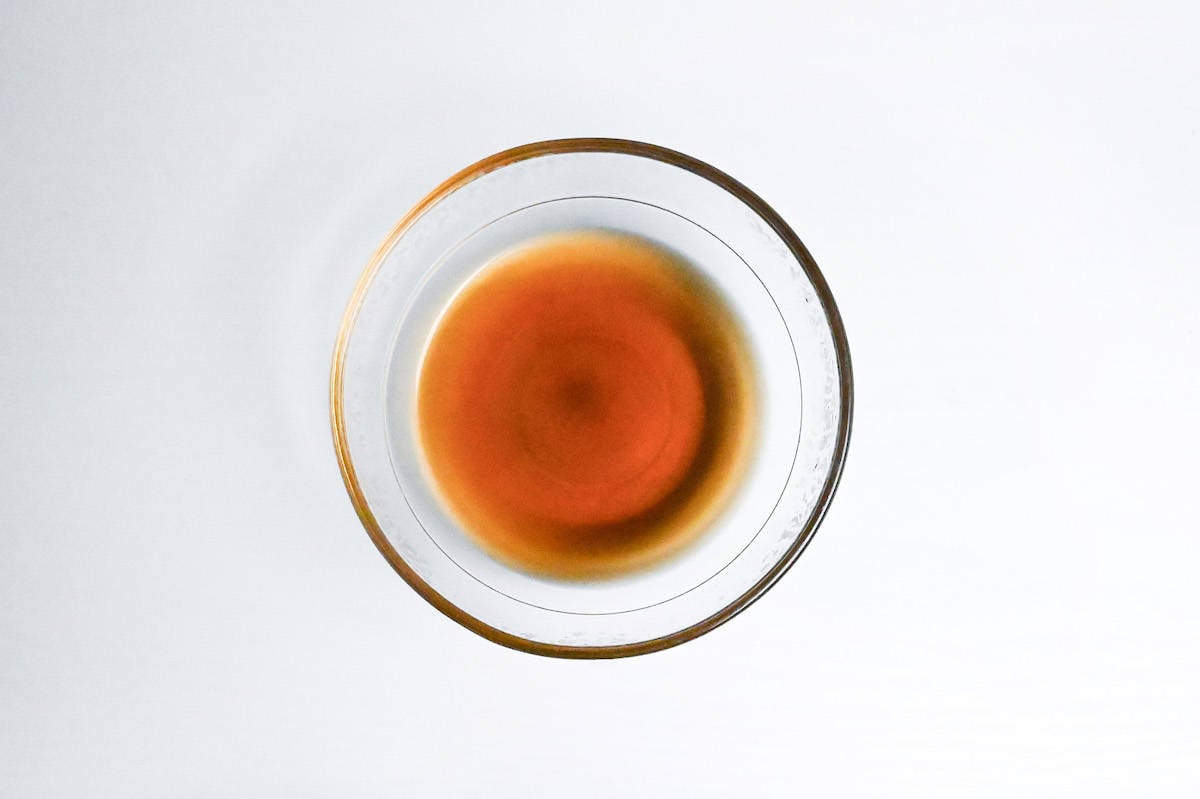
Step 7: Mix the 2 tbsp ready liquid dashi, ½ tbsp light soy sauce, 1 tbsp mirin and the separate 1 tbsp sauce water in a small microwave-safe bowl. Microwave uncovered for 1 minute at 600 W. Serve the sauce warm, or let it cool if preferred.
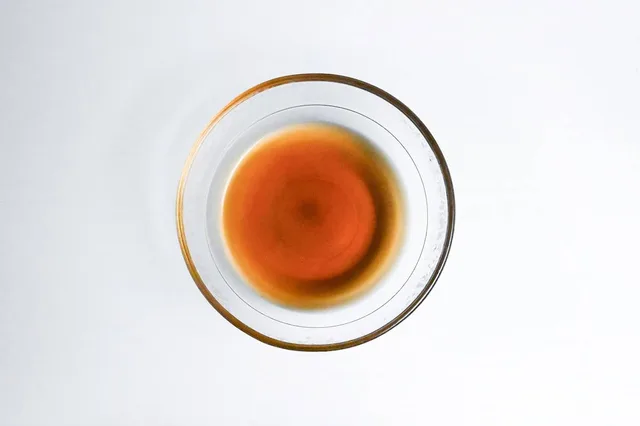
Step 8: Lift the cooled eggs from the ice bath. Crack one into each of four serving bowls and add about 1 tbsp of the prepared sauce to each. Add a little prepared wasabi paste if desired and serve promptly. Keep any unserved cooled eggs in their shells, covered in the fridge at 4°C / 40°F or below, and use within the author’s 24-hour limit. Do not freeze. Refrigerate any unused sauce promptly.

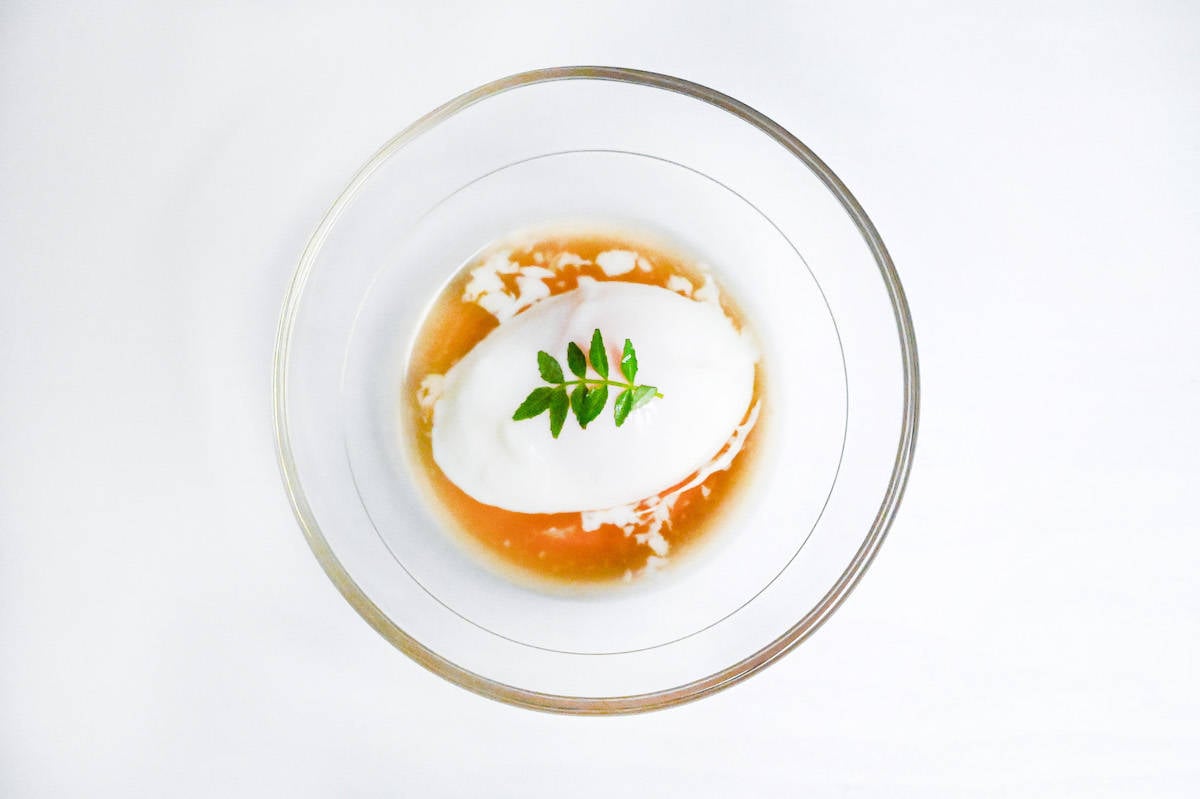
Photos (1)
Comments
0 threadsSign in to join the discussion.


No comments yet. Start the discussion.