
Italian · Dinner
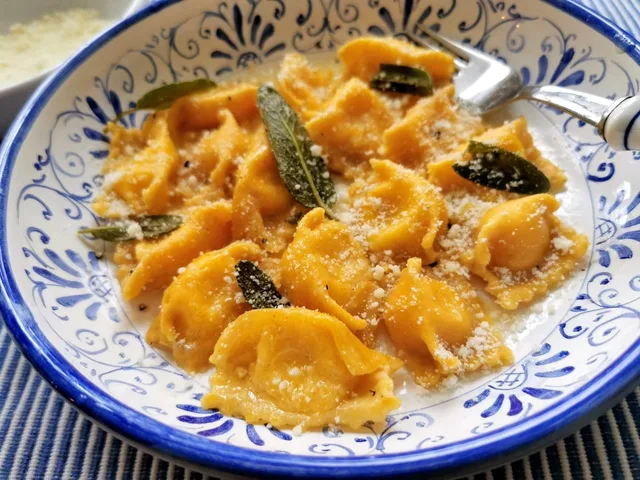
Cheese-Fondue Agnolotti del Plin with Sage Butter
From the zcook collection
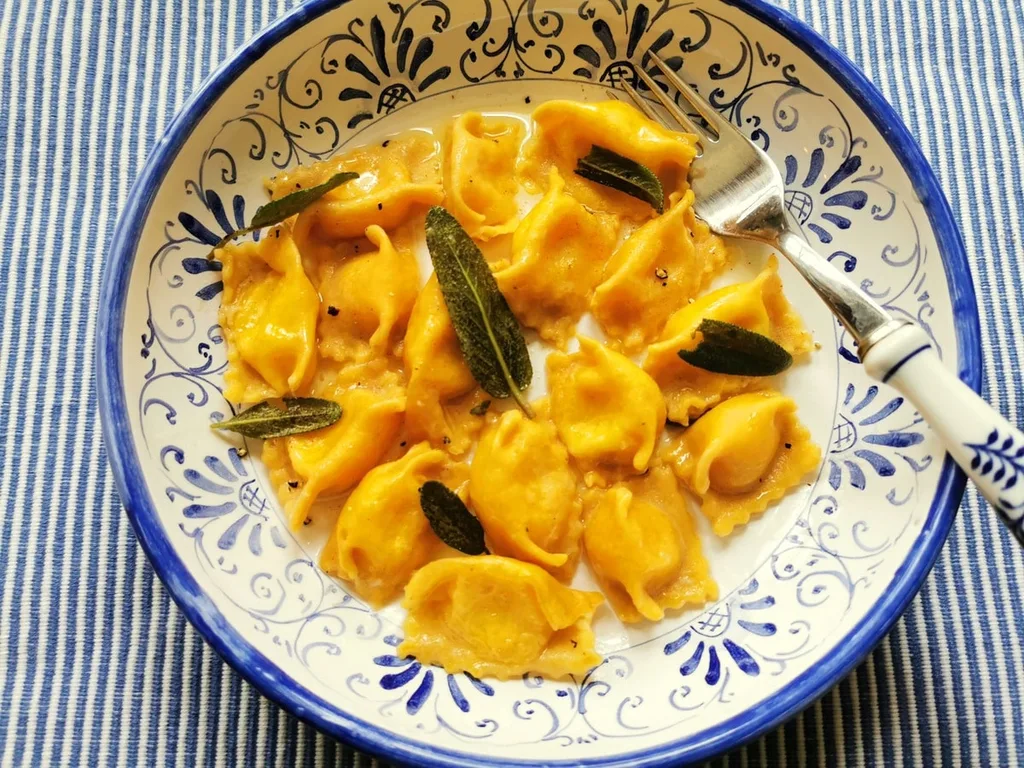
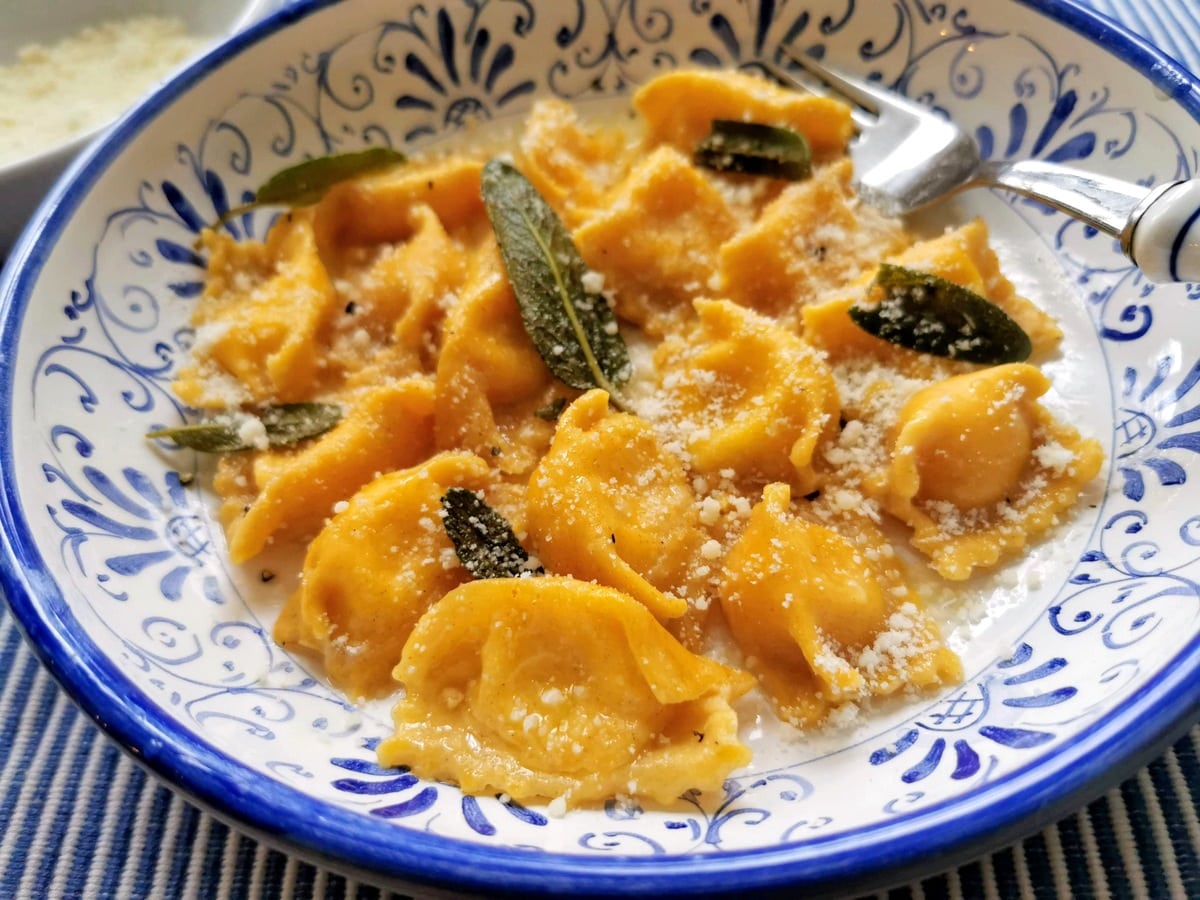
This fabulous homemade agnolotti del plin or ravioli del plin is filled with cheese fondue and served in a traditional butter and sage sauce. A divine recipe to impress your guests and for special occasions.
- Italian
- Northern Italy
- Piedmont-Piemonte
- Homemade Pasta
- Main Course
- agnolotti
- Prep
- 1 hr 15 min
- Cook
- 30 min
- Serves
- 4
- Level
- Hard
- Energy
- 883 kcal
Method13 steps
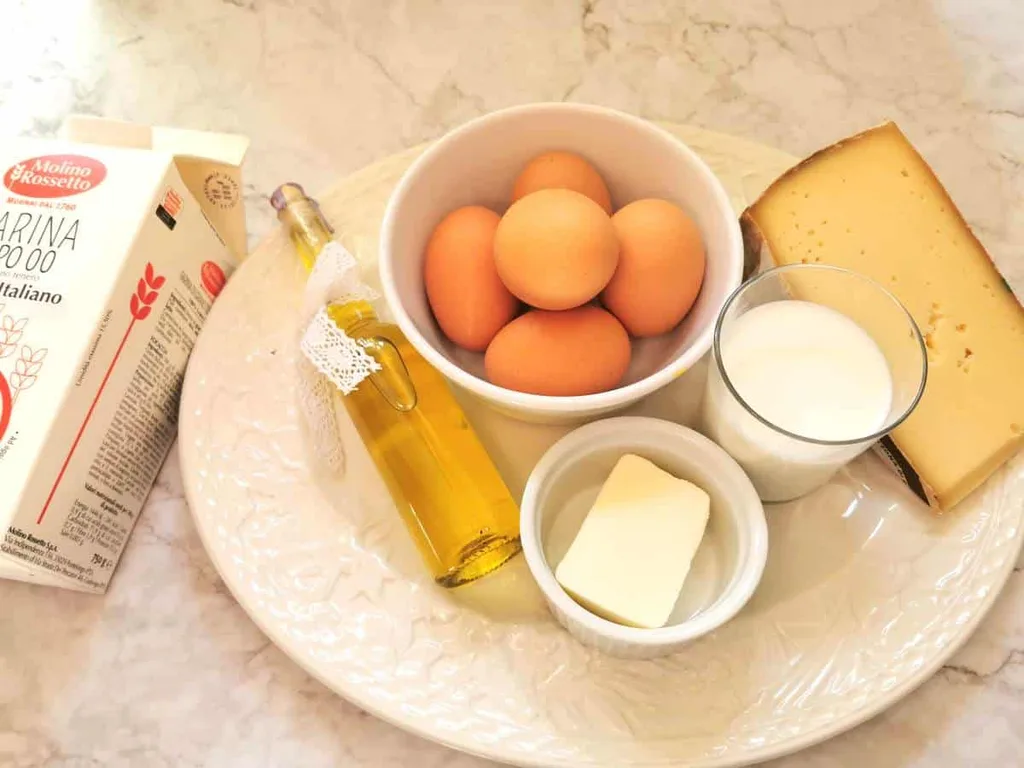
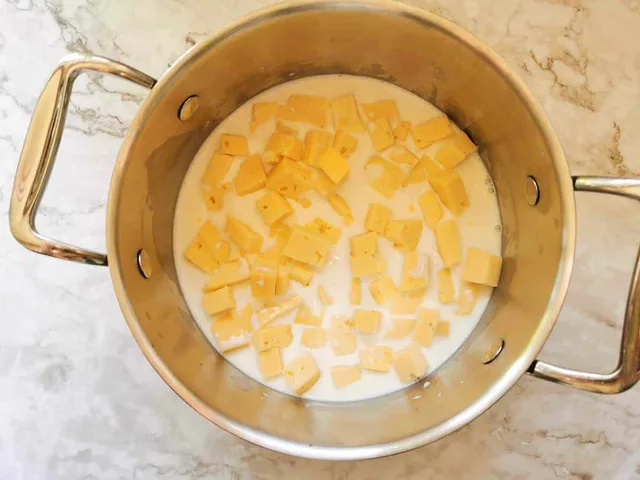
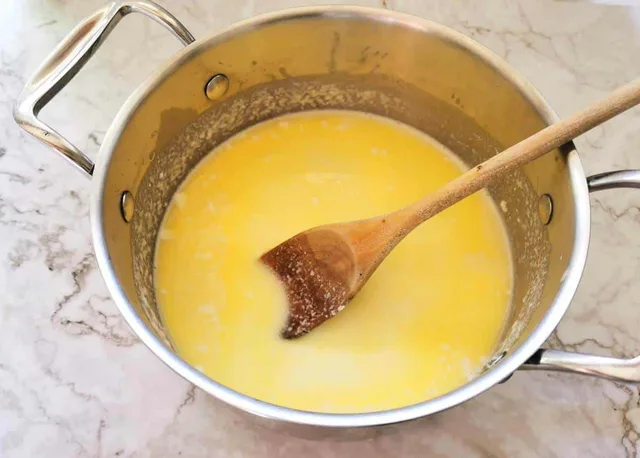
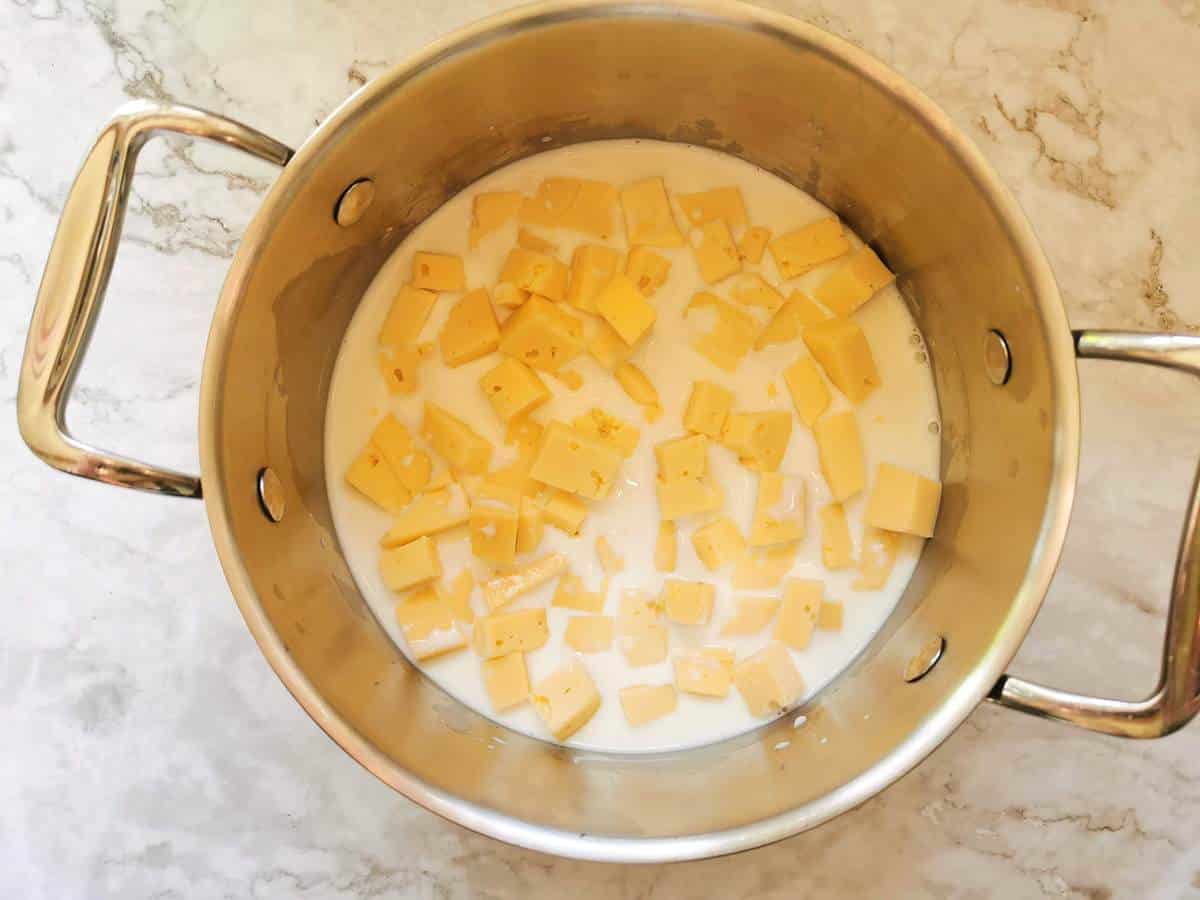
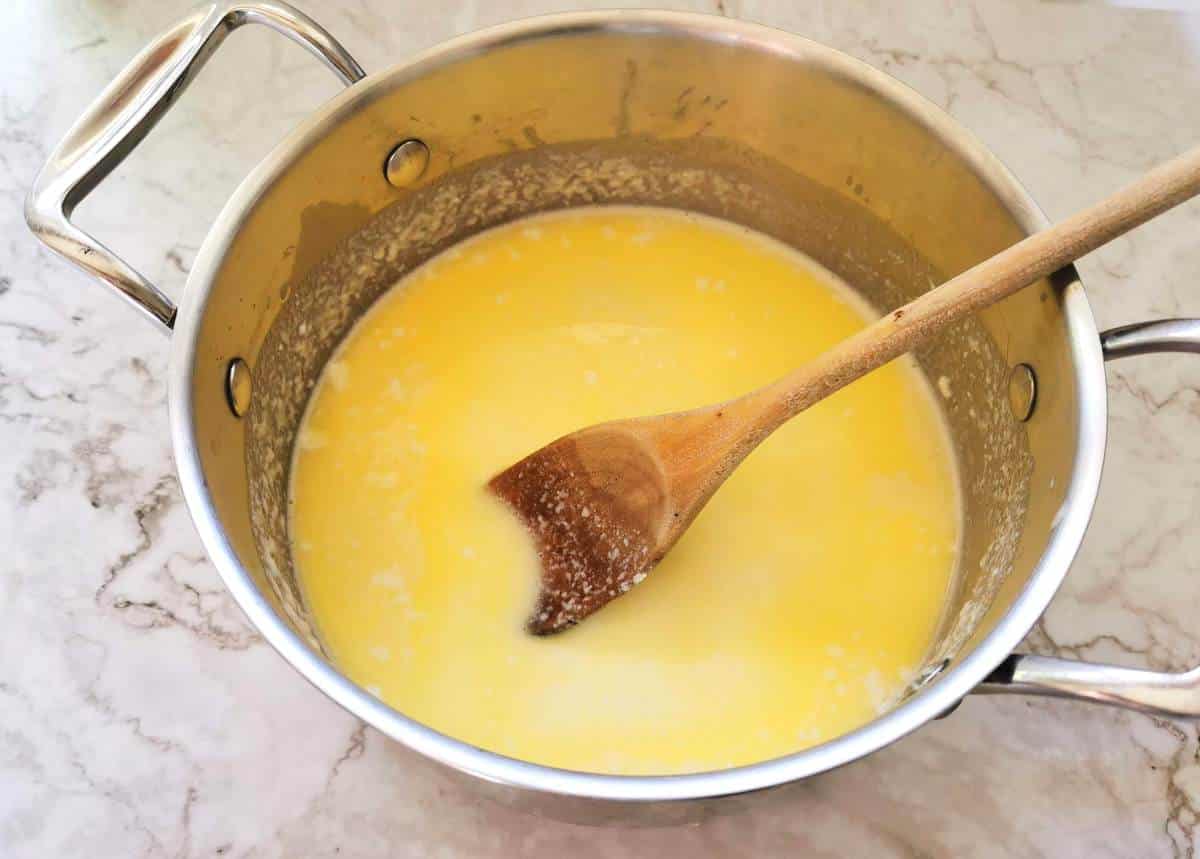
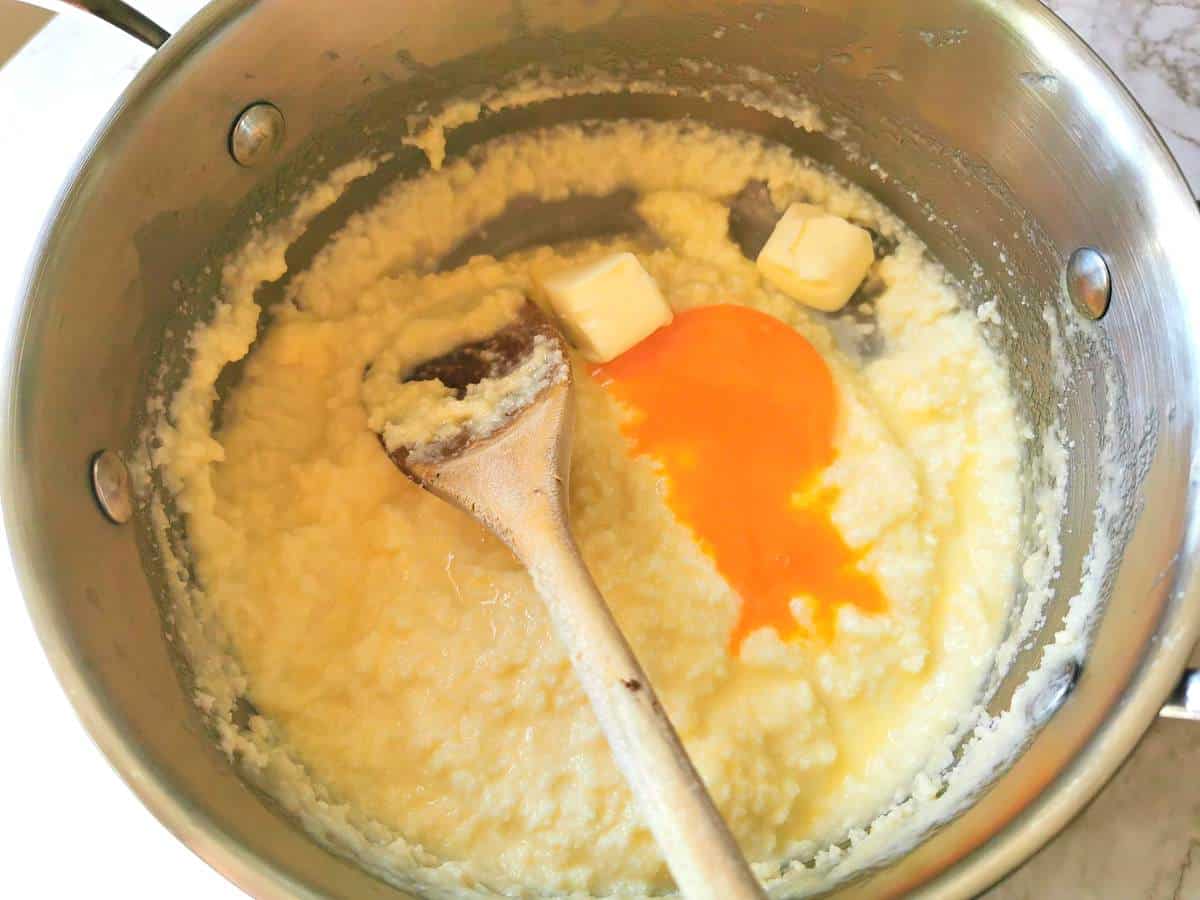
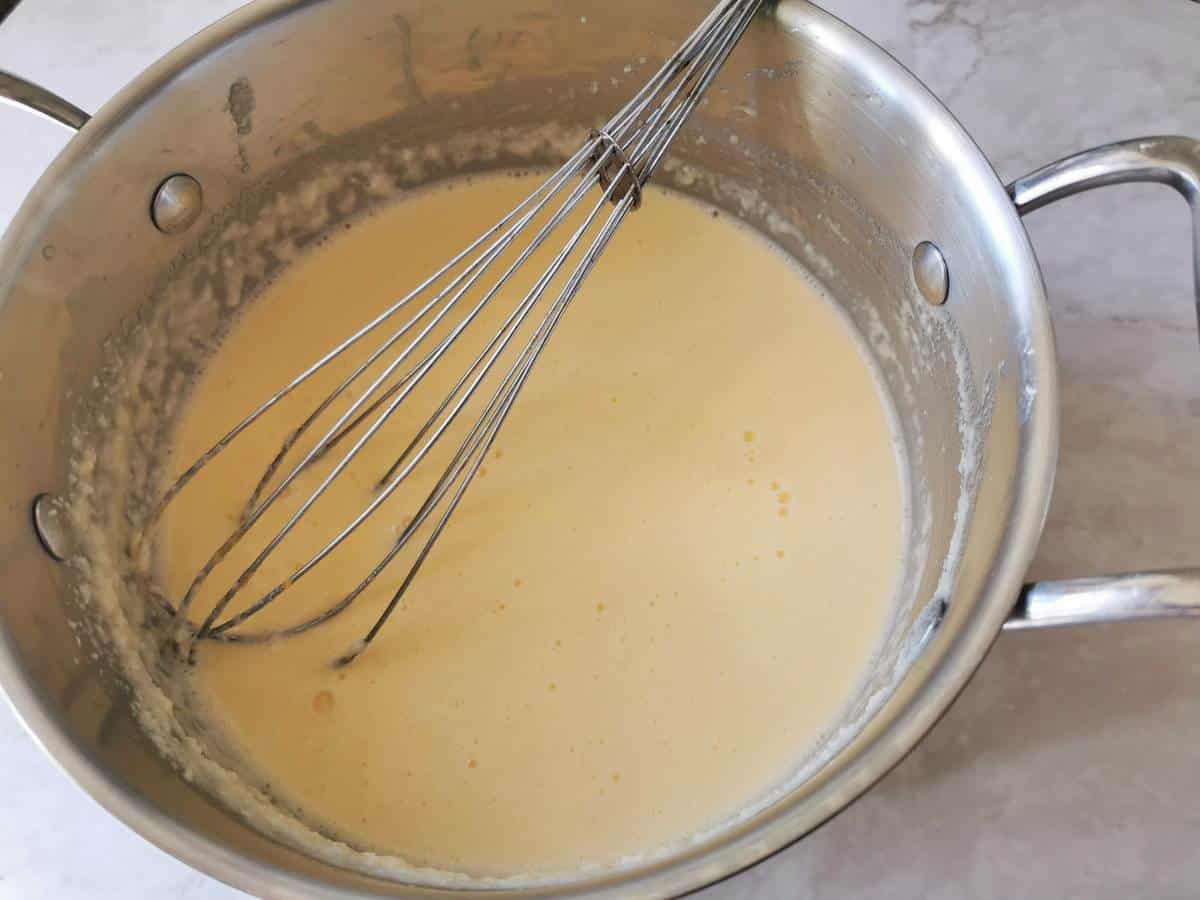
Step 1: Cut the Fontina (150 g) into small chunks. Warm all 120 ml milk, add all the cheese and stir until melted. Let this mixture cool before adding the 50 g FILLING butter and its one egg yolk. Warm again over low heat, whisking continuously until the butter melts and the fondue thickens. Remove from heat, cool and refrigerate while making the dough, until the filling is cool and firm enough to portion.
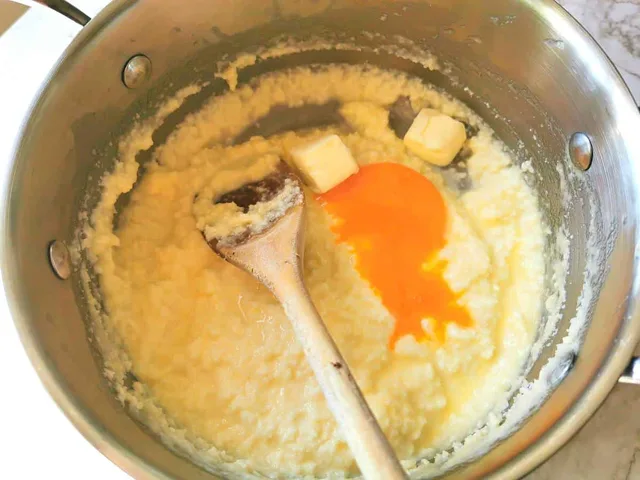
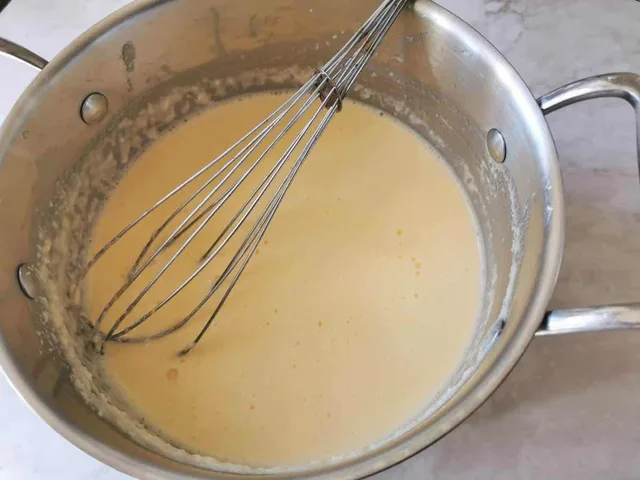
Step 2: Separate the additional dough egg (3 large), holding its white in a small bowl for brushing later. Make a well in all 400 g sifted flour and add the THREE whole dough eggs, the additional DOUGH yolk and the tablespoon olive oil. (1 tablespoon) Beat with a fork and bring in flour until the eggs are no longer runny, or use a stand mixer to combine this same batch. The filling yolk from step 1 is not a dough ingredient.
Step 3: If a mixer started the dough, stop once combined and turn this same batch onto the pastry board. If mixing by hand, gather the combined dough on the board ready for kneading.
Step 4: Knead the dough with the heel of your hand about 10–15 minutes, until homogeneous and only slightly sticky. If dry, work in a little warm water and knead further; if too wet, add the source small amount of extra flour as needed.
Step 5: Form the dough into a ball, cover with a tea towel or wrap and rest for 20–30 minutes.
Step 6: Roll the first quarter of rested dough into a thin sheet a couple of millimetres thick, by rolling pin or pasta machine, progressively narrowing the machine setting. Hold the remaining three quarters for repeating after the first row is complete.
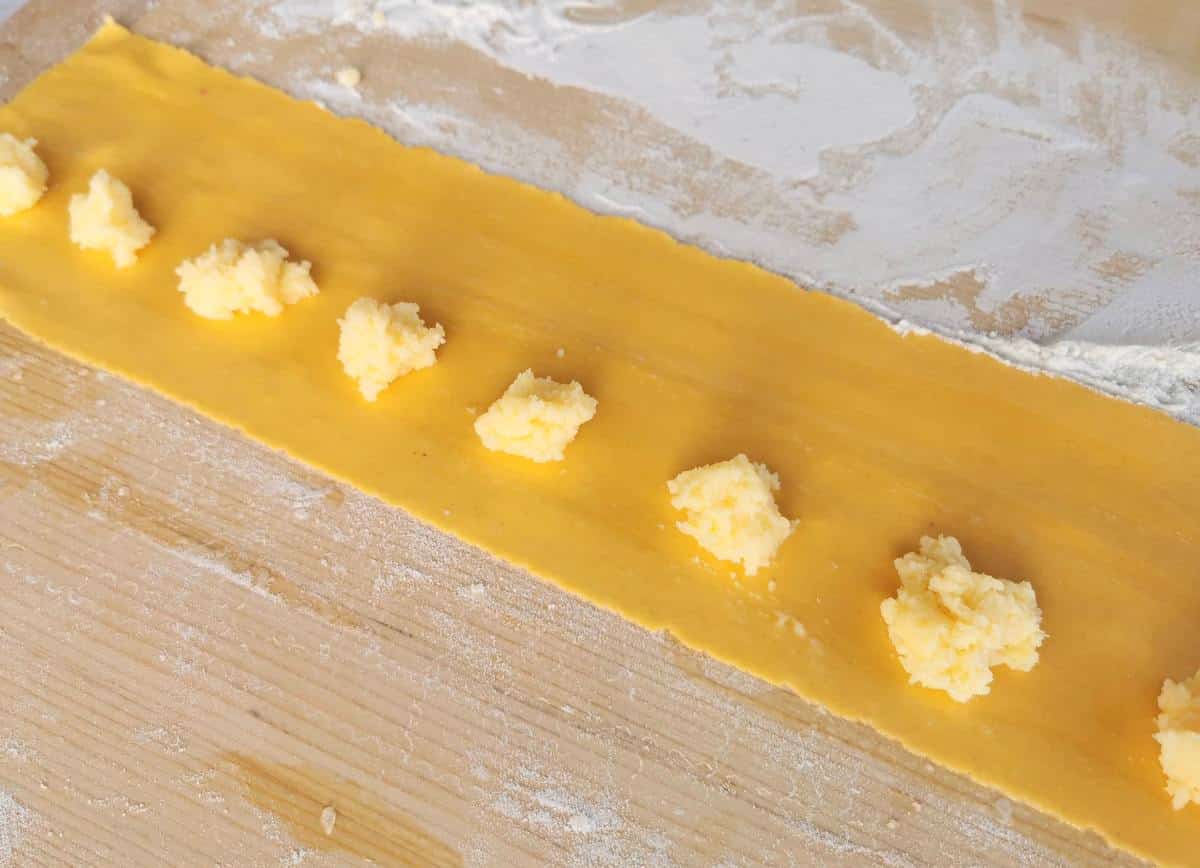
Step 7: Put the sheet on a semolina-floured board and trim its ends into a rectangle. Spoon small mounds of the chilled fondue along the long edge nearest you, leaving enough space between mounds to pinch the pasta. Hold the remaining filling for later quarters.
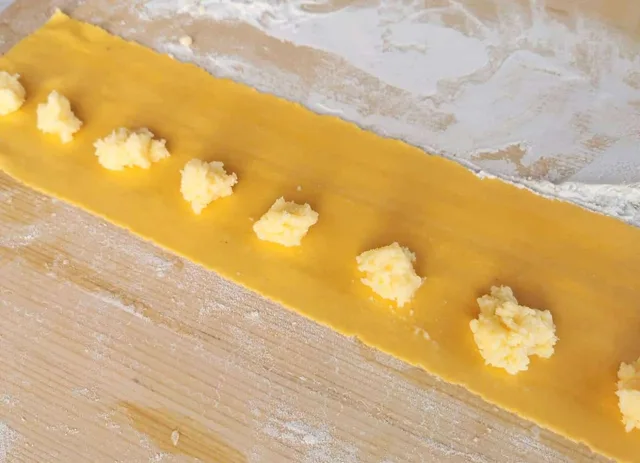
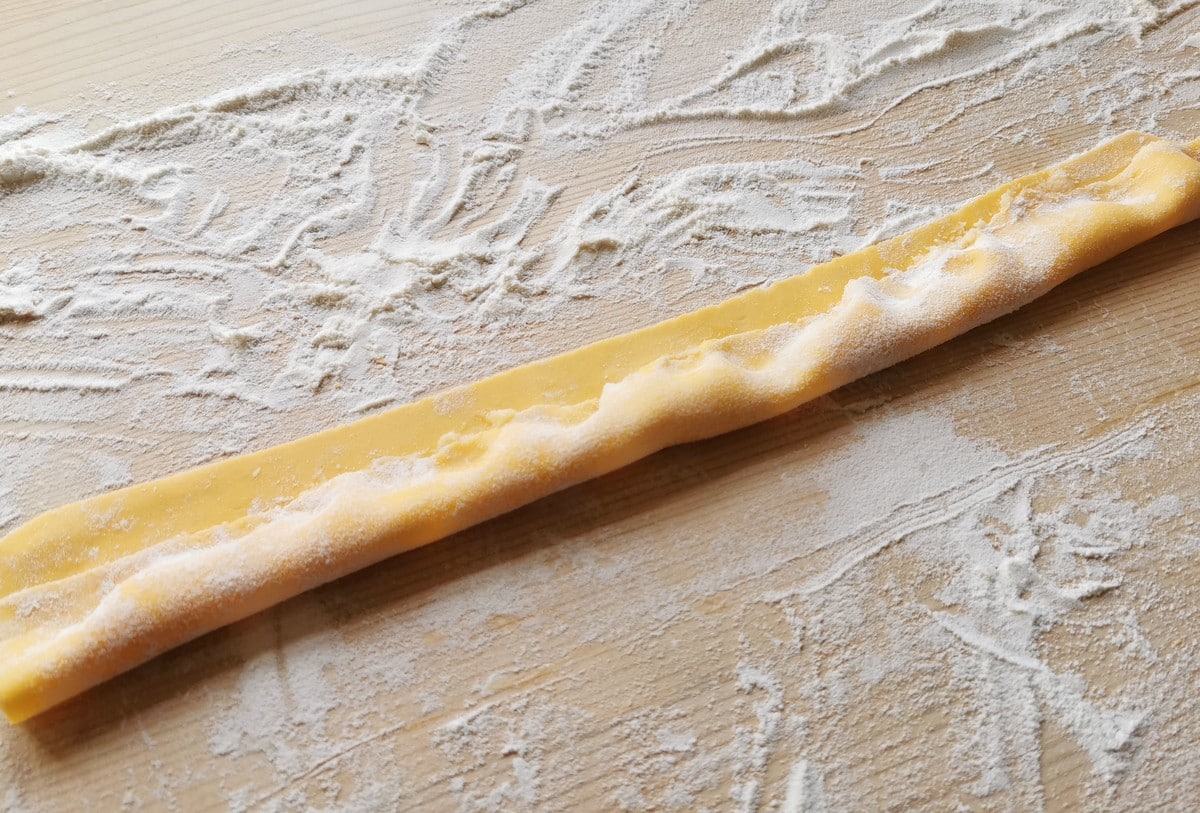
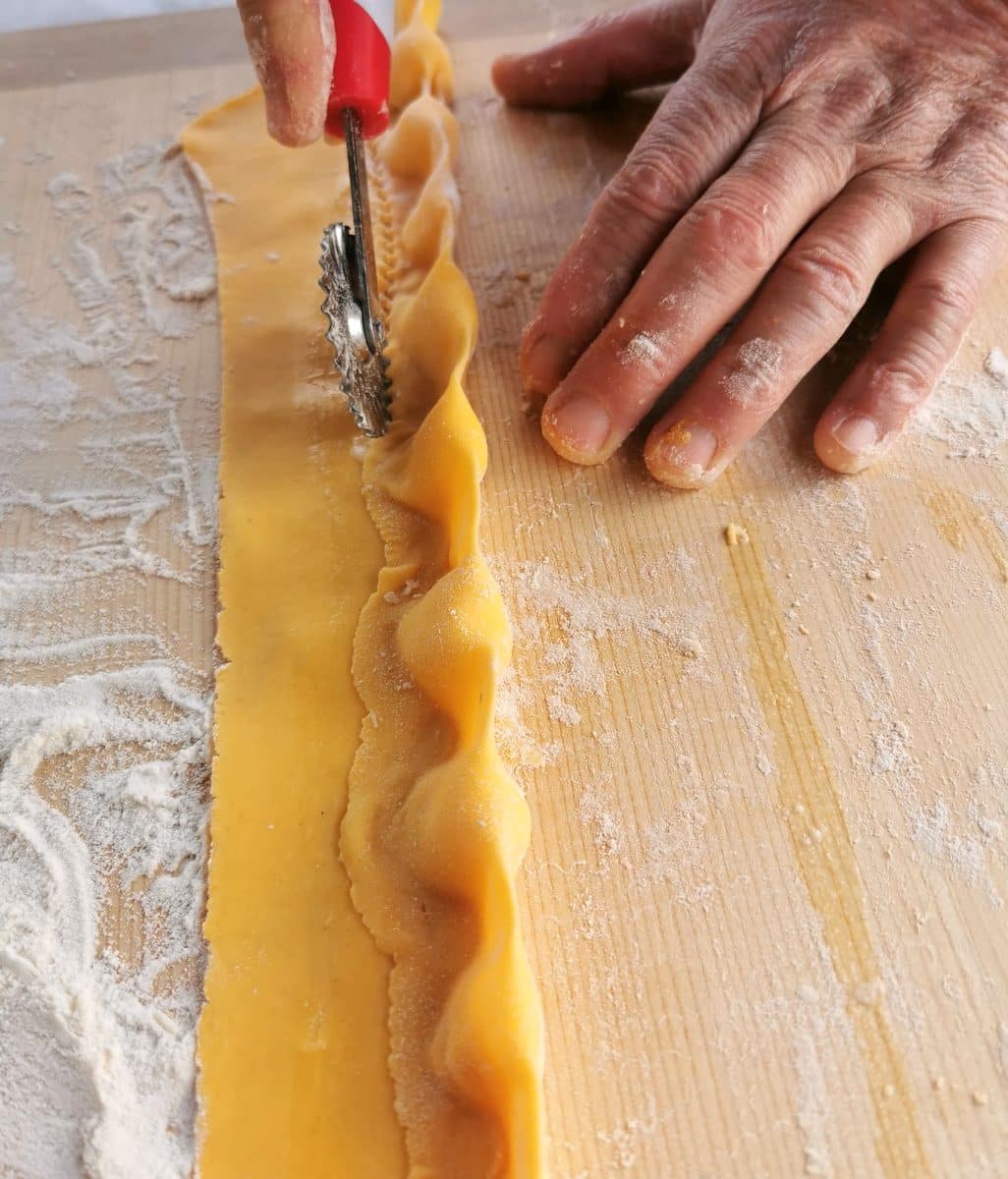
Step 8: Brush around the filling mounds with some of the held dough-egg white. Fold the sheet over the filling, leaving an outer sealing edge, then trim away most of the excess dough along that outer edge.
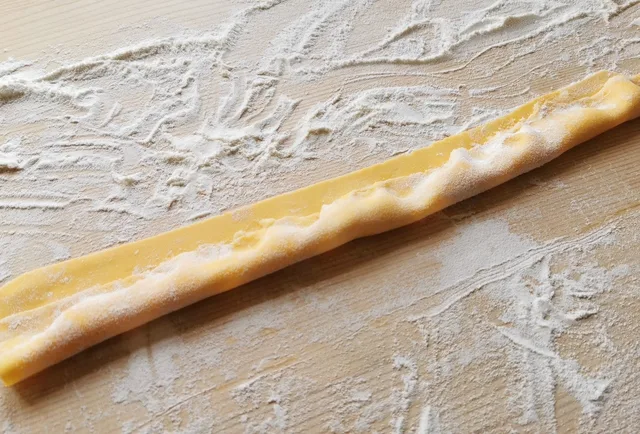
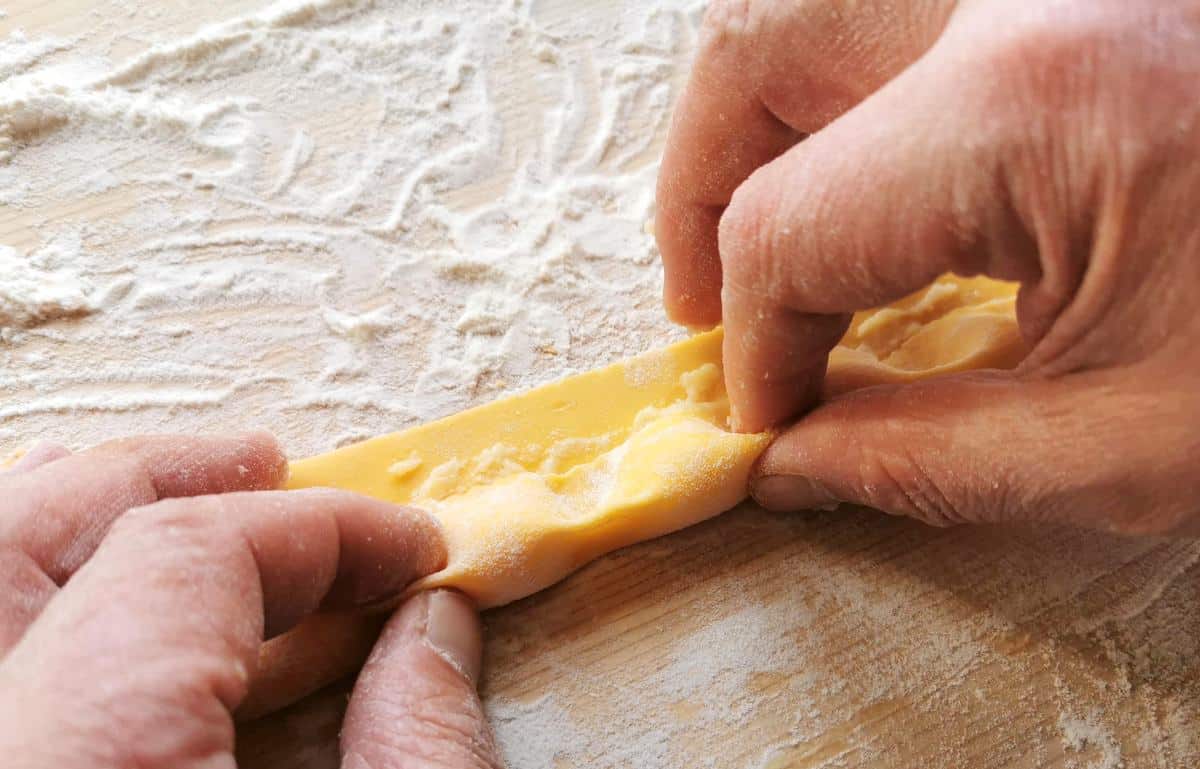
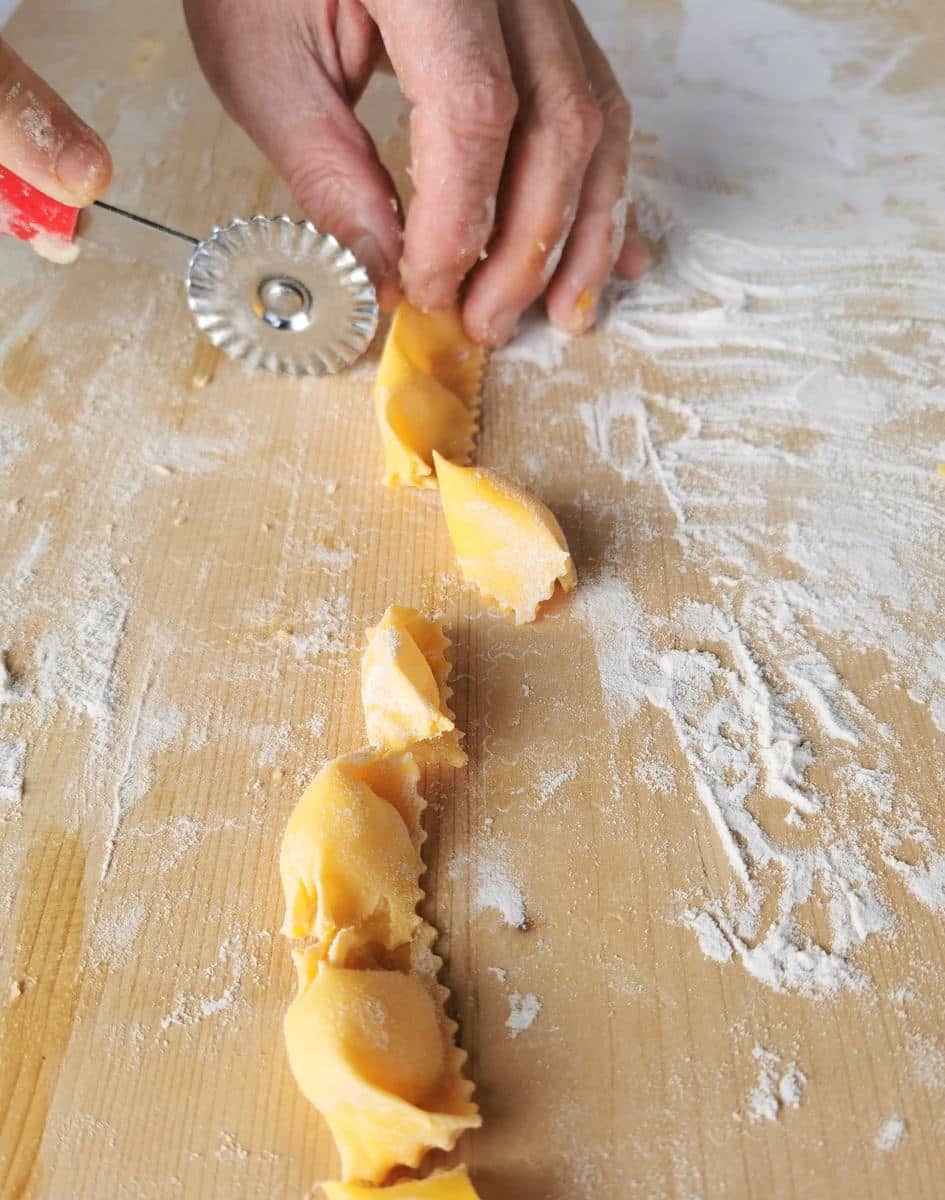
Step 9: Use both thumbs and index fingers to pinch the dough on each side of each filling mound. Work along the row, closing each open side with the next pinch until every mound is sealed into the characteristic plin shape.
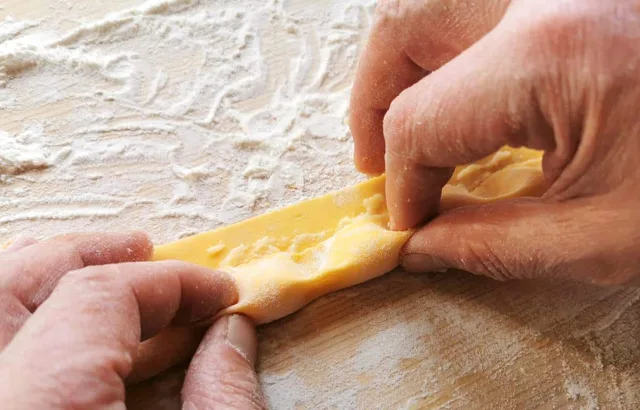
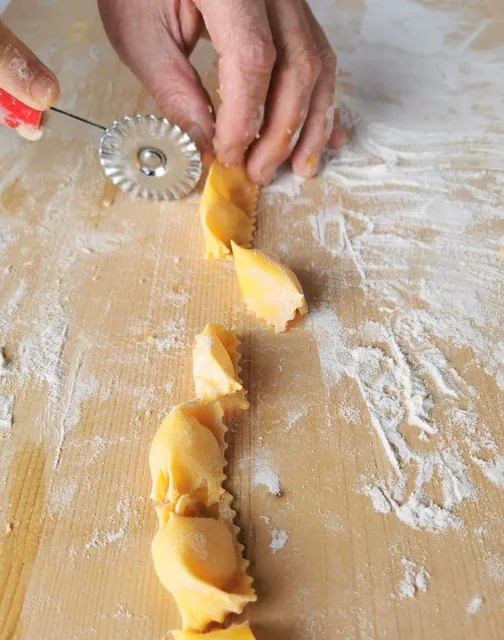
Step 10: Trim excess dough along the outer edge with a pastry wheel, leaving enough sealed edge to hold the filling.
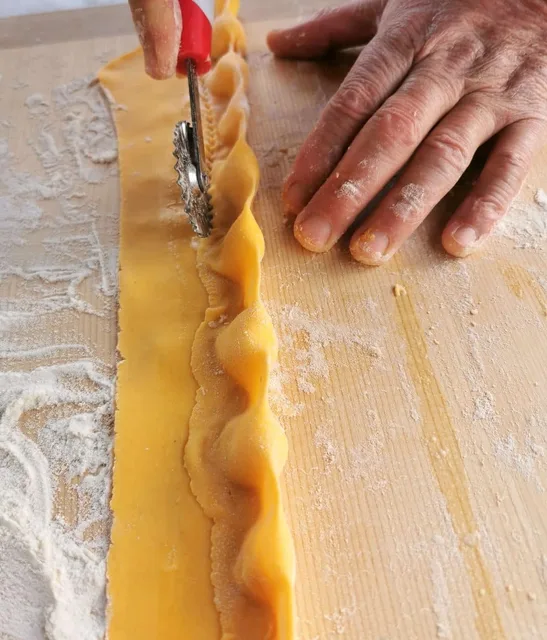
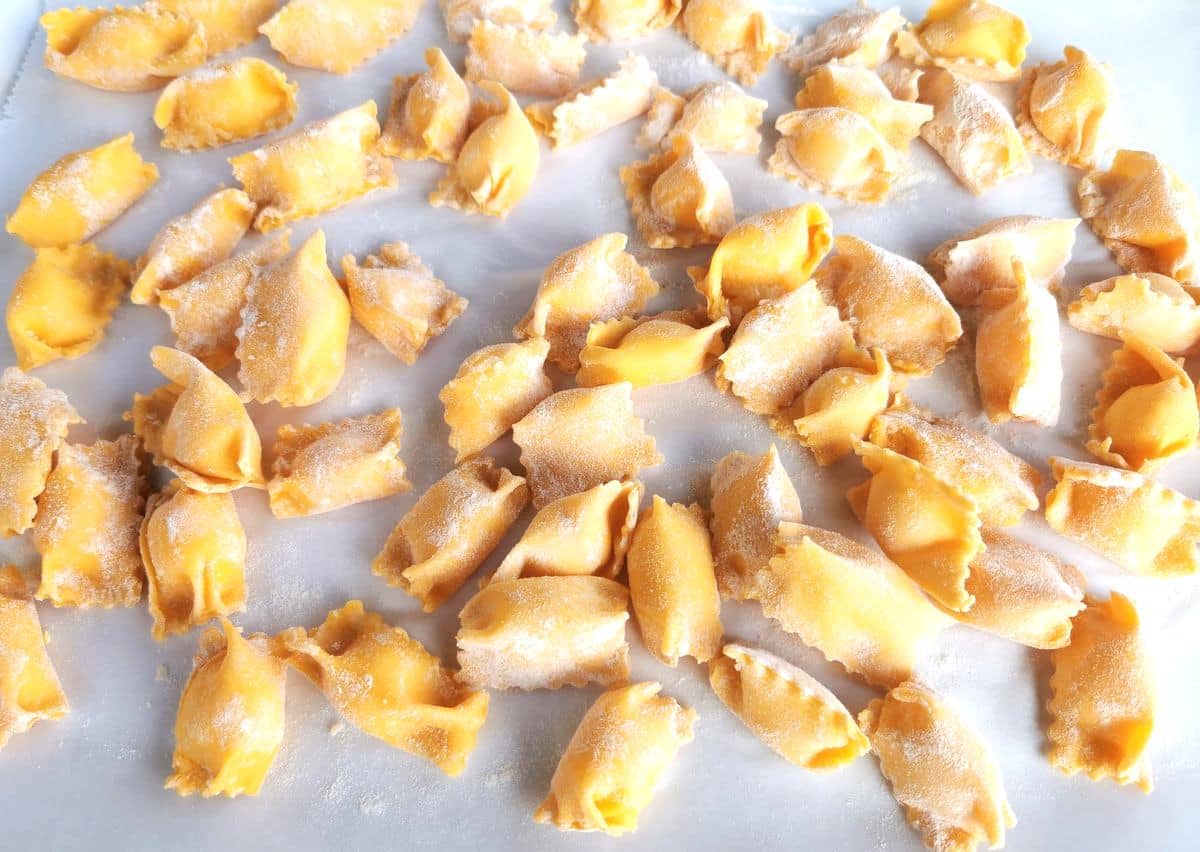
Step 11: Cut between the sealed mounds with the pastry wheel to separate individual agnolotti. Transfer them to a tray well dusted with semolina. Repeat steps 6–11 with each remaining quarter and the held filling and egg white, completing the whole dough batch. Cook soon; if not cooking within about an hour, freeze the formed uncooked pasta and cook directly from frozen.
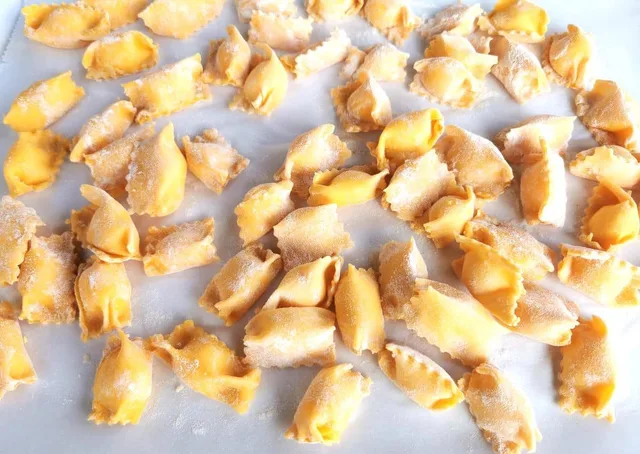
Step 12: Bring a pot of water to the boil, add pasta-water salt and return to the boil. While it heats, wash the sage leaves and melt the SEPARATE 50 g sauce butter in a skillet large enough for the pasta; sauté the sage in it until slightly crisp and hold this sauce warm. Cook the formed agnolotti in the boiling salted water until they rise and the pasta is tender, tasting one before lifting the rest with a slotted spoon. The source gives no fixed boil duration; frozen pasta needs its own tenderness check.
Step 13: Add all the cooked agnolotti to the warm sage-butter pan and toss gently. Taste before adding optional serving salt. If using the optional Parmigiano, grate all the listed 50 g and divide it over the four servings. For the source vegetarian variation, both the filling cheese and serving cheese must be vegetarian-rennet versions.
Photos (2)
Comments
0 threadsSign in to join the discussion.


No comments yet. Start the discussion.