


Japanese · Dessert
Yomogi Dango 蓬団子
From the zcook collection
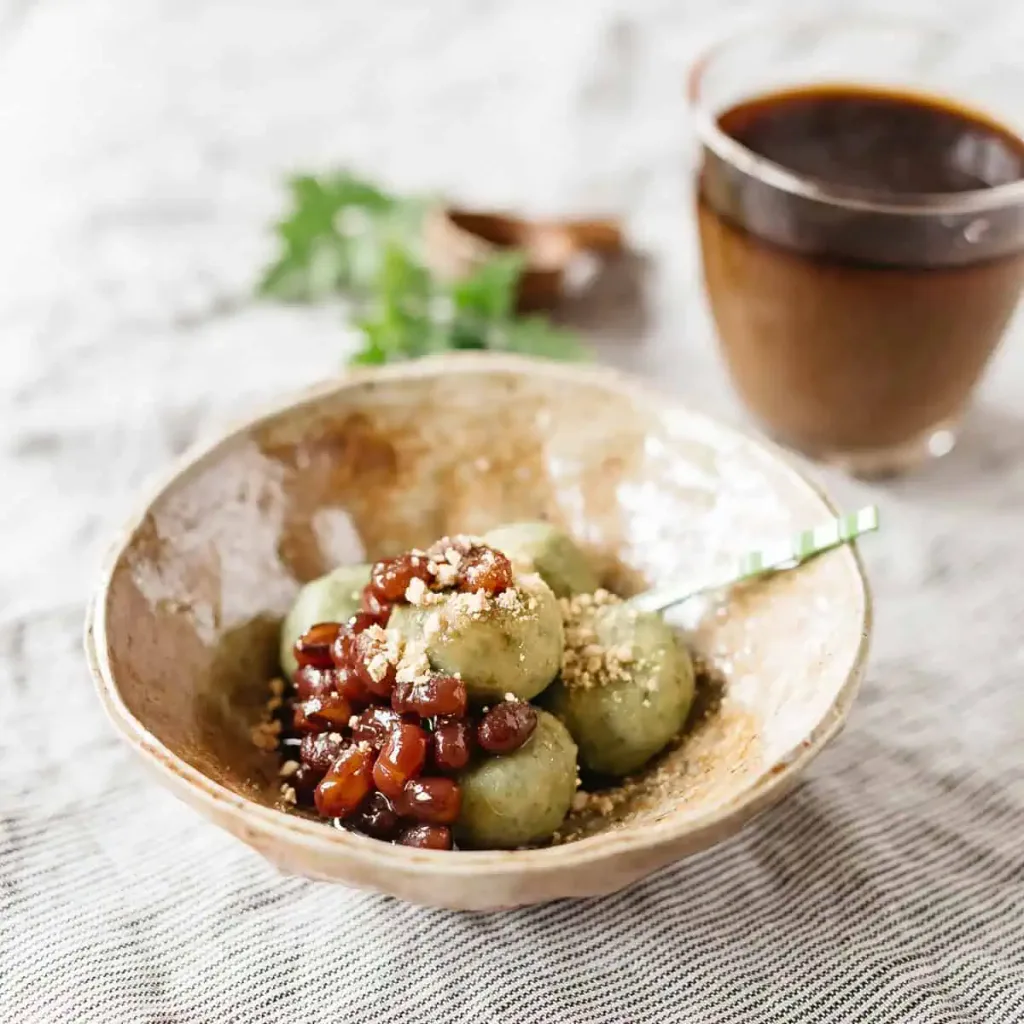
Discover the traditional Japanese dessert of yomogi dango and learn how to create it at home.
- Vegan
- Dairy-free
- Japanese
- Dessert
- Dumpling
- Vegetarian
- Wagashi
- Prep
- 15 min
- Cook
- 10 min
- Serves
- 6
- Level
- Hard
- Energy
- 233 kcal
Method19 steps
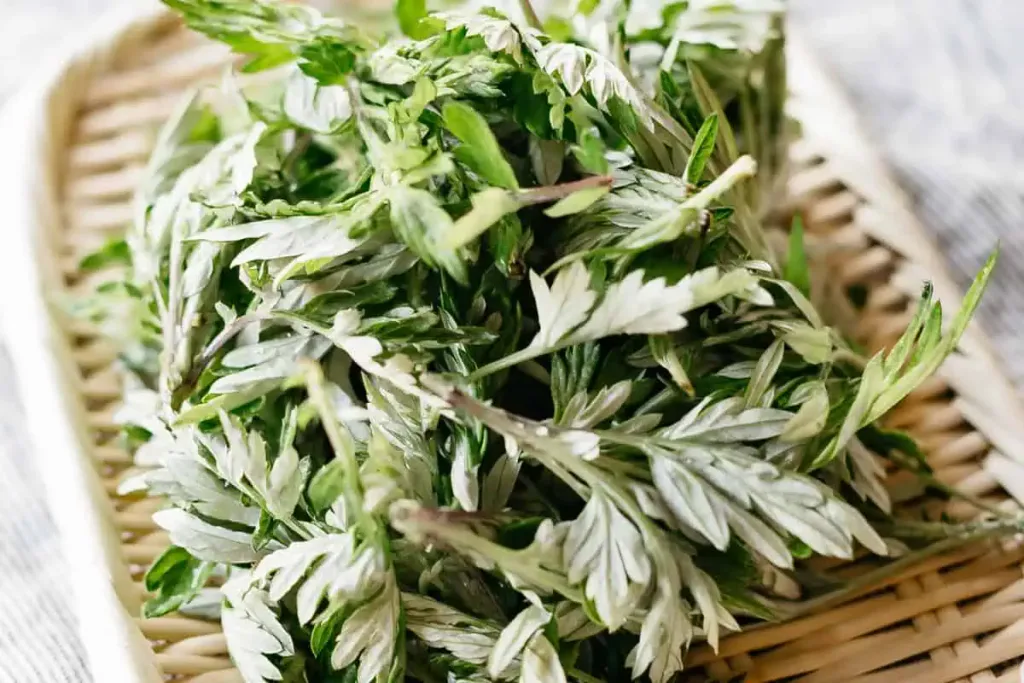
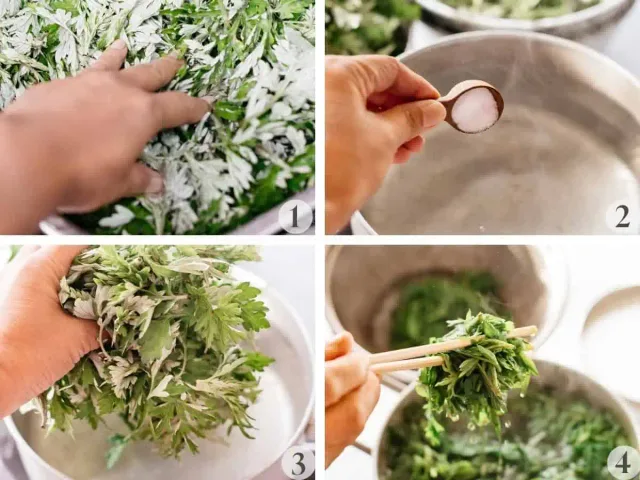
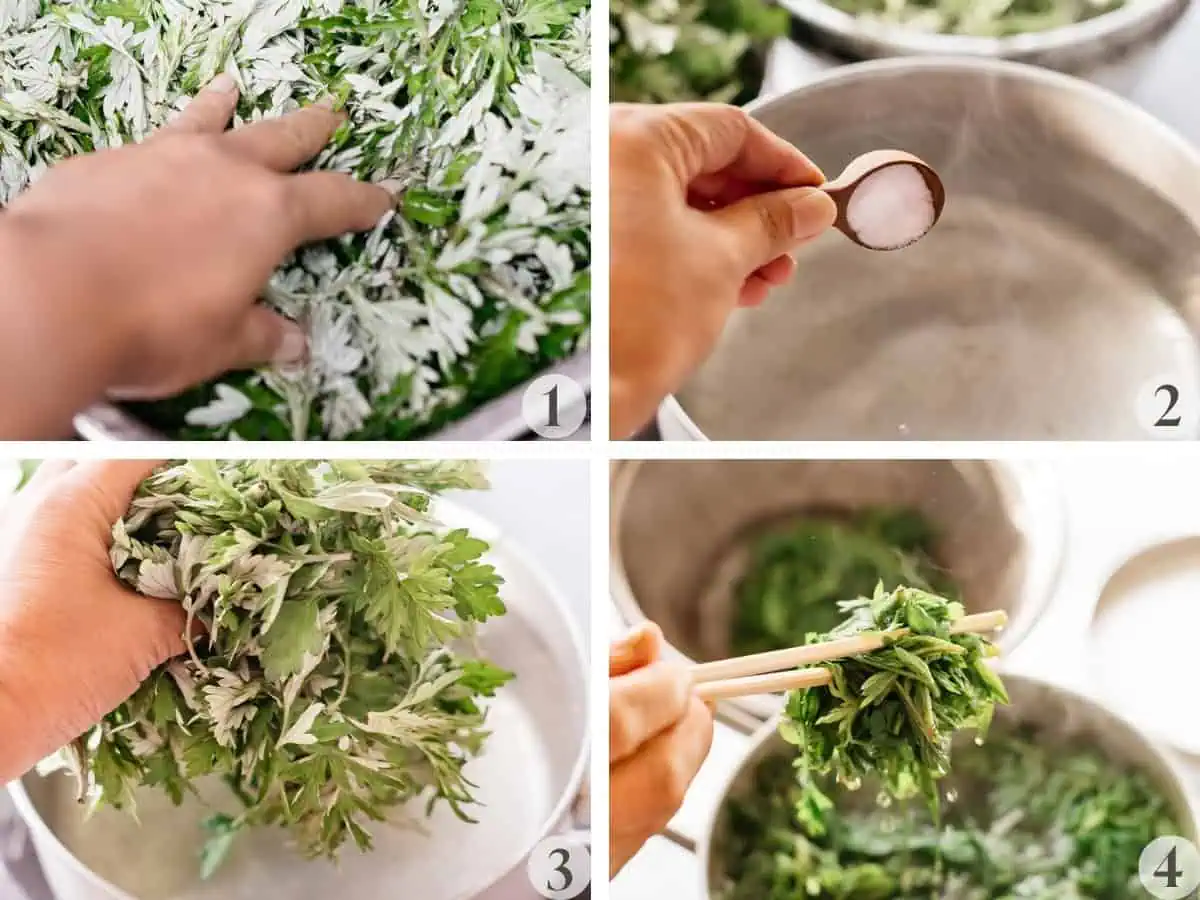
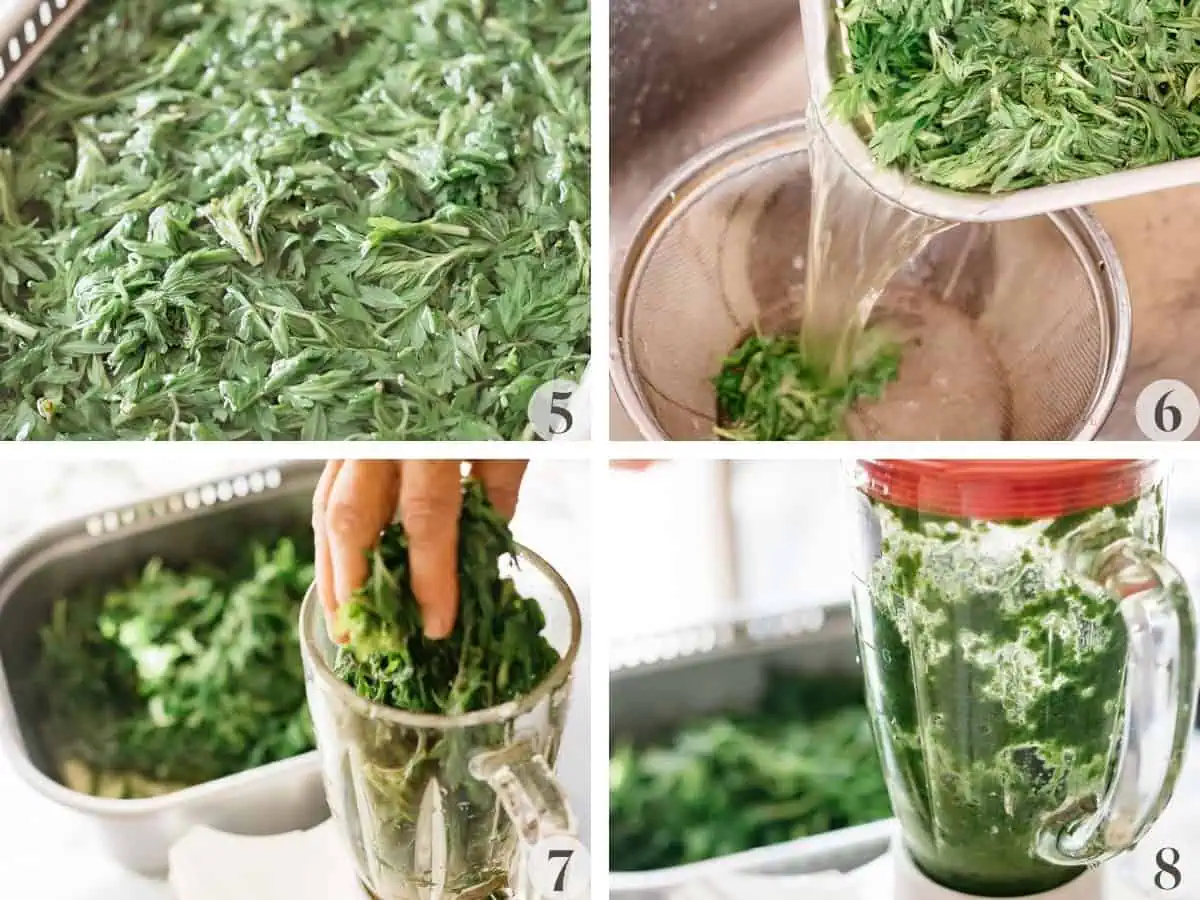
Step 1: Wash the fresh Japanese mugwort thoroughly under fresh running water, drain and set aside.
Step 2: Bring the two litres herb-blanching water to a boil in a large stockpot.
Step 3: If using tougher leaves, add the teaspoon baking soda to the blanching water. Omit it for fresh soft spring shoots.
Step 4: Add the washed yomogi and blanch for one minute.
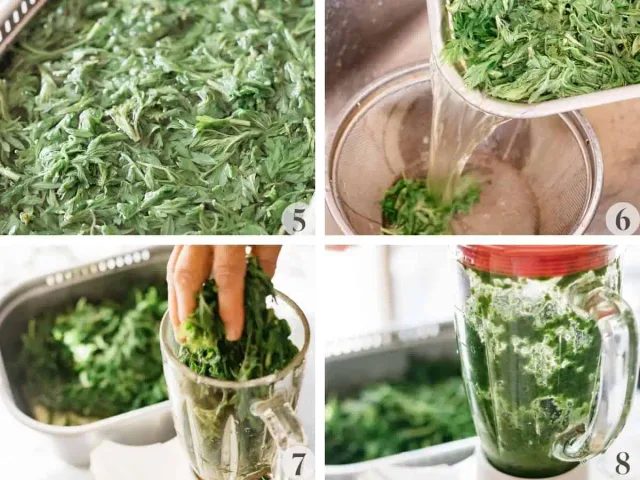
Step 5: Drain the blanched yomogi through a strainer, discarding the herb-blanching water.
Step 6: Soak the drained yomogi in fresh cold water for ten to fifteen minutes.
Step 7: Drain through a strainer and discard the soaking water.
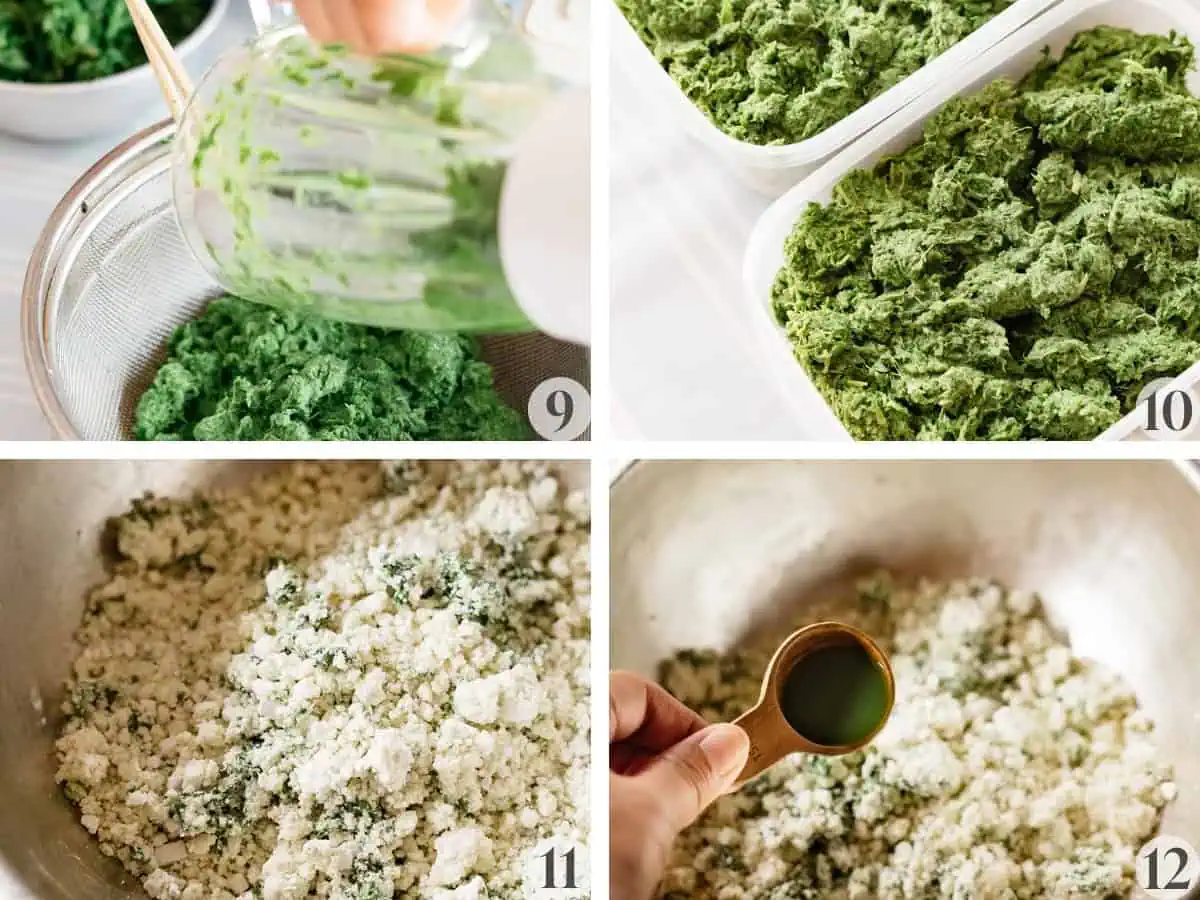
Step 8: Process the drained yomogi into a paste. Measure two tablespoons for the dango dough; freeze the unused paste in small ice-cube portions.
Step 9: Put the two hundred grams shiratamako, two hundred grams silken tofu, two tablespoons prepared yomogi paste and two tablespoons sugar in a large mixing bowl.

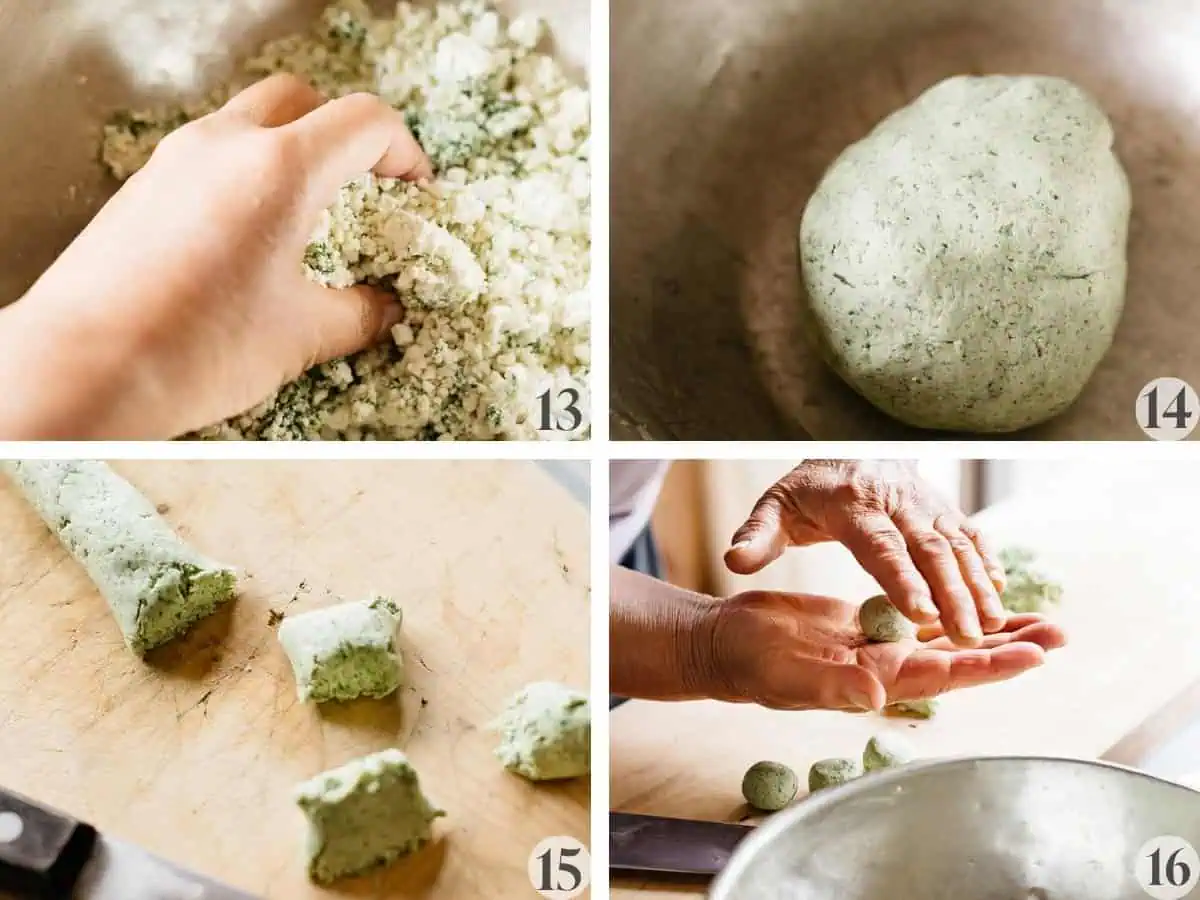
Step 10: Combine and knead the ingredients all together with your hand.
Step 11: The dough should be the same softness as your earlobe.
Step 12: Divide the dough in half.
Step 13: Roll the first dough half into a long cylinder about two centimetres in diameter. Cut it into sixteen equal pieces.
Step 14: Round the sixteen pieces between your hands. Roll, cut into sixteen and round the remaining dough half in the same way, making thirty-two dango in total.

Step 15: Bring a fresh pot of dango-boiling water to a boil over high heat.
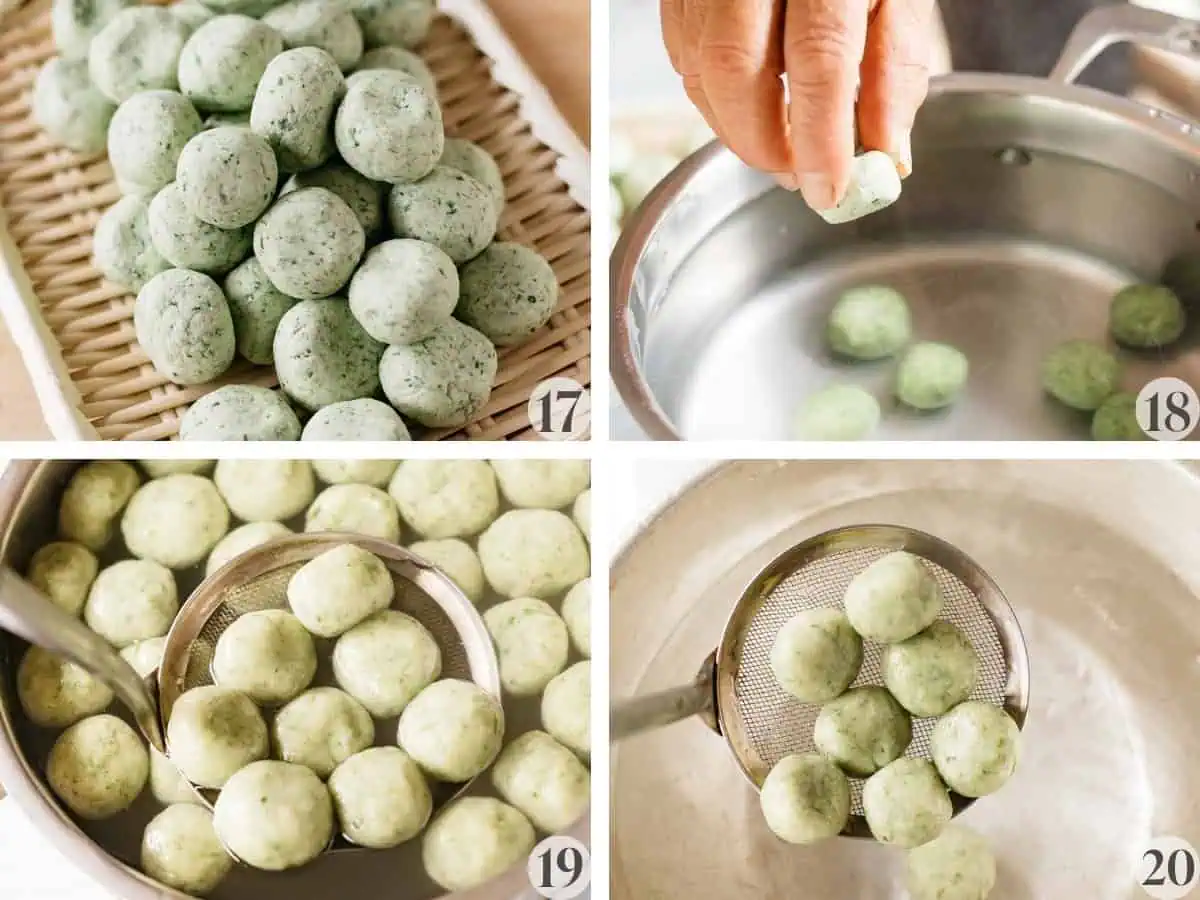
Step 16: Add the dango all together.
Step 17: Boil until the dango rise to the surface, then continue boiling for two minutes to cook the centres.
Step 18: Scoop the cooked dango into fresh cold water to cool.

Step 19: Drain the cooled dango and divide among serving bowls. If desired, add the optional ready sweet azuki paste and sprinkle with optional kinako (4 tsp).
Photos (4)
Comments
0 threadsSign in to join the discussion.


No comments yet. Start the discussion.