

Indian · Breakfast
Poori Recipe, How to Make Puri
From the zcook collection
Puffed whole-wheat pooris made from a firm fresh dough and fried until golden. The batch makes 8–10 small breads for two people; keep the dough, rolling oil and frying oil separate.
- Vegetarian
- Indian
- Breakfast
- how to make puri
- poori
- Total
- 30 min
- Prep
- 20 min
- Cook
- 10 min
- Serves
- 2 people
- Level
- Medium
- Energy
- 496 kcal
Method21 steps · about 30 min
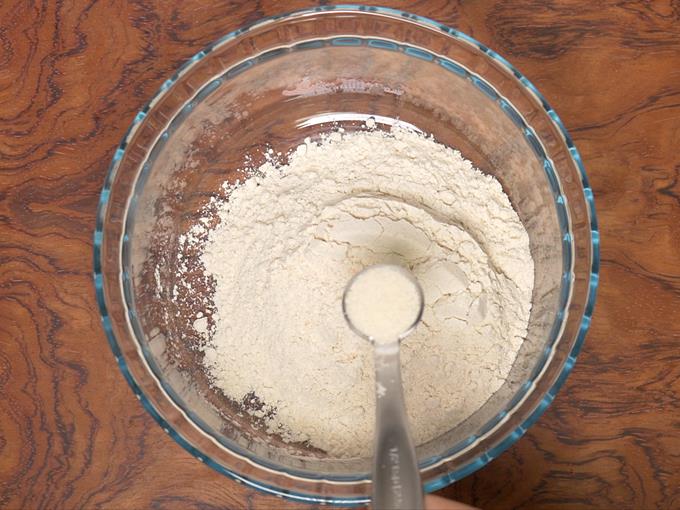
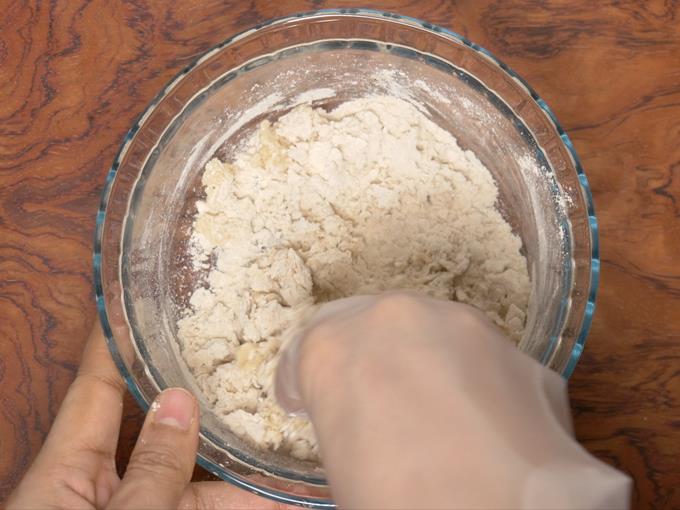
Step 1: Mix 1 cup whole-wheat flour (1 cup), the optional ¾ tsp fine semolina, ⅛ tsp salt and ¾ tsp dough oil or ghee.

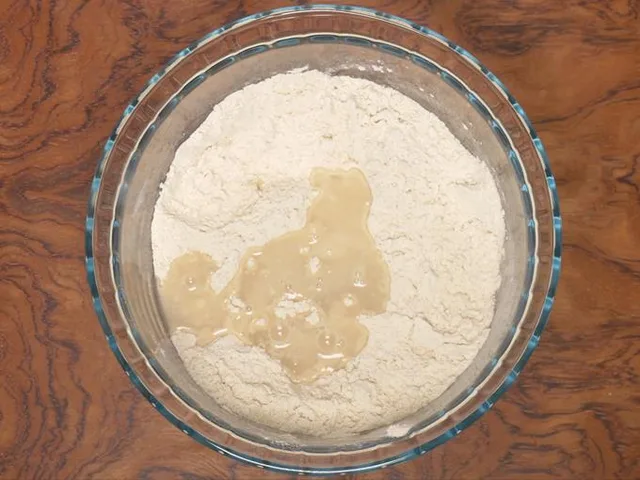
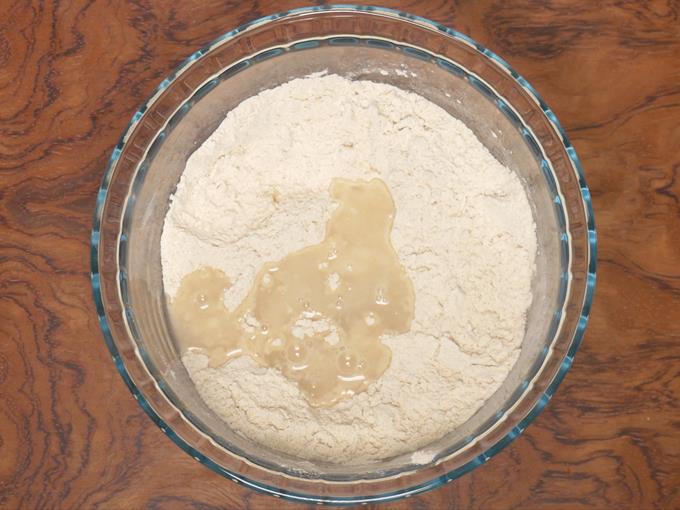
Step 2: Add the initial ¼ cup water, then 1–2 tbsp of the separate adjustment water as needed for a stiff, smooth dough. Use a little extra rescue water only if crumbly, or extra flour only if sticky. The dough should be firmer than roti dough.

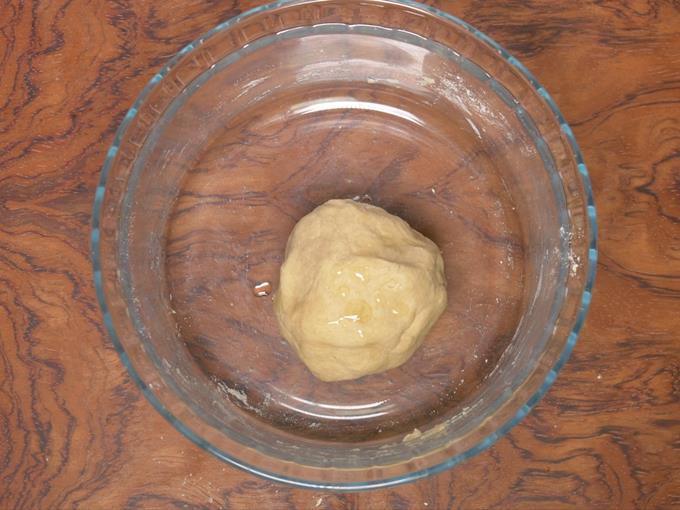
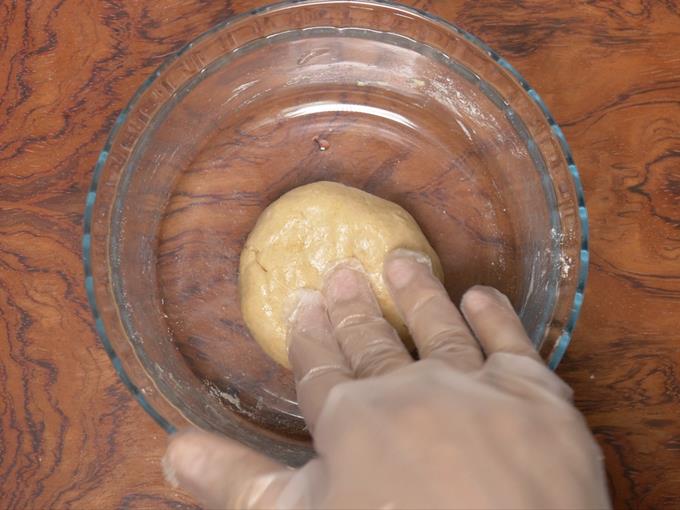
Step 3: Smear only the separate half teaspoon smoothing oil and knead lightly just until this same dough is smooth.


Step 4: Keep the same dough tight. Do not knead extensively, which makes the dough too soft and encourages oil absorption.
Step 5: Keep the dough covered and proceed promptly, rather than resting it for more than 3–5 minutes.

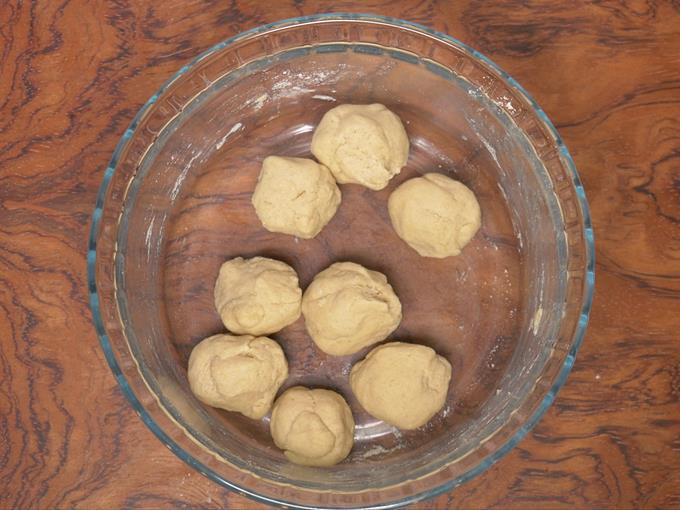
Step 6: Divide the dough into 8–10 portions without further kneading.

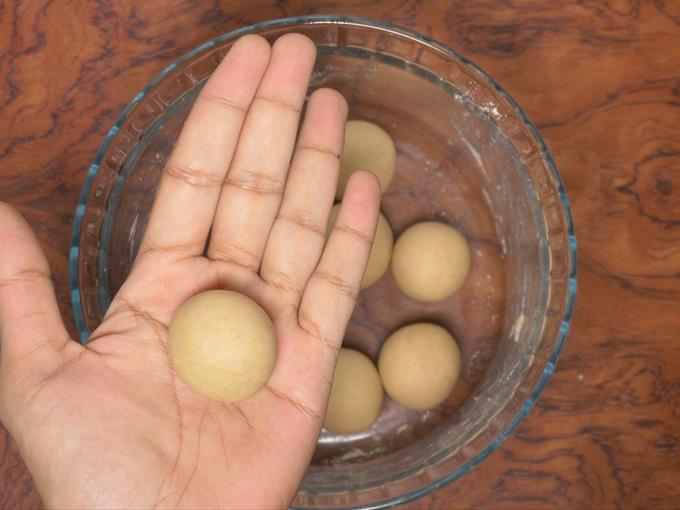
Step 7: Roll those same portions lightly between the palms into smooth balls and keep covered.

Step 8: Grease the rolling area with a few drops from the separate rolling-oil stock. Alternatively use minimal separate dusting flour and remove all excess before frying.
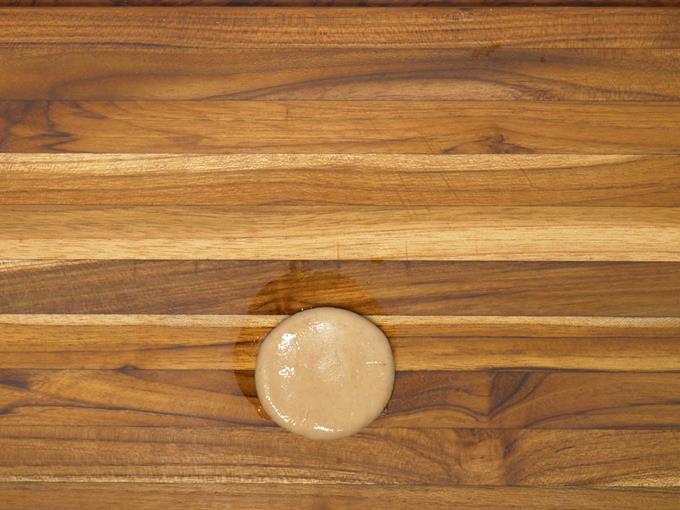
Step 9: Take one of the dough balls from step 7 and keep the rest covered. Smear the ball with a few drops of the rolling oil and flatten.
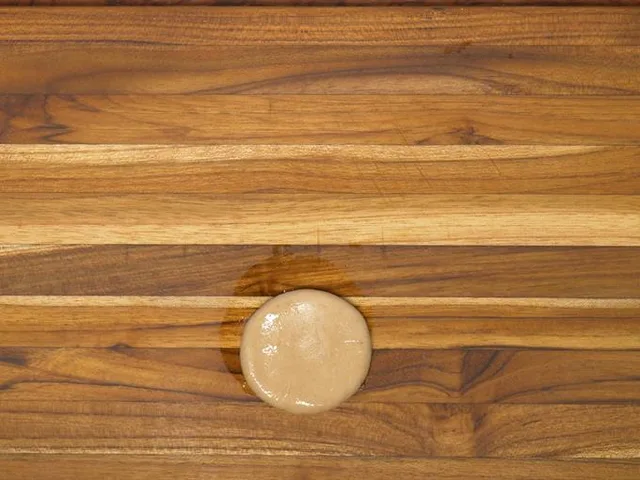
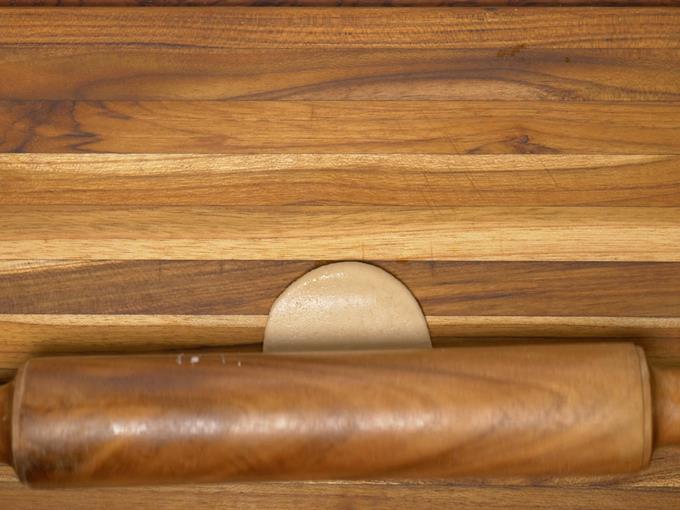
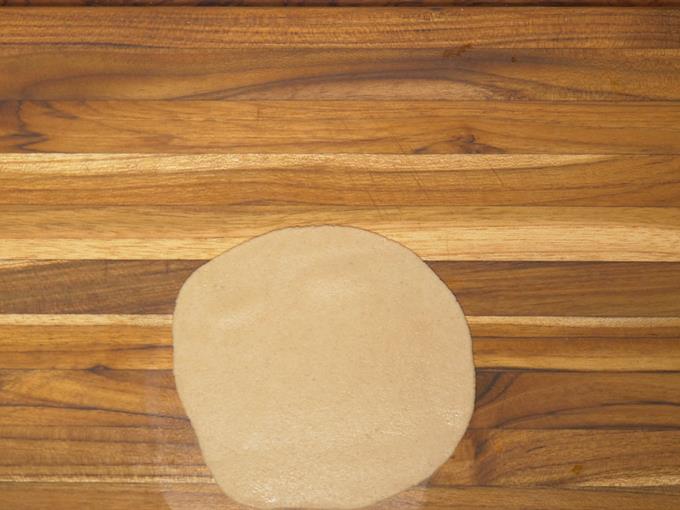
Step 10: Begin to roll it evenly from the center to a round puri.

Step 11: It should not be too thick or thin. It must be moderately thick which helps the puri to puff.

Step 12: Repeat steps 8–11 until you have rolled 5–6 pooris. Keep them separate rather than stacked and avoid leaving them waiting for long.
Step 13: Heat the deep-frying oil over medium-high heat while continuing to roll the remaining dough portions.
Step 14: Drop only a tiny piece of unused dough from the same batch into the heated frying oil. It should rise immediately without browning quickly. Discard the cooked test piece.
Step 15: If the test browns too quickly, reduce heat and allow the same frying oil to cool slightly.
Step 16: Slide only one rolled poori from the same batch into the same hot frying oil. Dust off any rolling flour first. Leave it undisturbed until it rises halfway to the surface.
Step 17: Quickly but gently begin to press down with a perforated ladle. This helps the poori to puff well.
Step 18: Once puri puffs, flip it carefully. Fry on the other side as well until golden and crisp.
Step 19: Turn the poori once more if needed for an evenly crisp surface and your desired golden color.
Step 20: Drain the same fully fried poori in a steel colander or cooling rack. Repeat the frying steps with only the remaining rolled pooris.
Step 21: Before each subsequent poori, check that the retained frying oil is hot enough without smoking. Finish frying the remaining batch and serve hot; prepared potato curry, chutney or kurma make optional accompaniments.

Photos (1)
Comments
0 threadsSign in to join the discussion.
No comments yet. Start the discussion.