
Japanese · Soup
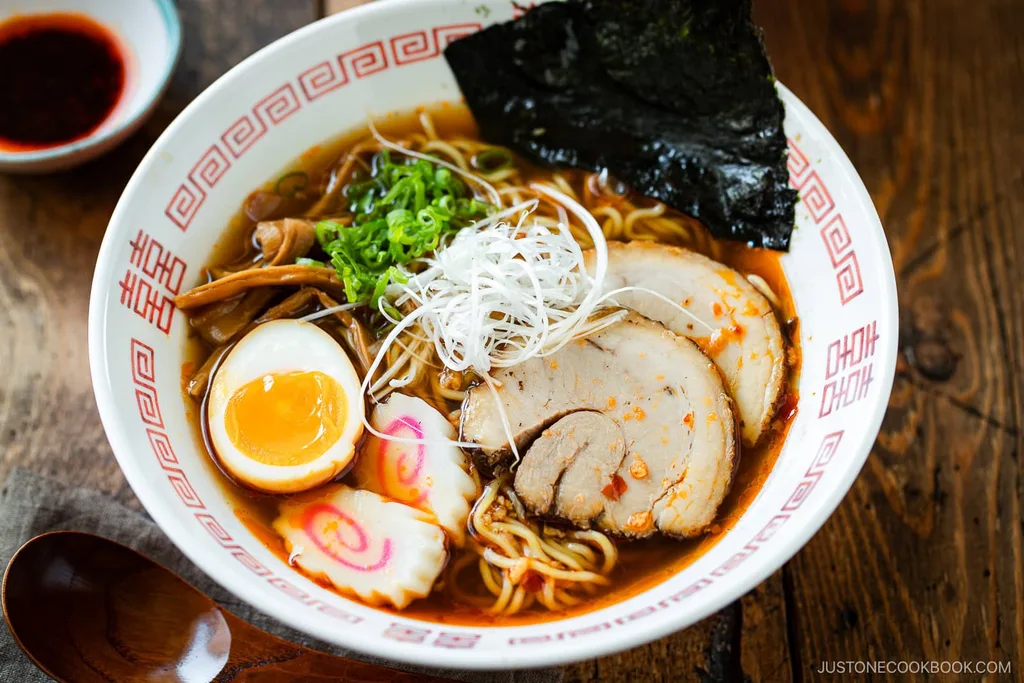
Spicy Shoyu Ramen
From the zcook collection
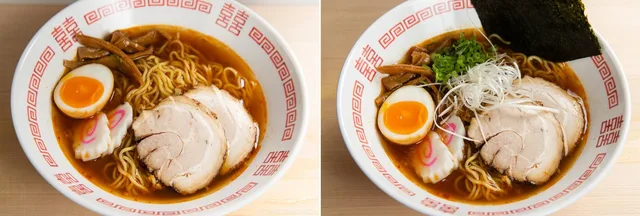
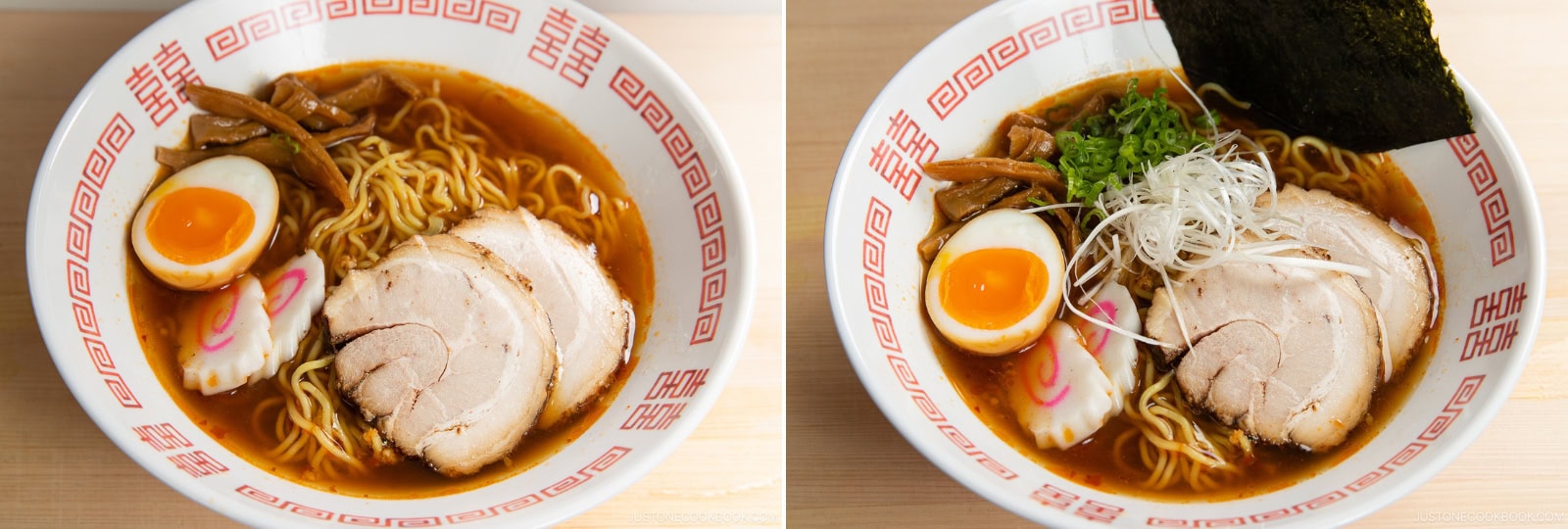
Spicy Shoyu Ramen is a comforting bowl of noodles in a savory soy sauce broth with just the right kick of heat. I’ll share my two key ingredients for depth and umami to create an extra-delicious broth without a long simmer. Make your toppings ahead for quick and easy ramen day!
- Japanese
- Soup
- Just One Cookbook
- Total
- 35 min
- Prep
- 20 min
- Cook
- 15 min
- Serves
- 2 servings
- Level
- Hard
- Energy
- 680 kcal
Method12 steps · about 35 min
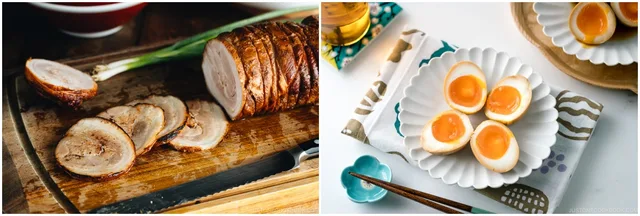
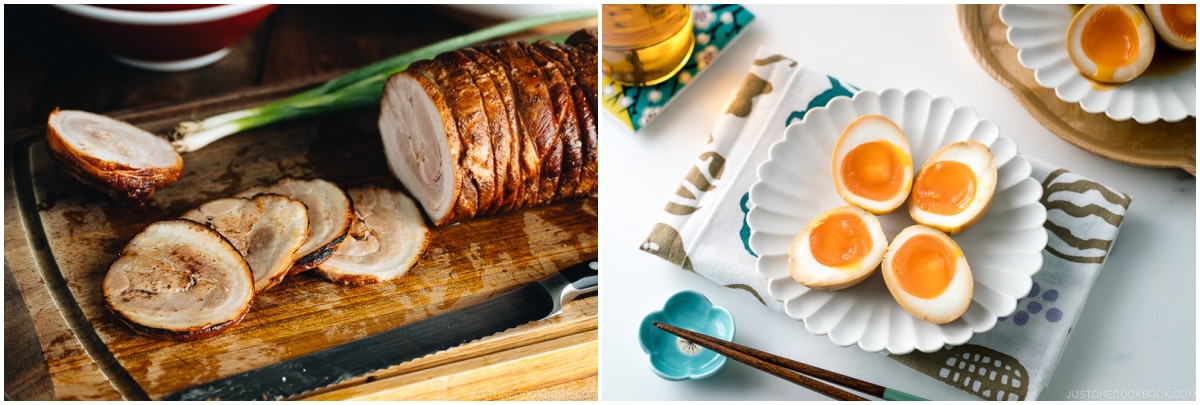
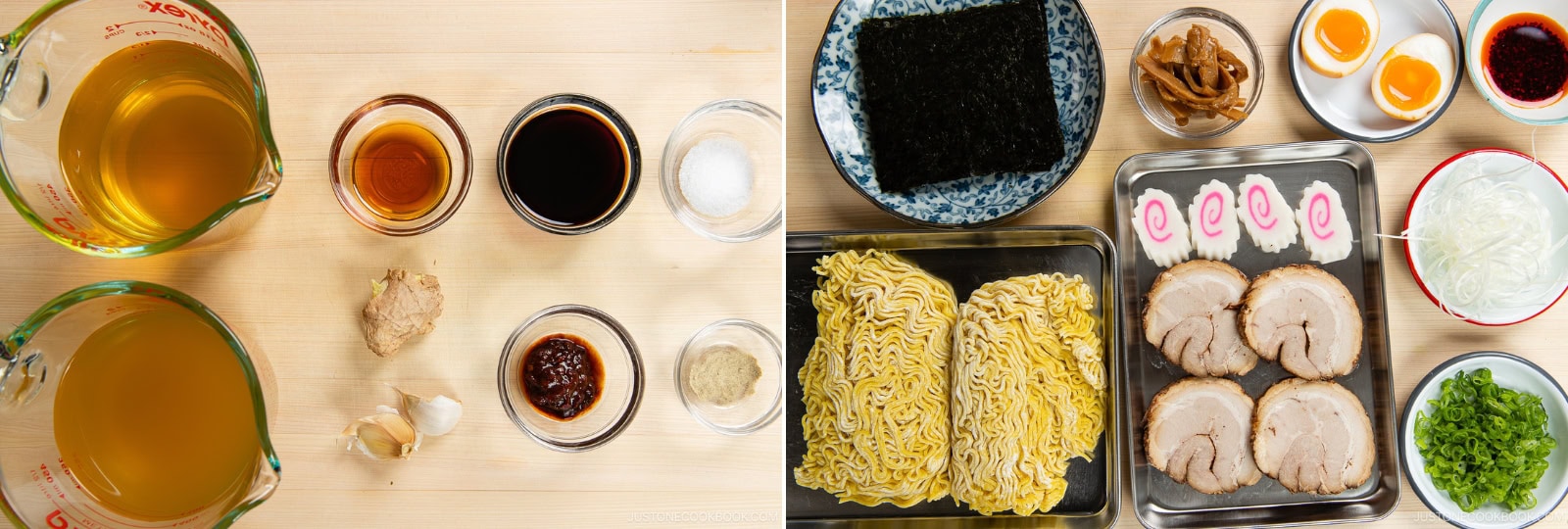
Step 1: Have the toppings ready before cooking: 4 slices prepared cooked chashu, 1 prepared cooked ramen egg halved lengthwise, 4 narutomaki slices, ¼ cup prepared menma, julienned long green onion (1), 1 chopped scallion, and ½ sheet nori cut into two pieces. Homemade or ready-to-eat chashu may be used.
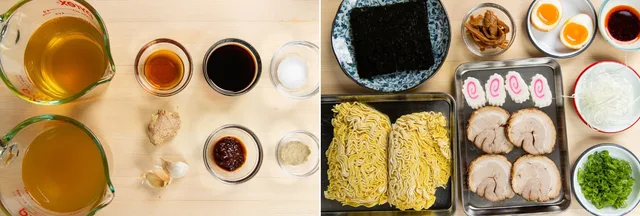
Step 2: Gather all the ingredients. Nami's Tip: A typical ramen bowl holds 1200–1400 ml. Plan for 1½ cups (360 ml) of broth per bowl. Using larger bowls? Be sure to prepare extra broth to fill them properly.
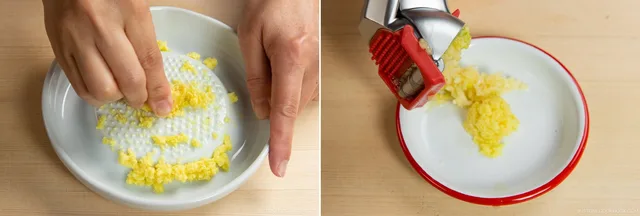
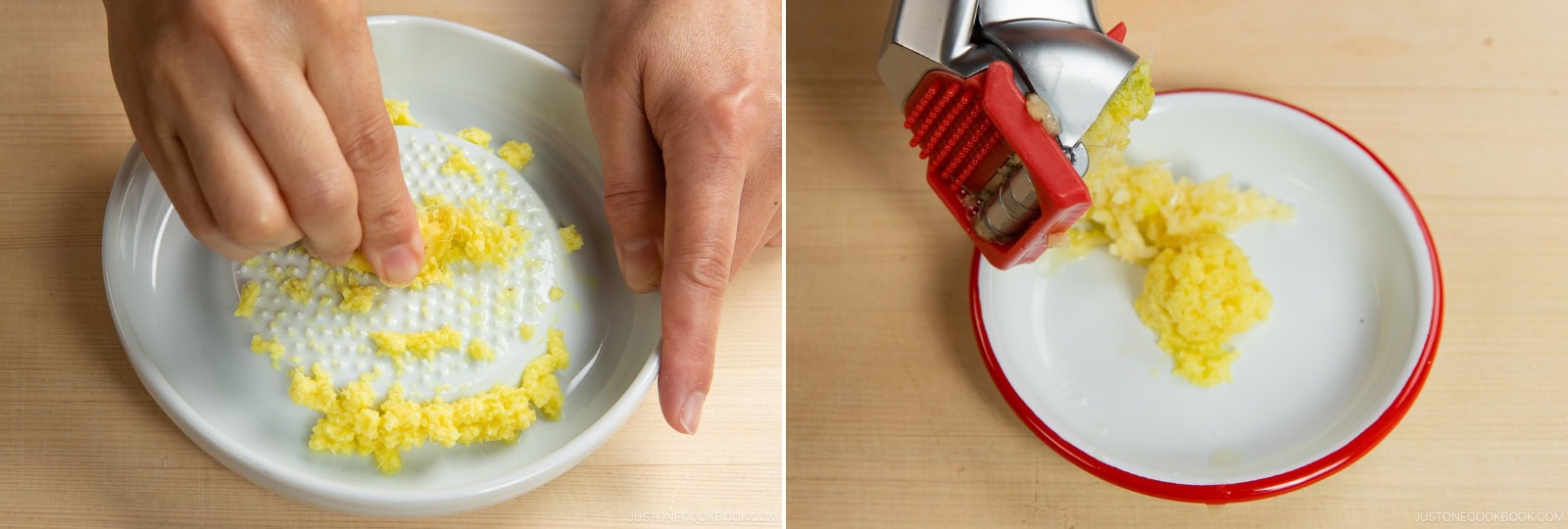
Step 3: Bring a large separate pot of water to a boil for the noodles. Peel and grate ginger (1 tsp) and measure 1 tsp with its juice. Mince the 2 garlic cloves.
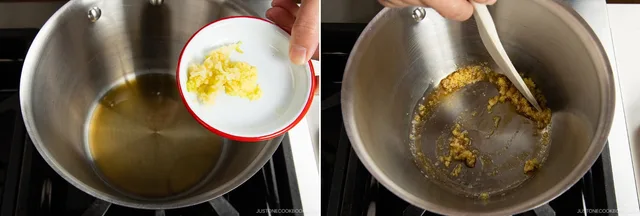
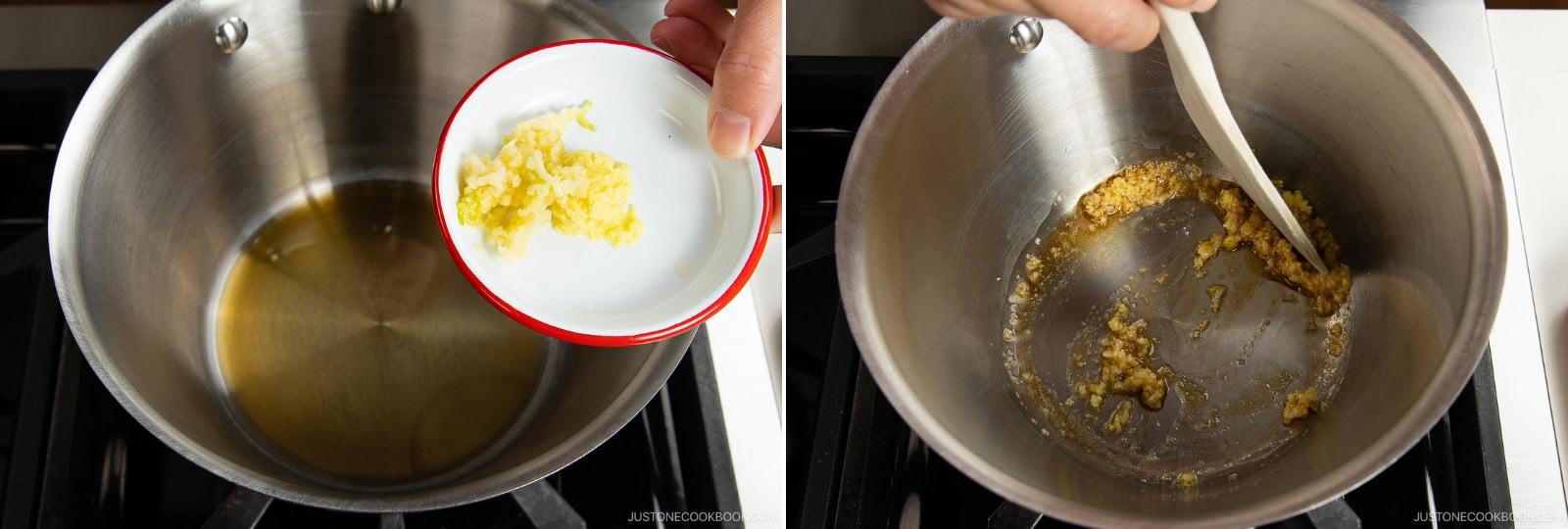
Step 4: Heat 1 Tbsp toasted sesame oil in a saucepan over medium-low heat. Add the minced garlic and grated ginger with juice and cook for about 1–2 minutes until fragrant, without burning the aromatics.
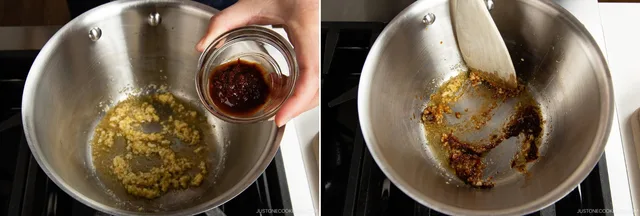
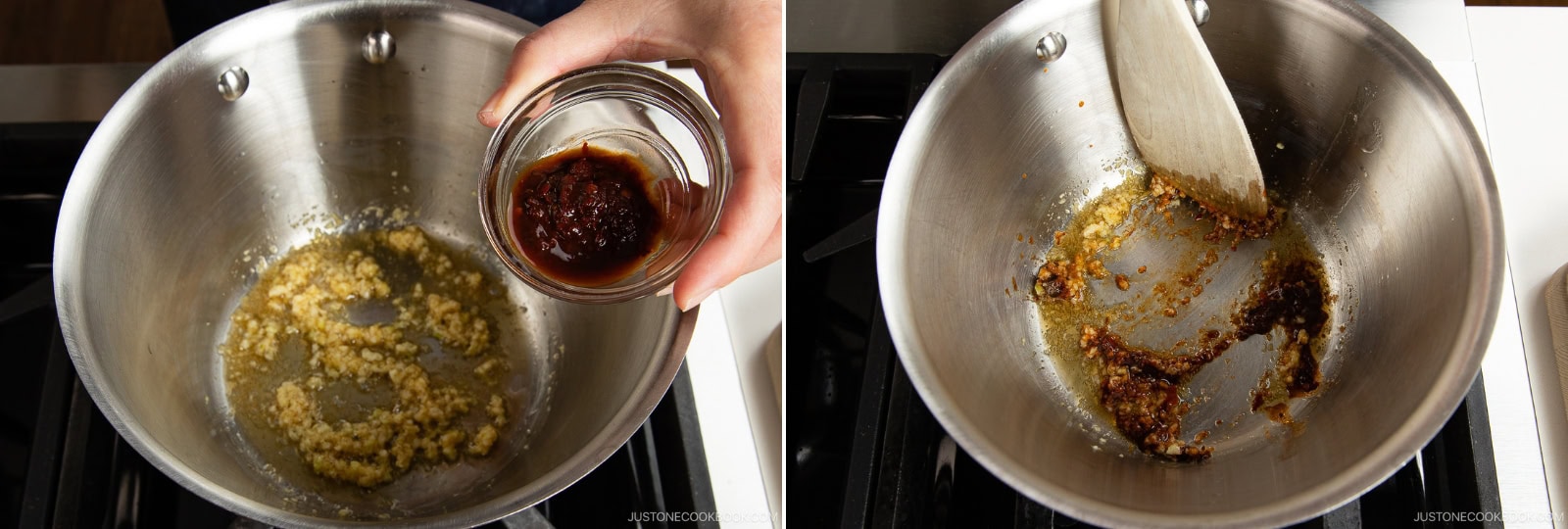
Step 5: Add 2 tsp doubanjiang (spicy chili bean paste) and stir for 15 seconds.
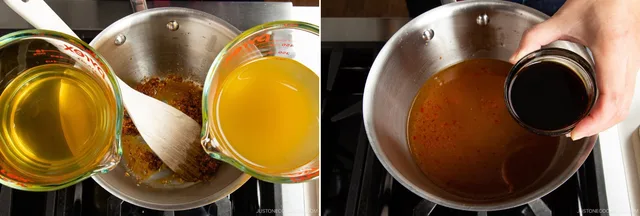
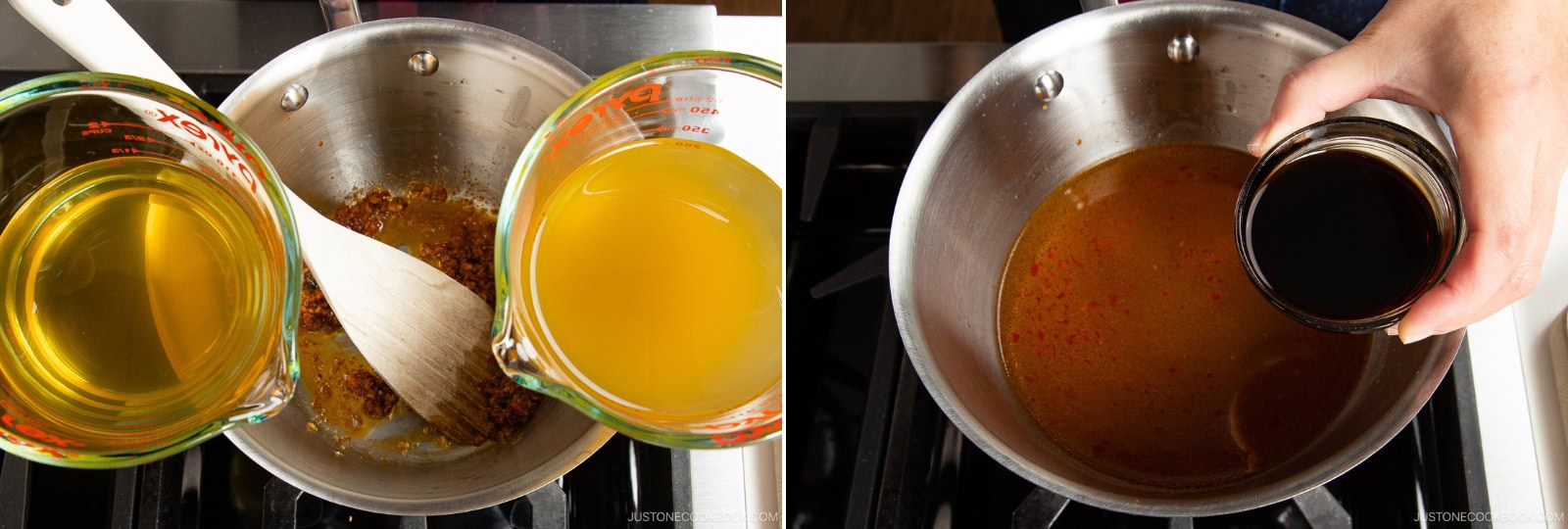
Step 6: Add the 1½ cups chicken stock, 1½ cups prepared dashi, and 2½ Tbsp soy sauce. Bring to a boil, then reduce the heat and simmer for a few minutes.
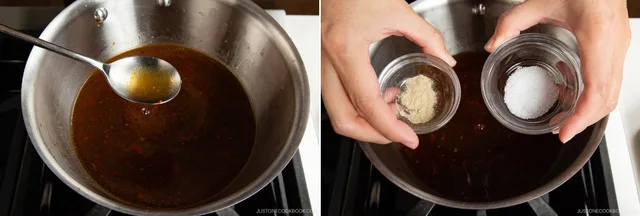
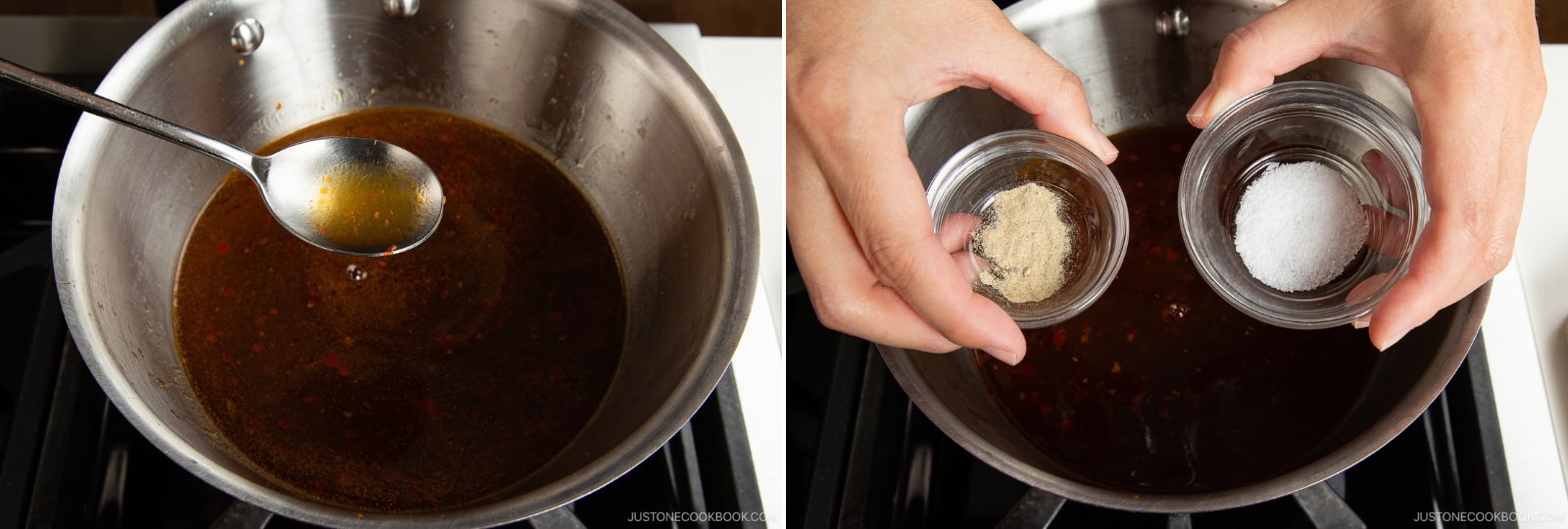
Step 7: Taste and adjust the soup. Add 1 tsp Diamond Crystal kosher salt and ⅛ tsp white pepper powder. Don’t be shy with the salt—the broth will taste less salty once you add the noodles. Cover, reduce the heat to low, and keep the soup at a gentle simmer while you quickly boil the noodles.Nami’s Tip: Have the soup hot and ready before the noodles are done. Ramen should be assembled quickly so everything stays perfectly hot.
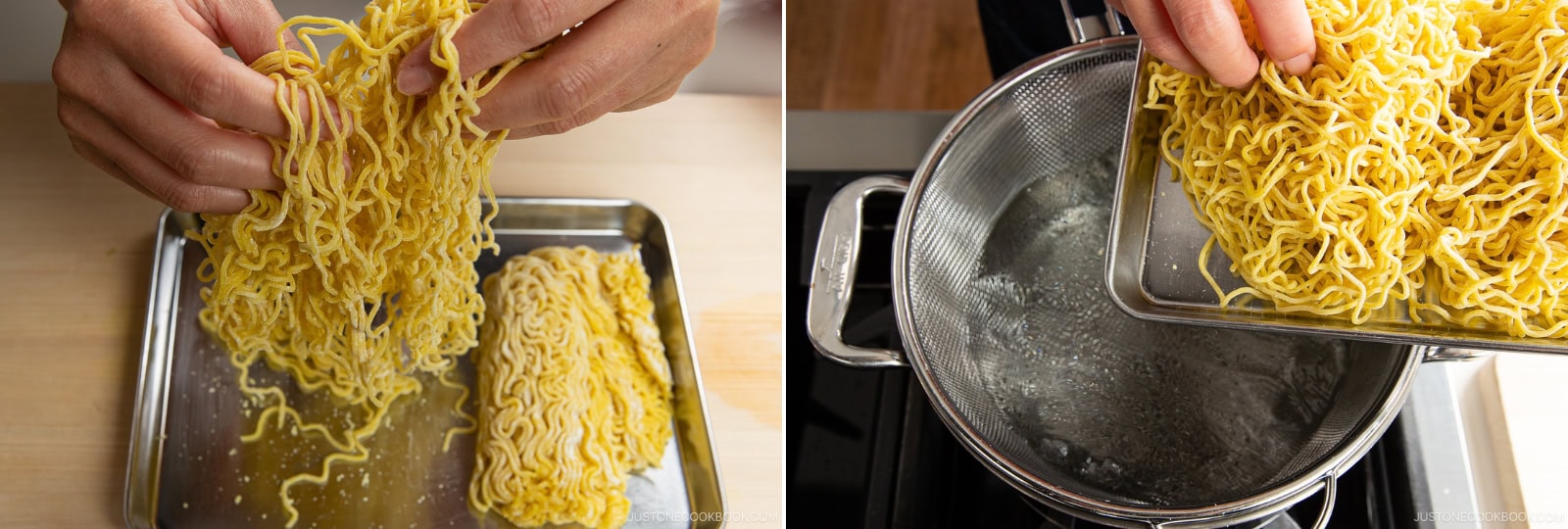
Step 8: Use either 283–340 g fresh ramen noodles or the 180 g dry-noodle alternative. Loosen fresh noodles with your hands before cooking. Add the chosen noodles to the separate boiling water and cook according to their package instructions.
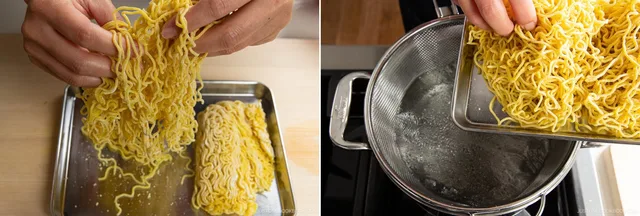
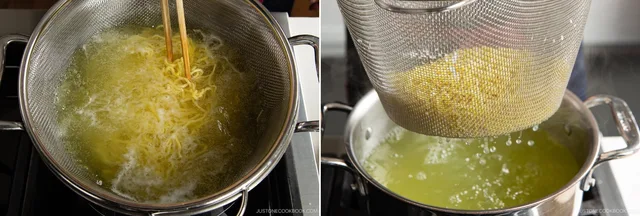
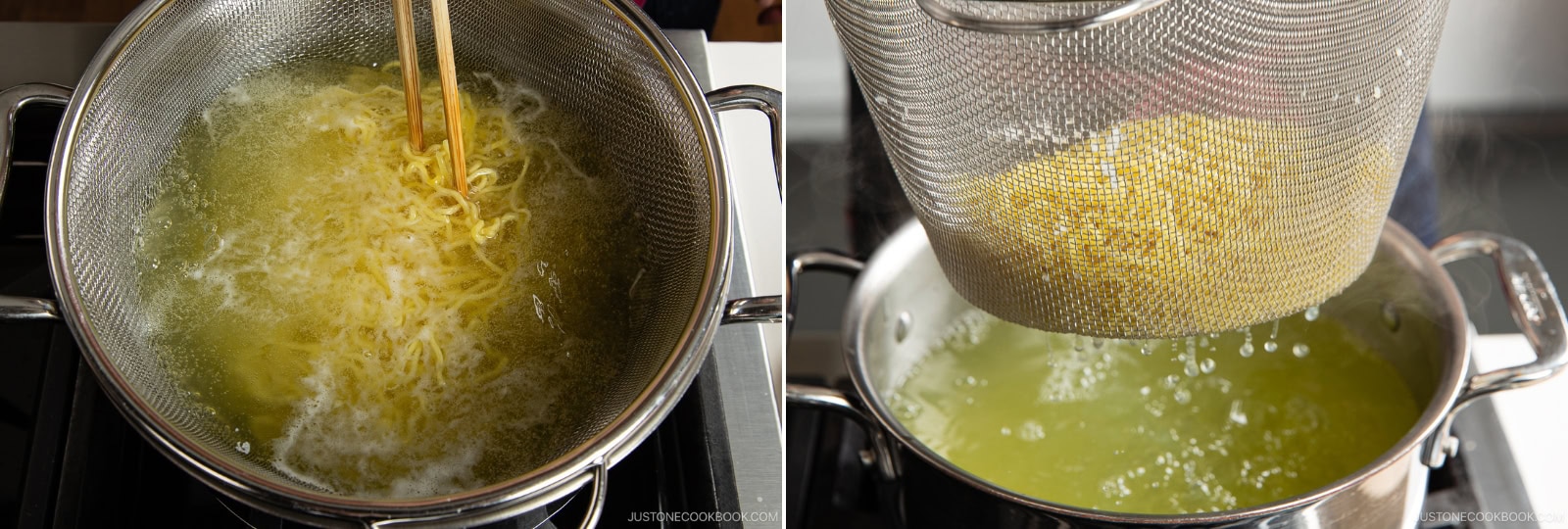
Step 9: While cooking, stir and separate the noodles with chopsticks. When the noodles are done, drain in a strainer, shaking it a few times to drain off the excess water (otherwise it will dilute the soup broth).
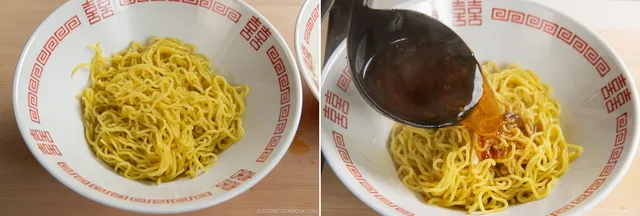
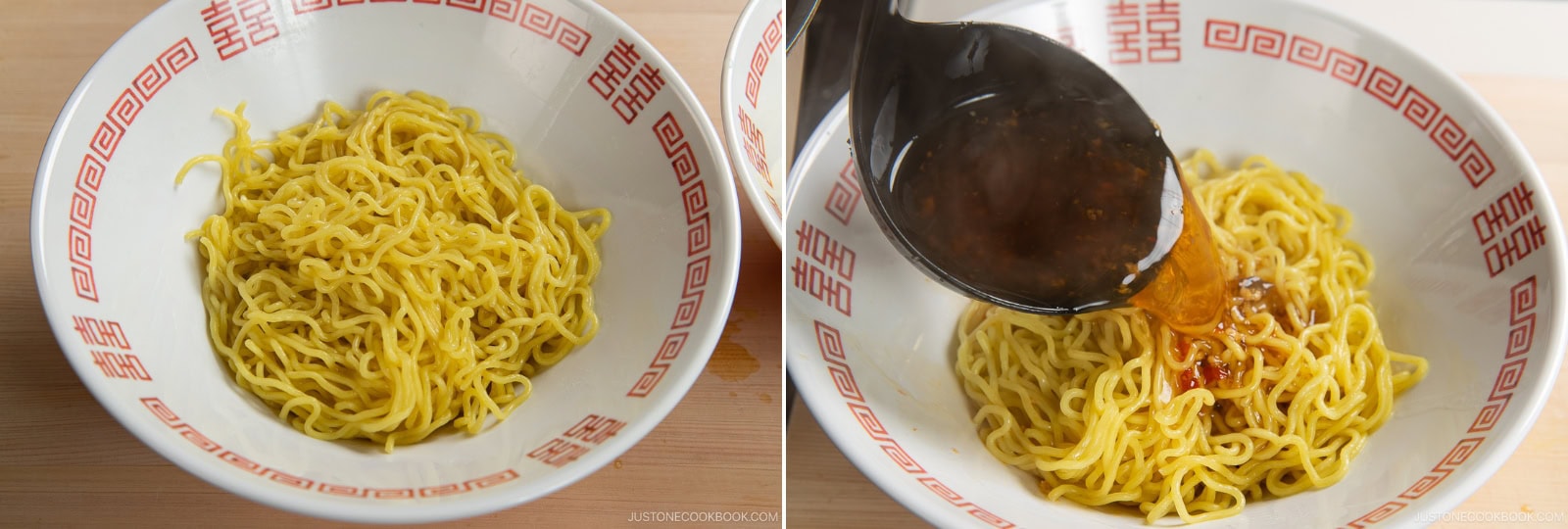
Step 10: Divide the noodles into the individual ramen bowls. Pour about 1½ cups (360 ml) hot soup broth into each bowl.
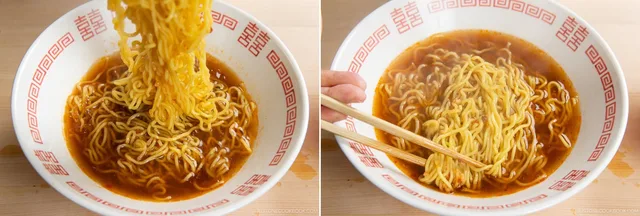
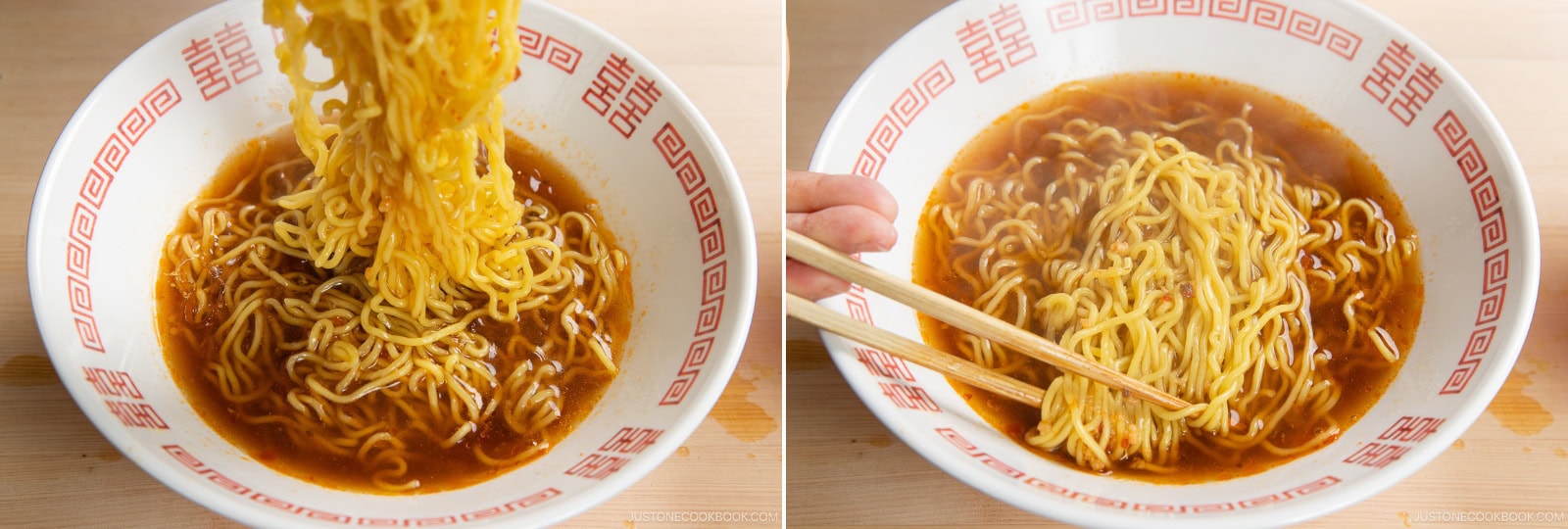
Step 11: Now, arrange the noodles. Lift the soup-soaked noodles high with chopsticks and straighten them. When aligned, fold them from one edge of the bowl over themselves to form a clean, beautiful bundle.
Step 12: Arrange the prepared chashu, halved ramen egg, narutomaki, menma, julienned negi, chopped scallion, and nori over the noodles. Serve immediately, with additional white pepper and optional la-yu to taste.
Photos (1)
Comments
0 threadsSign in to join the discussion.


No comments yet. Start the discussion.