
Japanese · Homemade Ingredients
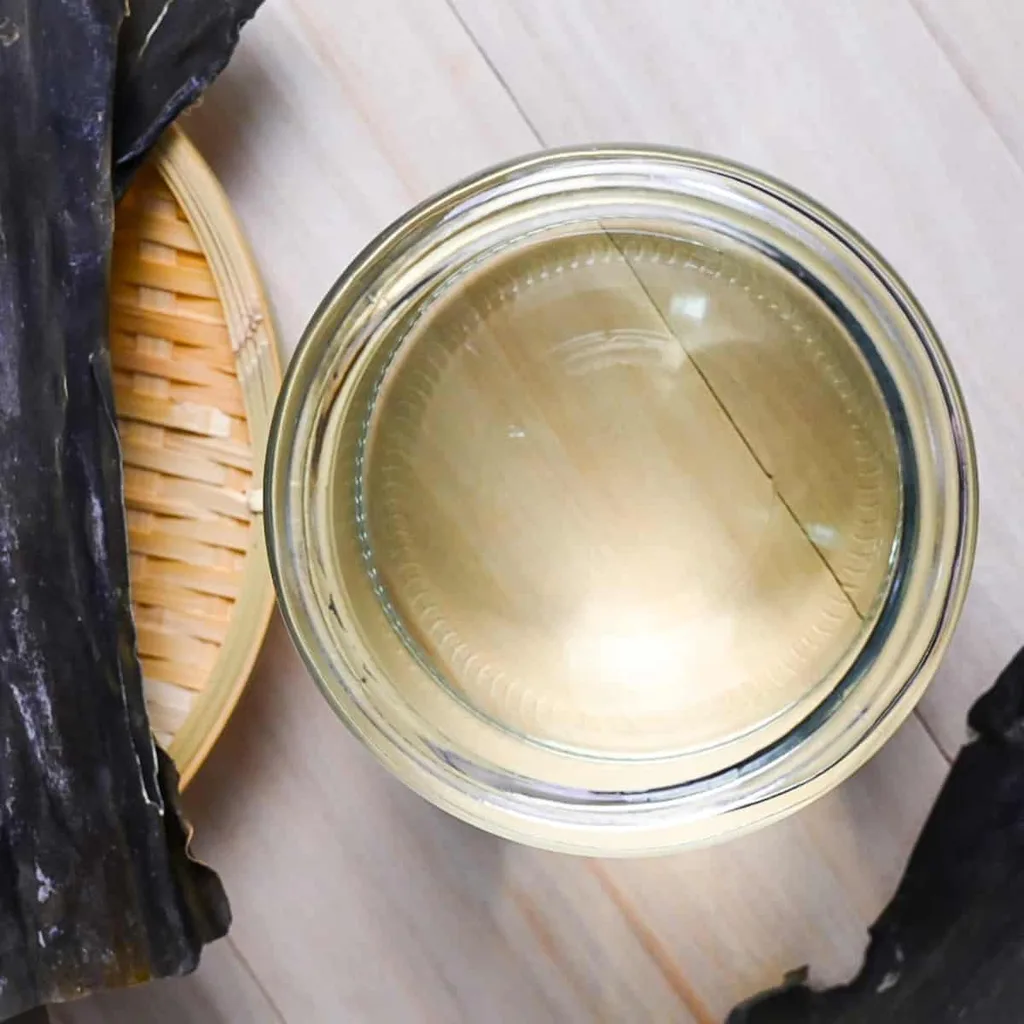
Kombu Dashi (2 Ways to Make Kelp Soup Stock)
From the zcook collection
Two alternative ways to make plain Japanese kombu stock: a cold extraction or a gently heated extraction. Choose one method and its own 10–15 g kombu plus 1 L water; do not combine the two sets of ingredients.
- Vegan
- Gluten-free
- Dairy-free
- Japanese
- Kombu
- Dashi
- Stock
- Serves
- One batch from 1 L water, using either method
- Level
- Easy
- Energy
- 9 kcal
Method9 steps
Step 1: Choose one method for a single batch; do not follow both in sequence. For the cold method, use only its 10–15 g Rausu or Ma-kombu and its 1 L cold water, and follow steps 1–4. Lightly wipe this kombu with an almost-dry damp cloth to remove loose sand or dirt without rubbing away its white powder. For the hot method, skip steps 1–4 and start at step 5.
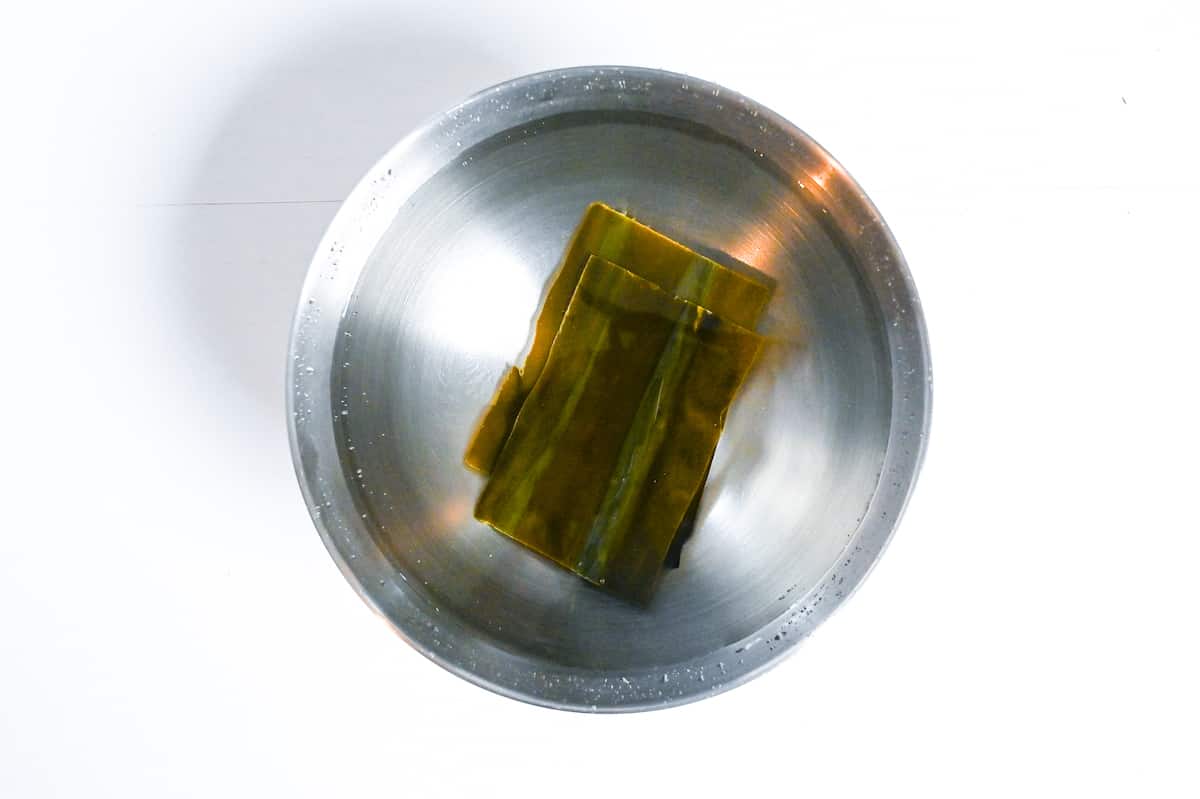
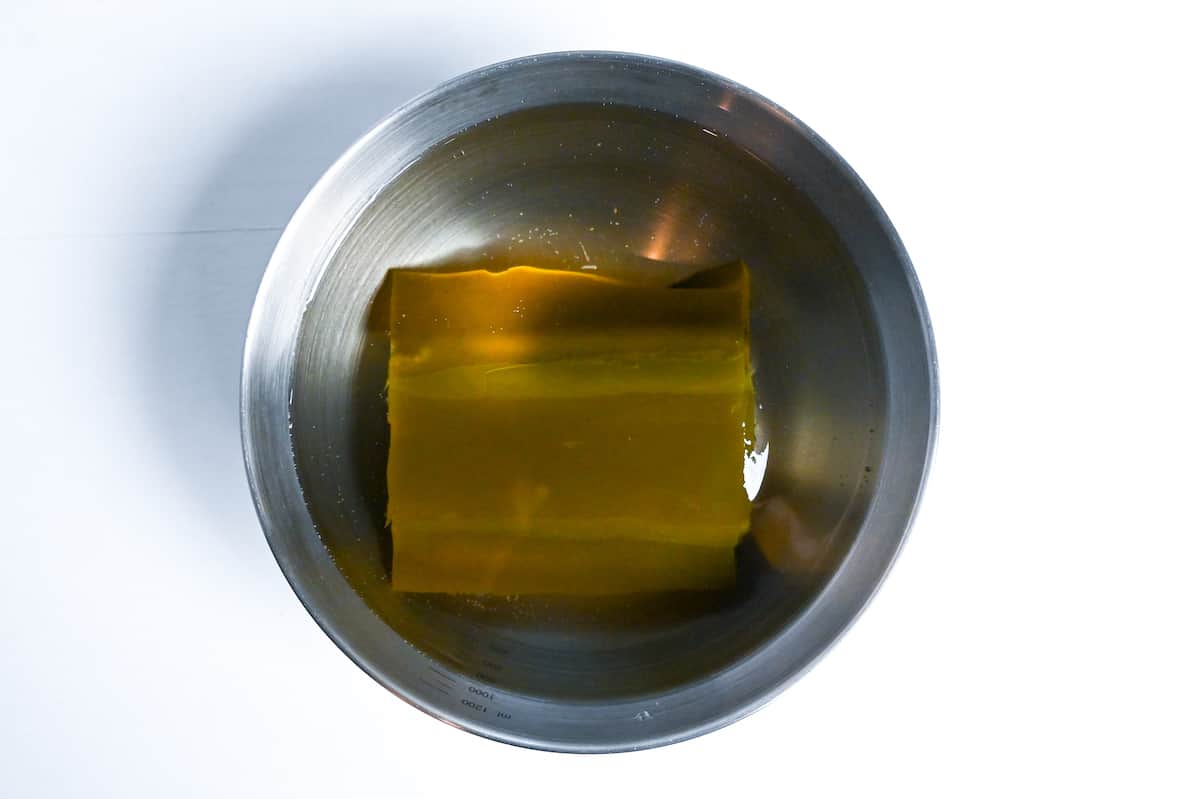
Step 2: Cold method only: put the wiped cold-method kombu into a bowl with its 1 L cold soft water and cover. Soak in the refrigerator at 4°C (40°F) or colder for at least 3 hours, until the water has a light kombu flavor. Check at 3 hours and allow longer in the refrigerator if needed; cold extraction can be slower than the author’s room-temperature route.
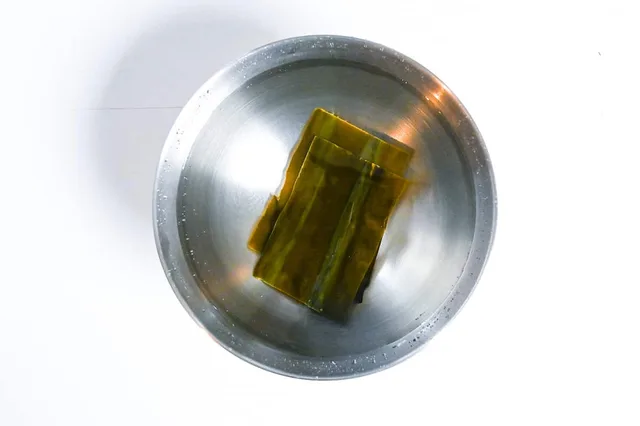
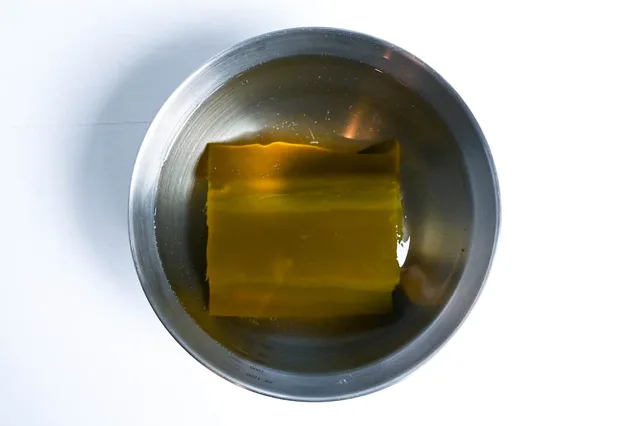
Step 3: Cold method only: remove the kombu from the flavored water. Pour the extracted stock into a clean sealable container or bottle and keep it refrigerated.
Step 4: Cold method only: use the refrigerated stock promptly in recipes calling for kombu dashi. Keep it covered and cold until use. This completes the cold method; skip steps 5–9 rather than adding the hot-method ingredients.
Step 5: Hot method only: use only the separate hot-method 10–15 g kombu and 1 L water; do not add the cold-method stocks. Lightly wipe this kombu with an almost-dry damp cloth, leaving its white powder in place. Rishiri or Hidaka kombu is recommended for this method.
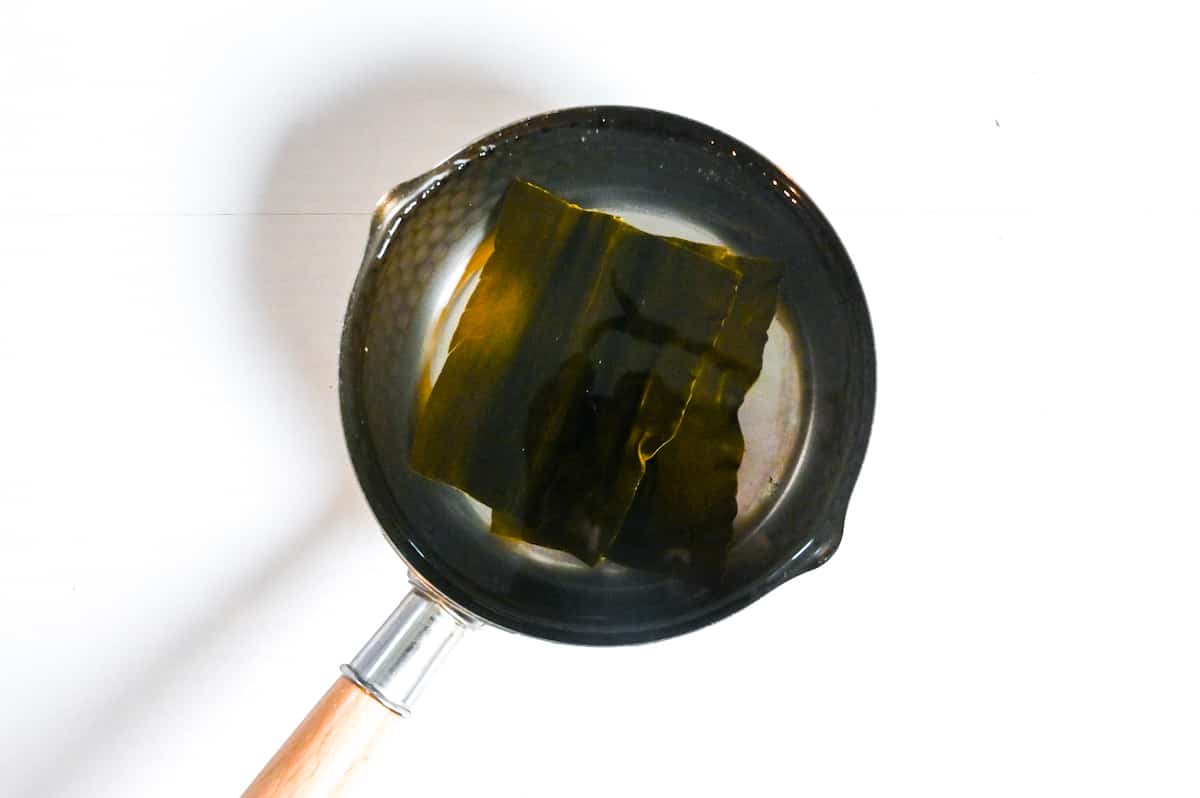
Step 6: Hot method only: place the wiped hot-method kombu in a pot with its 1 L soft water. Cover and leave to rehydrate for 30 minutes.
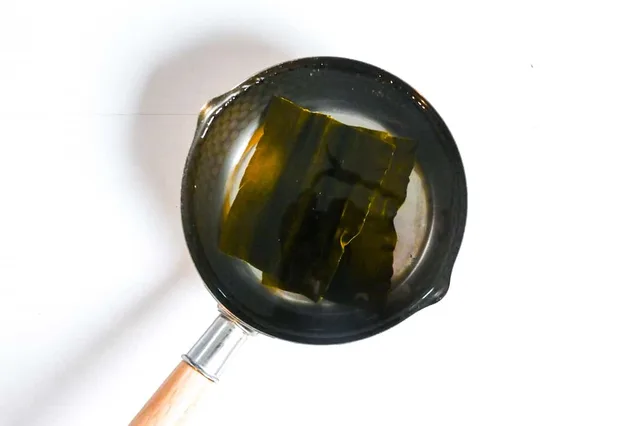
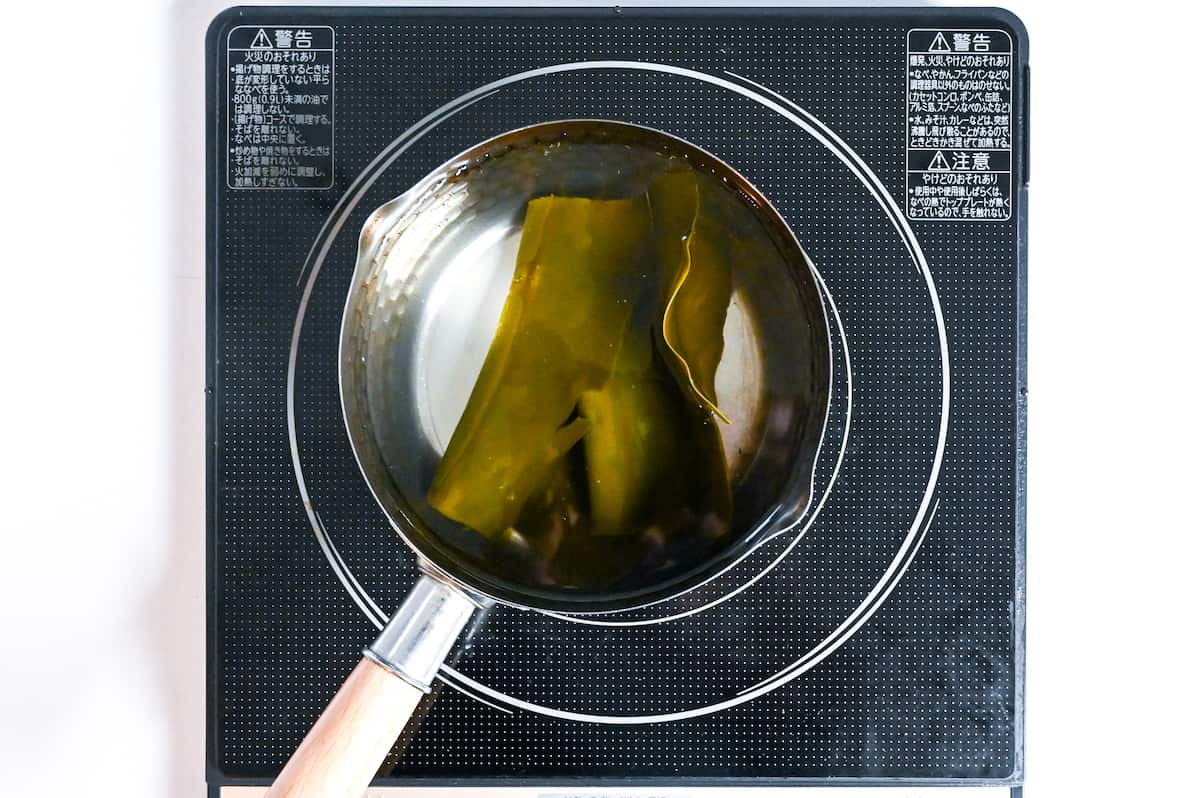
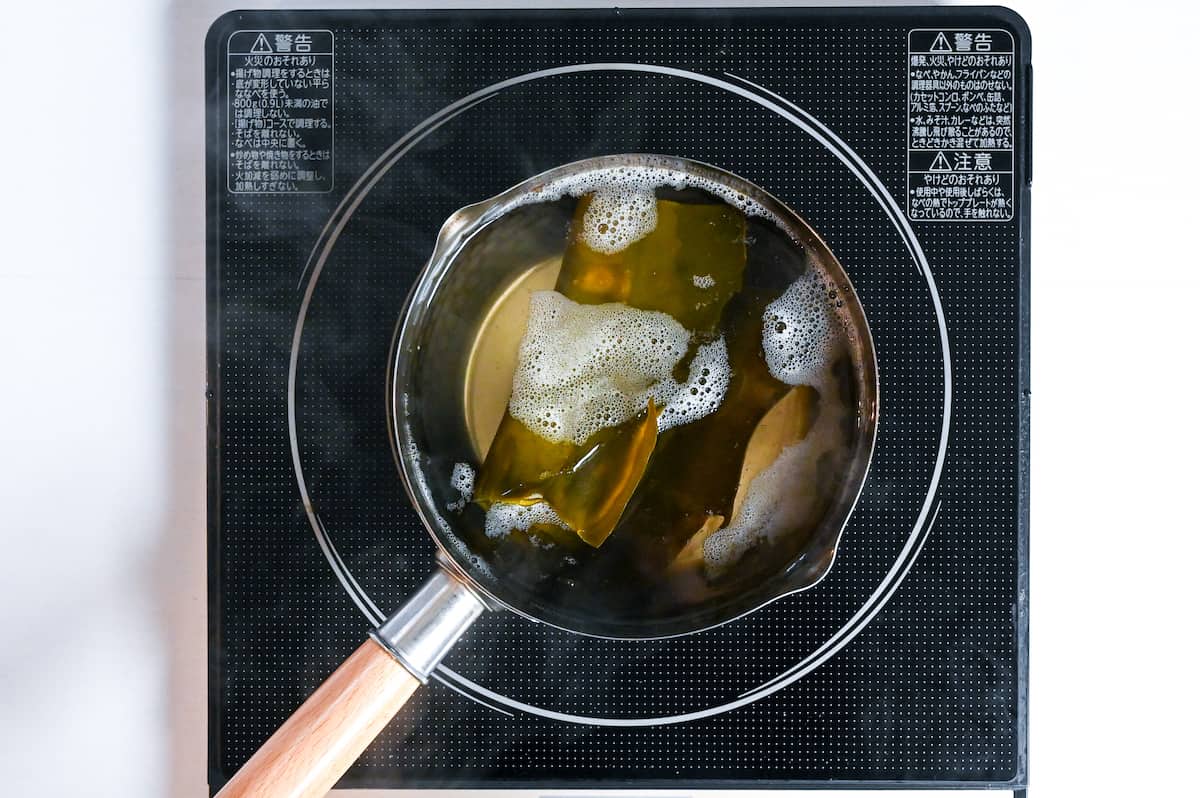
Step 7: Hot method only: put the covered soaked mixture on the stove over low to medium-low heat. Gently bring it to 60°C (140°F), then keep it at that temperature for 1 hour for extraction. Start the hour only when it reaches 60°C. Monitor with a thermometer and adjust the heat throughout; do not let it simmer or boil.
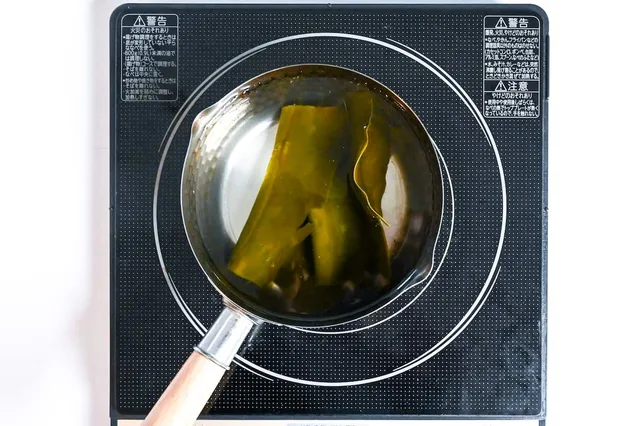
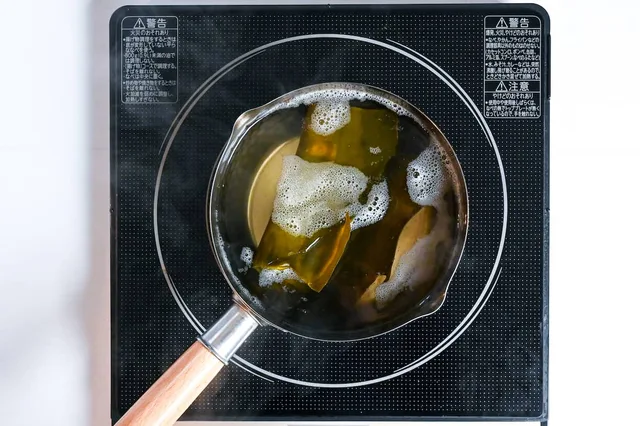
Step 8: Hot method only: after the full hour at 60°C, remove the pot from the heat and remove the kombu. Recover the liquid stock, cool it promptly in clean shallow containers, then cover and refrigerate at 4°C (40°F) or colder.
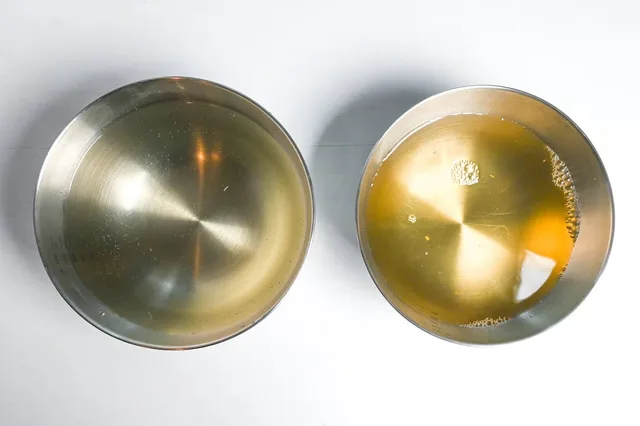
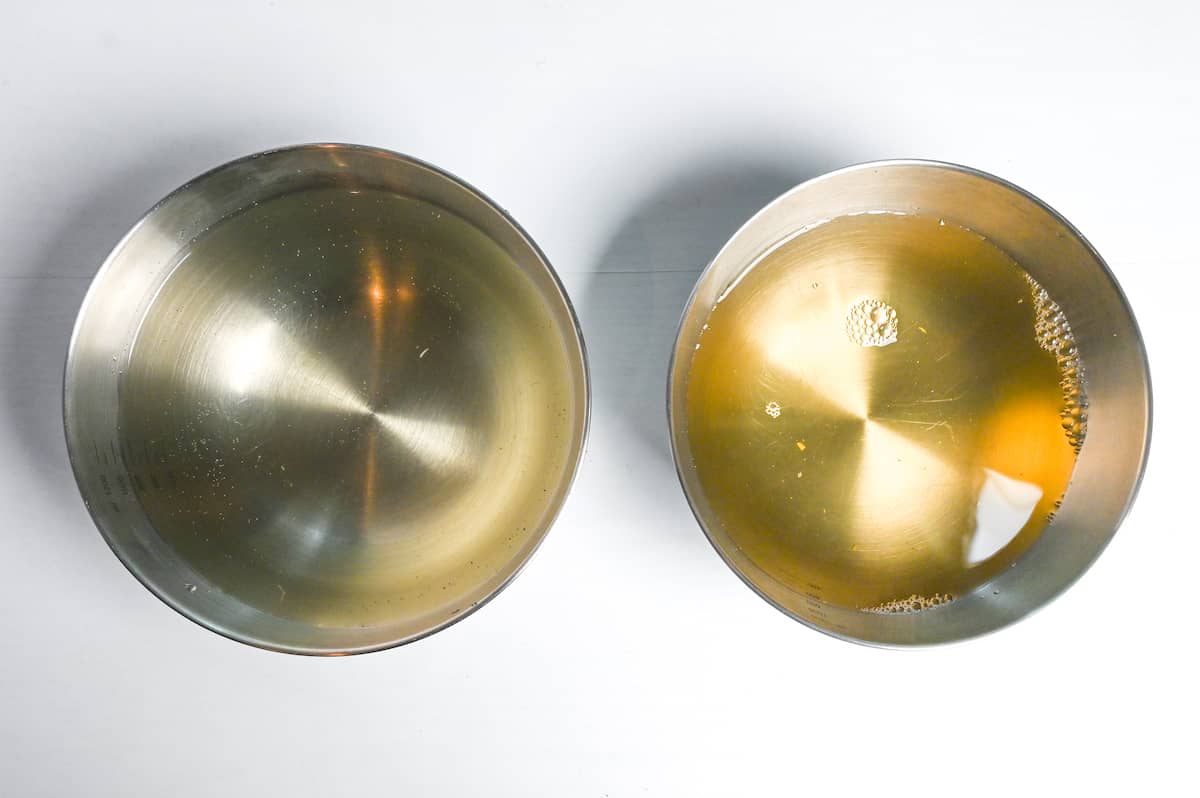
Step 9: Hot method only: use the covered refrigerated stock promptly in recipes calling for kombu dashi. The two methods make alternative batches: the cold stock is lighter and more delicate, while the gently heated stock has a deeper color and flavor.
Photos (1)
Comments
0 threadsSign in to join the discussion.
No comments yet. Start the discussion.