
Japanese · stock
Awase Dashi 合わせだし
From the zcook collection
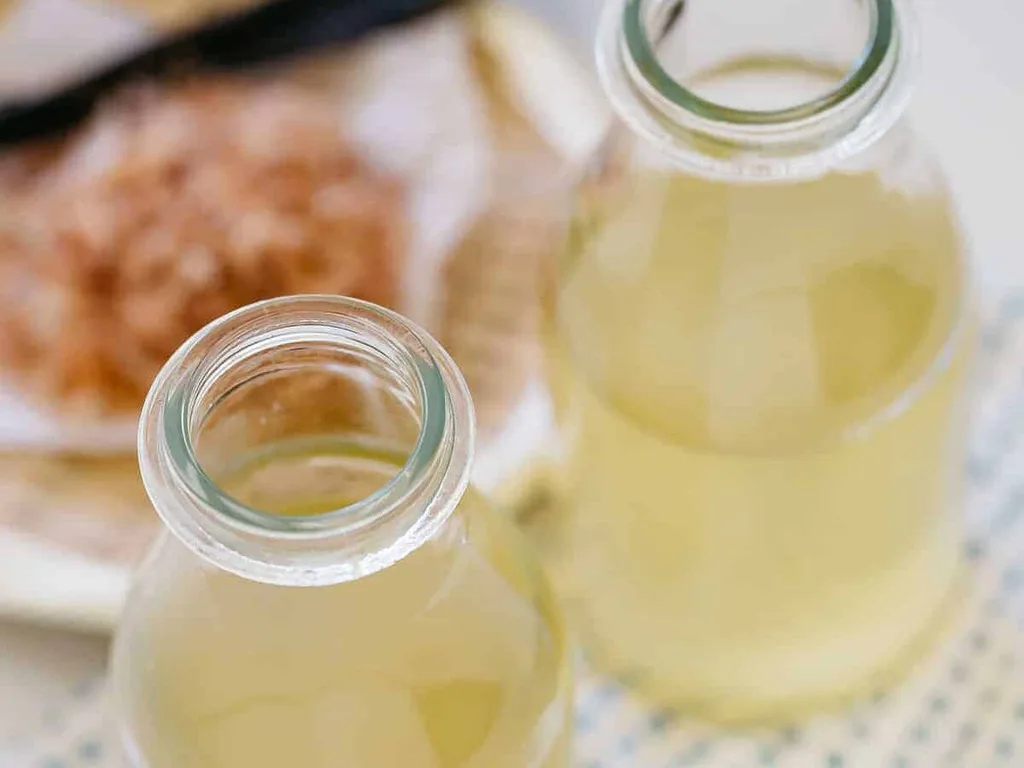
Three alternative Japanese dashi stocks: kombu-bonito, anchovy-bonito, or kombu-shiitake, with an optional second extraction from kombu-bonito solids.
- Dairy-free
- Japanese
- stock
- Prep
- 20 min
- Cook
- 5 min
- Serves
- About 1 litre per selected stock batch; optional second extraction makes another batch
- Level
- Easy
- Energy
- 56 kcal
Method26 steps
Step 1: For kombu-bonito dashi, wipe the fifteen grams kombu with a well-wrung damp cloth, combine with its one litre water and refrigerate overnight. For the source’s quicker version, steep twenty minutes instead. Choose the anchovy-bonito or kombu-shiitake method below as an alternative stock.
Step 2: Transfer the kelp and water into a saucepan.
Step 3: Heat over medium heat until tiny bubbles form around the kombu, about 60°C (140°F). Remove and reserve the kombu for an optional second extraction; keep the liquid in the pan.
Step 4: Heat the kombu liquid further to about 85°C (185°F), without boiling. Turn off the heat and add only the fifteen grams first-stock bonito flakes.
Step 5: Wait for a few minutes or for the bonito flakes sink to the bottom of the saucepan.
Step 6: Strain into a large bowl through a paper-lined sieve. Reserve the strained bonito flakes if making the optional second extraction.
Step 7: Squeeze the dashi stock gently through the kitchen paper towel.
Step 8: Use the finished first stock for cooking or cool promptly and refrigerate. The next phase is an optional second extraction from its reserved solids.
Step 9: For an optional second extraction, combine the reserved kombu and strained bonito flakes from the first stock with a separate one litre fresh water in a saucepan.
Step 10: Heat it over medium heat.
Step 11: Before it boils, at about 85°C (185°F), turn off the heat and add the separately listed one cup extra bonito flakes.
Step 12: Wait until the bonito flakes sink. Strain through a paper-lined sieve, gently press the retained solids, and use the separate finished second stock for cooking or cool promptly and refrigerate.
Step 13: For the alternative anchovy-bonito stock, remove heads and entrails from the fifteen grams dried anchovies.
Step 14: Place the prepared dried anchovies in a small saucepan over low-medium heat to dry roast them for a few minutes without using any oil.
Step 15: Put the dry-roasted anchovies in a container with their separate one litre cold water.
Step 16: Refrigerate overnight to steep, or use the source’s twenty-minute shortcut.
Step 17: Place the steeped anchovies and water in a saucepan over medium heat and bring it to the boil.
Step 18: When the stock boils, turn the heat down to low and simmer it for 3-5 minutes.
Step 19: Remove any scum off the surface as often as it necessary.
Step 20: Turn off the heat, let the liquid settle to about 85°C (185°F), and add only the fifteen grams bonito flakes listed for this alternative. Wait until the flakes sink.
Step 21: Line a sieve with a kitchen paper towel over a large bowl and strain the anchovy-bonito stock through it.
Step 22: Use this alternative stock for cooking or cool promptly and refrigerate.
Step 23: For the alternative kombu-shiitake stock, wipe its fifteen grams dried kombu and five dried shiitake with a well-wrung damp cloth.
Step 24: Put this kombu and shiitake in a container with their separate one litre cold water.
Step 25: Let it stand overnight in fridge.
Step 26: The next morning, strain out the kombu and shiitake. Use the finished cold-extracted stock for cooking or keep refrigerated.
Photos (1)
Comments
0 threadsSign in to join the discussion.
No comments yet. Start the discussion.