
Japanese · Dinner
Kushiage (Japanese Deep-Fried Skewers)
From the zcook collection
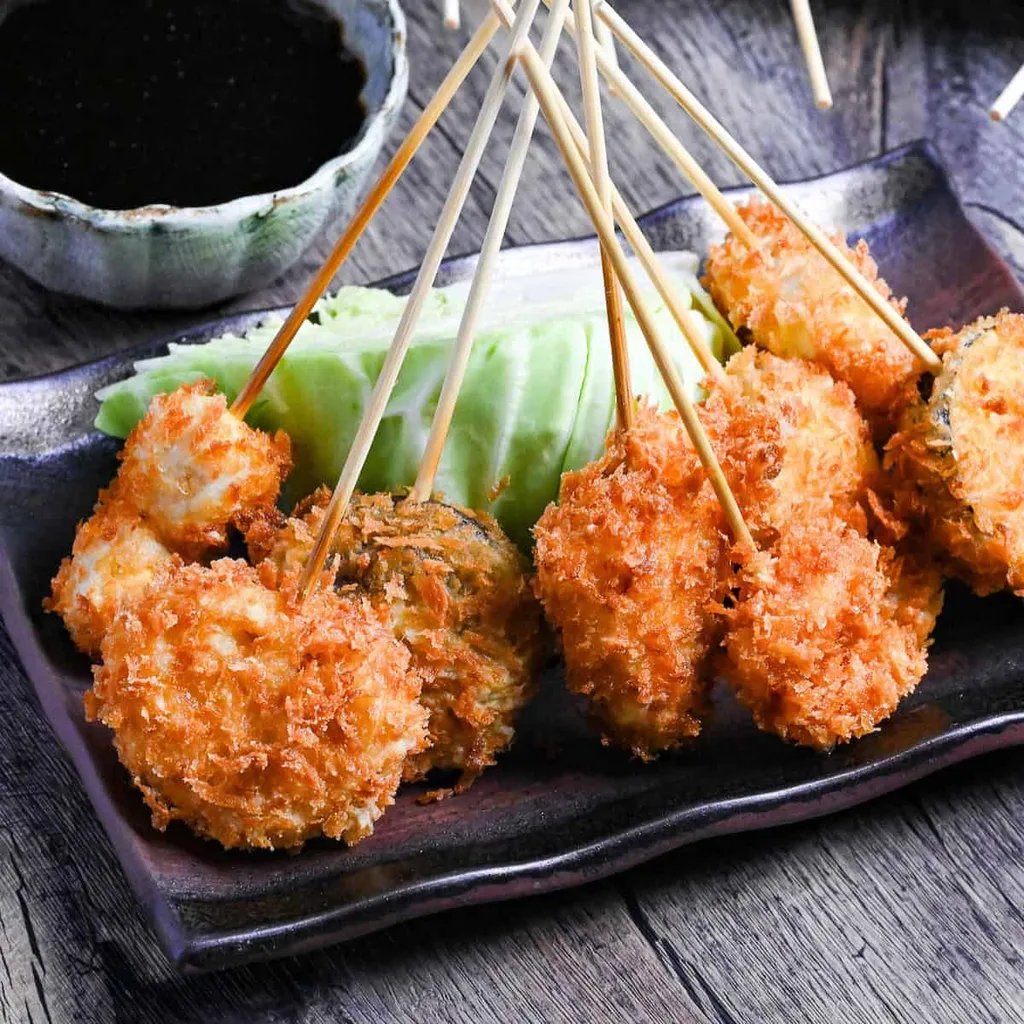
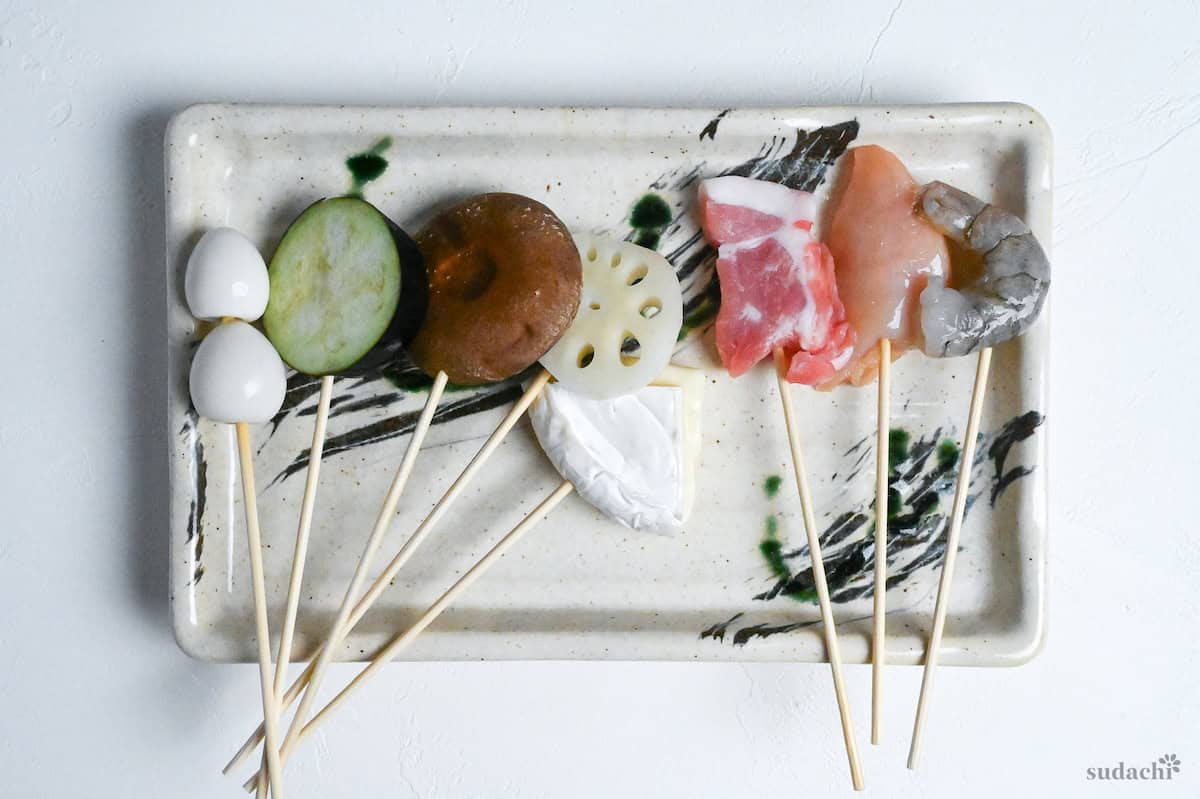
An assortment of lotus root, eggplant, boiled quail eggs, shiitake, shrimp, Camembert, pork and chicken skewers, breaded and deep-fried in small ingredient-specific batches with a tangy dipping sauce.
- Japanese
- Kushiage
- Deep-fried Skewers
- Panko
- Osaka
- Prep
- 20 min
- Cook
- 20 min
- Serves
- 4 portions of assorted skewers; finished skewer count varies
- Level
- Hard
- Energy
- 866 kcal
Method8 steps
Step 1: Set out the source supply of 32 bamboo skewers as equipment, using only as many as needed. Wash and dry the vegetables, keeping four lotus-root slices, eight eggplant slices and four stemmed shiitake mushrooms separate. Have the eight peeled, boiled quail eggs (8) and four Camembert pieces ready. Prepare the eight peeled, deveined raw shrimp (8), four bite-sized pork pieces and four bite-sized chicken pieces separately with clean utensils. Thread each kind onto its own skewers; small eggs or shrimp may share a skewer, provided everything fits below the frying-oil surface. Keep raw meat and seafood skewers separate from ready foods and vegetables, and refrigerated until their turn to coat and fry.

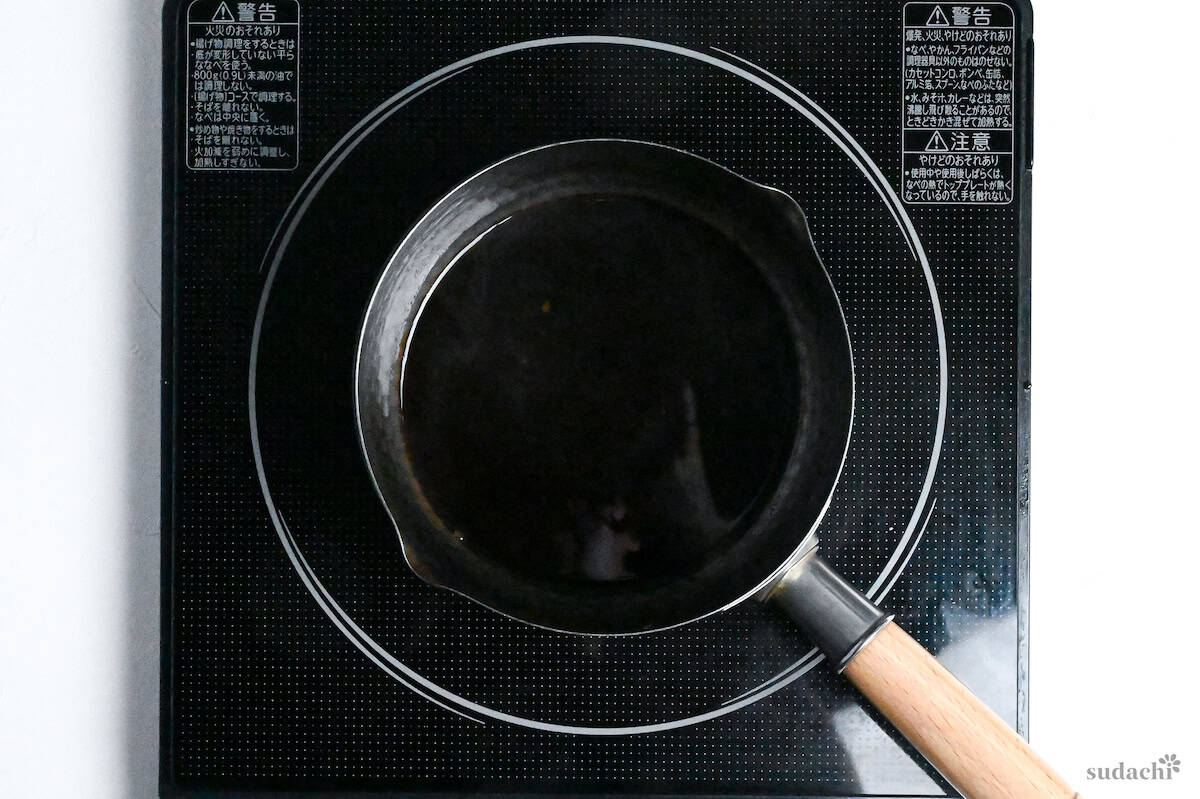
Step 2: Mix all 80 ml Worcestershire sauce, 60 ml ready liquid dashi, 1 tbsp sugar, 1 tbsp mirin, 1 tbsp red wine and 1 tsp ketchup in a small saucepan. Bring to a boil over medium heat, then lower the heat and simmer for 1 minute, stirring. Remove from the heat and set the sauce aside for serving.
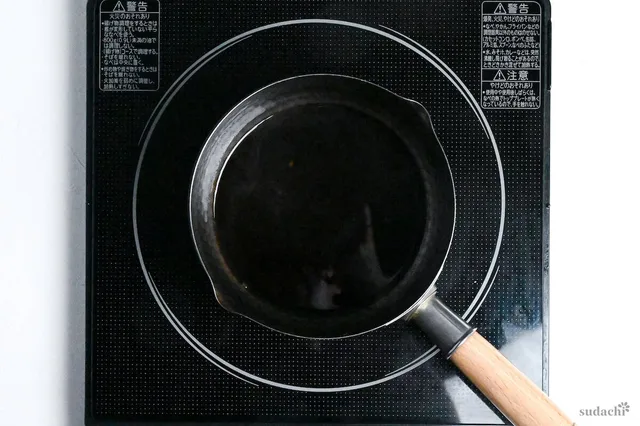
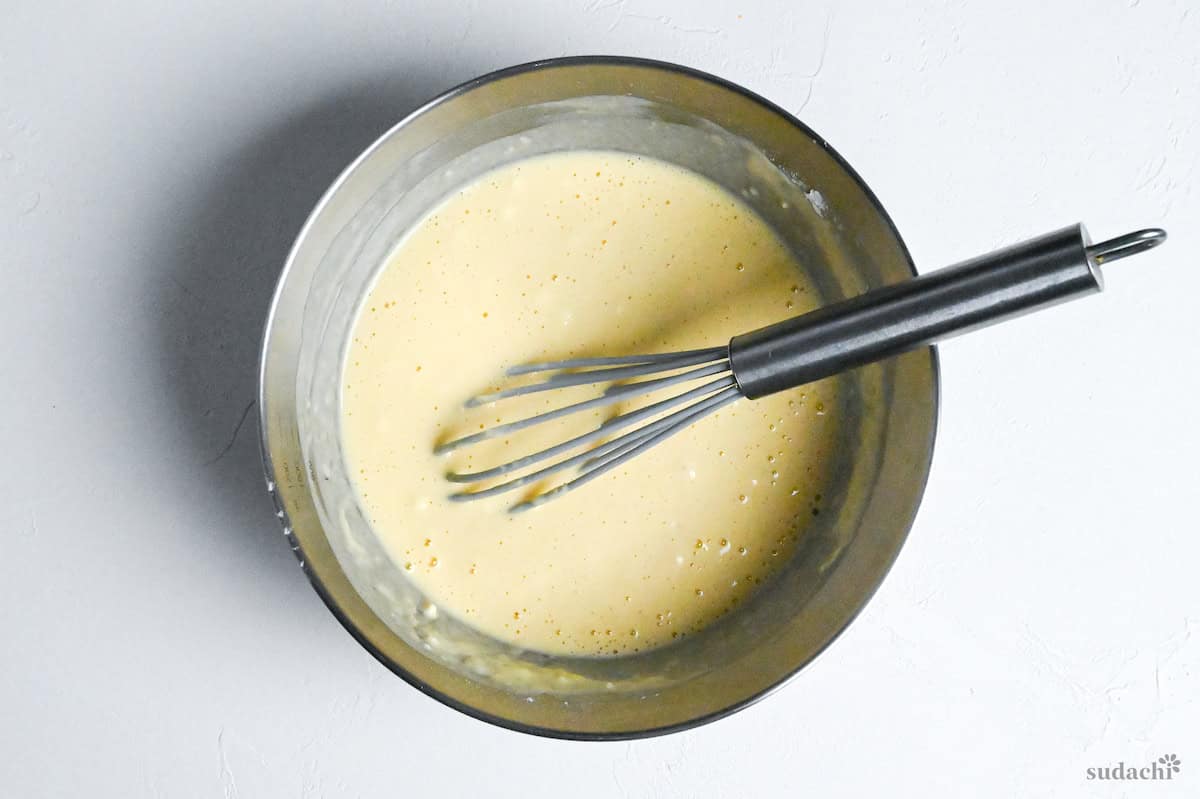
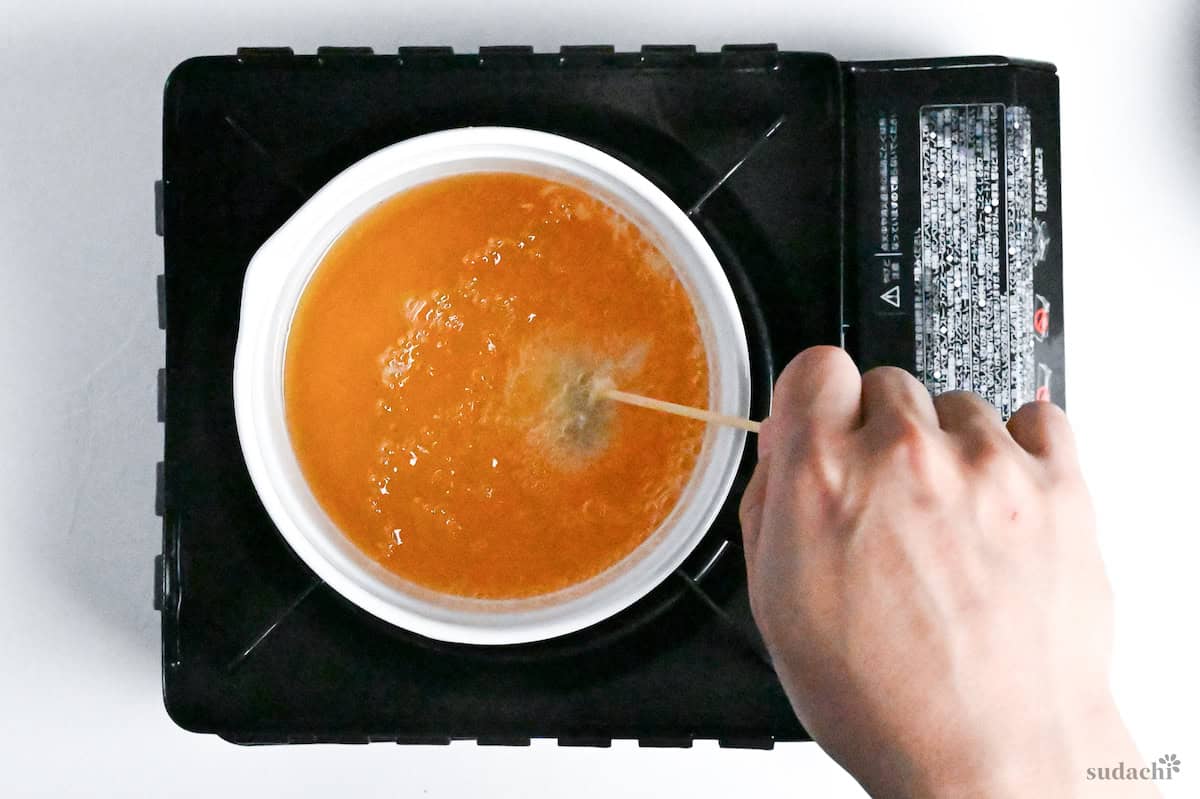
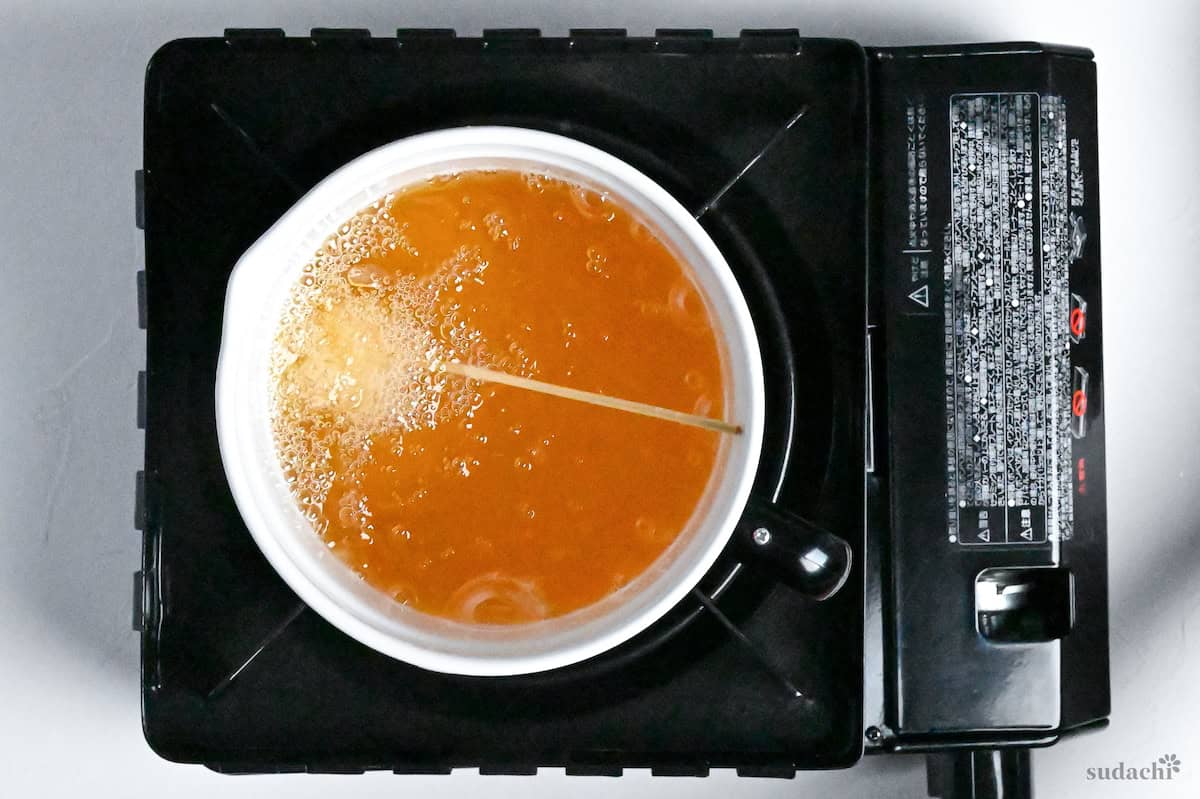
Step 3: Heat enough cooking oil in a suitable deep pot or fryer to submerge the food portions of a small batch of skewers, aiming for 170–180°C (338–356°F). Watch the oil and check its temperature. Whisk all 150 g batter flour, 250 ml cold water and the egg (1) in a large bowl until smooth. Put the 150 g panko on a separate coating plate.

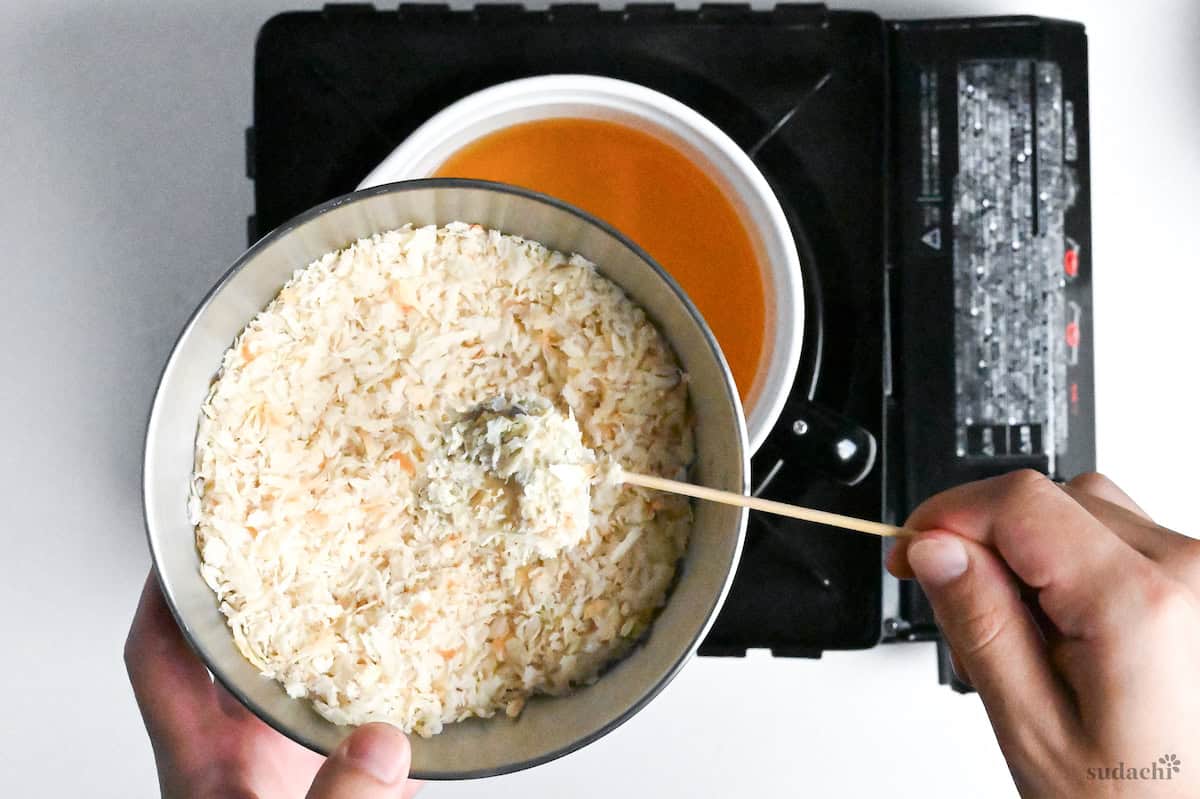
Step 4: When the oil is at 170–180°C, coat a small batch of one ingredient type from the prepared skewers. If it is slippery, dust lightly with the separate extra flour first. Dip each skewer into the prepared batter and then roll it thoroughly in the prepared panko, pressing the crumbs to adhere. Keep the remaining skewers refrigerated and the unused coating supplies for later batches.

Step 5: Carefully lower the coated batch into the hot oil without crowding it. Maintain 170–180°C and fry for about 3 minutes, checking from 3 minutes for a crisp golden coating and a fully cooked center. Continue if needed: chicken must reach at least 74°C; pork must reach at least 63°C and rest for at least 3 minutes after lifting; shrimp must be pearly white and opaque. Vegetables should be tender, cooked eggs hot through and the cheese softened without leaking excessively. Actual thickness and ingredient type determine the finish, not coating color alone.
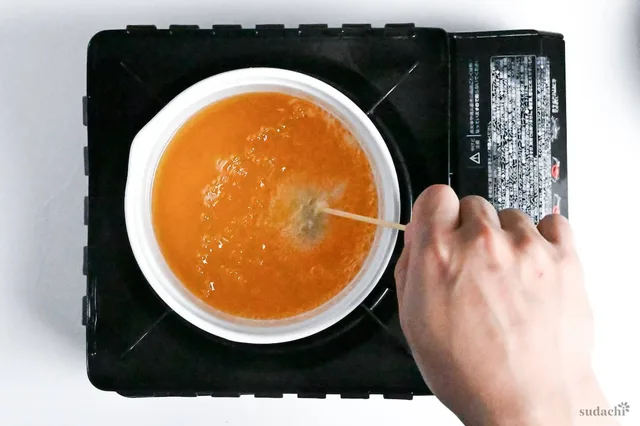
Step 6: Keep watching the current batch until its ingredient-specific doneness check is met. Work in small batches of one kind at a time so different ingredients can finish properly. For each later batch, let the oil recover to 170–180°C and repeat the coating, frying and draining steps with the remaining skewers and coating supplies. Do not serve a raw-centered meat or shrimp skewer because its outside has browned.

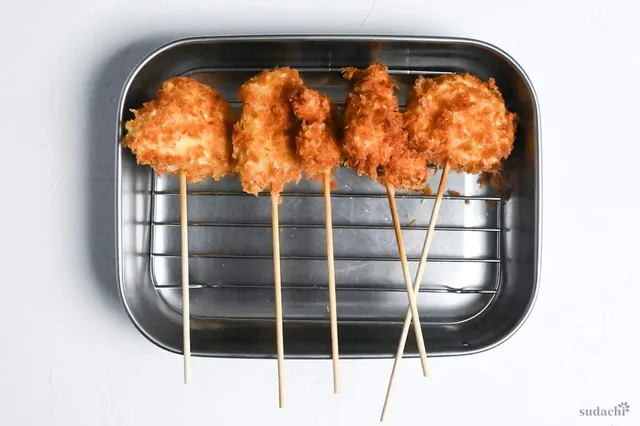
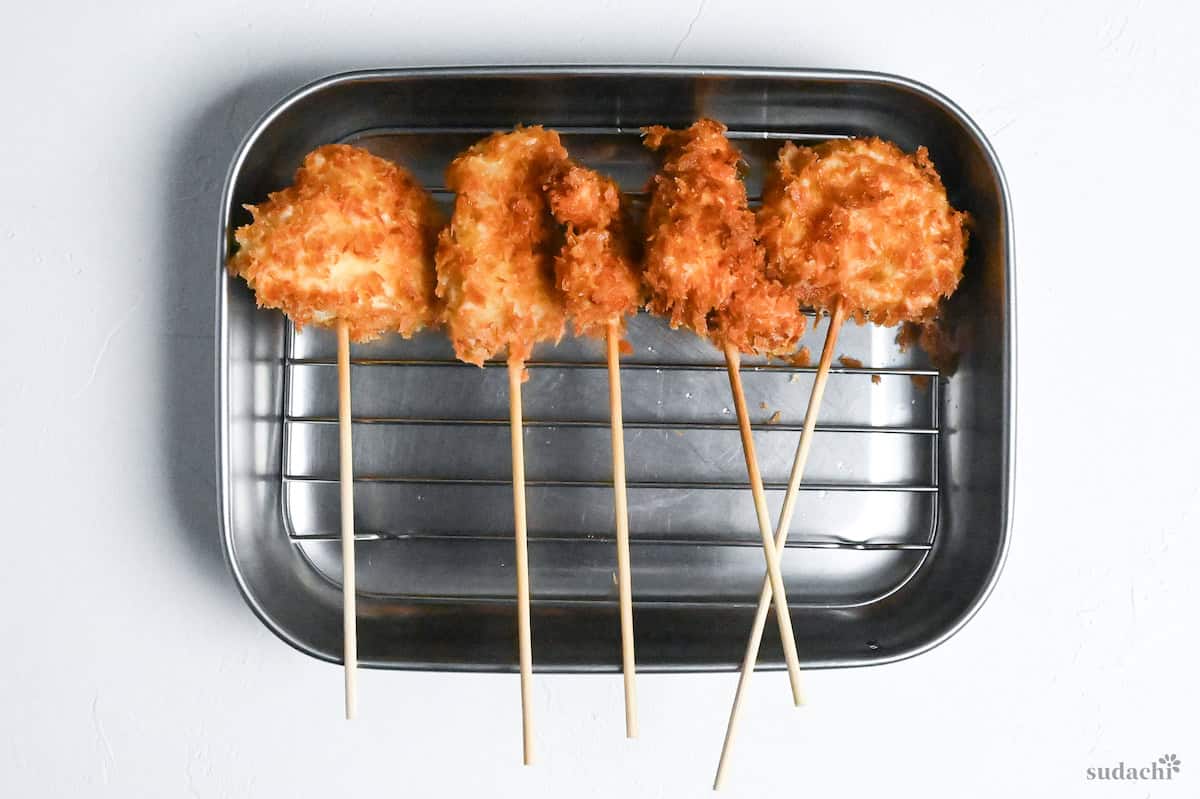
Step 7: Lift the fully cooked skewers from the oil with a slotted spoon or spider and place them on a wire rack to drain. Keep the oil in the fryer for any remaining batches. Rest each cooked pork batch off the heat for at least 3 minutes before it is eaten; the other cooked skewers can be served promptly.
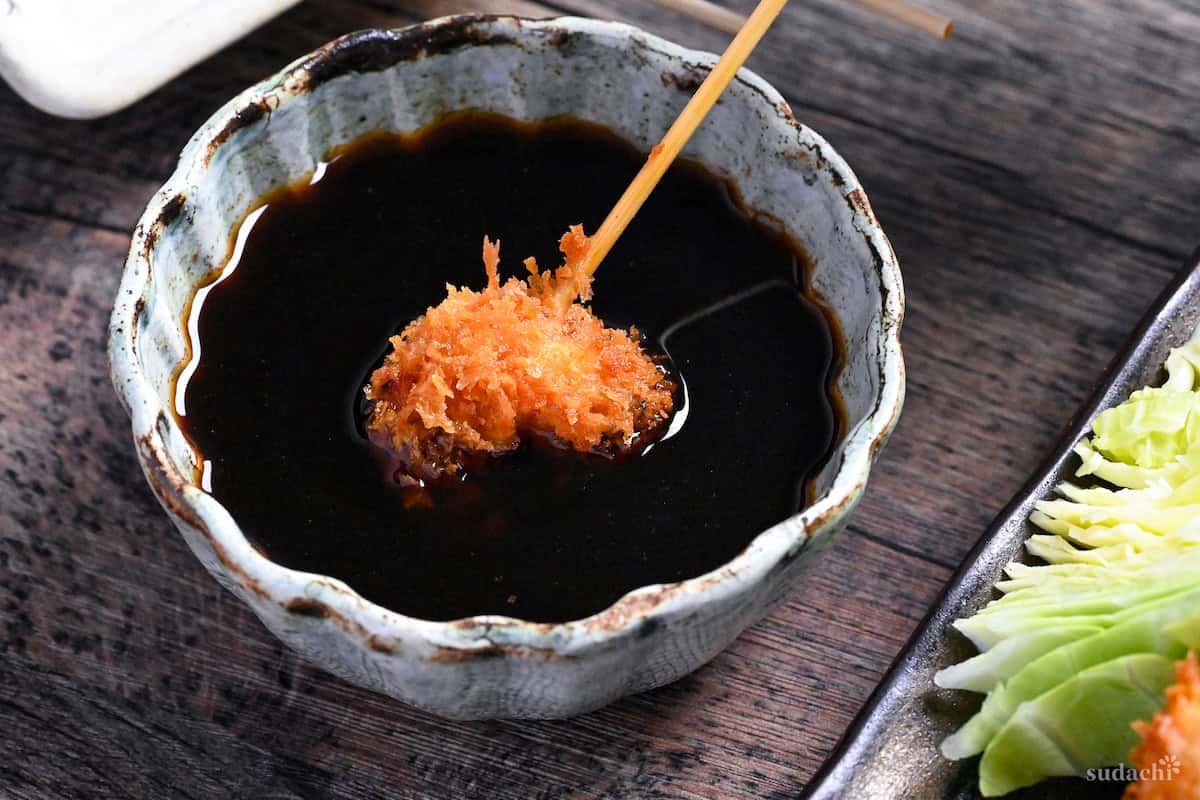
Step 8: Serve the hot, drained skewers with the prepared dipping sauce, dividing the assortment among four portions. Pour sauce into individual dipping bowls and add only the amount desired. Keep unused batter and crumbs that contacted raw foods out of the serving sauce; discard them after cooking. The source32-skewer supply is equipment, not a promise of32 finished skewers.

Photos (1)
Comments
0 threadsSign in to join the discussion.


No comments yet. Start the discussion.