
Japanese · Dessert
Homemade Koshian (Smooth Sweet Red Bean Paste)
From the zcook collection
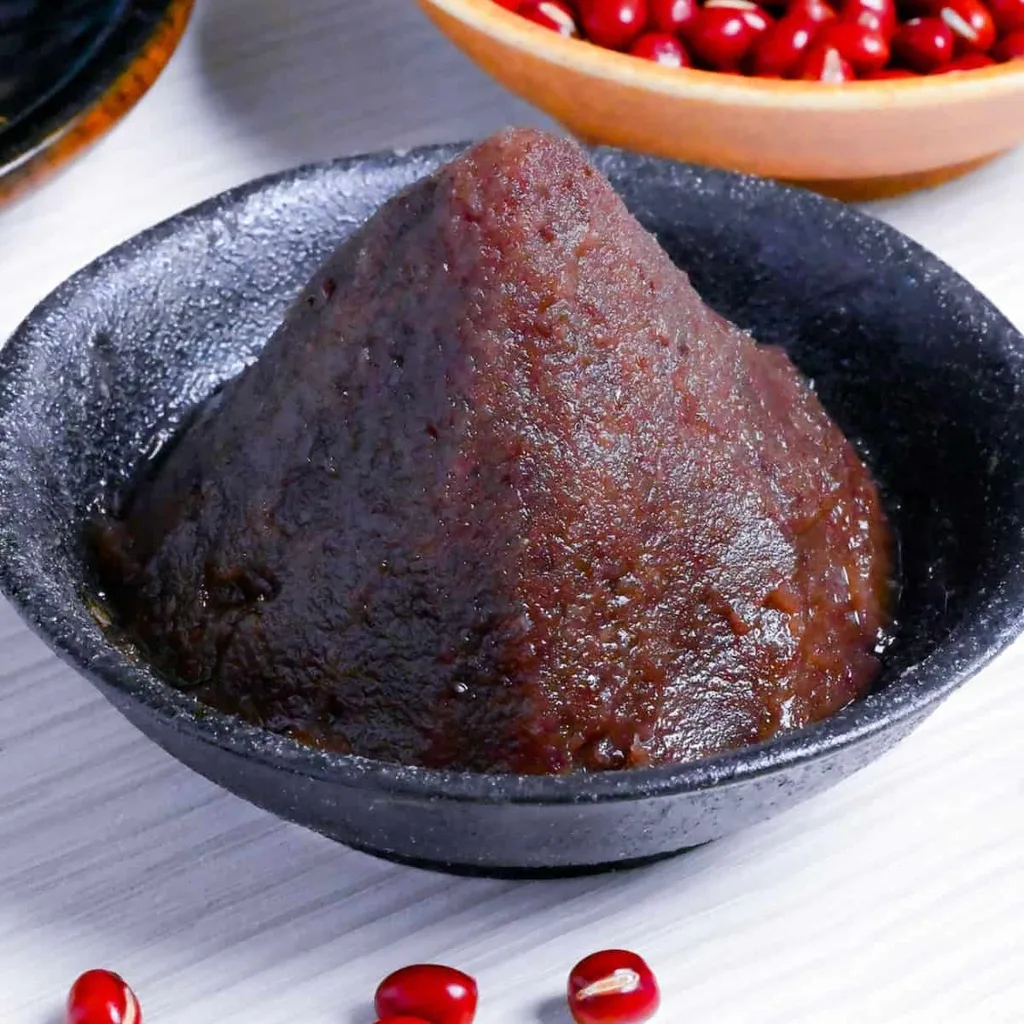
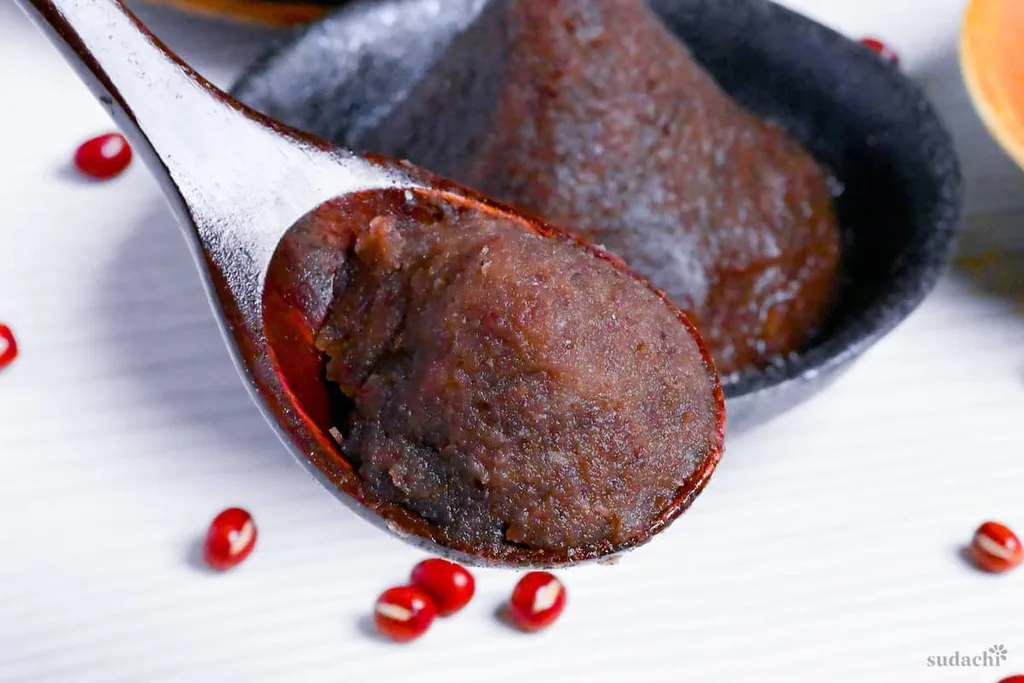
Smooth sweet adzuki-bean paste made by cooking the beans until soft, removing the skins, washing and settling the pulp, then cooking it with sugar. This prepared filling is ready for a separate Japanese dessert recipe.
- Vegan
- Gluten-free
- Dairy-free
- Japanese
- Koshian
- Adzuki Beans
- Prepared Filling
- Prep
- 20 min
- Cook
- 1 hr 25 min
- Serves
- 1 batch of koshian; author reference of 12 filling portions
- Level
- Hard
- Energy
- 113 kcal
Method19 steps
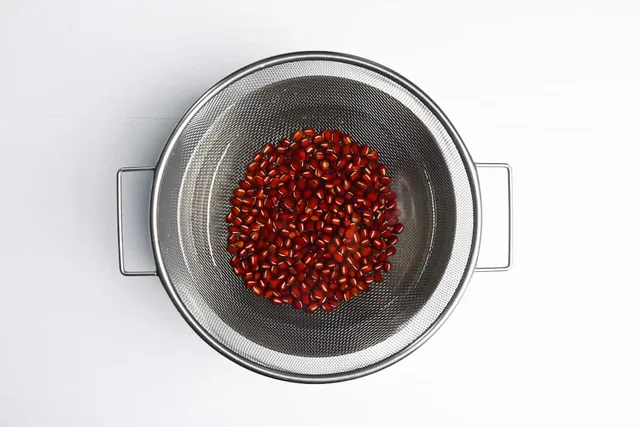
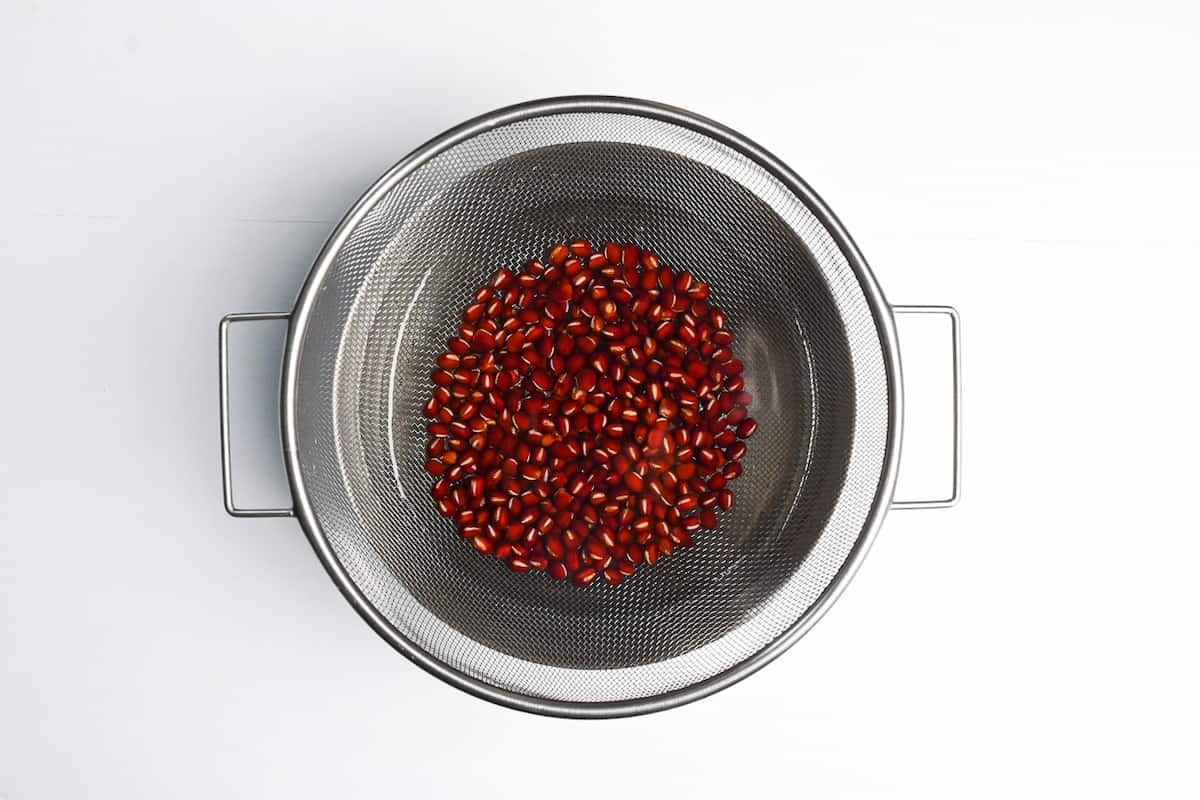
Step 1: Wash the 200 g dry adzuki beans in clean water, swilling and draining them two or three times.
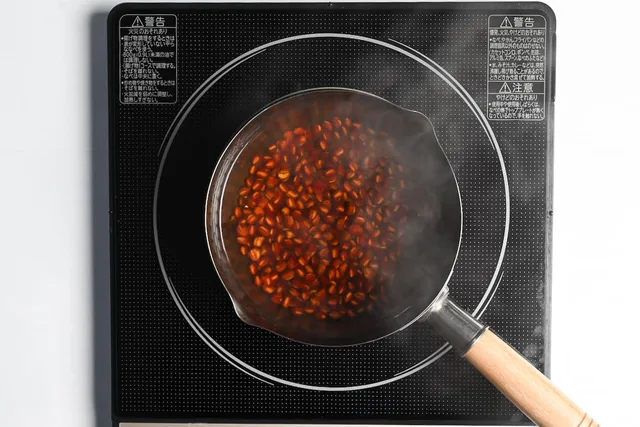
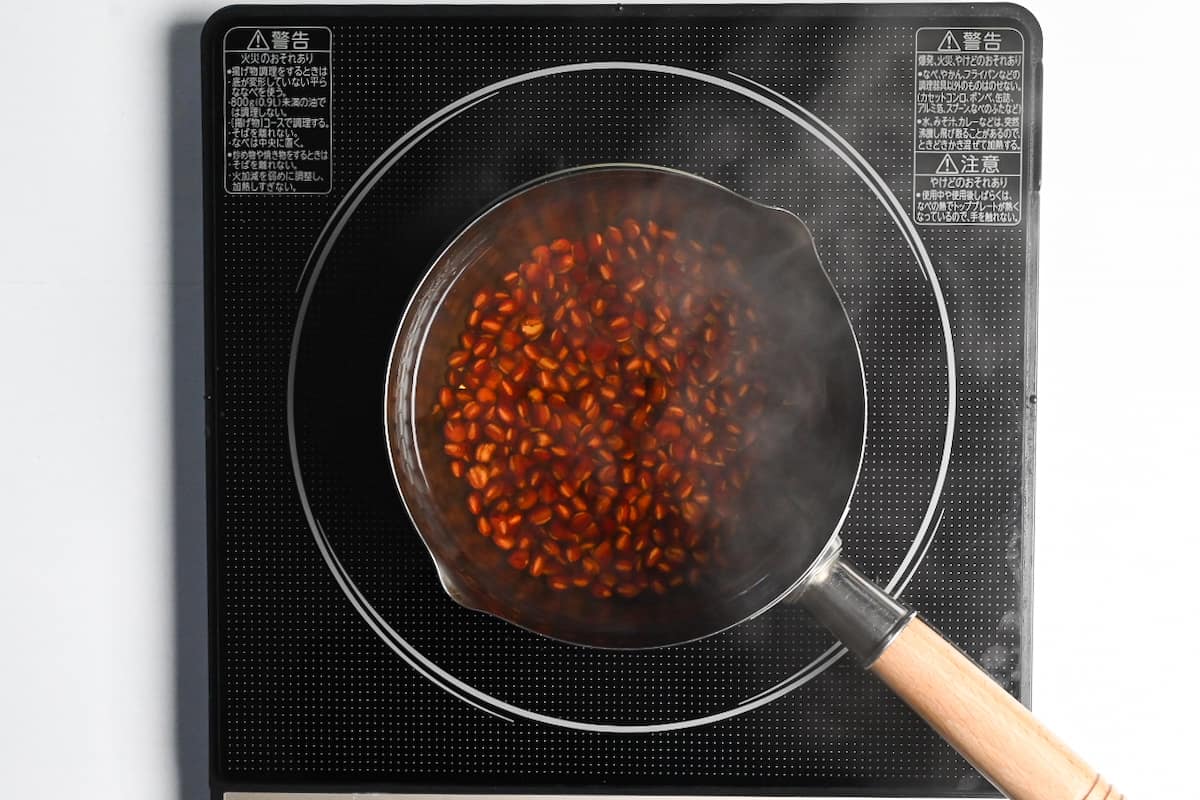
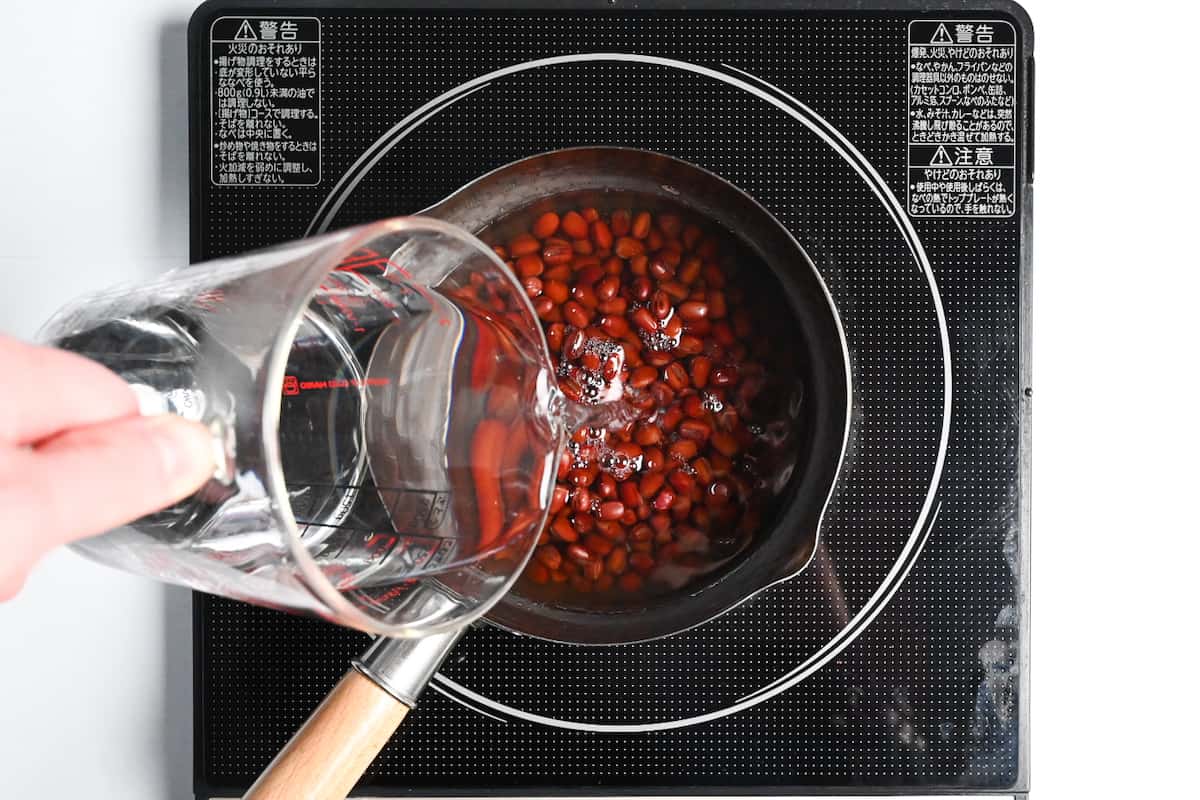
Step 2: Transfer the washed beans to a pot and add fresh water to cover them by 1–2 inches. Bring to a boil over medium heat, then boil for 10 minutes.
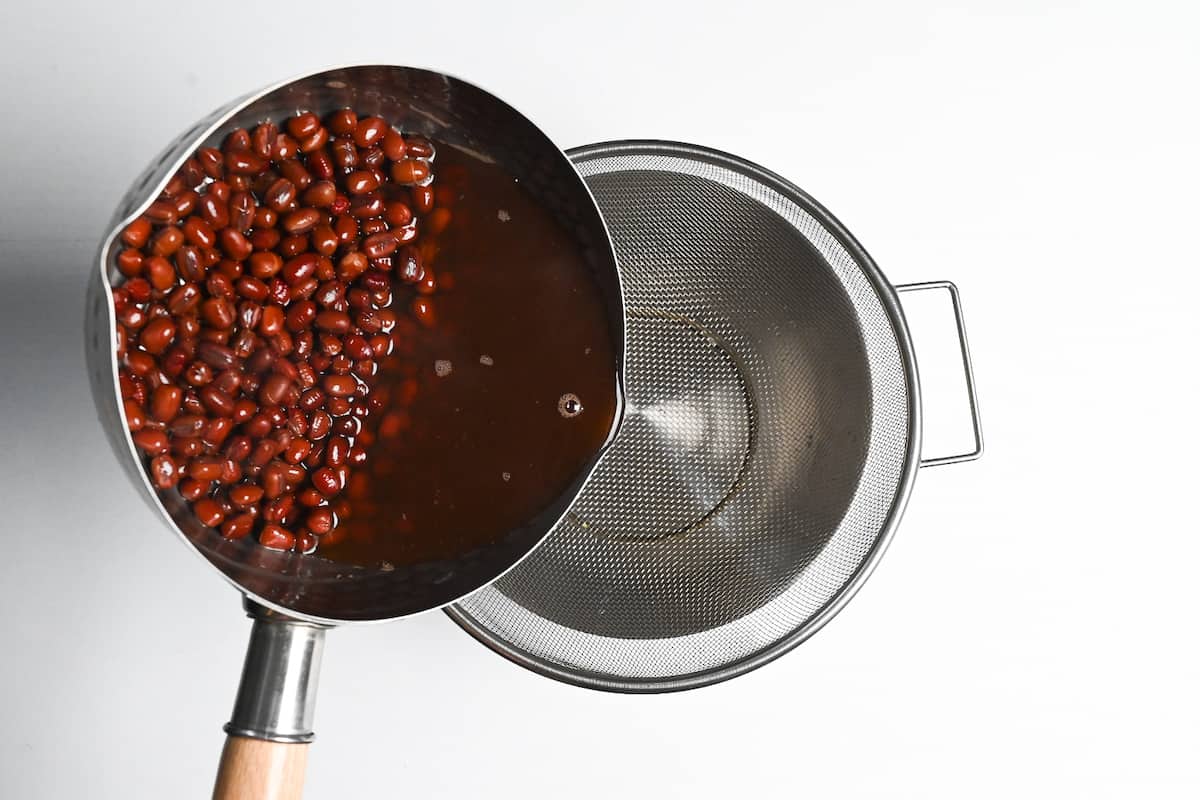
Step 3: Drain the beans from step 2 through a sieve and discard this first cooking water.
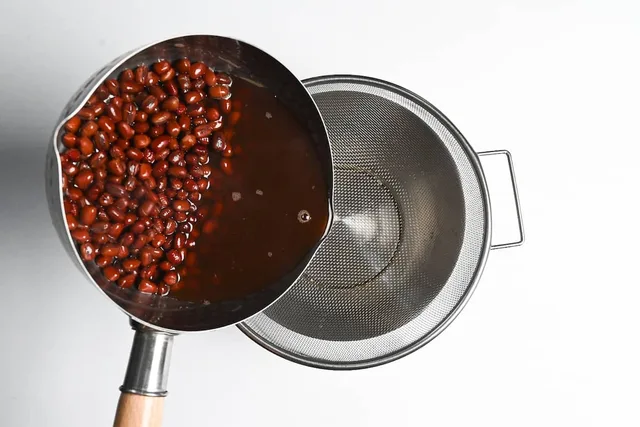
Step 4: Rinse the pot and return the drained beans from step 3. Add fresh water to cover them by 1–2 inches.
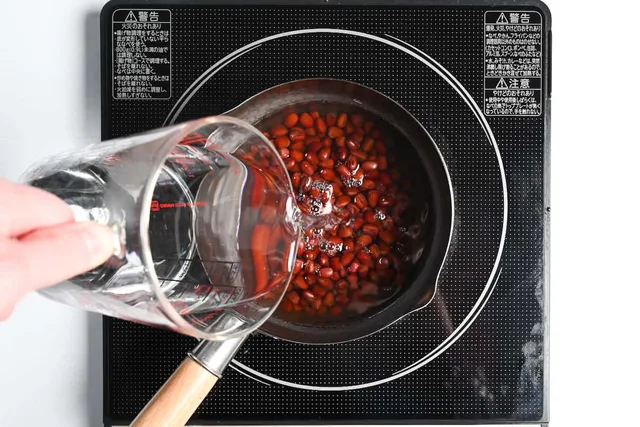
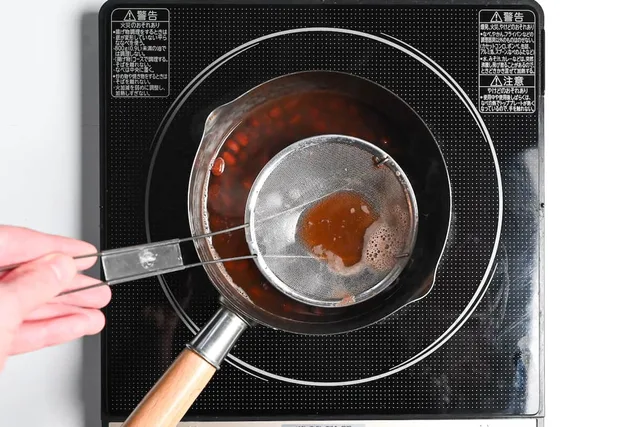
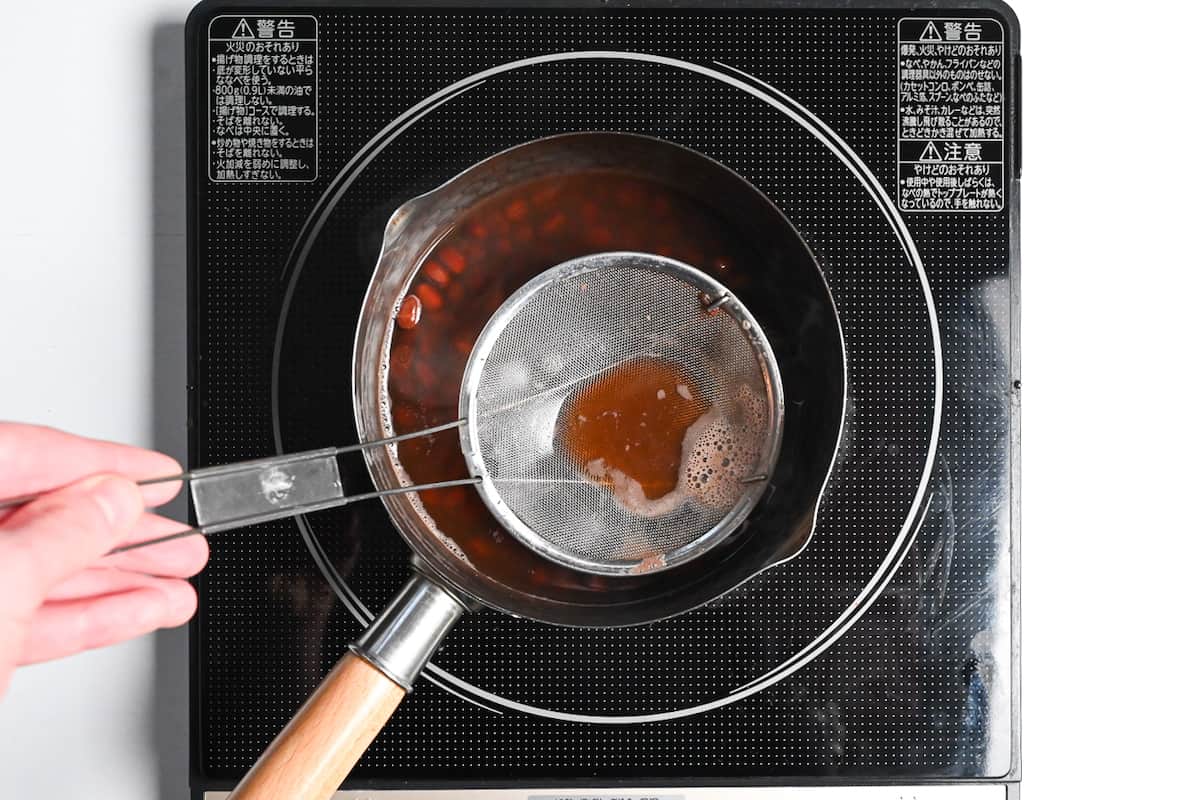
Step 5: Bring the beans and fresh water from step 4 to a boil over medium heat. Skim off any foam that forms.
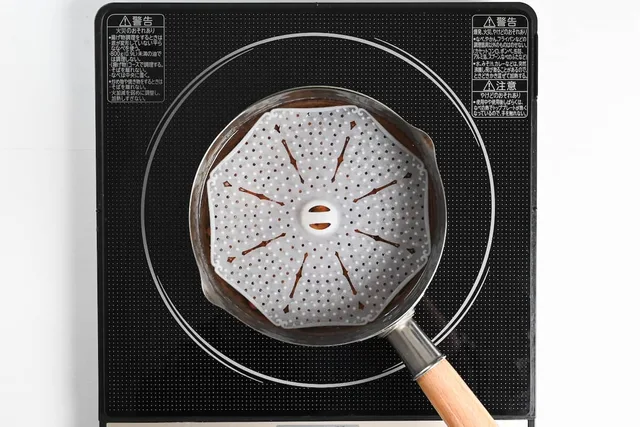
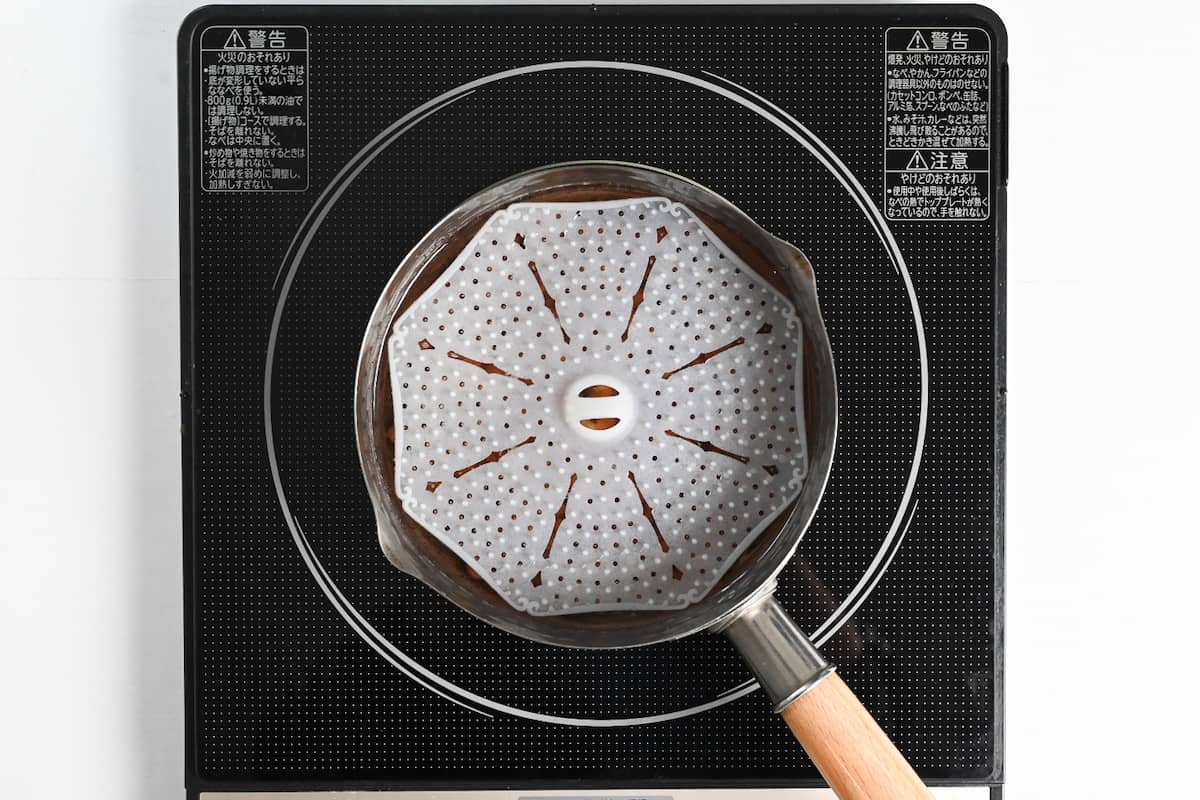
Step 6: Reduce the heat slightly and set a drop lid over the beans. Simmer gently for about 40–60 minutes, checking from 40 minutes. Stir occasionally and top up with clean water as needed to keep the beans submerged.
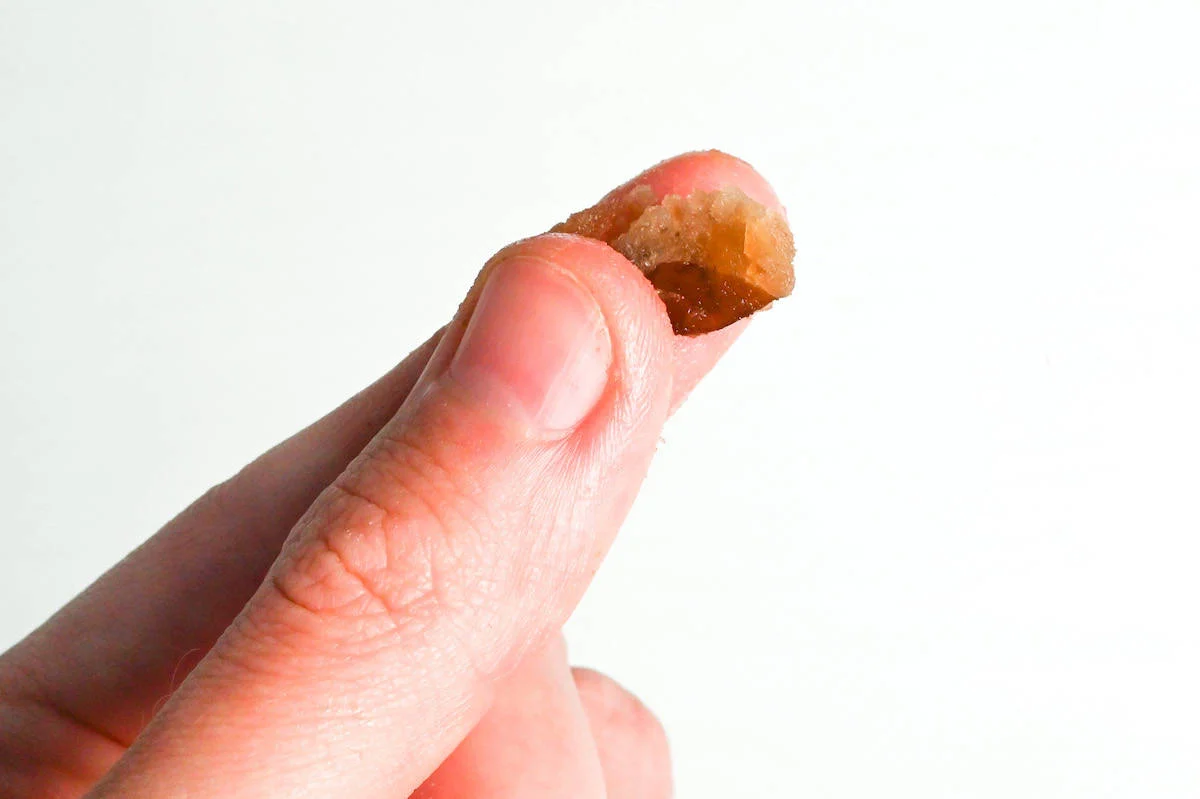
Step 7: At the 40-minute checkpoint, take a few larger beans from the pot and cool them under cold water. Press them between thumb and forefinger: they must spread like smooth paste and be soft to the core. If hard or grainy, continue simmering, rechecking every 5–10 minutes until fully soft.
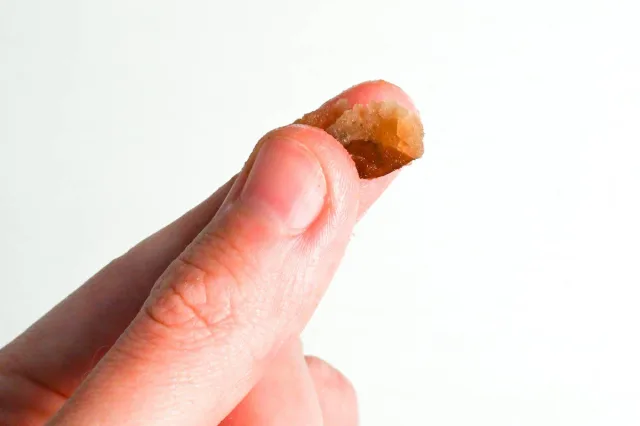
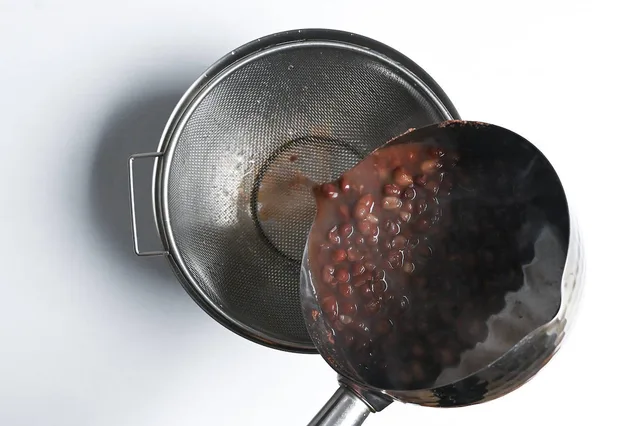
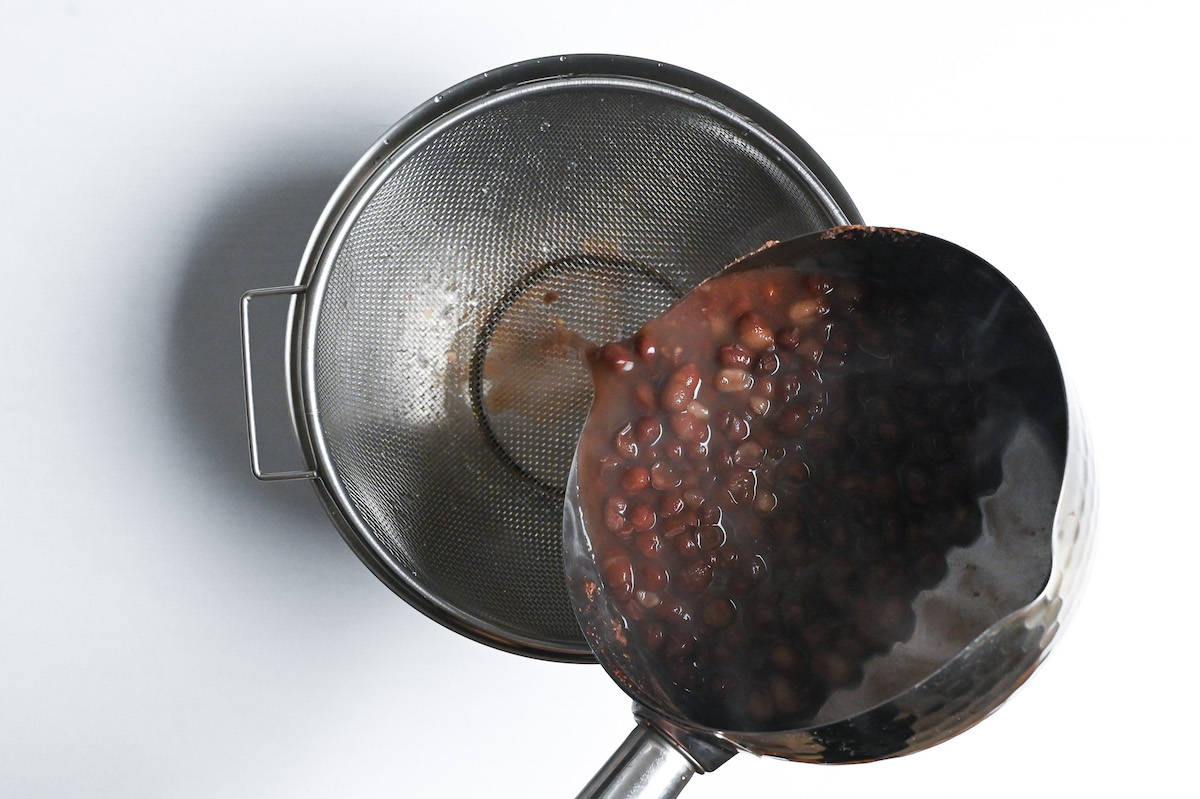
Step 8: Once the beans are fully soft, turn off the heat. Set a fine-mesh sieve over a heatproof bowl and pour the pot through it, retaining both the beans in the sieve and the liquid in the bowl.
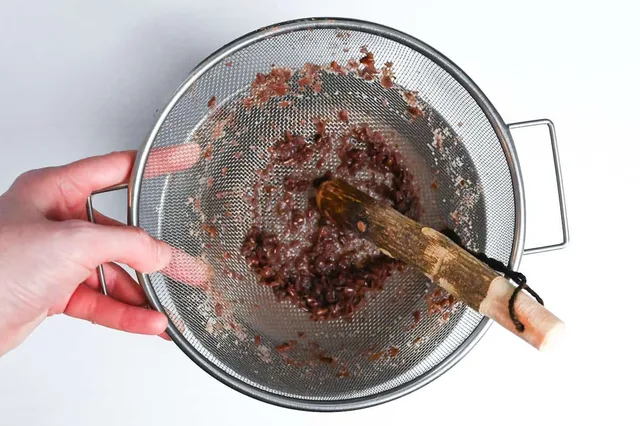
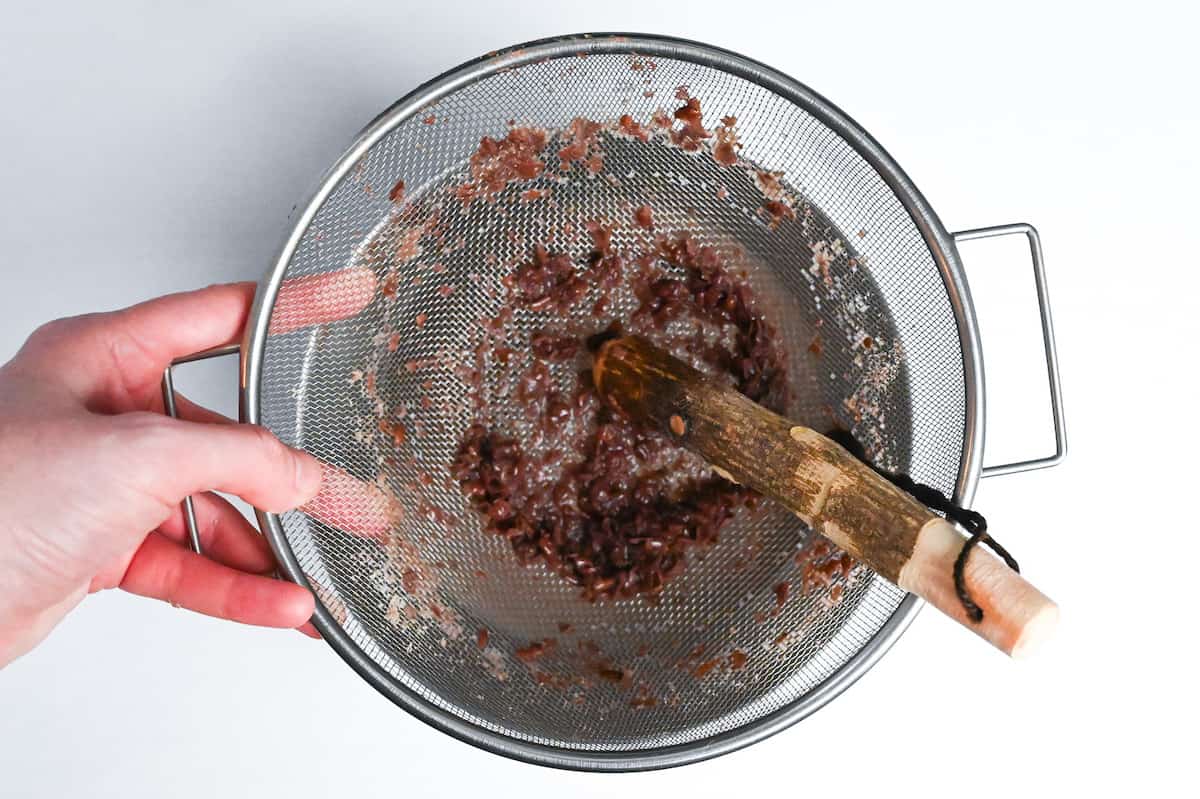
Step 9: Crush the cooked beans in the sieve with a pestle, pushing the soft pulp through into the bowl below. Pour over clean water occasionally to loosen the pulp from the skins. Discard the skins that remain in the sieve.
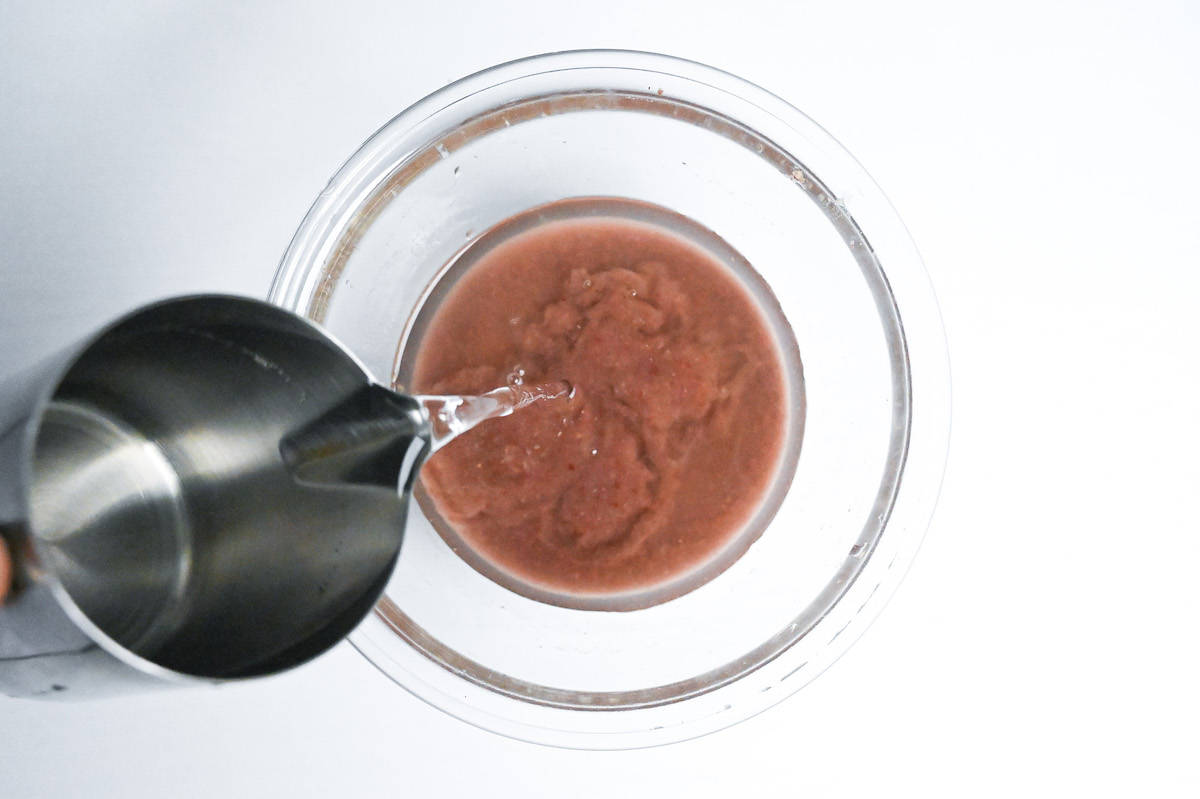
Step 10: Scrape all the bean pulp from the underside of the sieve into the bowl and add fresh water. For an even smoother result, optionally blend this pulp-and-water mixture, then return it to the bowl.
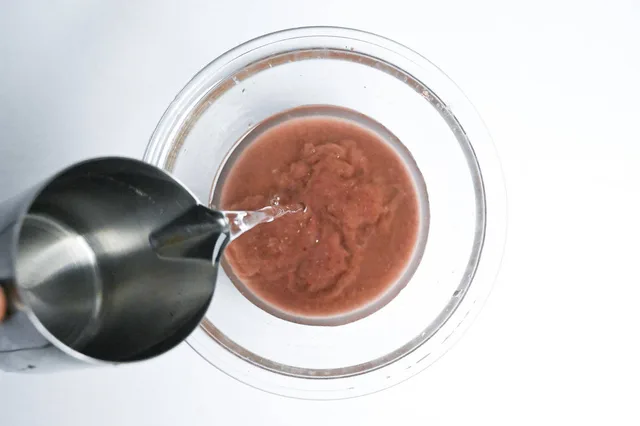
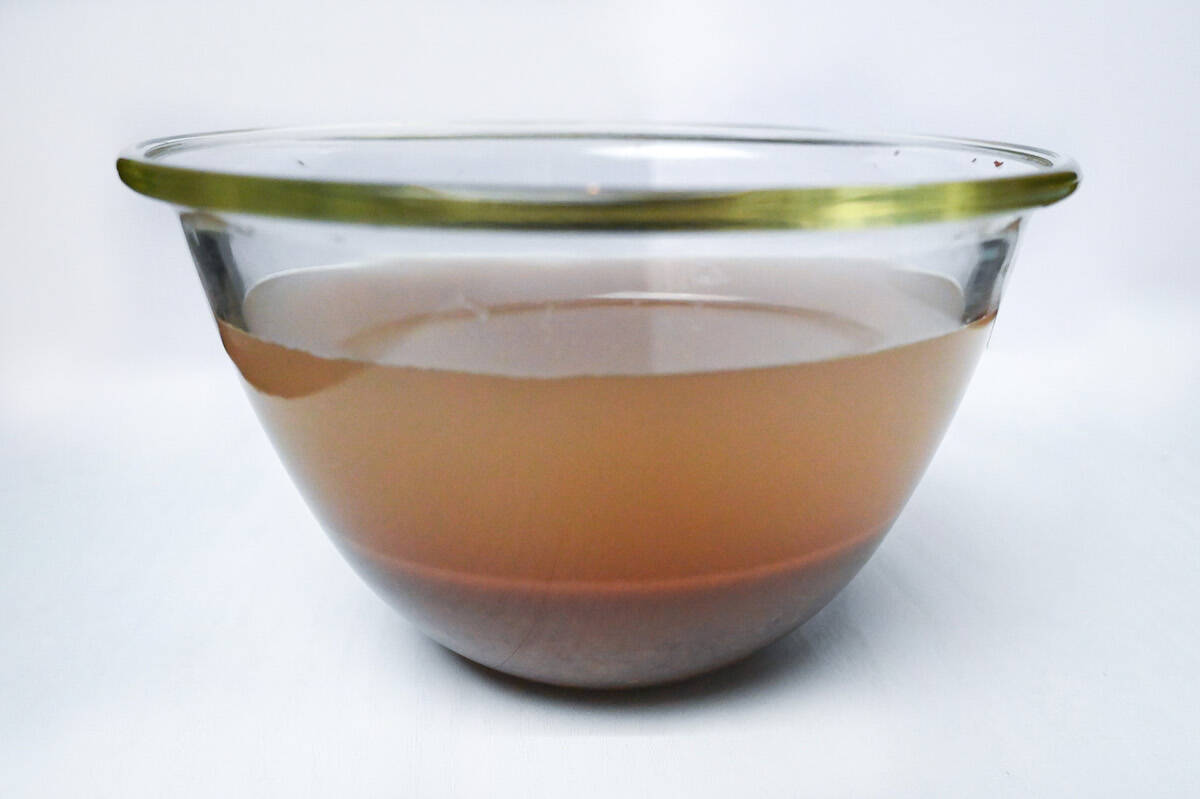
Step 11: First settling cycle: leave the pulp-and-water bowl from step 10 for 5–10 minutes, checking from 5 minutes, until the paste has settled at the bottom. Carefully pour off the upper water without losing paste, then refill with fresh water.
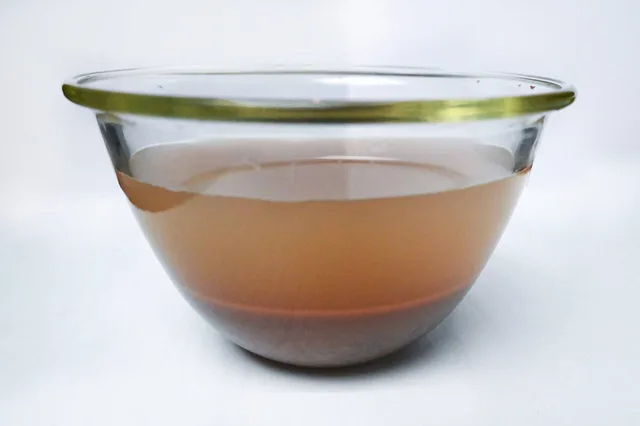
Step 12: Second settling cycle: leave the refilled bowl from step 11 for another 5–10 minutes, checking from 5 minutes. Once the paste has settled, carefully pour off the upper water and refill with fresh water.
Step 13: Third and final settling cycle: leave the refilled bowl from step 12 for 5–10 minutes, checking from 5 minutes. Carefully pour off the upper water once the paste has settled, keeping the paste for straining.
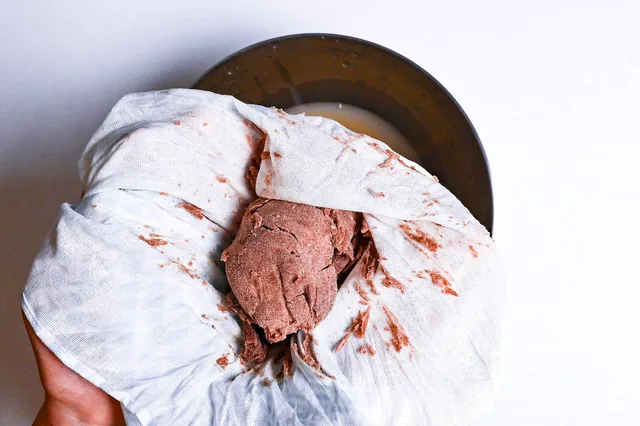
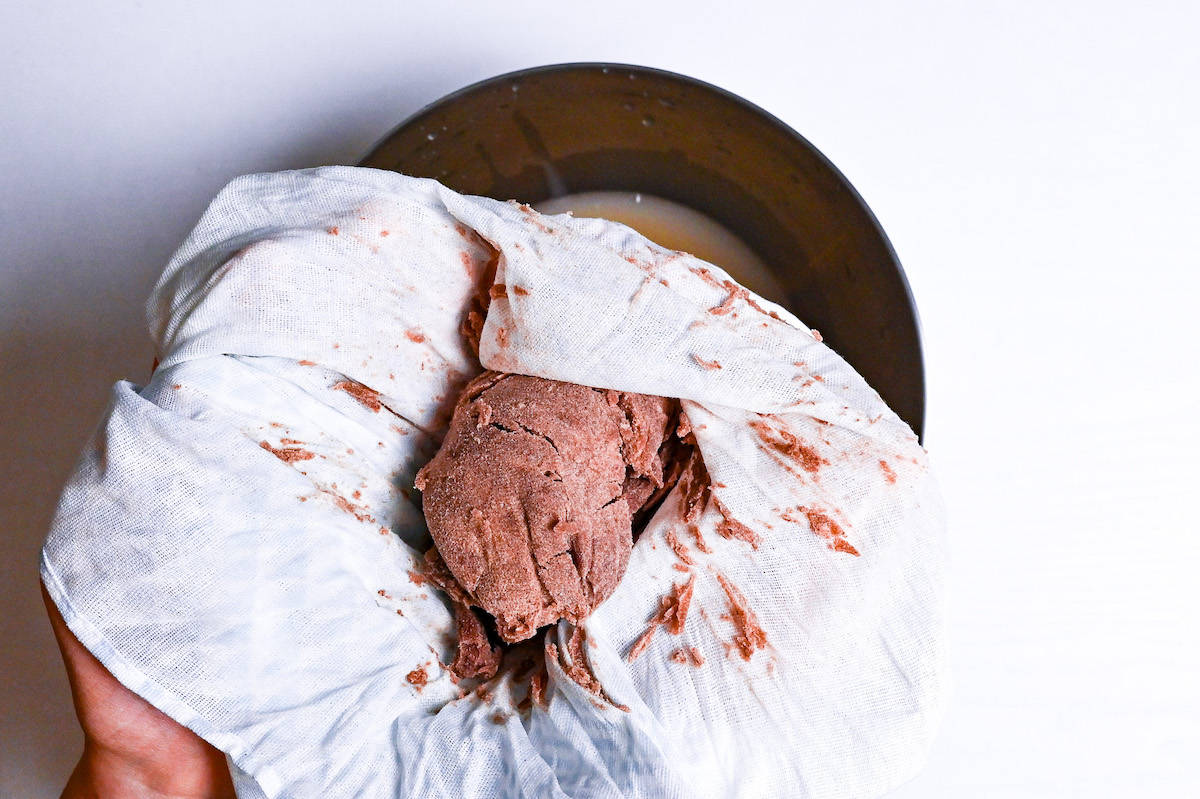
Step 14: Pour the settled paste and remaining liquid from step 13 into a clean cheesecloth. Squeeze out the water, discard that water and set the crumbly bean paste aside.
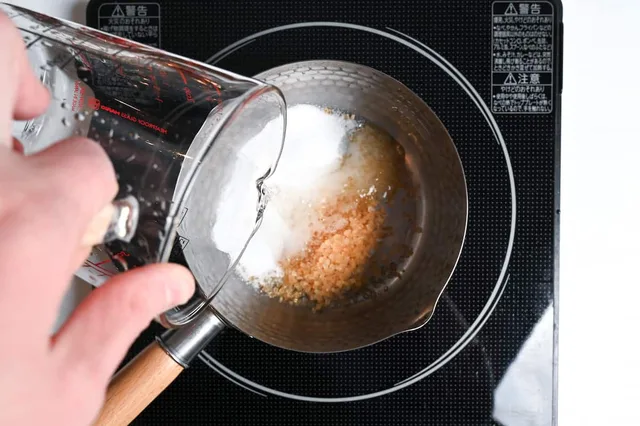
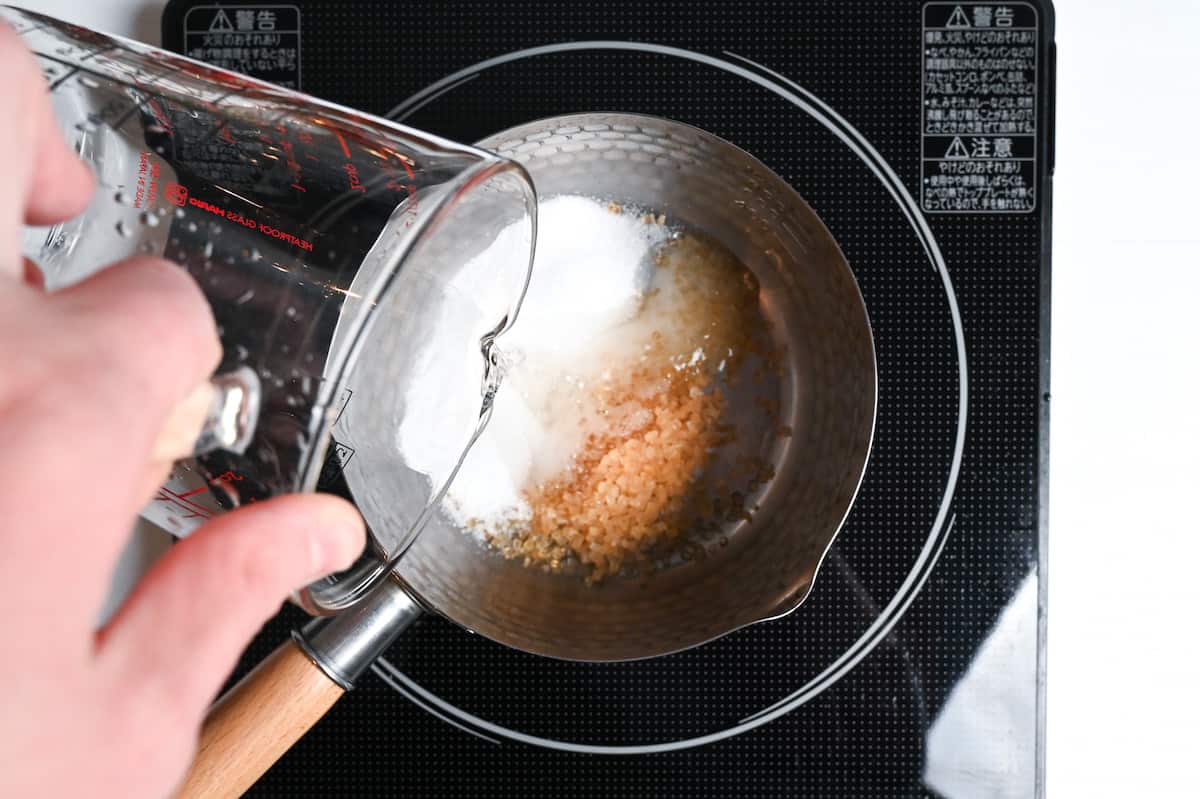
Step 15: Put the 175 g sugar and separate 2–3 tbsp syrup water in a saucepan. Heat over medium-low, stirring continuously until the sugar has dissolved.
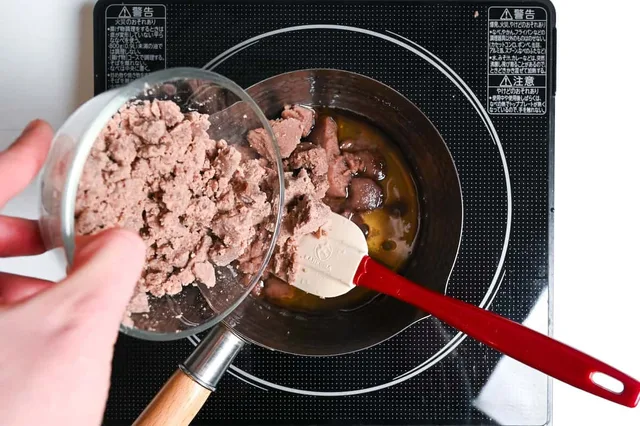
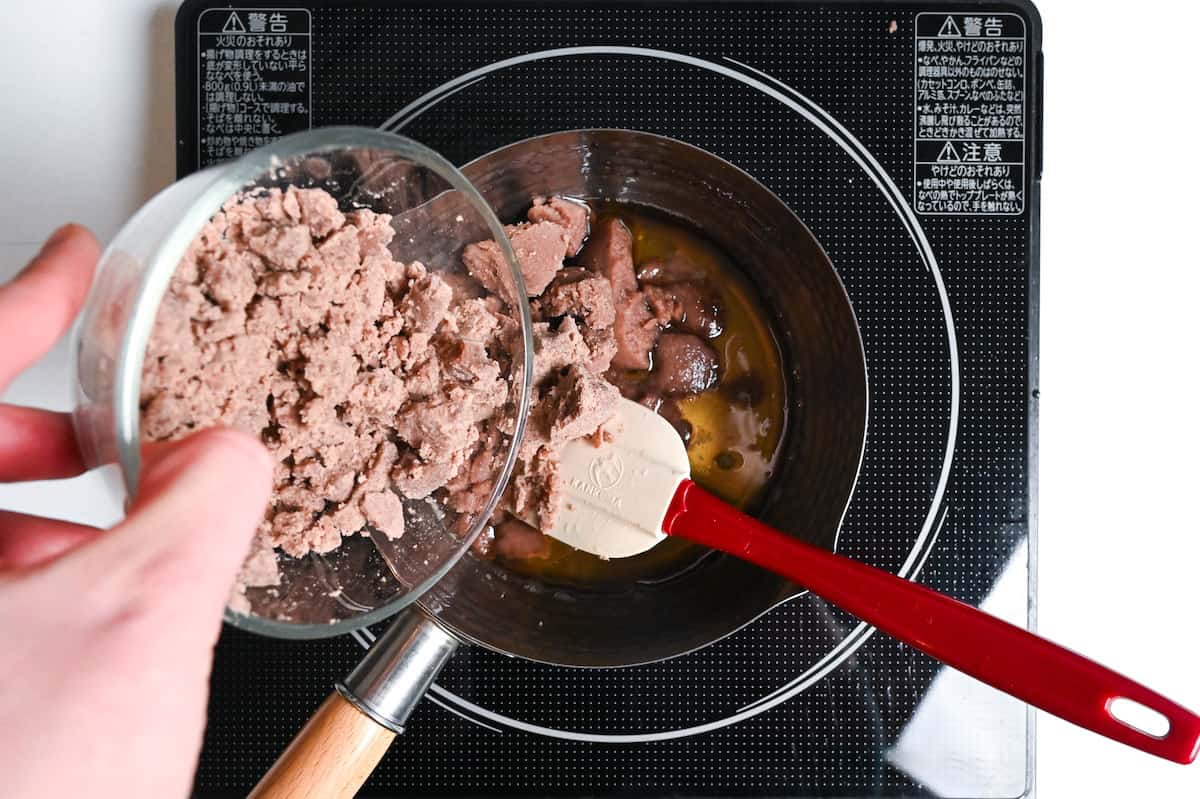
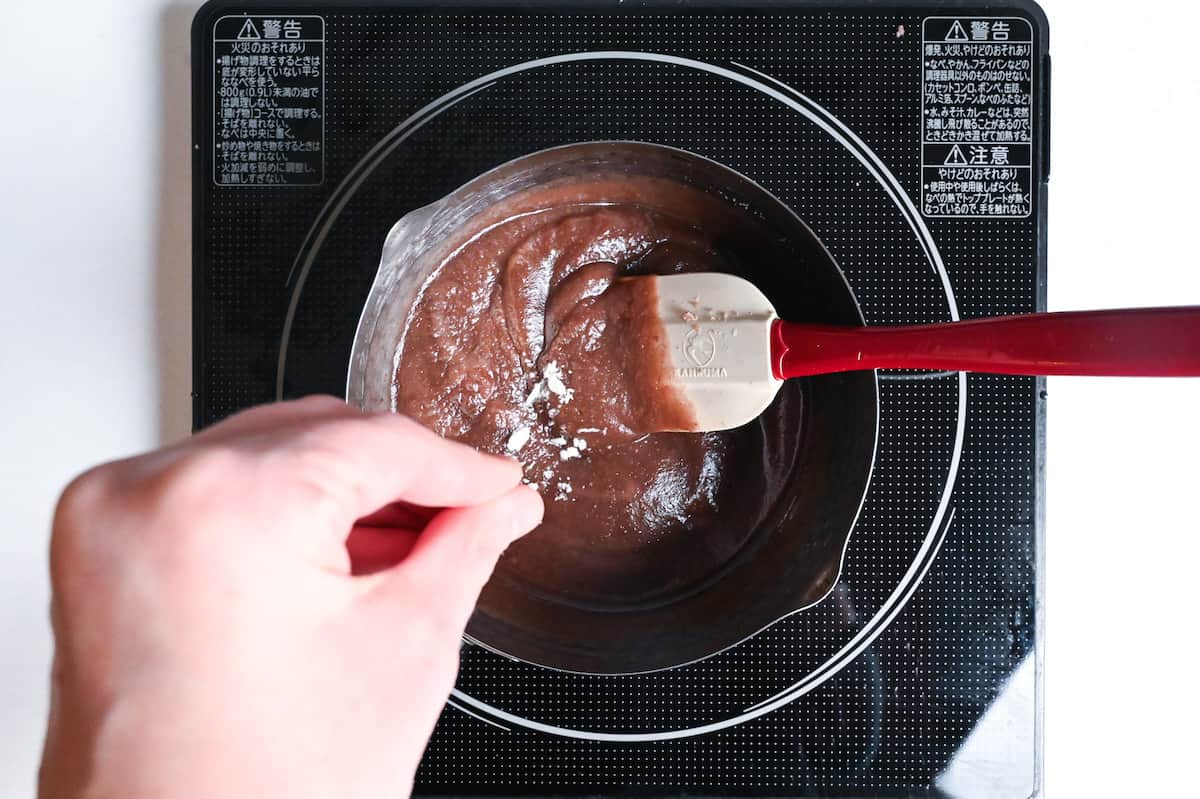
Step 16: Mix the squeezed bean paste from step 14 into the dissolved sugar syrup from step 15. Stir continuously over the heat until a spatula drawn across the pan leaves a line on its bottom. Stop before the paste becomes too dry; it will firm as it cools.
Step 17: Turn off the heat and mix the ¼ tsp salt into the sweetened bean paste from step 16.
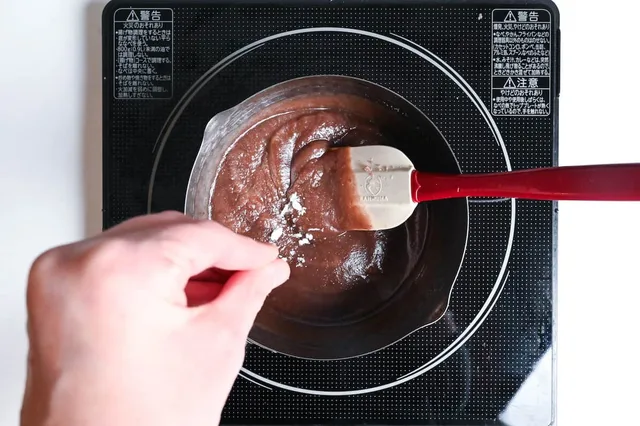
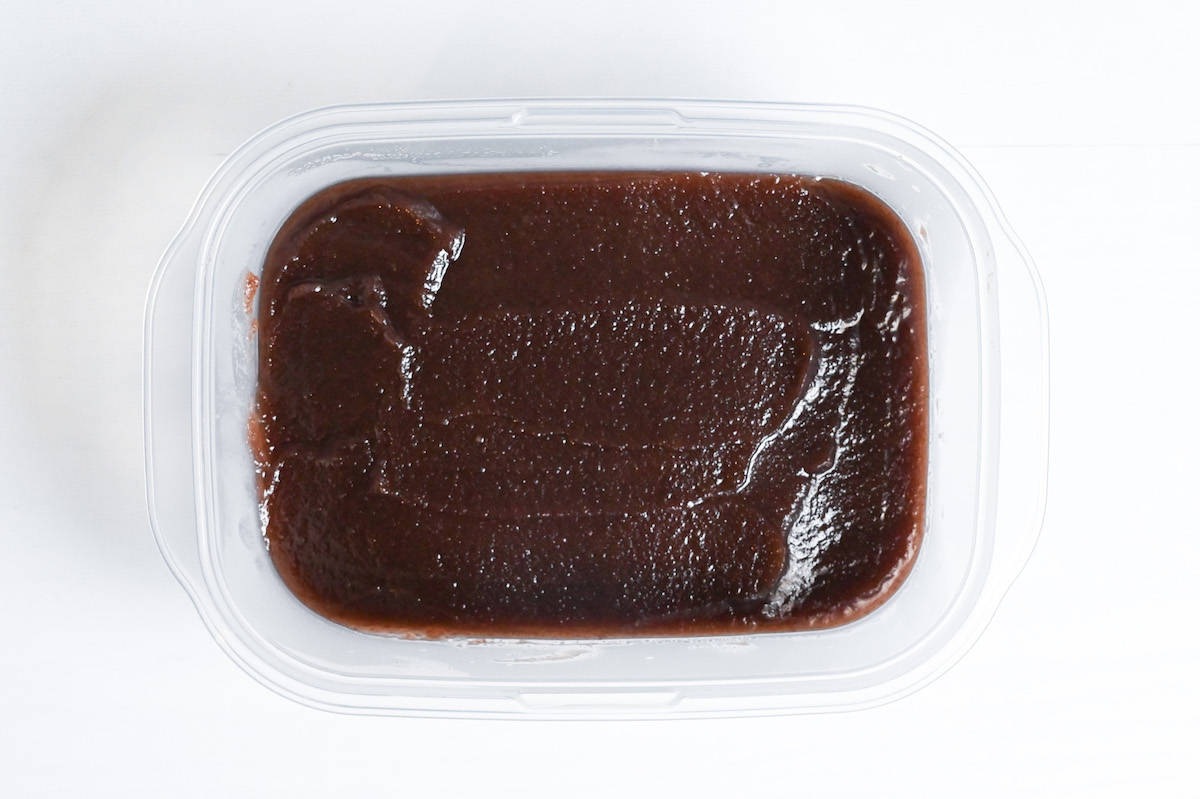
Step 18: Transfer the koshian from step 17 to a shallow, wide container. Let the initial steam subside, cover with plastic wrap touching the surface and refrigerate promptly. Once chilled, seal with a lid and use within 3 days. Alternatively, divide into convenient portions and freeze for up to 1 month.
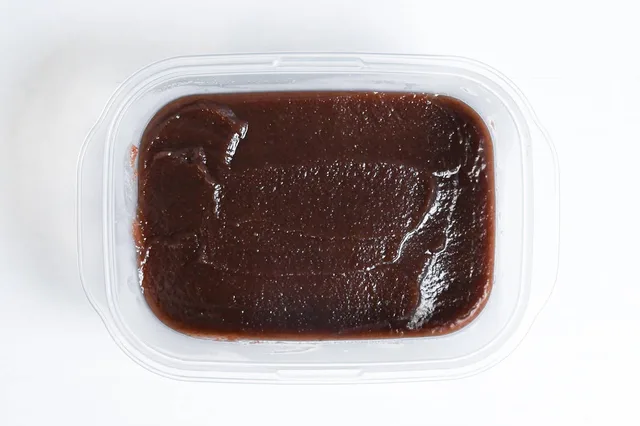
Step 19: The chilled koshian is a prepared filling for a separate Japanese dessert recipe. Keep unused portions refrigerated or frozen as described in step 18; thaw frozen portions in the refrigerator overnight, or thaw in a microwave immediately before use.
Photos (2)
Comments
0 threadsSign in to join the discussion.
No comments yet. Start the discussion.