

Korean · Condiment
How to Make Gochujang
From the zcook collection
Traditional gochujang made with barley malt, wet glutinous rice flour, fermented soybean powder, coarse sea salt and gochugaru; requires 60–90 days or longer of cool fermentation.
- Vegan
- Dairy-free
- Korean
- Condiment
- Gochujang
- Fermentation
- Cook
- 2 hr
- Serves
- 1 batch; final quantity varies
- Level
- Hard
Method10 steps
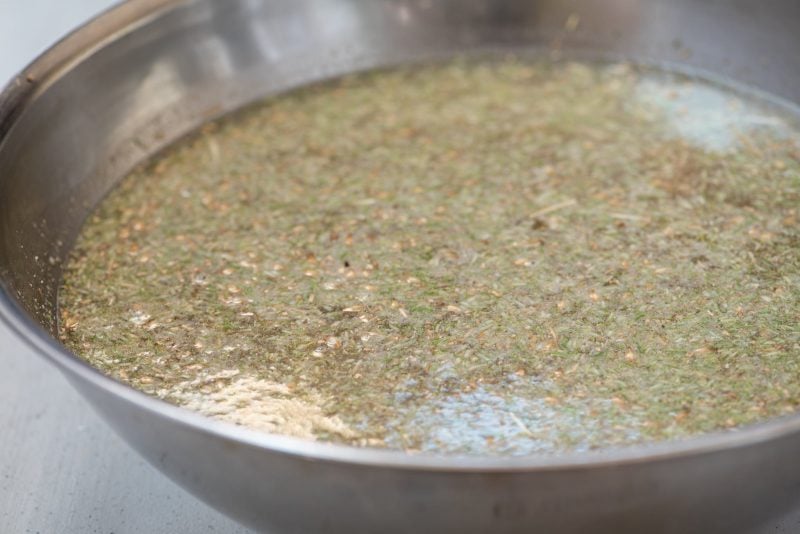
Step 1: Place the barley malt in a large bowl with 10 cups warm water. Soak for 1–2 hours or up to overnight. If choosing grain rice instead of wet rice flour, separately rinse 2 cups glutinous rice three times, soak in water for 3–4 hours, drain well and grind as finely as possible in a blender; reserve this ground rice for step 4. Skip the grain preparation when using wet rice flour.
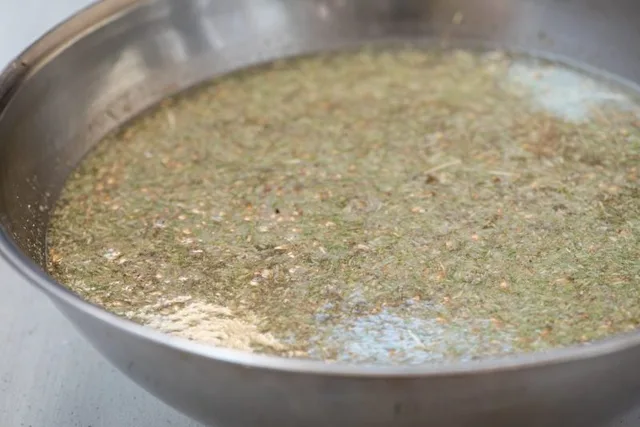
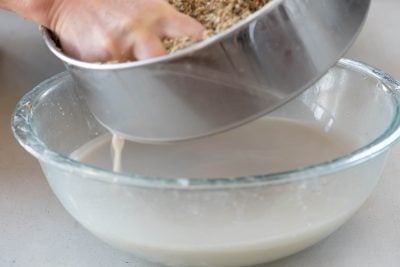
Step 2: Rub the malt between palms and squeeze out milky liquid. Strain the malt liquid through a fine sieve into another bowl. If you don’t have a fine sieve, line a strainer with a cheesecloth. Then, squeeze the malt husks with your hands through the sieve to drain out the remaining liquid. Transfer the liquid to a large heavy bottom pot.
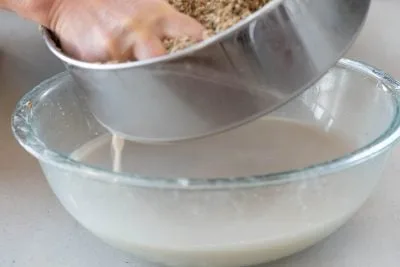
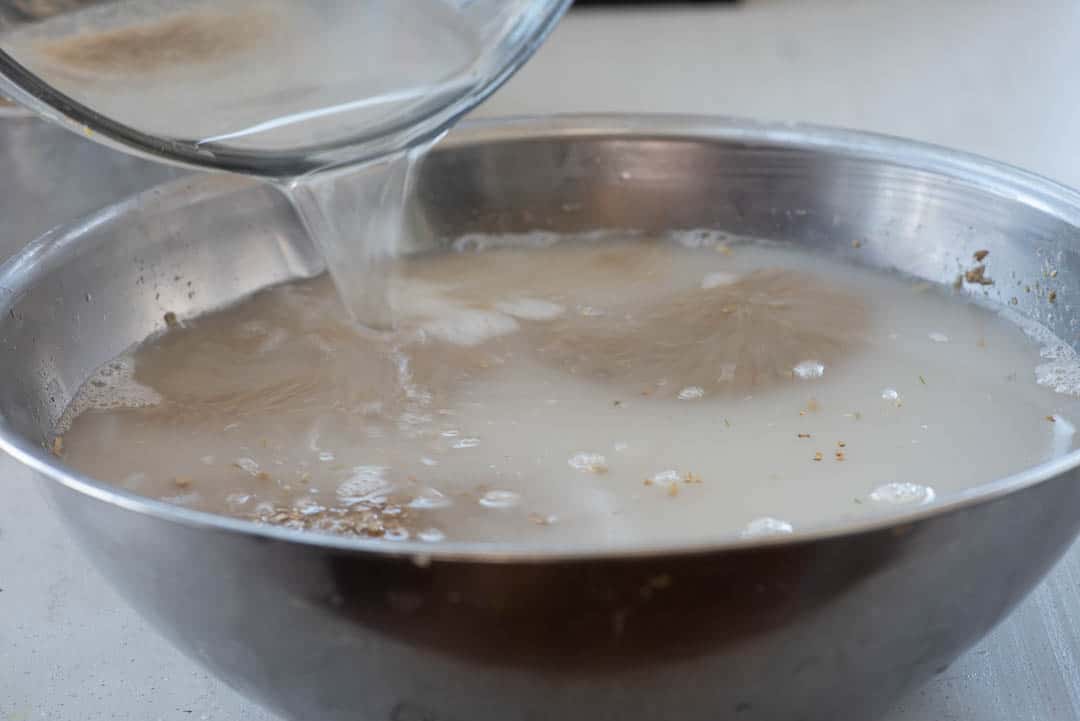
Step 3: Place the malt husks in the first bowl and add another 10 cups of water. No need for an additional soaking time. Repeat the squeezing and straining process. Transfer the liquid to the pot with the first batch of milky liquid. This will yield about 17 to 18 cups of malt water.
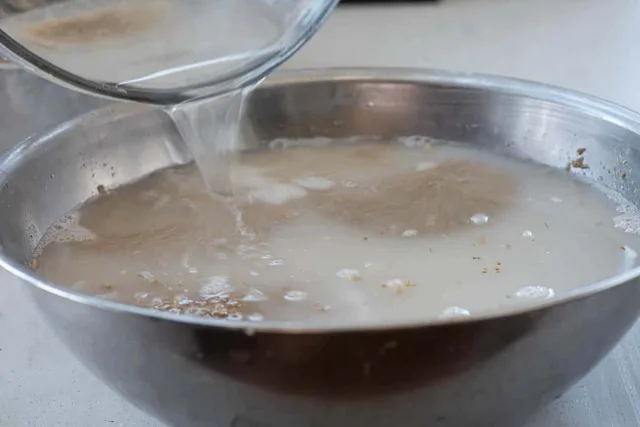
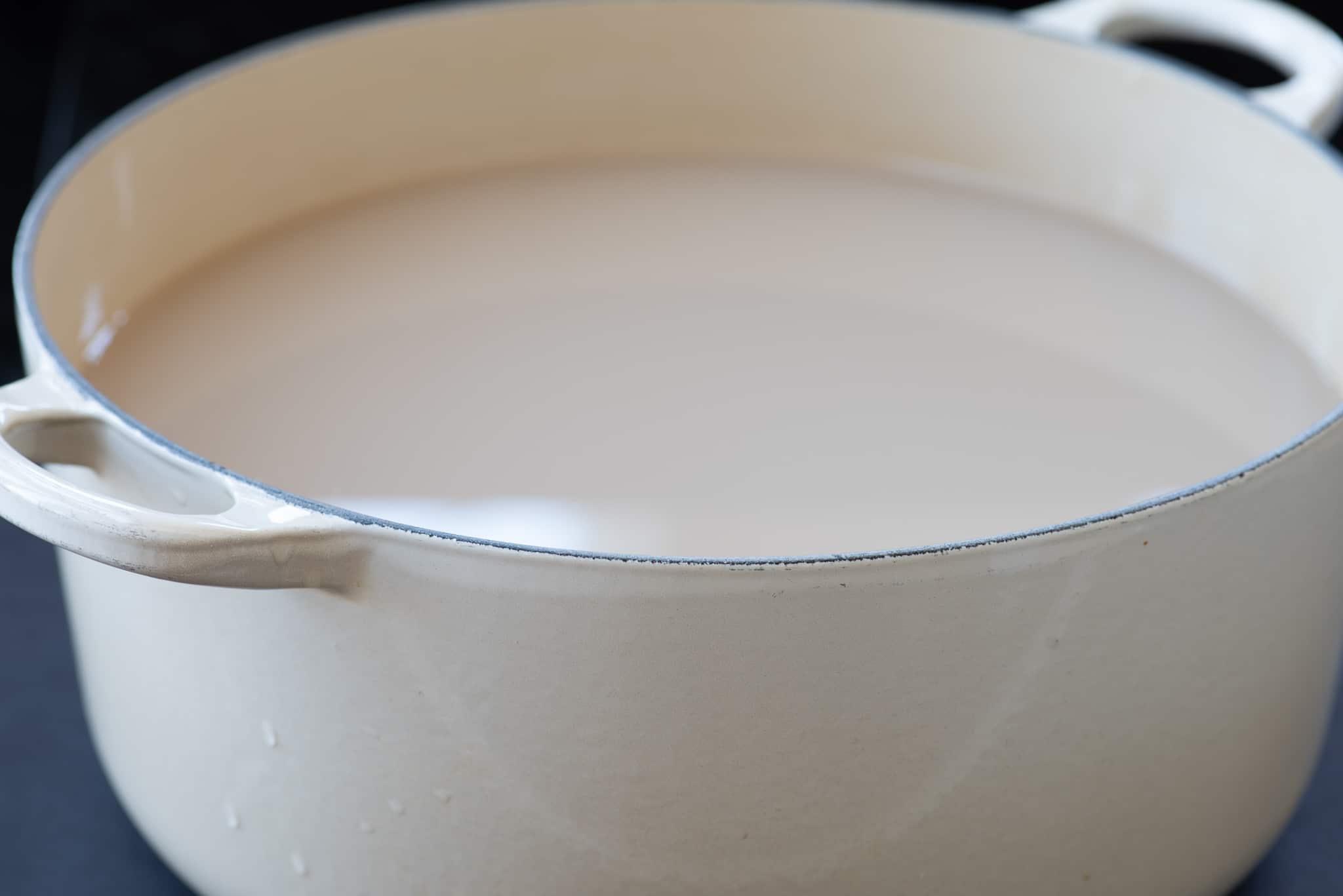
Step 4: Stir the 500 g wet glutinous rice flour OR the prepared ground-rice alternative into the combined malt water. Warm gently until warm but not hot to touch, then turn off the heat and leave for 2 hours to allow the malt enzymes to break down the rice starch.
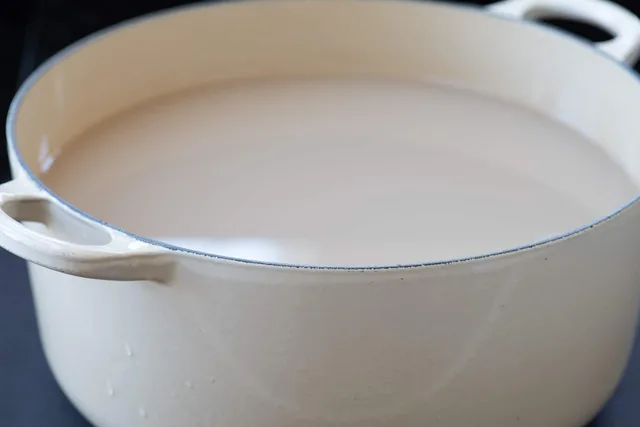
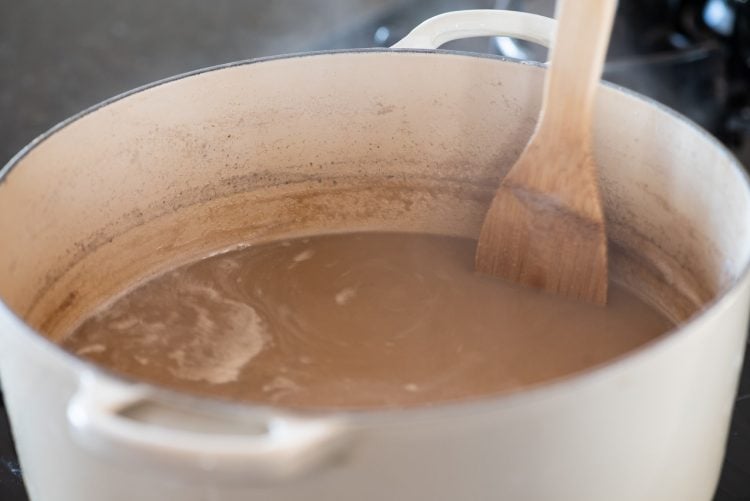
Step 5: Turn the heat on to medium and boil the liquid down to a half, stirring once in a while. Measure the depth of the liquid with a wooden spoon or spatula, so you can easily tell when the liquid is reduced to a half. This will take about 2 hours and the resulting liquid will be around 8 to 9 cups. You’ll need about 8 cups for this recipe, but a little bit of extra is nice to have just in case. If you're using other optional liquid, you can reduce it further. Stir once in a while. Let it cool down a bit.
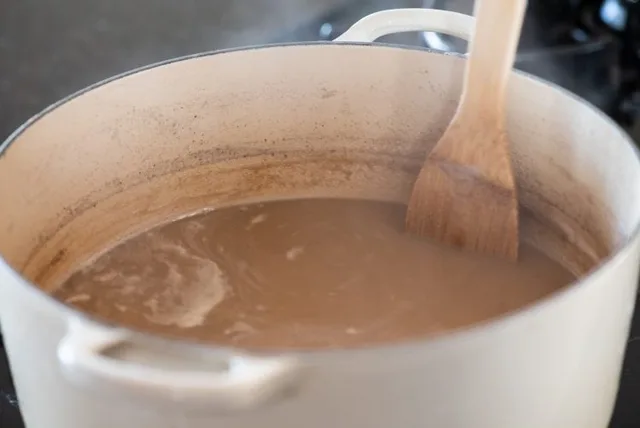
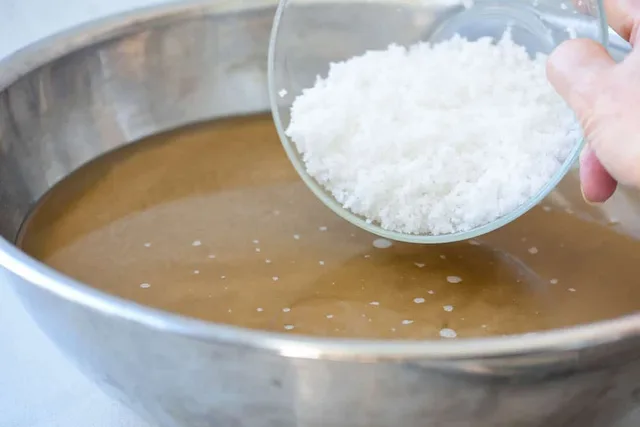
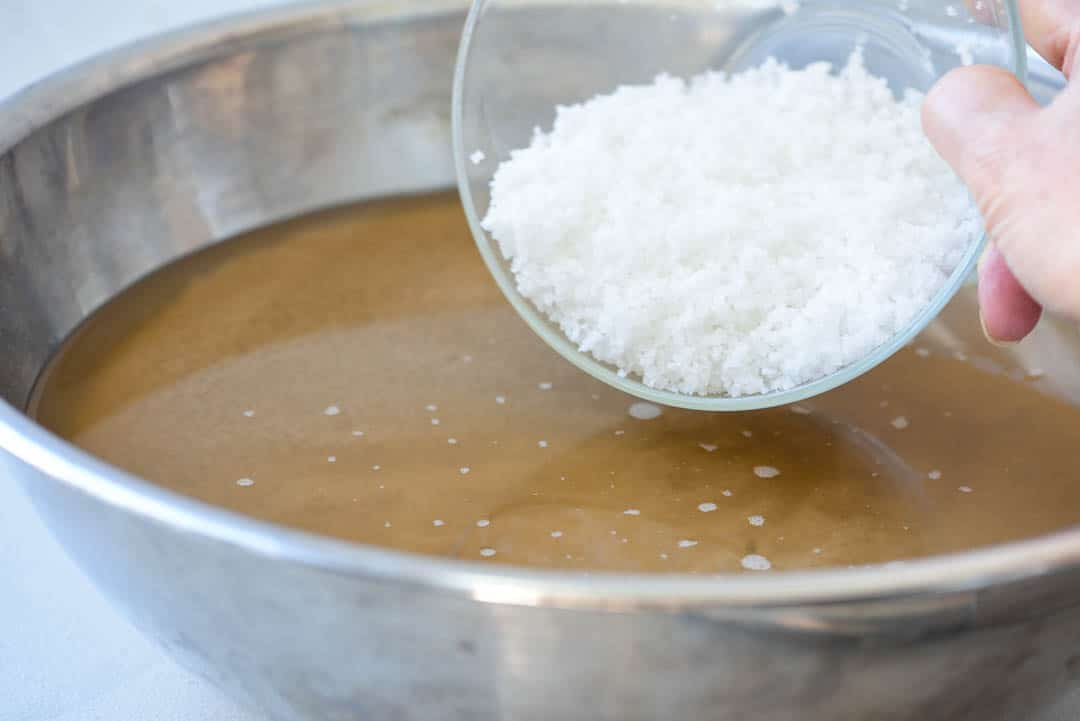
Step 6: While the reduced malt liquid is still warm, measure 7 cups into a large bowl, reserving the remainder. Add the 250 g Korean coarse sea salt and stir to dissolve. If using a different salt, follow the source instruction to hold some back and adjust after mixing the dry ingredients.
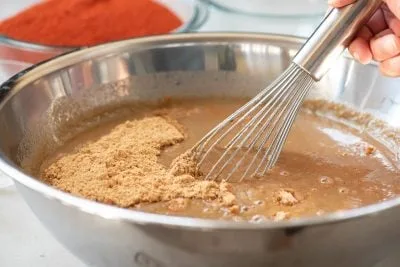
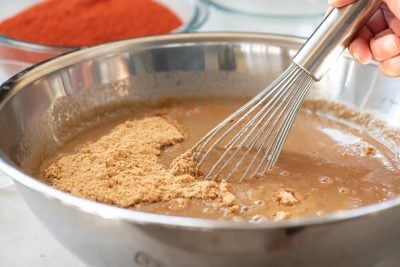
Step 7: Using a whisk, stir in the fermented soybean powder and mix well until you see no lumps.
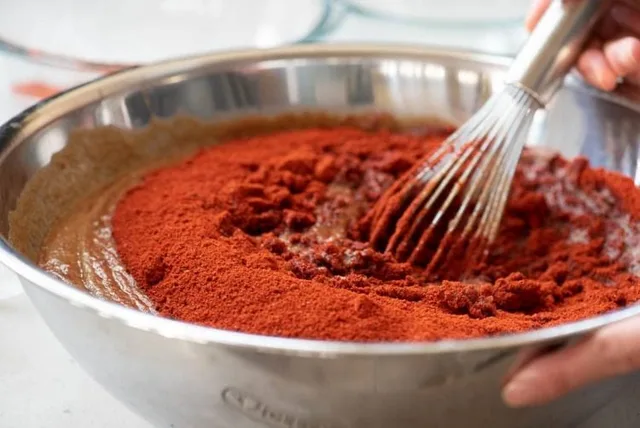
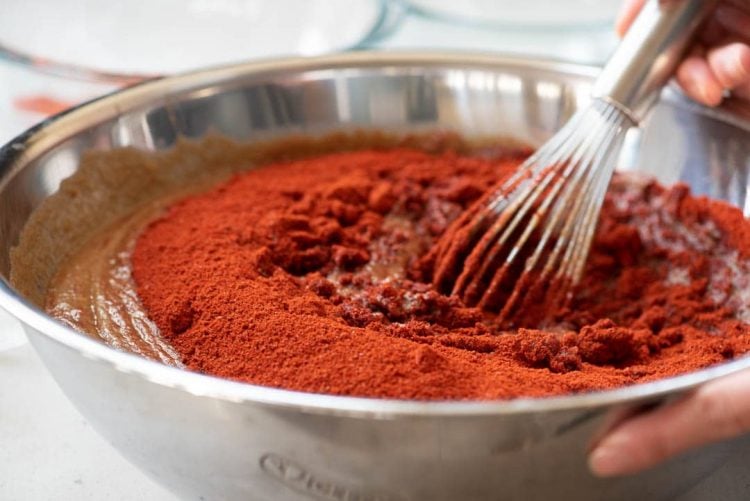
Step 8: Mix in the finely ground gochugaru (500 g) until no large lumps remain. Add reserved malt liquid as needed, or some of the optional rice syrup or green plum syrup, to adjust thickness and sweetness; optional soju can also thin the paste. Aim for a thick batter that slowly drops from a wooden spoon. Leave for a few hours so the dry ingredients absorb the liquid and salt dissolves fully. Adjust thickness, sweetness and saltiness if needed, using additional coarse salt or the source-listed soup-soy-sauce alternative. The authored paste is intentionally too salty to eat by itself.
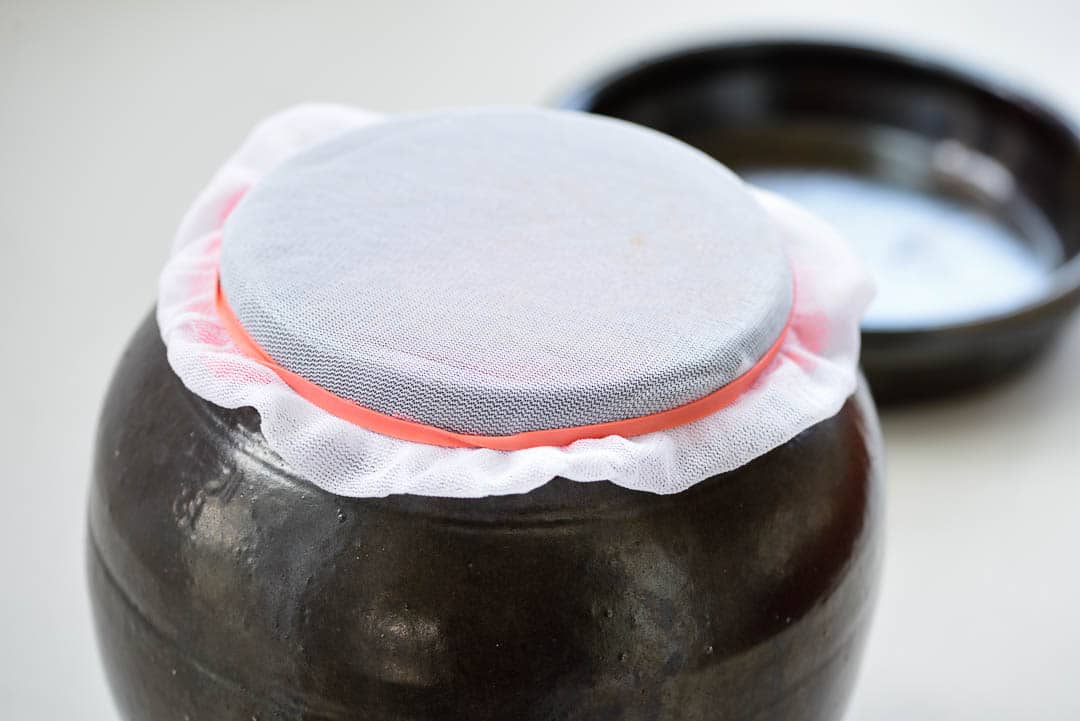
Step 9: Transfer the mixed gochujang to clean food-grade jars or an onggi fermentation vessel. Lightly sprinkle with separate coarse sea salt, cover the opening with fine mesh fabric or cheesecloth, and secure it.
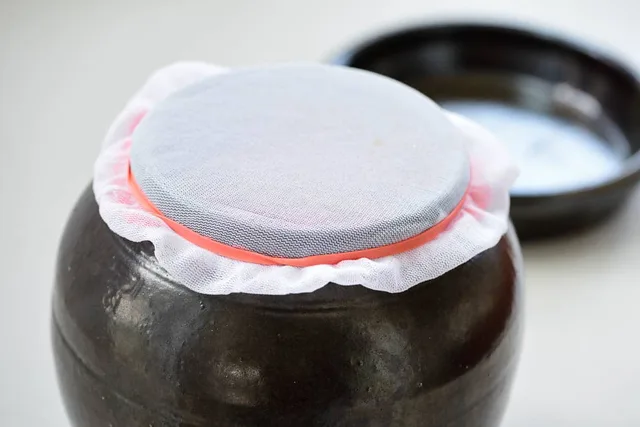
Step 10: Put the lid on and ferment in a cool place, as the source describes for the cold months (usually October–March). On sunny days, the source removes the lid while leaving the mesh covering in place for sunlight exposure, then closes it at night and on cloudy or rainy days. Allow 60–90 days or longer for fermentation, then refrigerate. The paste is a fermented condiment; the preparation-day cooking time does not include this long fermentation.
Photos (1)
Comments
0 threadsSign in to join the discussion.
No comments yet. Start the discussion.