
Chinese · Side Dish
Homemade Alkaline Noodles/Ramen Noodles (碱水面)
From the zcook collection
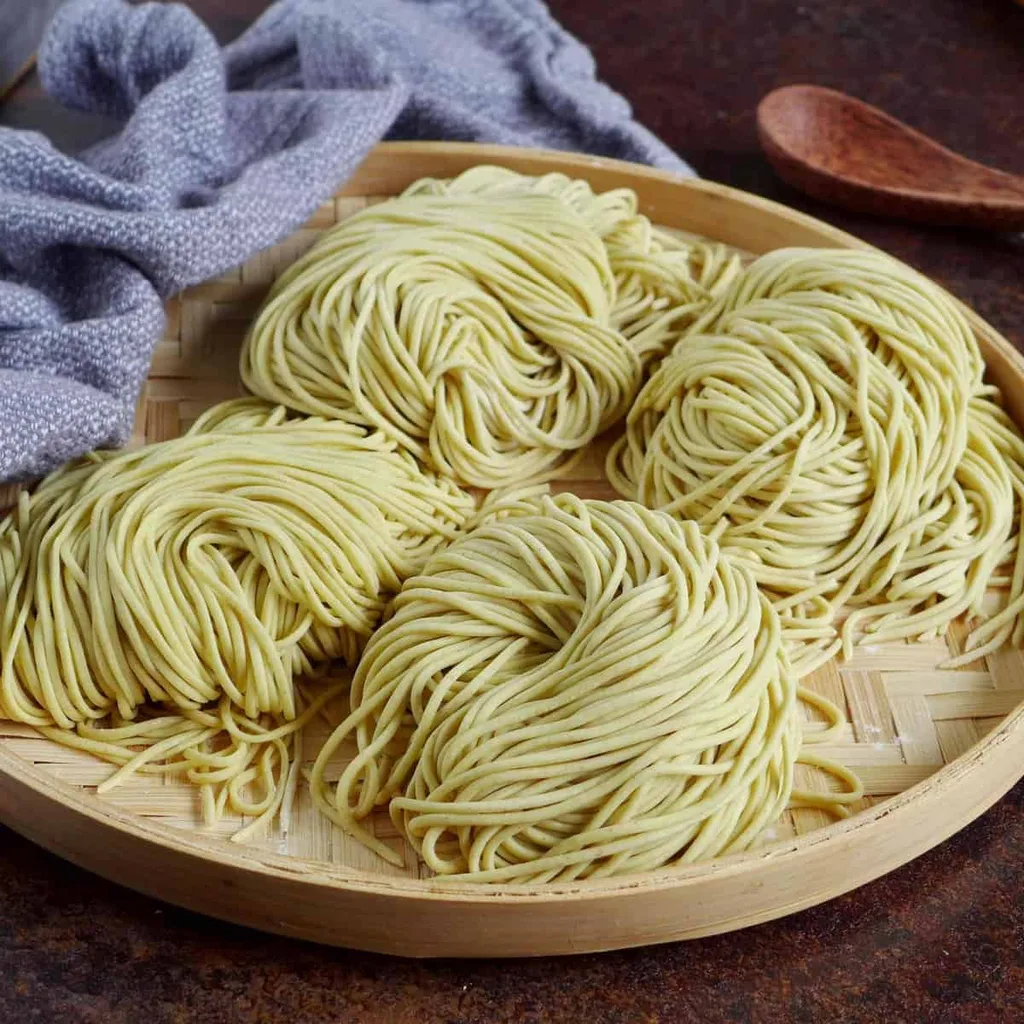
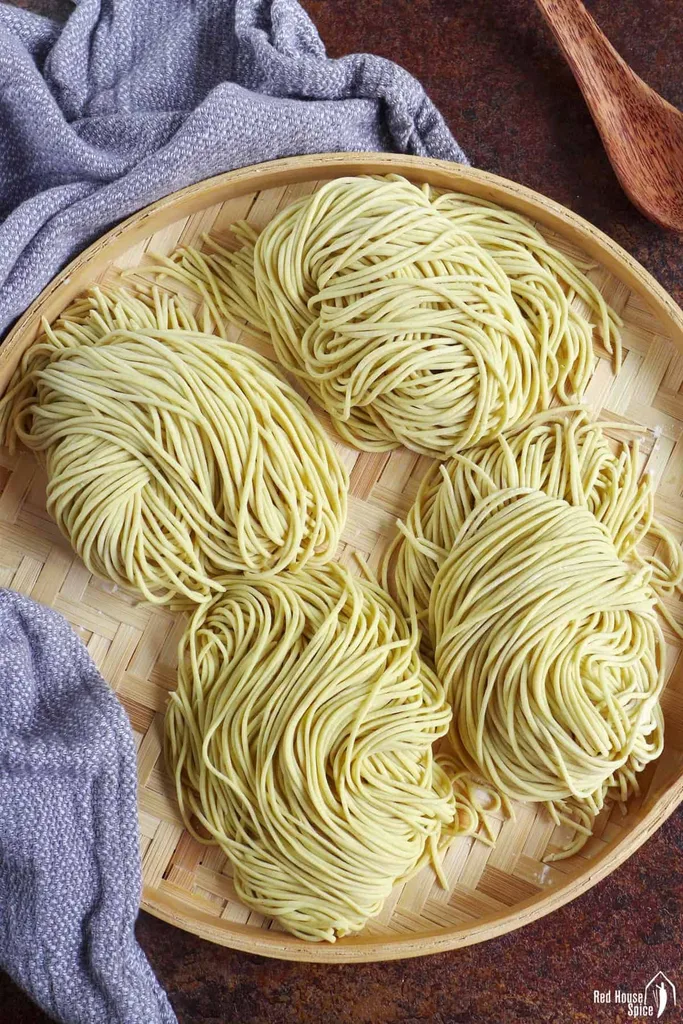
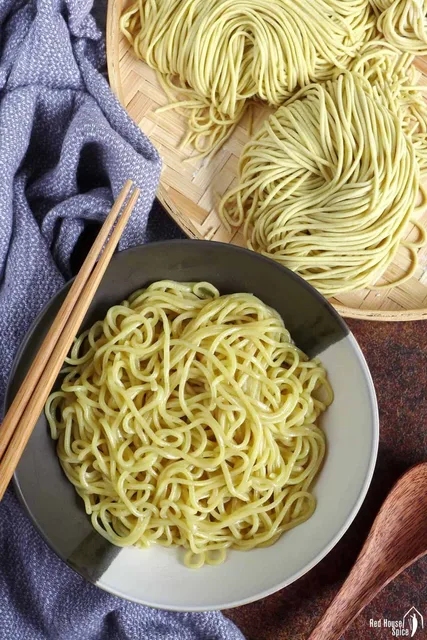
Plain alkaline wheat noodles made with purchased culinary Kansui and a manual pasta roller. The dough is divided into four portions for rolling and cutting; cook fresh or frozen portions as needed.
- Vegan
- Dairy-free
- Chinese
- Alkaline noodles
- Plain noodle component
- Pasta roller
- Total
- 1 hr 23 min
- Prep
- 20 min
- Cook
- 3 min
- Serves
- 4 portions of plain noodles
- Level
- Medium
- Energy
- 455 kcal
Method11 steps · about 1 hr 23 min
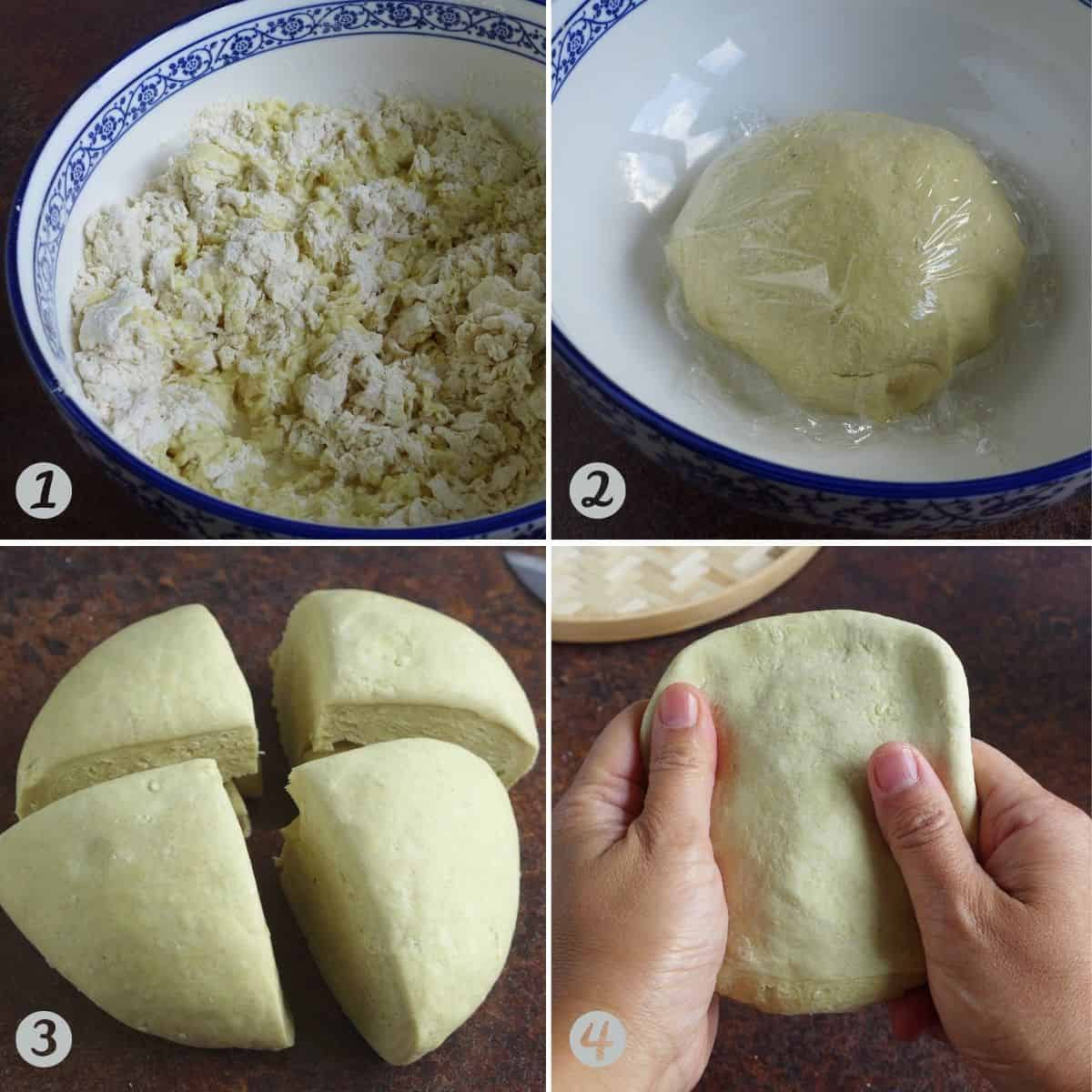
Step 1: Mix the 500 g flour and ½ teaspoon salt in a bowl. Stir the measured 210 g room-temperature water with 1½ teaspoons purchased food-grade Kansui, then gradually pour into the flour, stirring with chopsticks to distribute the liquid evenly.
Step 2: Press the damp lumps from step 1 together by hand into one rough dough. Take your time combining all loose flour; the dough should be dry and does not need to be smooth. Avoid adding extra water.
Step 3: Cover the rough dough from step 2 tightly with plastic wrap and rest at room temperature for 1 hour.
Step 4: Knead the rested dough from step 3 for about 1–2 minutes to make it smoother; it need not become perfectly smooth. Divide it into four equal portions.
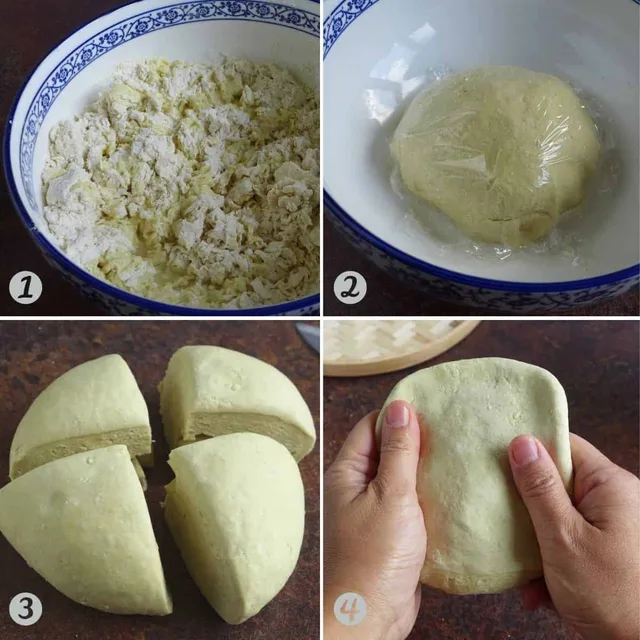
Step 5: Flatten the first dough portion from step 4 with your hands or a rolling pin until it fits through the widest setting of a manual pasta machine. Keep the other three portions covered.
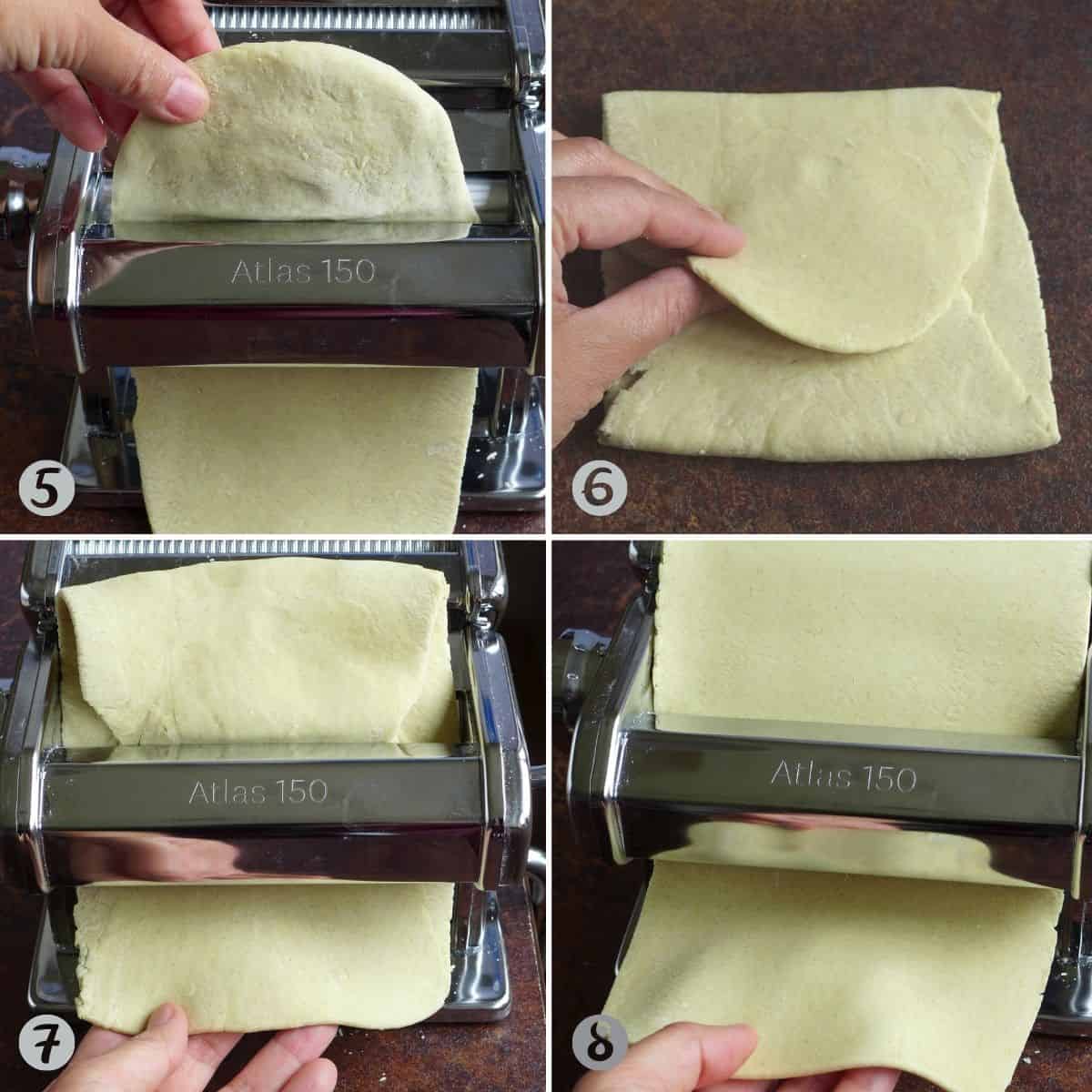
Step 6: Feed the flattened dough from step 5 through the widest roller setting. Fold it lengthways and pass it through again a couple of times to make the sheet smoother.
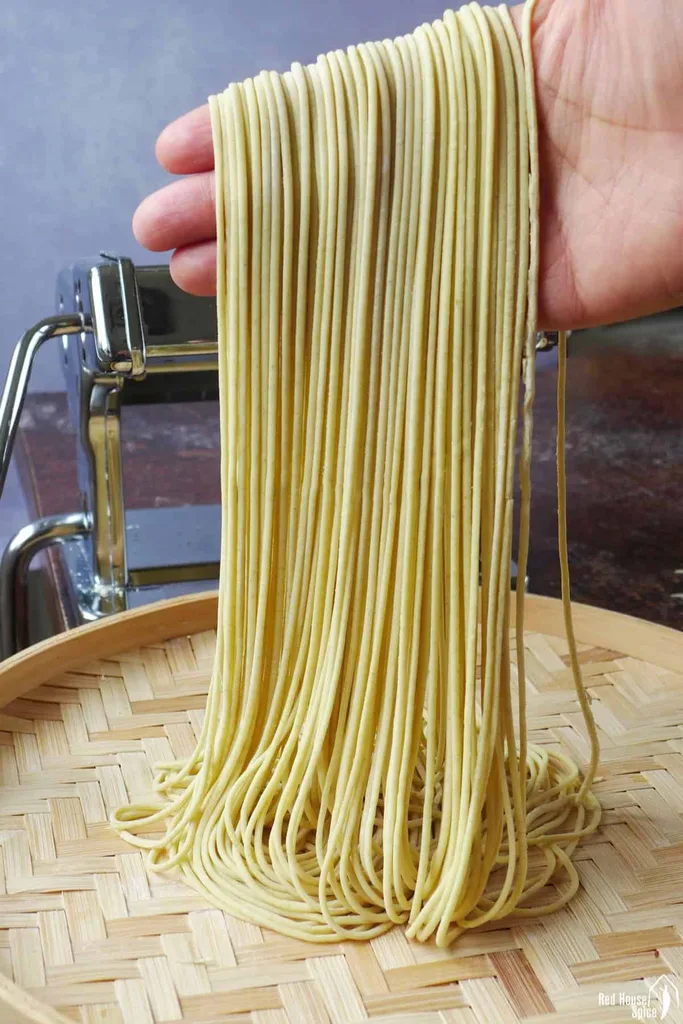
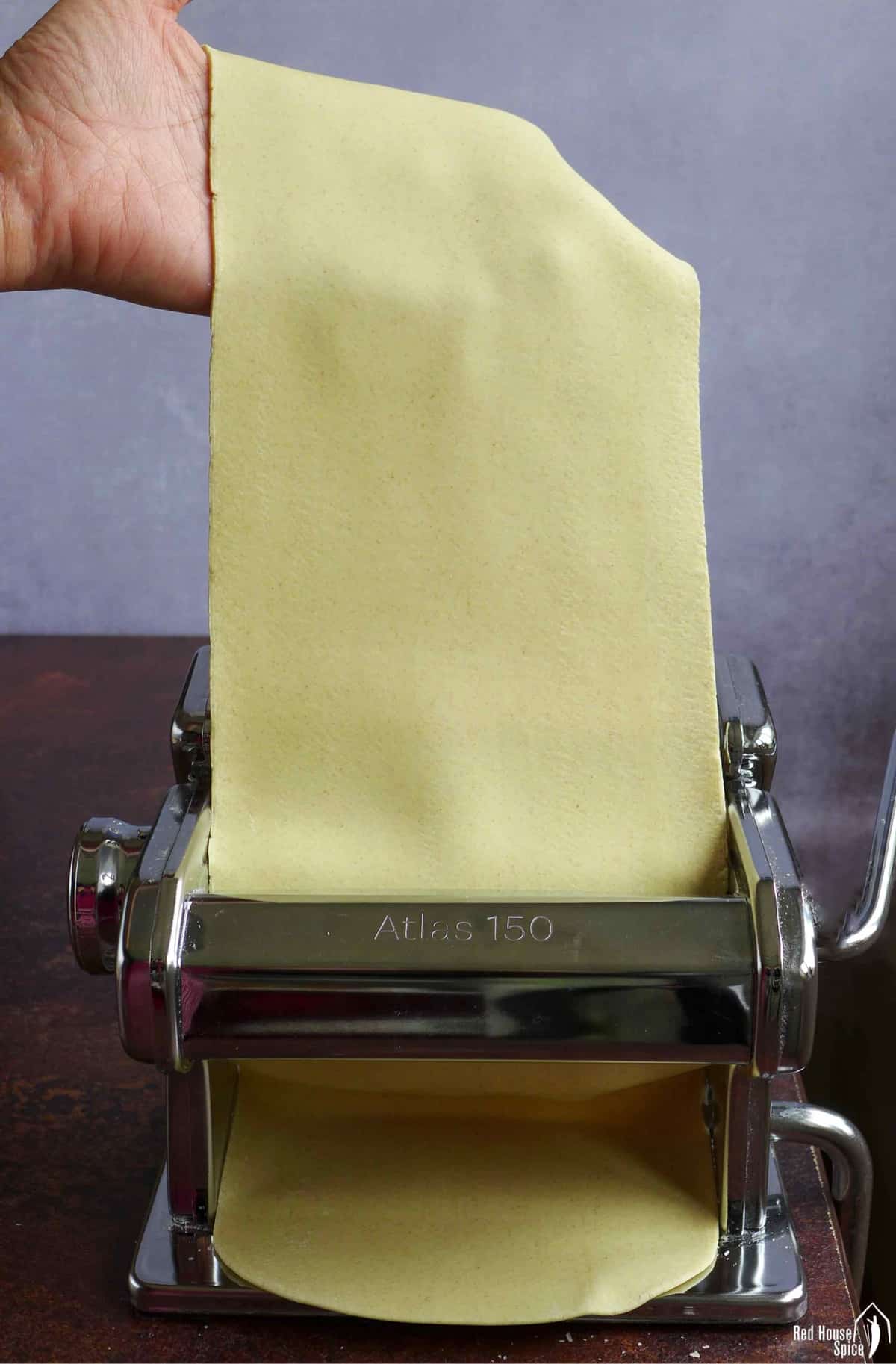
Step 7: Reduce the roller thickness one setting at a time, passing the sheet from step 6 through twice at each setting, until about 1.8–2.4 mm thick. Machine setting numbers vary; use the sheet thickness as the guide.
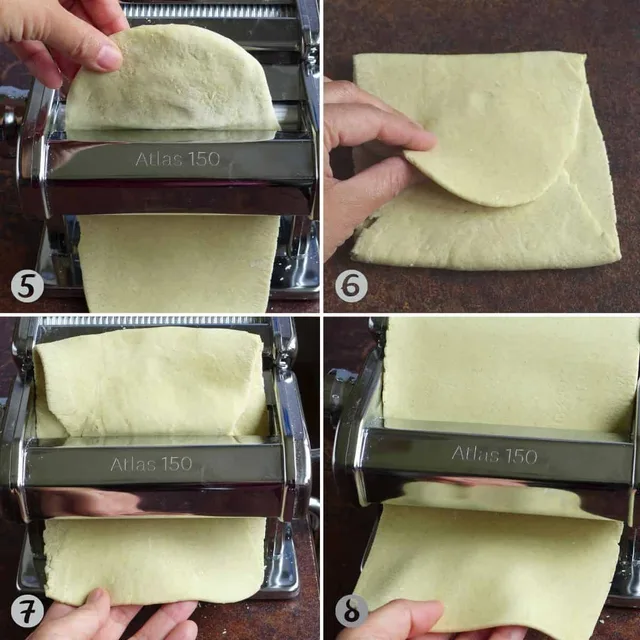
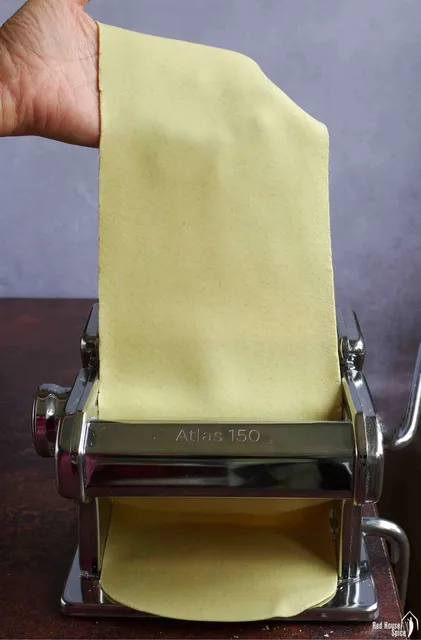
Step 8: Dust both sides of the dough sheet from step 7 with a thin layer of cornstarch so the cut strands will not stick.
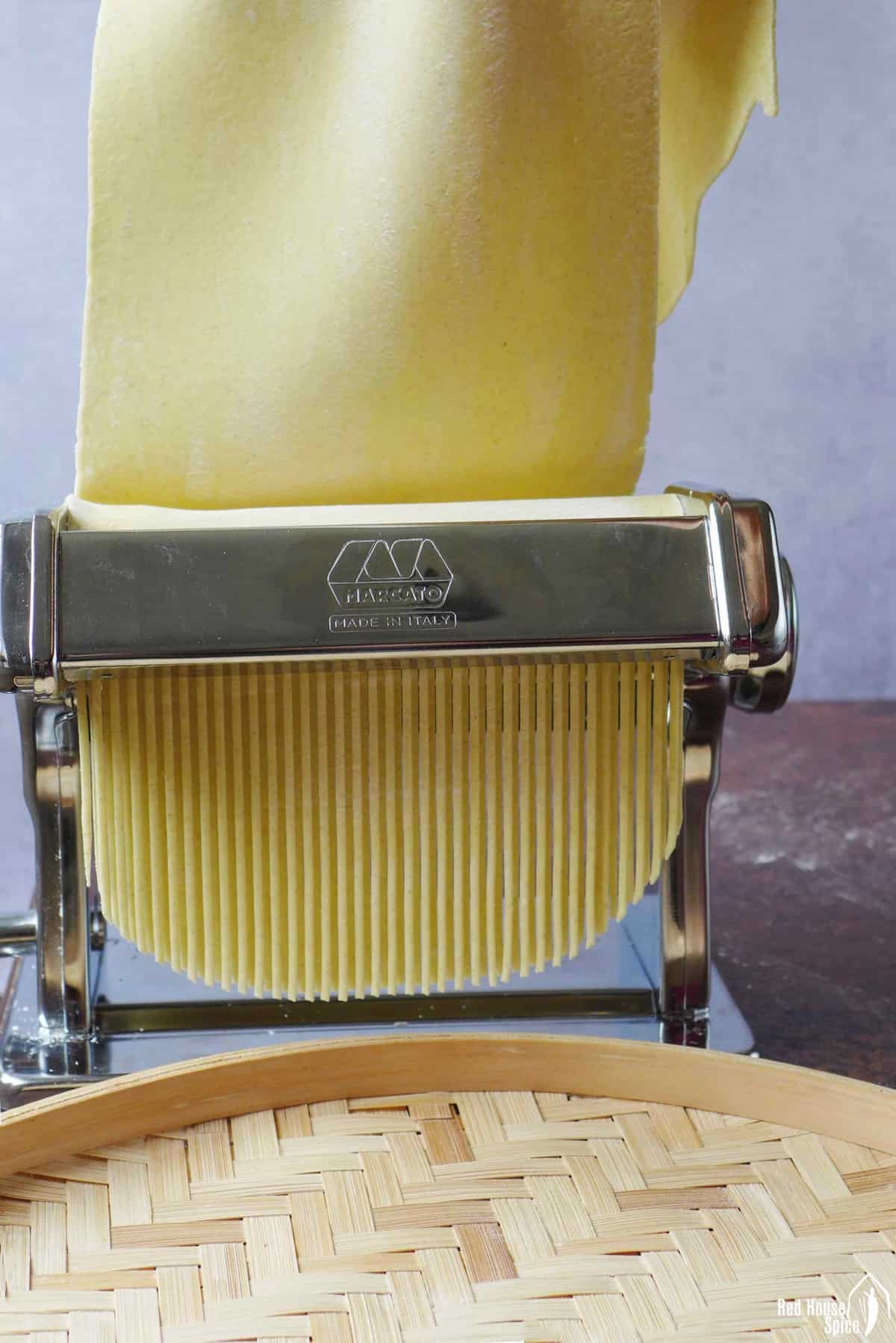
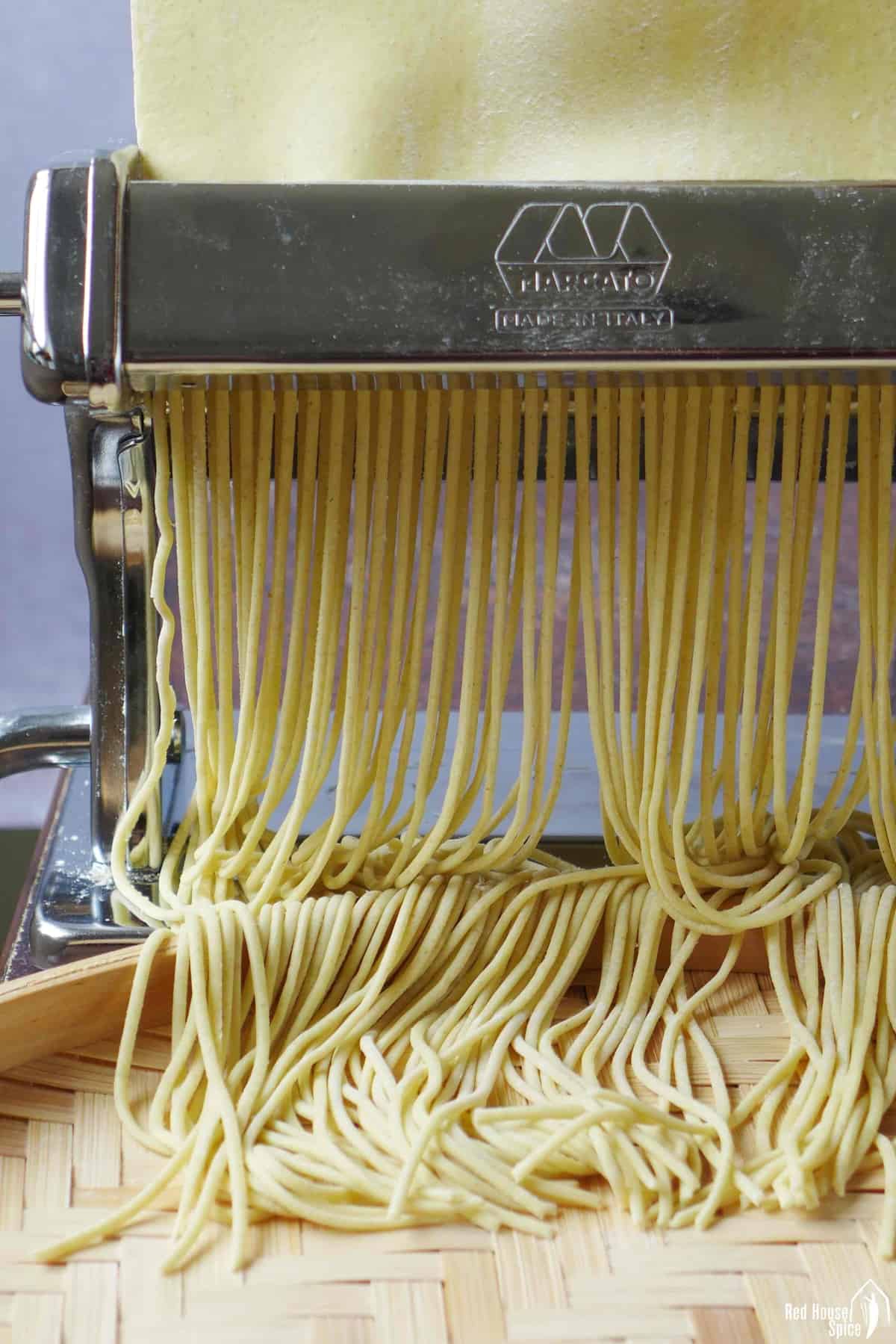
Step 9: Pass the dusted sheet from step 8 through the noodle-cutting attachment, catching the strands halfway through. Repeat steps 5–8 and this cutting action with each of the three covered dough portions from step 4. Keep four portions of uncooked noodles. For making ahead, seal uncooked portions in bags or containers and refrigerate for up to 5 days or freeze for up to 3 months; cook frozen noodles without thawing.
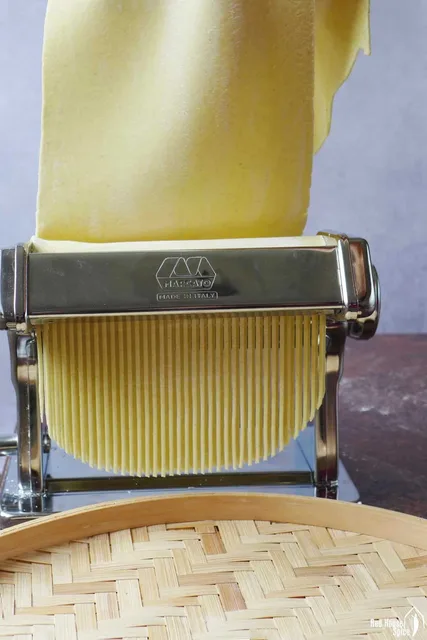
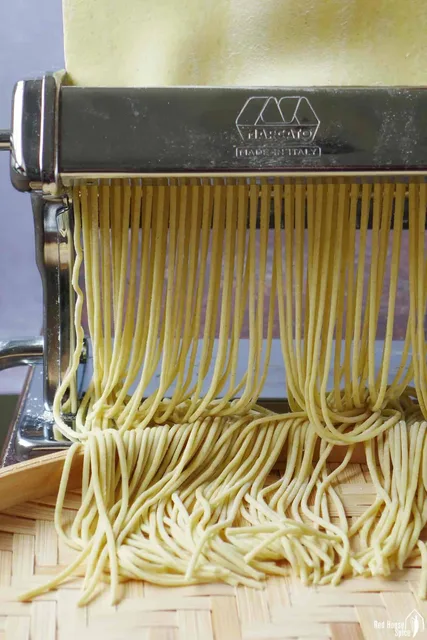
Step 10: Bring a large pot of separate noodle-cooking water to a full boil. Add the uncooked noodles from step 9, fresh or frozen without thawing. Once the water returns to a full boil, cook for a further 1–2 minutes, checking from 1 minute. Taste a strand and continue only as needed until cooked through and springy. Cook only the portions you need, leaving the rest refrigerated or frozen.
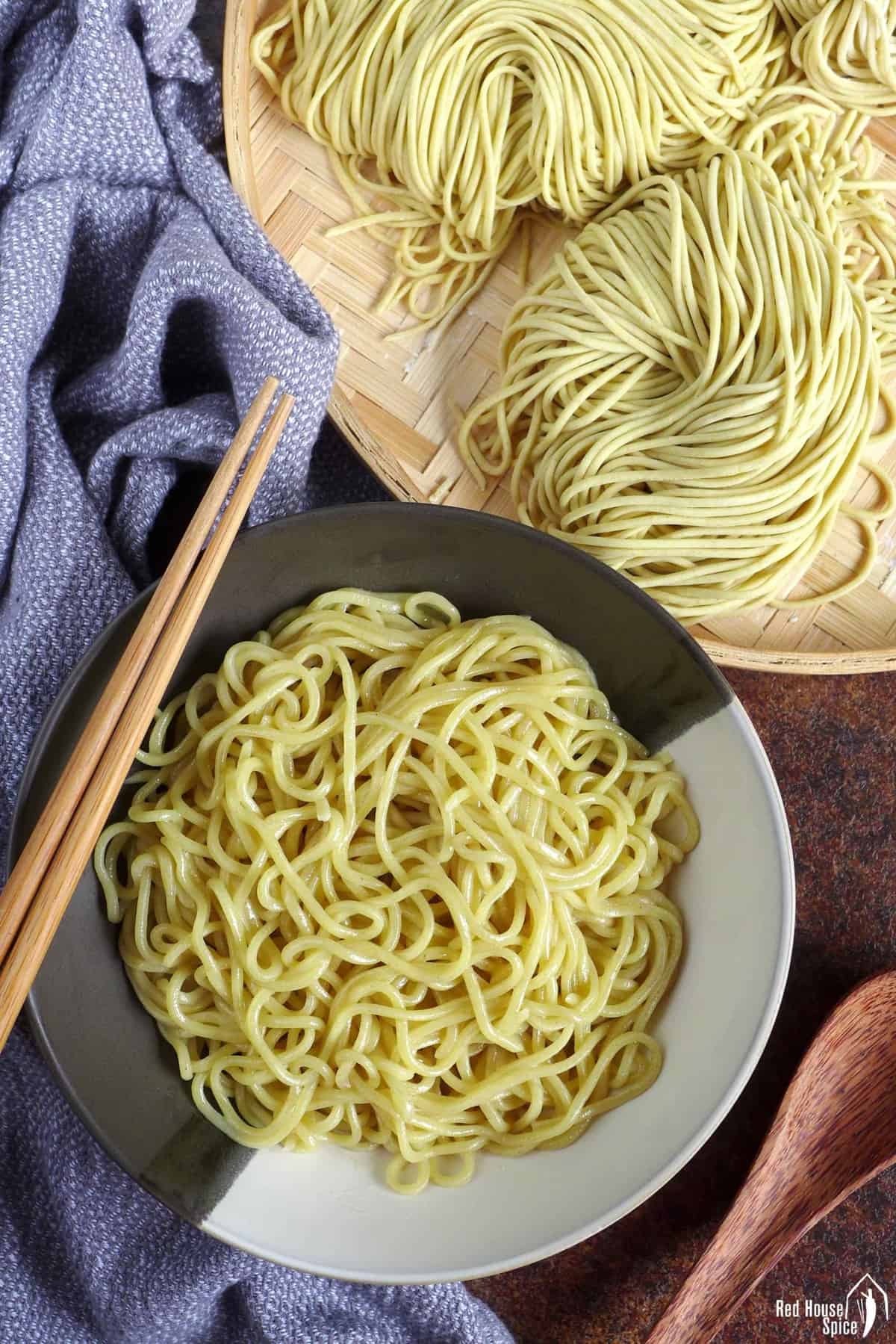
Step 11: Lift the cooked noodles from step 10, rinse under running water for a few seconds and drain well. If using them cold, rinse until cooled. Use these plain cooked noodles in a separately prepared soup or noodle dish.
Photos (3)
Comments
0 threadsSign in to join the discussion.
No comments yet. Start the discussion.