

Chinese · Wrappers
How to Make Wonton Wrappers
From the zcook collection
Thin, chewy homemade wonton wrappers made from bread flour, water and cornstarch. The plain dough has no egg or salt; choose a separate filling recipe only if using the optional filled-wonton cooking or freezing branches.
- Chinese
- Wonton wrappers
- Homemade dough
- Pasta roller
- Prep
- 2 hr
- Cook
- 10 min
- Serves
- Approximately 24 wonton wrappers; actual count varies with size and thickness
- Level
- Medium
- Energy
- 66 kcal
Method11 steps
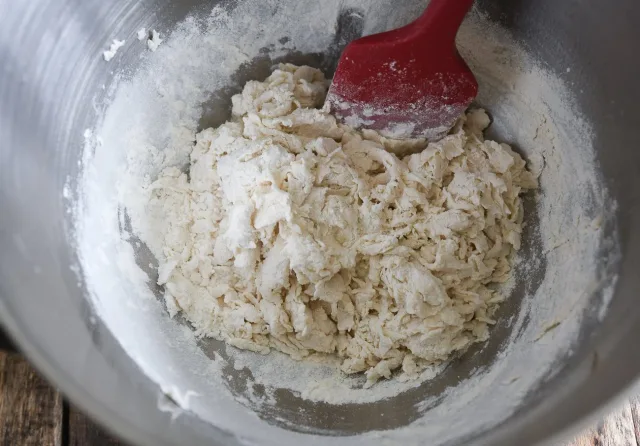
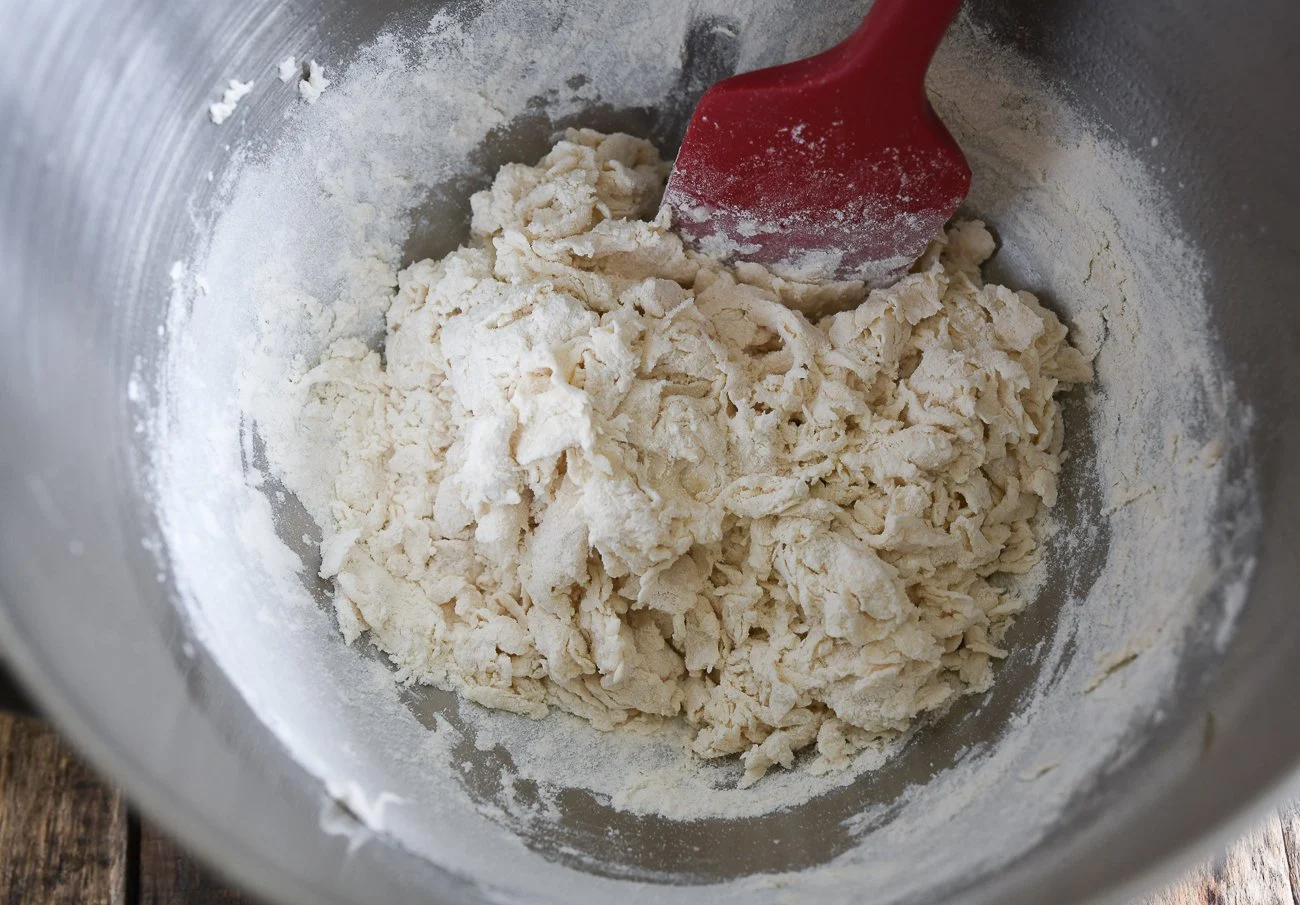
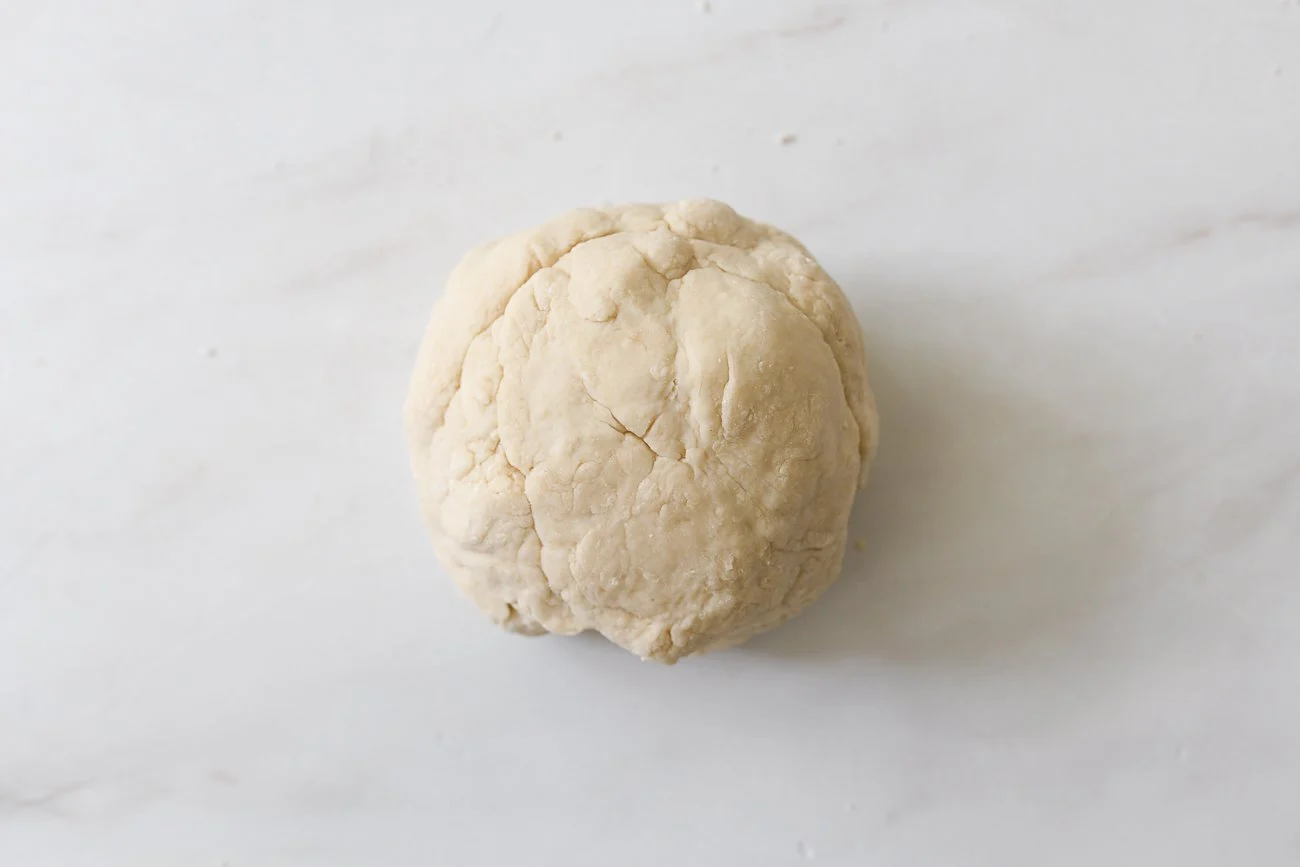
Step 1: Put the 490 g bread flour in a large bowl. Gradually mix in the 237 g tepid dough water with a rubber spatula, or use a stand mixer with a dough hook, until shaggy. Knead by hand for about 5 minutes, until lumpy but relatively cohesive and firm; the dough will become smoother after resting.
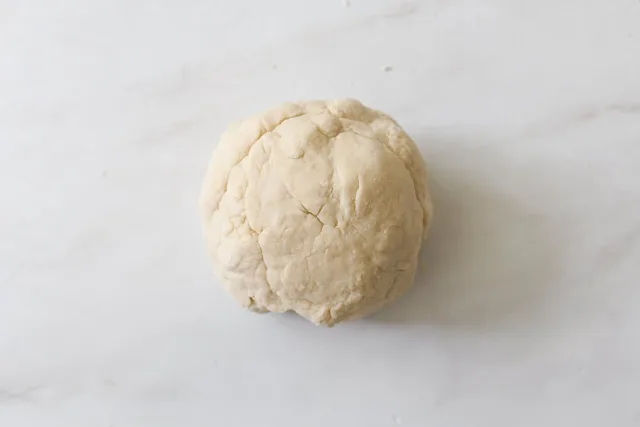
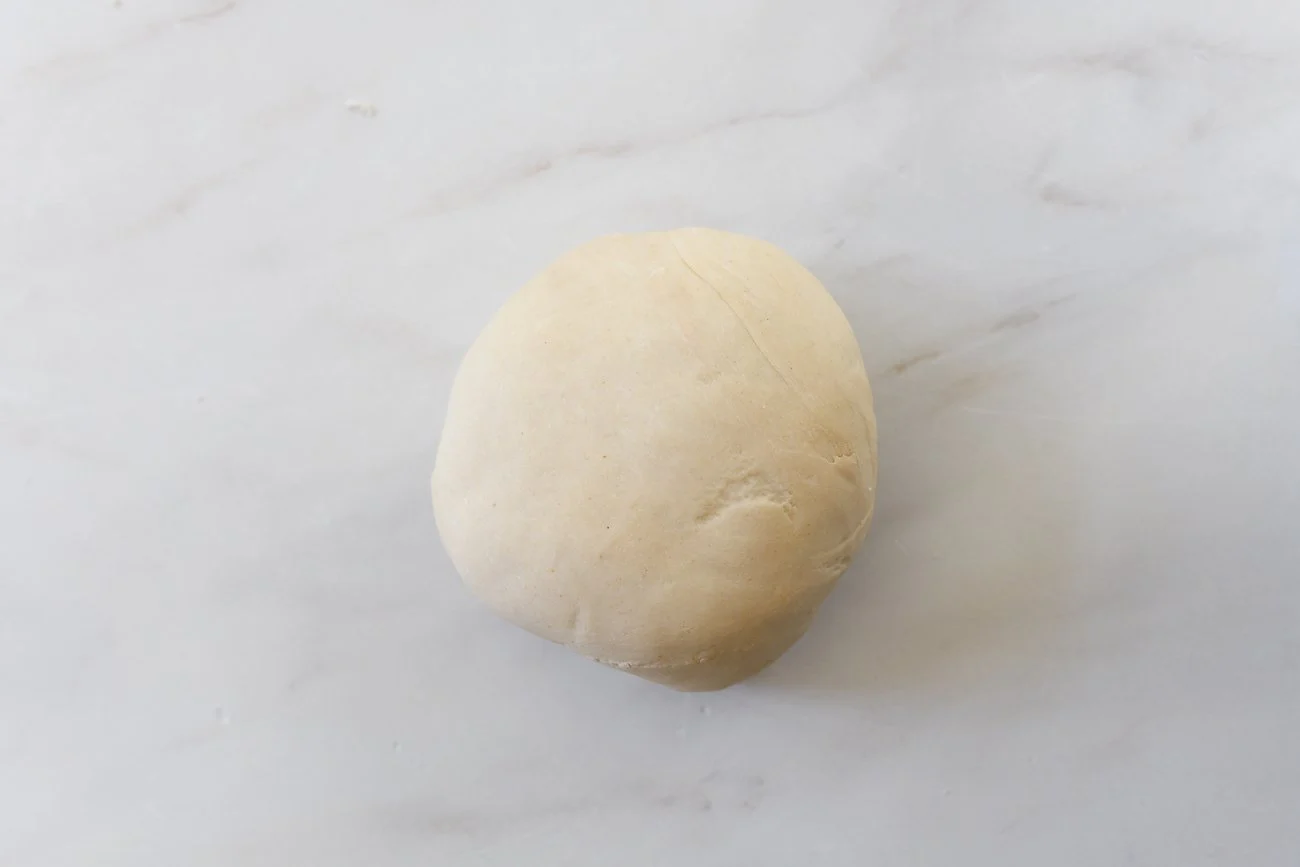
Step 2: Cover the dough on the counter with an overturned bowl. Rest for at least 30 minutes, or up to 4 hours, until it becomes smoother and pliable.
Step 3: Divide the rested dough into four equal quarters. Work with one quarter at a time and keep the others covered under the bowl.
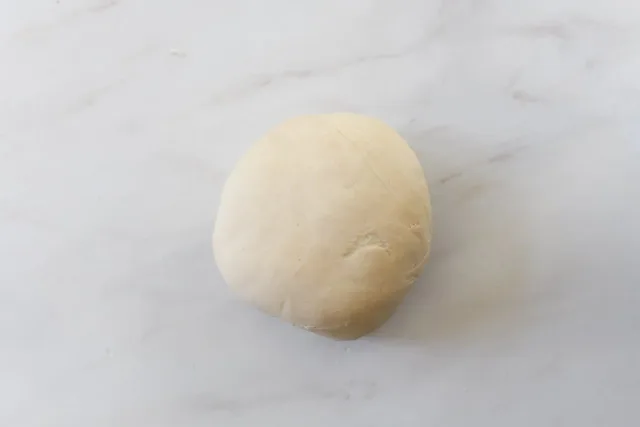
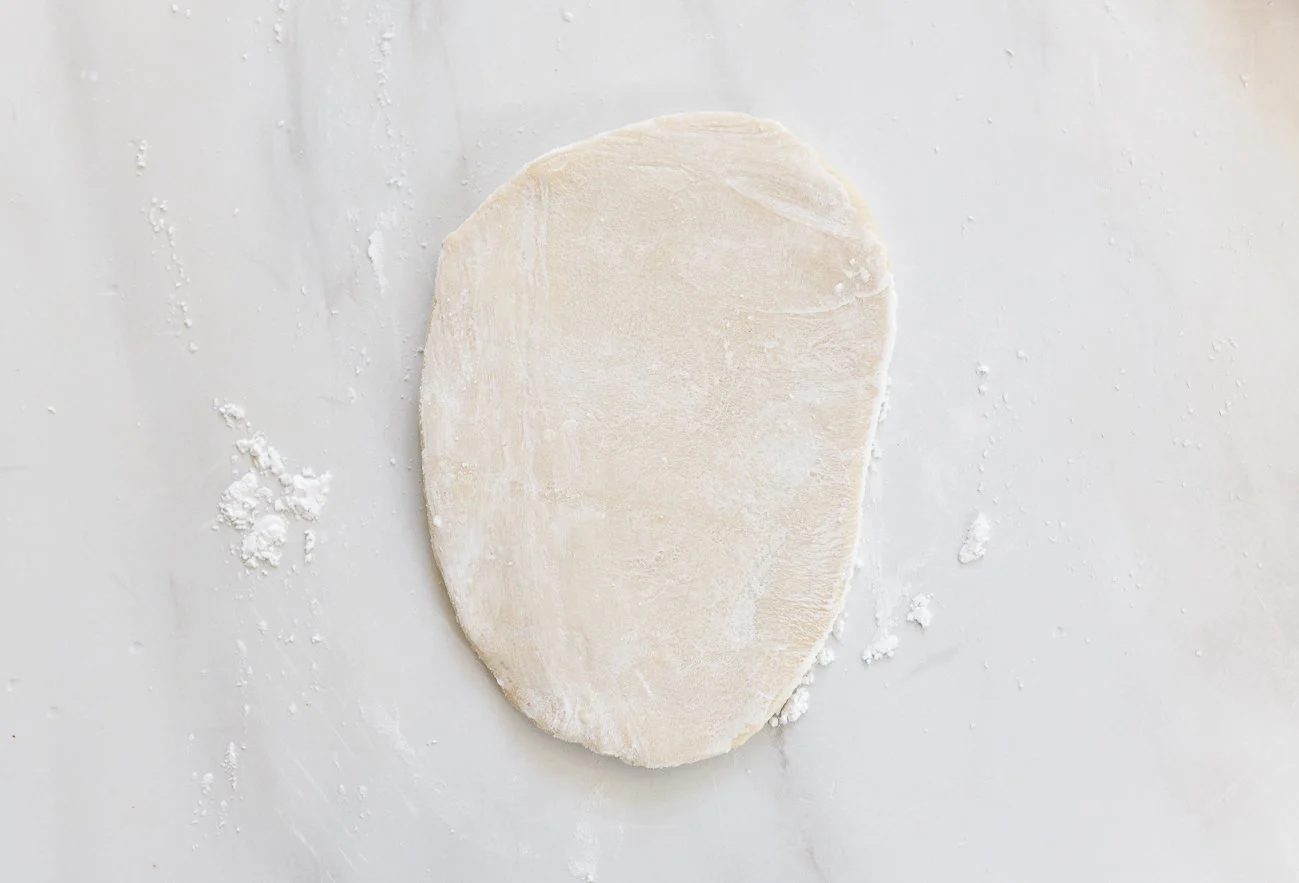
Step 4: Take the first quarter and flatten it into a rough rectangle. Roll it slightly with a rolling pin until thin enough to enter the pasta roller, stretching the corners to keep its rectangular shape. Dust both sides thoroughly with cornstarch.
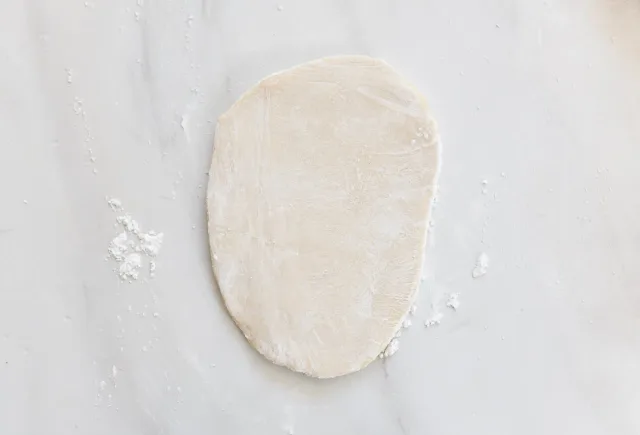
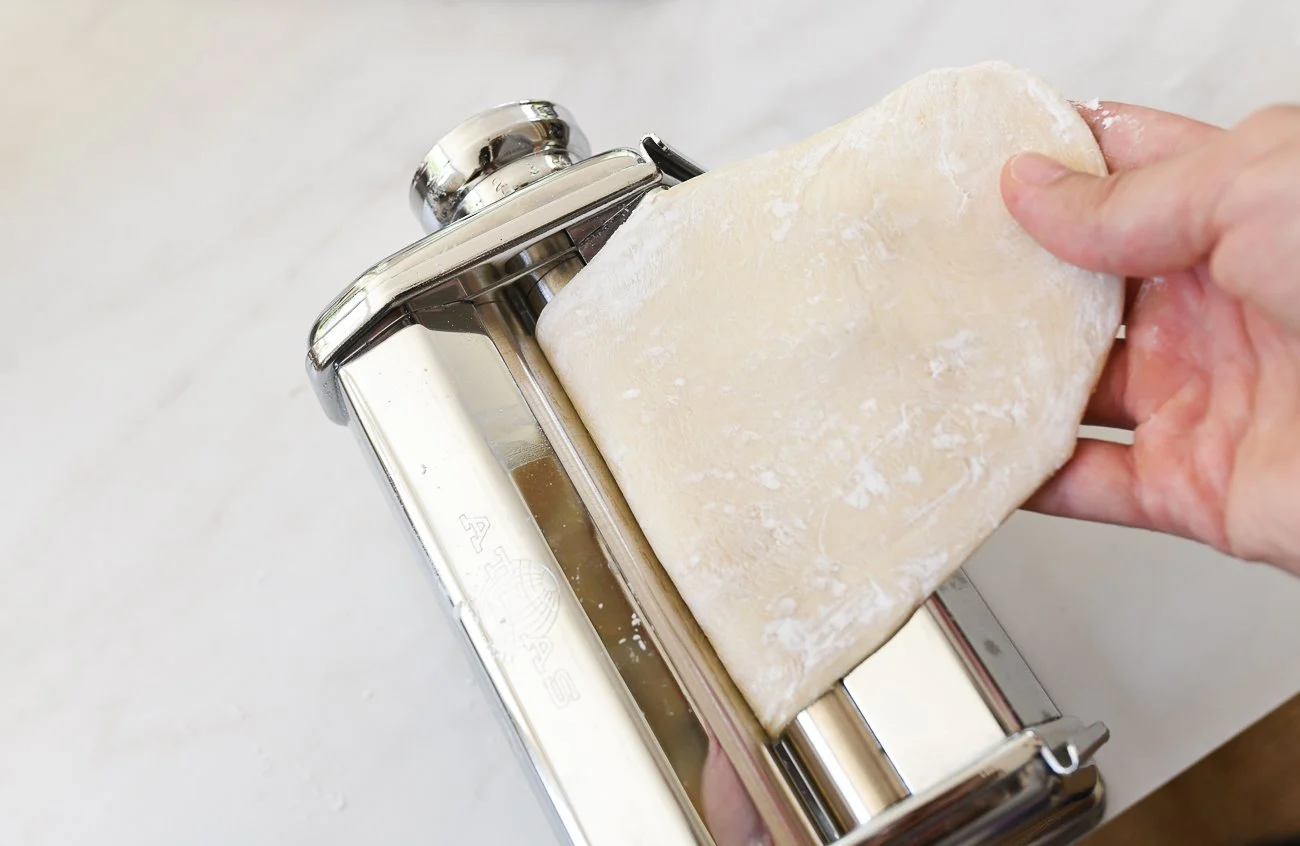
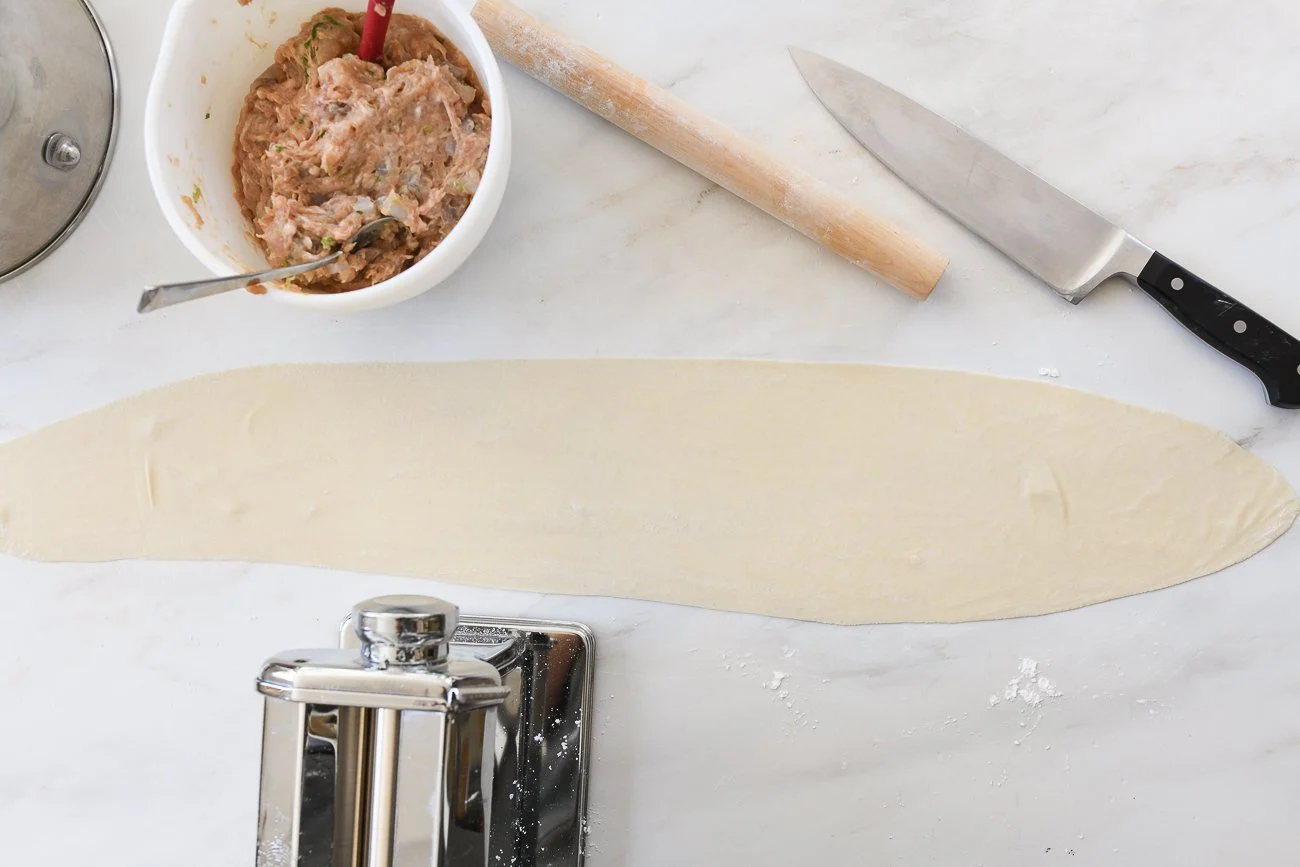
Step 5: Feed the dusted dough through the pasta roller at its thickest setting, then through progressively thinner settings. Cut a very long sheet in half crosswise if needed for handling. Stop when just short of paper-thin; the author used setting 5, the second-to-last setting on an Atlas roller. Without a pasta roller, use a rolling pin to reach the same thinness. Dust both sides of the finished sheet with cornstarch again.
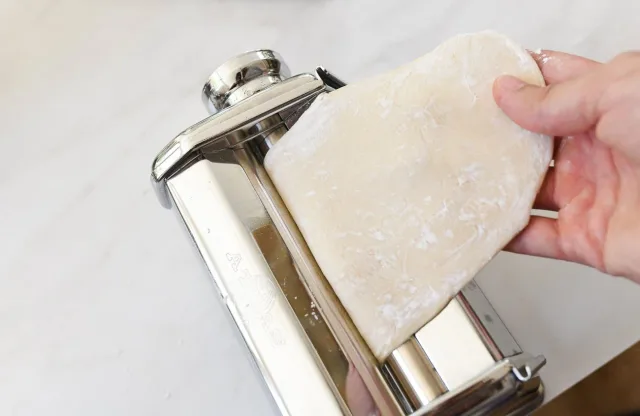
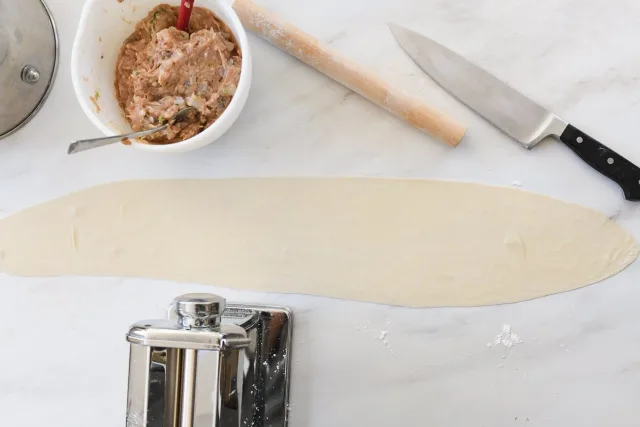
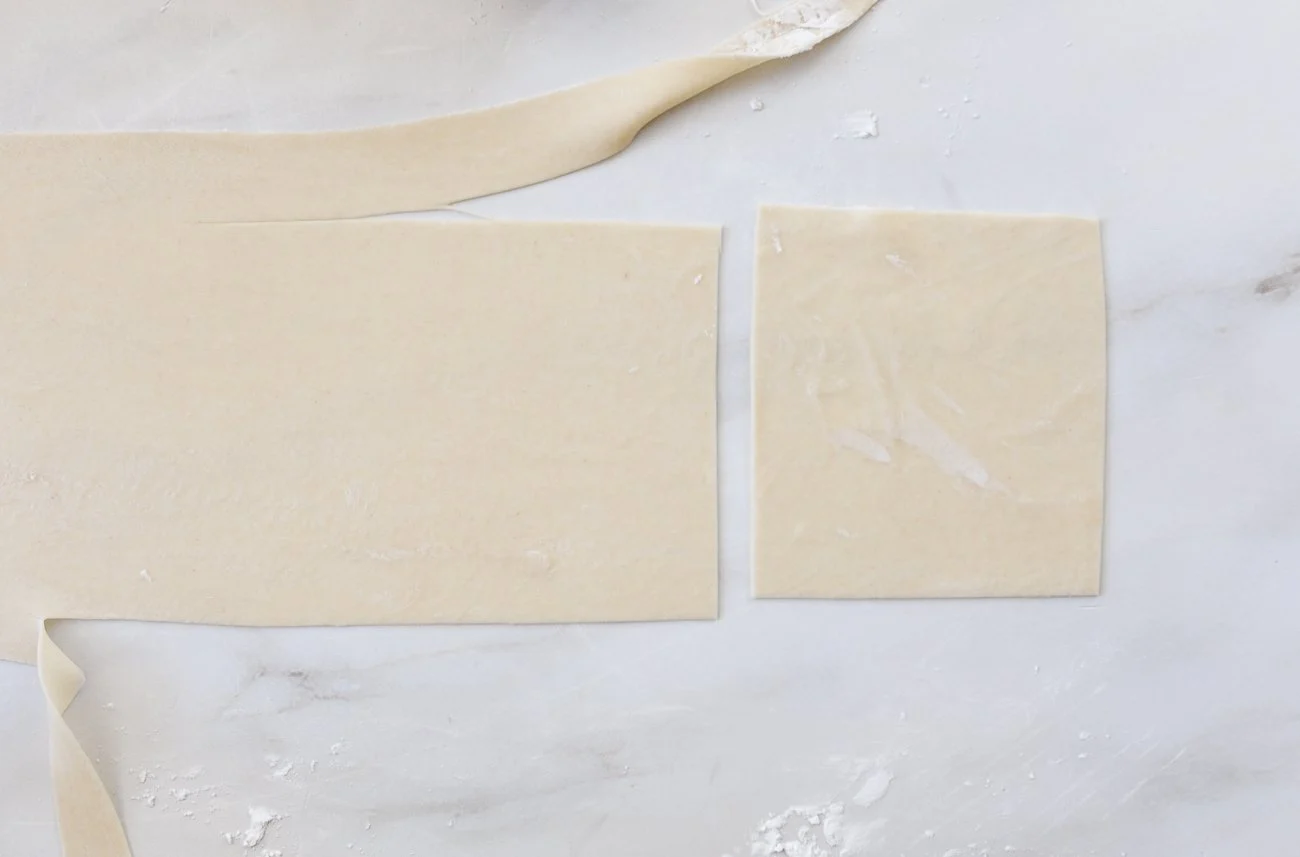
Step 6: Trim the sheet to straight edges and cut squares about 3½–4 inches (9–10 cm) wide, using a knife or pizza cutter and a straight edge. Keep the trimmed scraps for re-rolling.
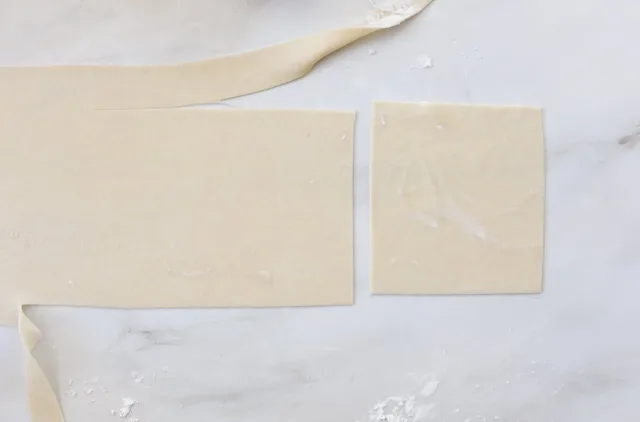
Step 7: Repeat the flattening, dusting, rolling and cutting with the other three covered dough quarters. Press the trimmed scraps together and keep them covered while they relax again; once pliable, knead until relatively smooth and re-roll to make more wrappers. Expect about 24 wrappers, with the final count depending on their size, thickness and scrap recovery.
Step 8: Optional filled-wonton use: prepare your chosen filling from a separate recipe and keep it refrigerated while you work. Assemble the wontons as you cut the wrappers, using a little clean water to seal their edges. Add only enough filling for a secure seal and keep any unused filling refrigerated. Skip this branch if you are only making the plain wrappers.
Step 9: For filled wontons, choose cooking or freezing within 1 hour of assembly; moisture from the filling can otherwise soften the very thin wrappers. Keep the filling and waiting assembled wontons refrigerated as you work.
Step 10: For the cooking branch, bring a pot of cooking water to a boil. Add the filled wontons and stir gently so they do not stick to the bottom. Boil for about 5–6 minutes, checking from 5 minutes, and add a little cold water whenever the pot returns to a vigorous boil. Cook until both the wrappers and the chosen filling are fully done, following the filling recipe’s doneness endpoint. Lift and drain the cooked wontons for serving with that recipe.
Step 11: For the freezer branch instead, arrange uncooked assembled wontons on a parchment-lined baking sheet about ¼ inch (0.5 cm) apart so they do not touch. Cover and freeze overnight until solid, then transfer to freezer bags and store frozen for up to 3 months. When cooking them later, use the boiling method and the chosen filling recipe’s cooking guidance, allowing enough time for the frozen filling to cook fully.
Photos (1)
Comments
0 threadsSign in to join the discussion.
No comments yet. Start the discussion.