
Japanese · Dinner
Okonomiyaki (Japanese Savoury Pancake)
From the zcook collection
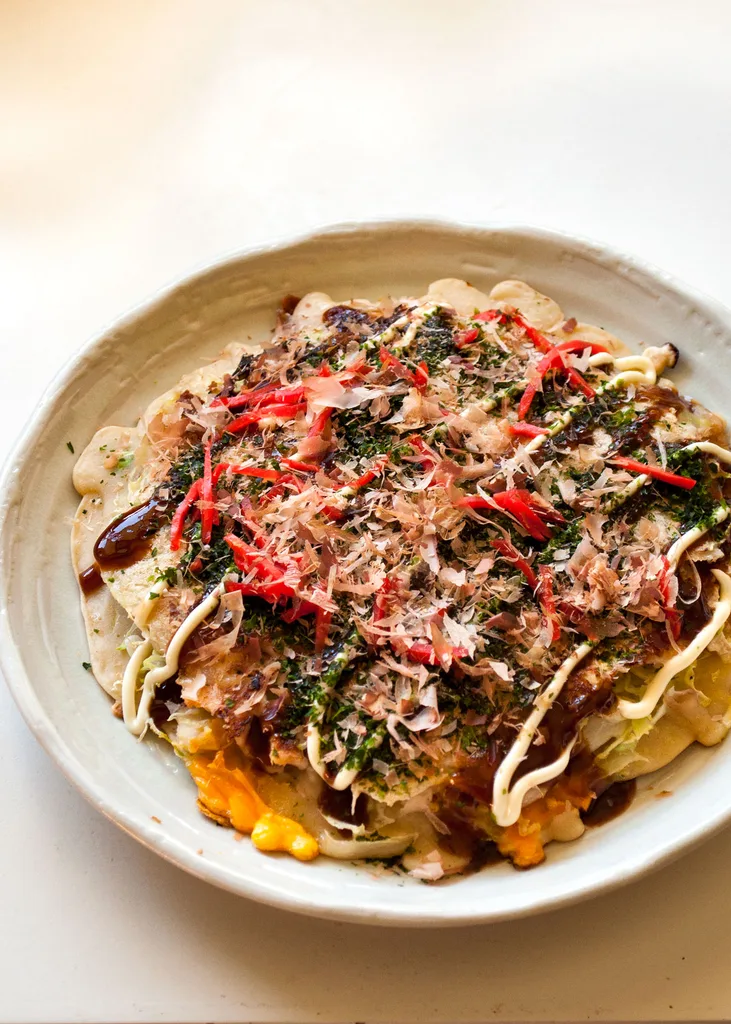
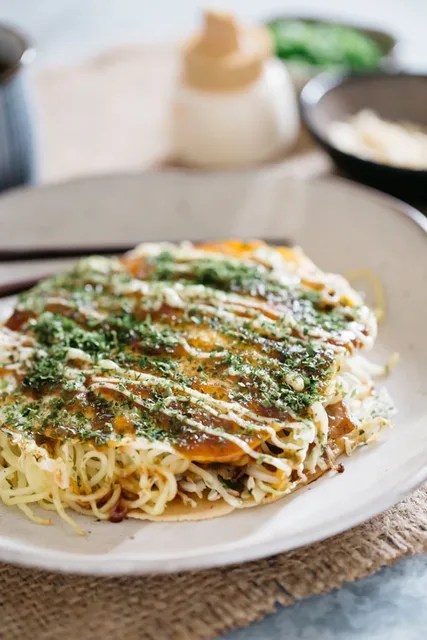
Two cabbage pancakes made with ready dashi and an egg in the batter, each topped with a separate egg, thin pork slices and bonito flakes. Cook them one at a time, then finish with ready Bulldog tonkatsu sauce and optional mayonnaise, seaweed, pickled ginger and extra bonito.
- Japanese
- Main
- Prep
- 10 min
- Serves
- 2 pancakes for 2–3 people
- Level
- Medium
Method14 steps
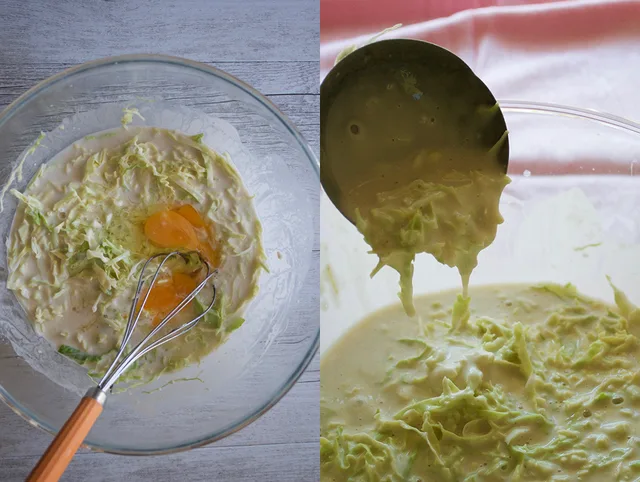
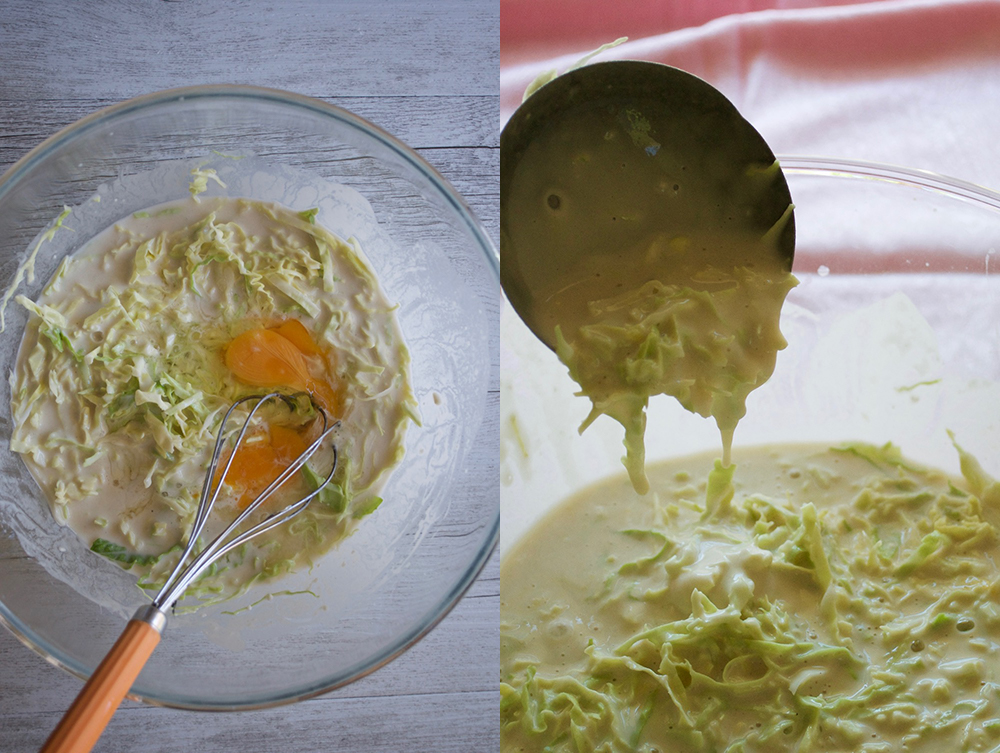
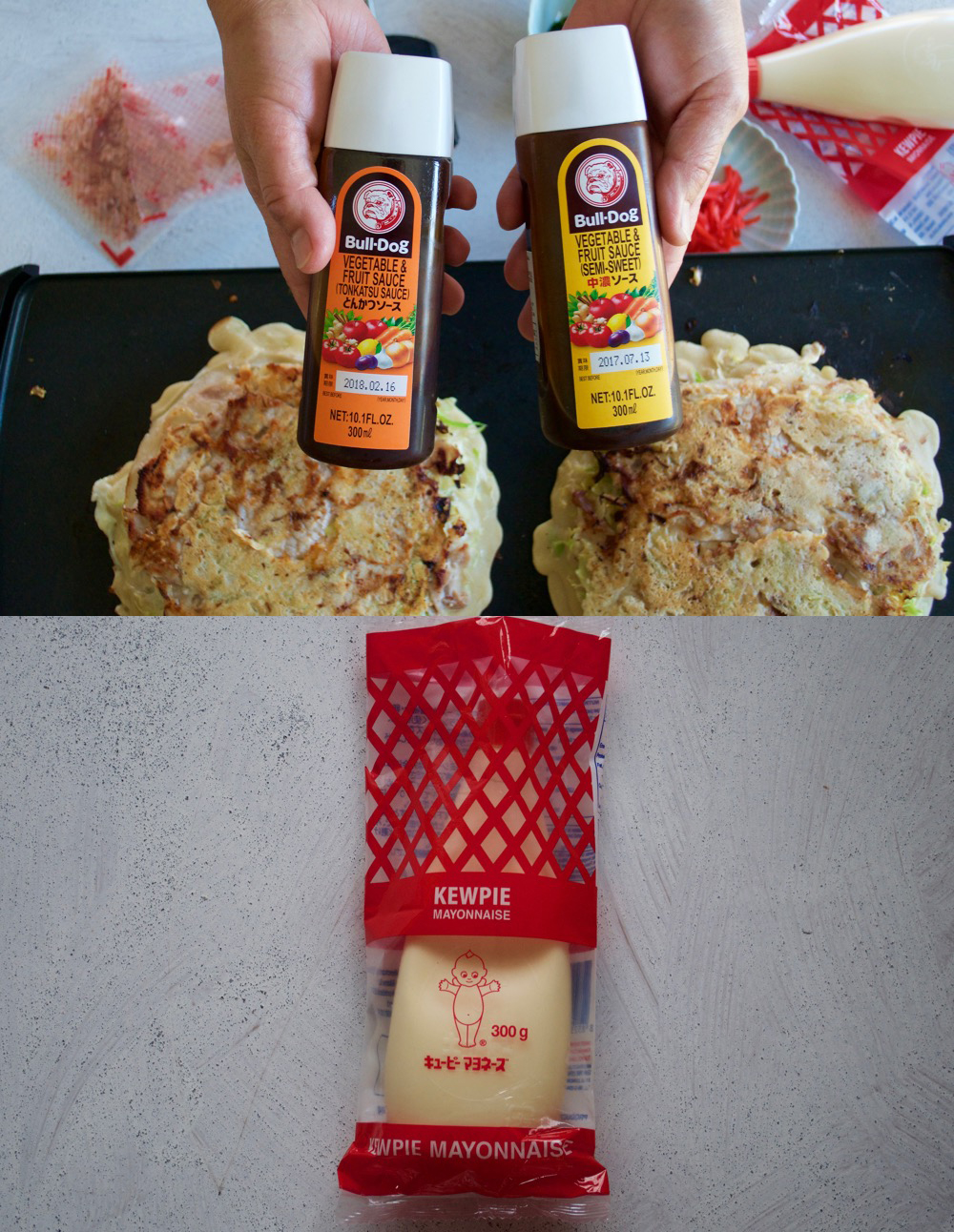
Step 1: Whisk all 1½ cups plain flour and 350 ml ready dashi in a bowl until smooth and free of flour lumps.
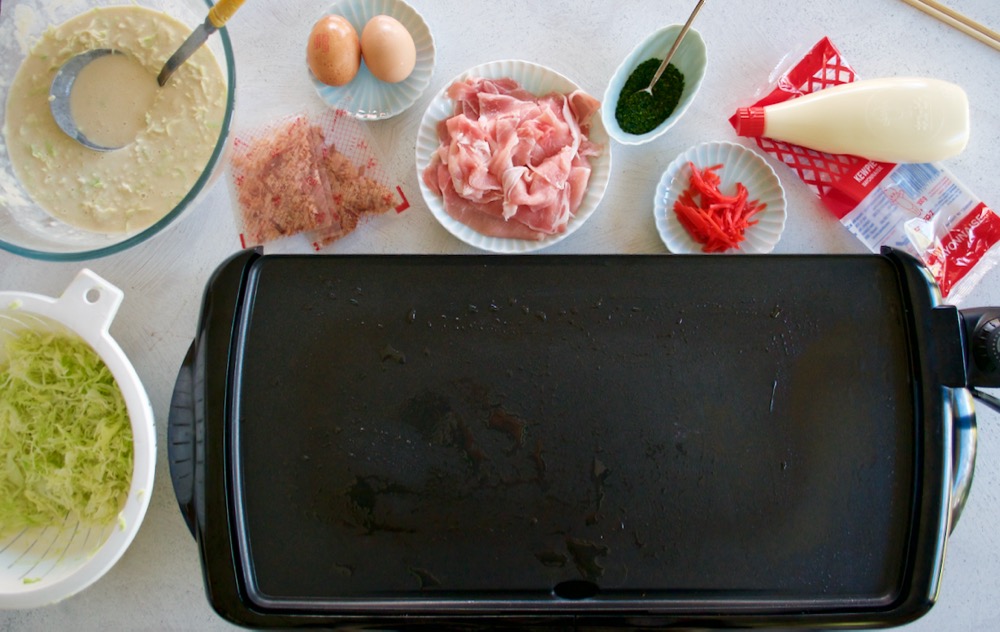
Step 2: Mix all 140 g shredded batter cabbage and the single batter egg (1) into the flour-and-dashi mixture from step 1. Keep the separate topping cabbage and two topping eggs ready for assembling the pancakes.
Step 3: Heat 1 tbsp of the vegetable oil in a large frying pan or on an iron plate over medium heat. Cook one pancake at a time.
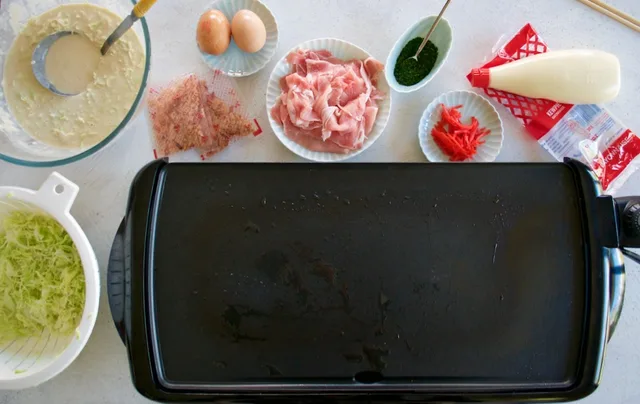
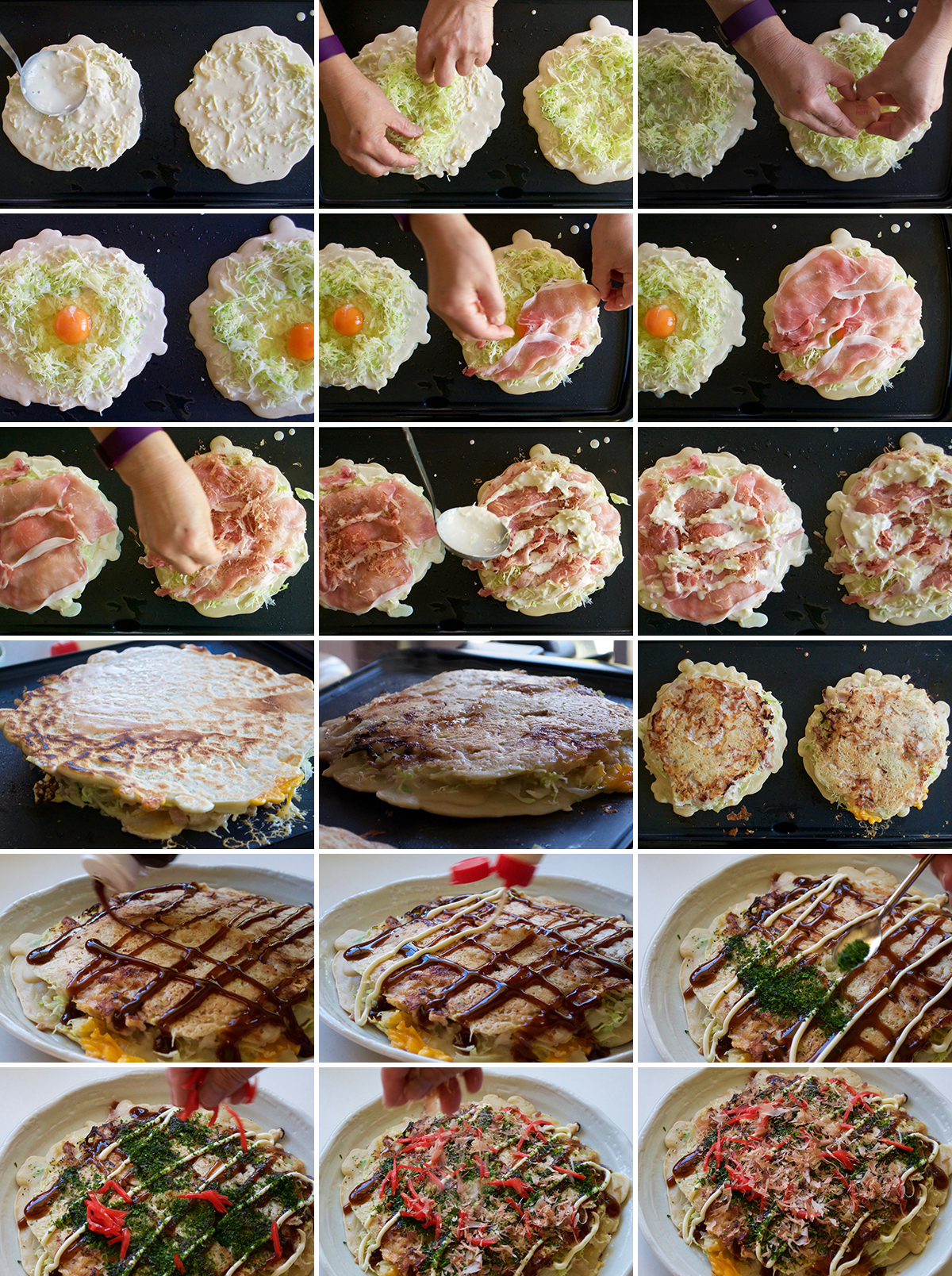
Step 4: Ladle a little less than half of the cabbage batter from step 2 onto the heated pan from step 3. Spread into a round about 18 cm across. Leave enough batter in the bowl for a small drizzle over this pancake and for the second pancake.
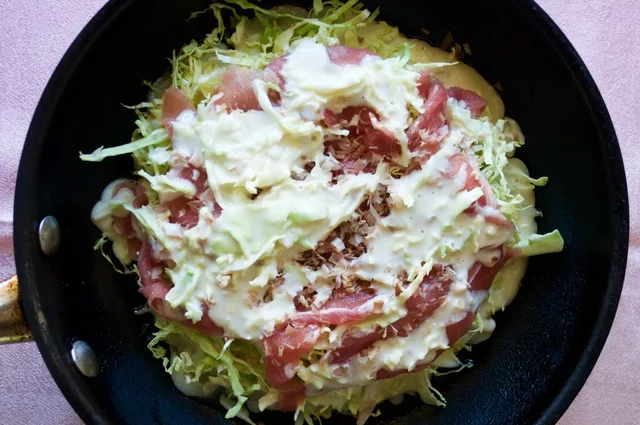
Step 5: Arrange 35 g of the separate topping cabbage (35 g) on the first pancake from step 4. Make a well in the cabbage and crack one of the two topping eggs into it.
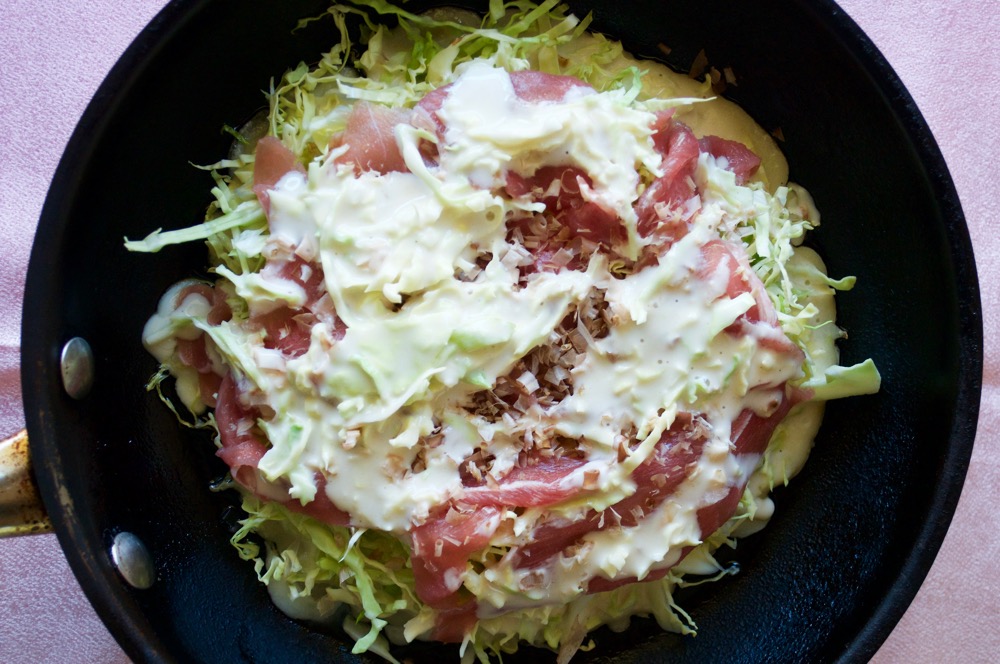
Step 6: Spread 60 g thin pork slices over the first pancake from step 5, covering the surface. Sprinkle ⅛ cup of the cooking bonito flakes over the pork.
Step 7: Take a small ladleful of batter from the bowl in step 2 and drizzle it across the pork and bonito on the pancake from step 6. Leave gaps rather than covering the whole surface; the drizzle helps hold the toppings together when turning.
Step 8: Cook the first assembled pancake from step 7 for about 10 minutes, until its underside is light golden brown and it holds its shape when lifted with a spatula.
Step 9: Turn the pancake from step 8 with a spatula. Cook its topping side for about another 10 minutes, until light golden brown.
Step 10: Turn the pancake from step 9 again so its toppings face up. Check that the centre batter is cooked through: a chopstick inserted and removed should be clean and dry. The egg and batter should reach 71°C, with the egg white and yolk set, and the pork should reach at least 63°C. Continue cooking if needed.
Step 11: Transfer the fully cooked first pancake from step 10 to a plate and let it rest for at least 3 minutes after the pork reaches 63°C. Keep it hot while making the second pancake.
Step 12: Heat the remaining 1 tbsp oil. Repeat steps 4–11 for the second pancake using all remaining batter, reserving a small amount of it for the topping drizzle, together with the remaining 35 g topping cabbage, one topping egg, 60 g pork and ⅛ cup cooking bonito. Cook for about 10 minutes per side and check the same cooked centre, set egg and pork temperatures. Rest it for at least 3 minutes after the pork reaches 63°C. Both pancakes are now ready for finishing.
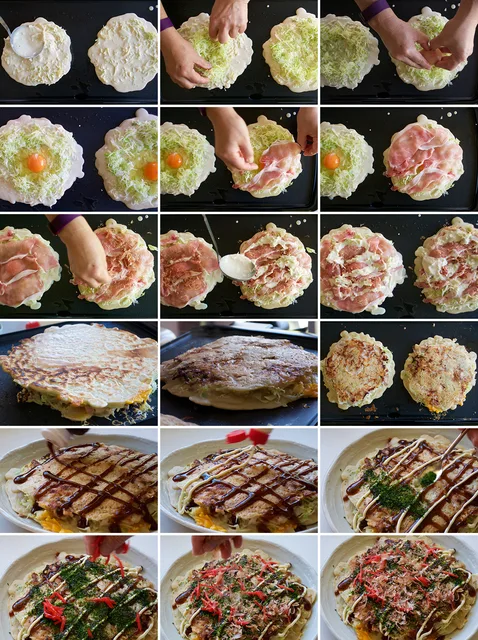
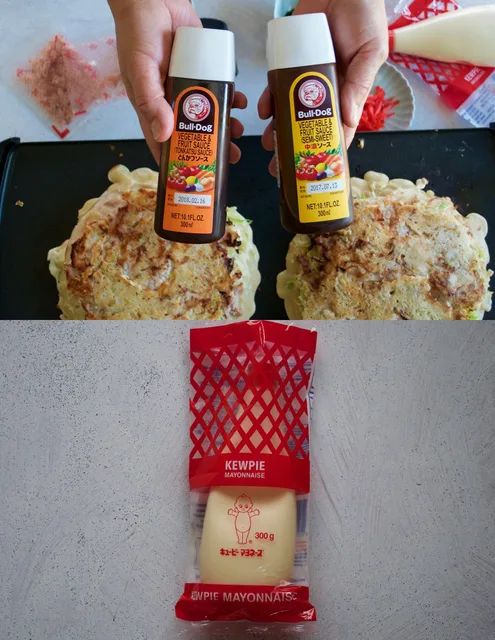
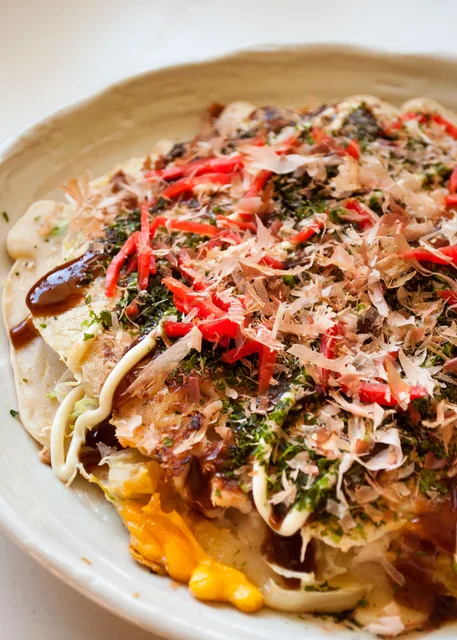
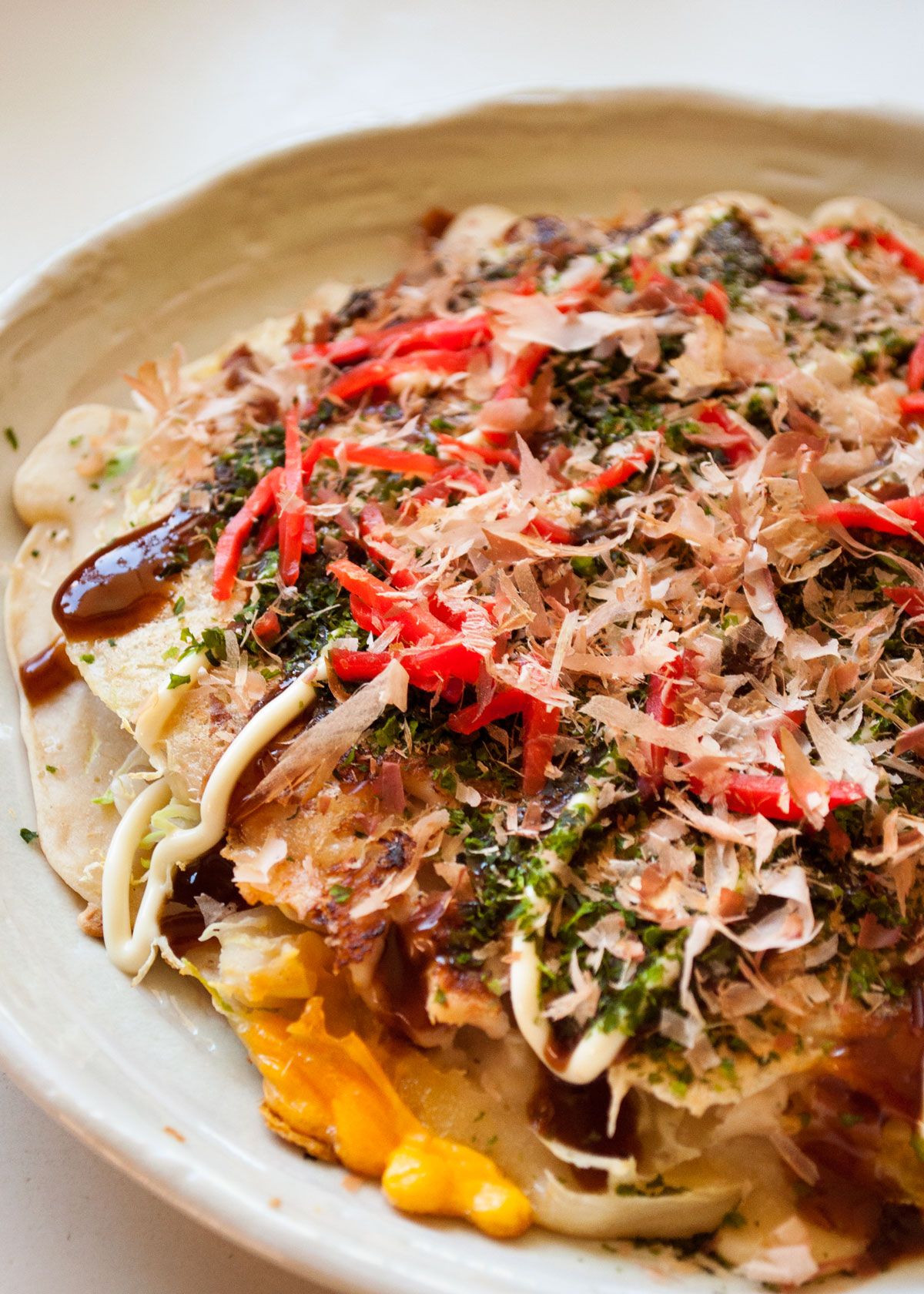
Step 13: Drizzle ready Bulldog tonkatsu sauce over the two cooked pancakes from step 12. Add Kewpie mayonnaise if using, then the optional aonori, benishoga and extra bonito garnish to taste.
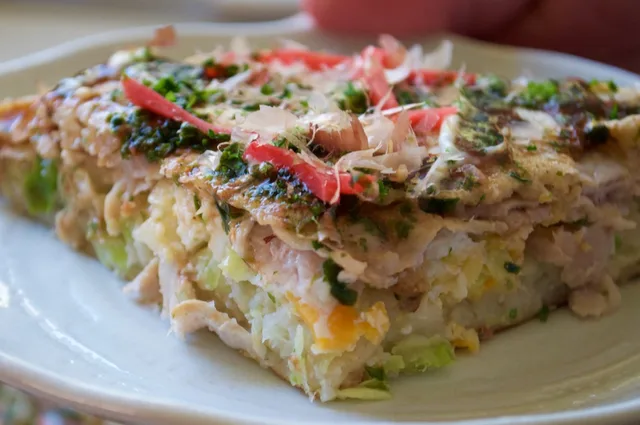
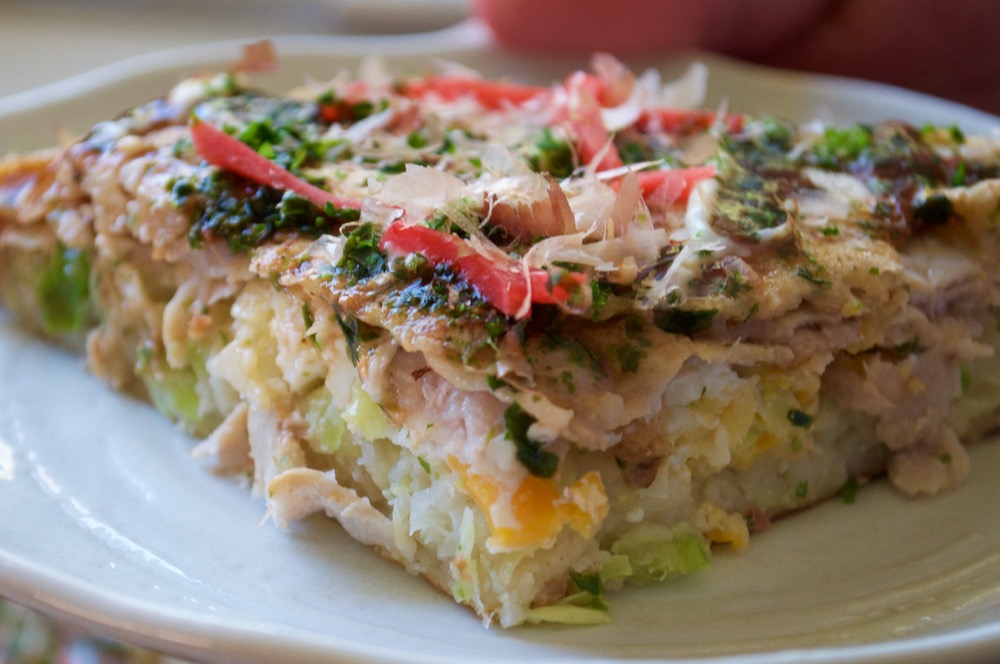
Step 14: Cut each finished pancake from step 13 into quarters and serve immediately. The two pancakes serve two to three people.
Photos (1)
Comments
0 threadsSign in to join the discussion.

No comments yet. Start the discussion.