

Singaporean · Dinner
Peranakan Dry Mee Siam
From the zcook collection
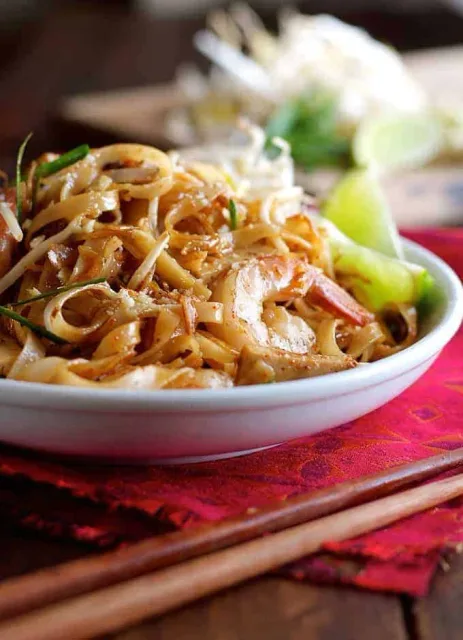
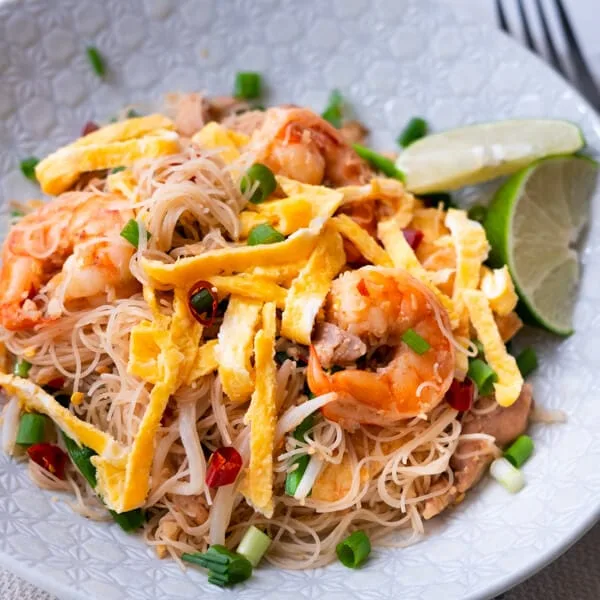
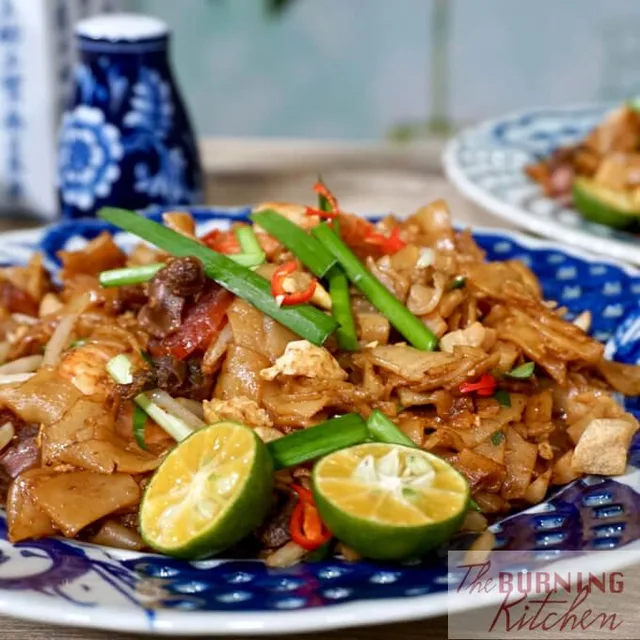
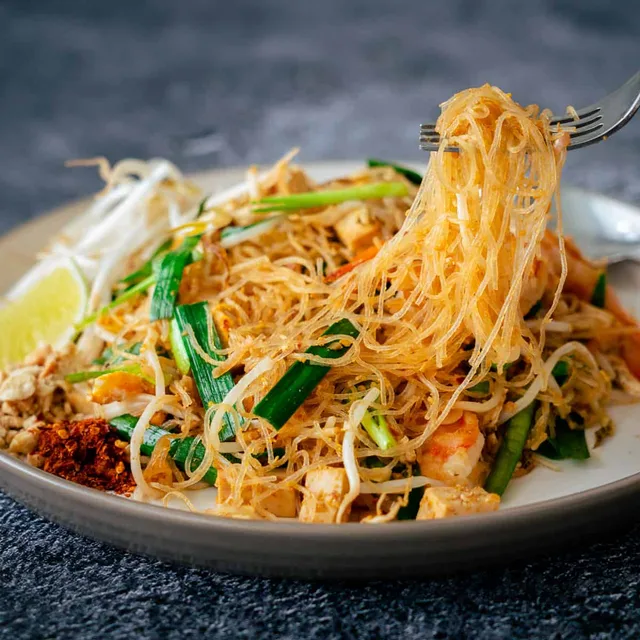
Peranakan dry mee siam with rice vermicelli, dried shrimp, tamarind, preserved soy beans, tofu and thoroughly cooked sprouts. Serve with hard-boiled egg slices, Chinese chives and lime.
- Dairy-free
- Spicy
- Singaporean
- Malaysian
- Peranakan
- Dinner
- Dry Mee Siam
- Total
- 1 hr 25 min
- Prep
- 1 hr
- Cook
- 25 min
- Serves
- 8 meal portions (author guide)
- Level
- Hard
- Energy
- 448 kcal
Method25 steps · about 1 hr 25 min
Step 1: Put the eight eggs into a pot and add the measured 2 l water and 1 tsp white rice vinegar. The water should cover the eggs. Bring to a boil over medium heat, then boil for the author’s 20-minute guide.
Step 2: Turn off the heat under the eggs from step 1. Keep the pot covered for another 10 minutes.
Step 3: Transfer the cooked eggs from step 2 into cold tap water. Once cool enough to handle, peel and cut into round slices. Discard the shells and cooling water; refrigerate the egg slices until serving.
Step 4: Wash the 150 g dried shrimp and soak in one rice bowl of hot water until softened. Lift and drain the shrimp, keeping their soaking liquid separately. Blend the softened shrimp. Have both the shrimp and reserved liquid ready before heating the wok.
Step 5: Soak the packet of dry bee hoon in warm, not boiling, water for about 20–25 minutes, checking from 20 minutes until pliable. Drain, rinse and drain again, discarding the soaking and rinsing water.
Step 6: Measure the shrimp soaking liquid reserved in step 4 into a jug. Add fresh water until the combined liquid totals 1 l. Use this mixture to soften and mash the 200 g tamarind, then strain out its seeds and pulp. Keep the strained tamarind liquid for the noodles.
Step 7: Mash the 5 tbsp tau cheo and keep ready.
Step 8: Mix the 5 tbsp chilli powder with 3 tbsp water to make a paste. Keep ready.
Step 9: Peel and blend the 12–14 shallots. Keep ready.
Step 10: Wash and blend the four culinary candlenuts. Keep this raw paste separate and do not taste it before it has been thoroughly cooked.
Step 11: Peel and chop the five garlic cloves. Reserve 1 tsp of the chopped garlic for frying the sprouts, and keep the remaining chopped garlic for the chilli paste.
Step 12: Trim, wash and drain the 400–500 g bean sprouts.
Step 13: Wash and drain the half packet of Chinese chives, then cut into short lengths for serving.
Step 14: Cut the 3–4 tau pok and 2–3 tau kua pieces into thin strips, keeping the two tofu types separate.
Step 15: Wash and halve the 10–12 limes. Keep ready for serving.
Step 16: Heat 2 tbsp of the divided oil (2 tbsp) in a wok. Fry the tau kua strips from step 14 until golden, then lift onto a clean plate. In the same wok, fry the tau pok strips from step 14 for a few minutes and lift onto the plate, keeping the two types identifiable. Leave the remaining pan oil in the wok.
Step 17: Keep the pan oil (2 tbsp) from step 16 in the same wok and add another 2 tbsp of the divided oil. Fry the reserved 1 tsp chopped garlic from step 11 until fragrant, then add the drained sprouts from step 12. Stir-fry for about 3 minutes, checking that the sprouts are thoroughly cooked and hot throughout; continue if needed. Lift the sprouts onto a clean plate and leave the oil in the wok.
Step 18: Add 5 tbsp of the divided oil (5 tbsp) to the pan oil remaining from step 17. Add the softened, ground dried shrimp from step 4 and stir-fry until fragrant.
Step 19: Push the fried shrimp from step 18 to the sides of the wok. Add the remaining 1 tbsp of the divided oil (1 tbsp) to the centre.
Step 20: Add the remaining chopped garlic from step 11, blended shallots from step 9, candlenut paste from step 10 and chilli paste from step 8 to the centre of the wok from step 19. Fry over medium-low heat for about 2 minutes, stirring so the paste does not burn. Keep cooking the candlenut paste through the following frying and boiling stages before tasting.
Step 21: Mix the fried shrimp around the wok in step 20 back into the paste and fry for another 1–2 minutes, checking from 1 minute. Add the mashed tau cheo from step 7 and mix well.
Step 22: Add all the strained tamarind liquid from step 6 and the 5 tbsp brown sugar to the wok mixture from step 21. Stir until the sugar dissolves and bring the sauce to a boil. Add the drained soaked bee hoon from step 5; the shrimp soaking liquid is already included in the tamarind liquid.
Step 23: Toss and fry the noodles and sauce from step 22 until the noodles are soft and fully cooked, turning gently so they do not break. Add a little optional extra water only if the noodles are too dry, and continue until the sauce and candlenut paste are thoroughly cooked.
Step 24: Add the fried tau kua and tau pok reserved in step 16 and thoroughly cooked sprouts reserved in step 17 to the finished noodles from step 23. Mix gently and heat through.
Step 25: Serve the hot mee siam from step 24 with the cooked egg slices from step 3, cut chives from step 13 and lime halves from step 15. Add optional ready cooked chilli sauce or sambal shrimp to taste. Eight meal portions is the author guide. Cool leftovers promptly in shallow containers and refrigerate at 4°C or below.
Photos (1)
Comments
0 threadsSign in to join the discussion.
No comments yet. Start the discussion.