
Korean · Dinner
Bibimbap
From the zcook collection
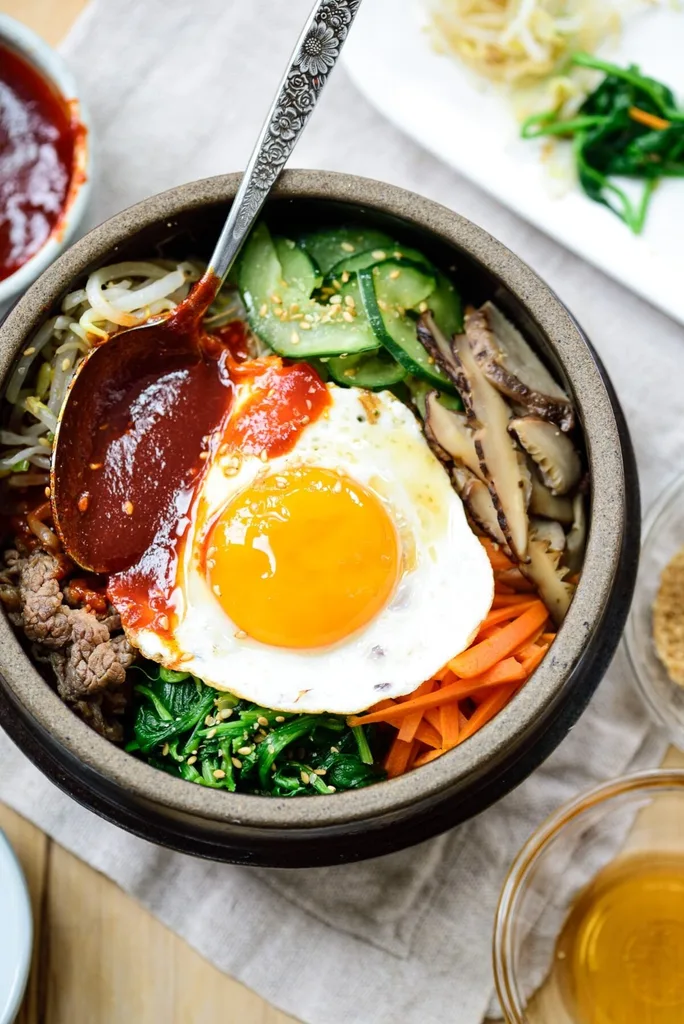
Bibimbap is a Korean rice bowl topped with vegetable sides and meat and served with a gochujang sauce. Follow my easy step-by-step recipe to make the best bibimbap!
- Dairy-free
- Korean
- Main
- beef
- dinner
- eggs
- gochujang
- Total
- 55 min
- Prep
- 25 min
- Cook
- 30 min
- Serves
- 4 servings
- Level
- Hard
- Energy
- 620 kcal
Method12 steps · about 55 min
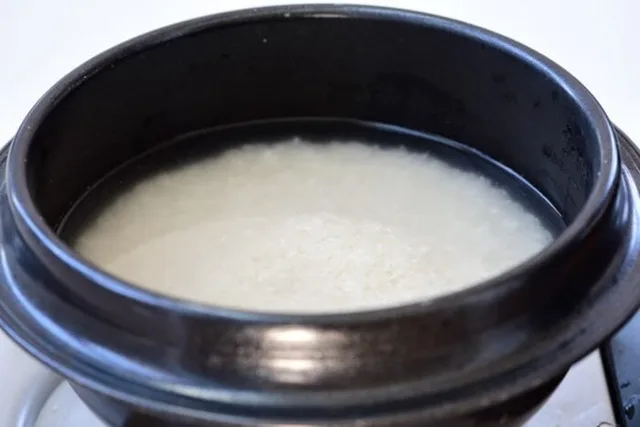
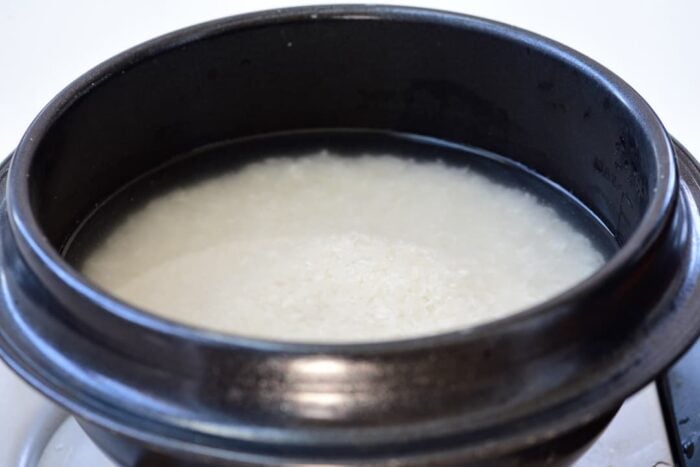
Step 1: Cook the 3 cups short-grain rice without soaking, following your rice cooker or rice package and using slightly less water than usual. The rice should be a little drier than usual for bibimbap.
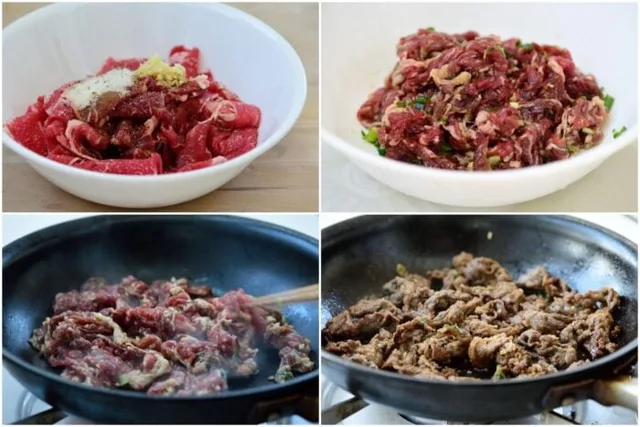
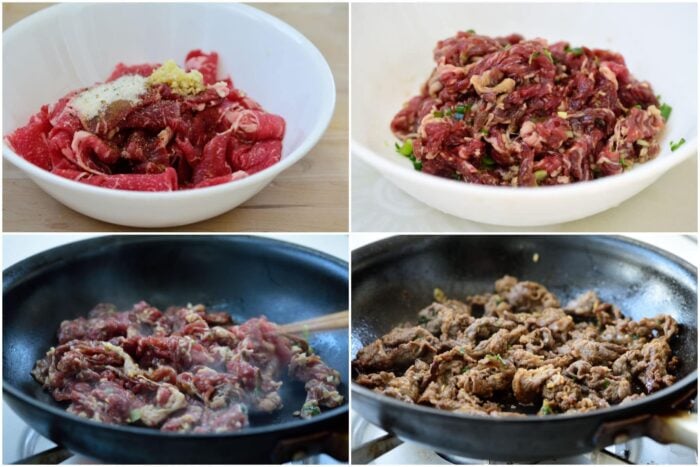
Step 2: Cut the beef into thin 2-inch strips, or use ground beef. Mix with 1 1/2 tablespoons soy sauce, 2 teaspoons sugar, 2 teaspoons sesame oil, 2 teaspoons cooking rice wine, 1 tablespoon chopped scallion, 1 teaspoon minced garlic, sesame seeds (to taste) to taste and a pinch of pepper. Marinate for 20 minutes. Stir-fry over high heat for 2–3 minutes, until cooked through.
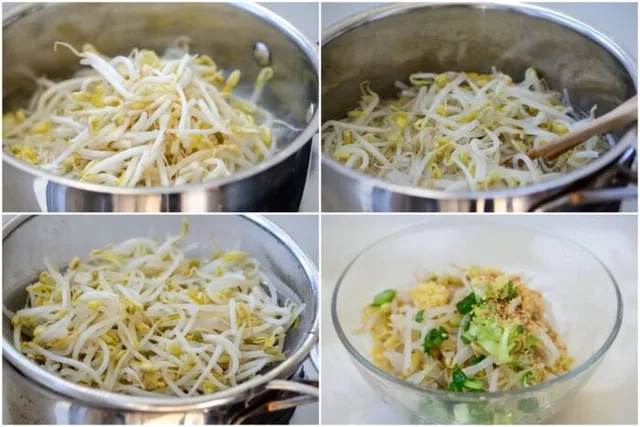
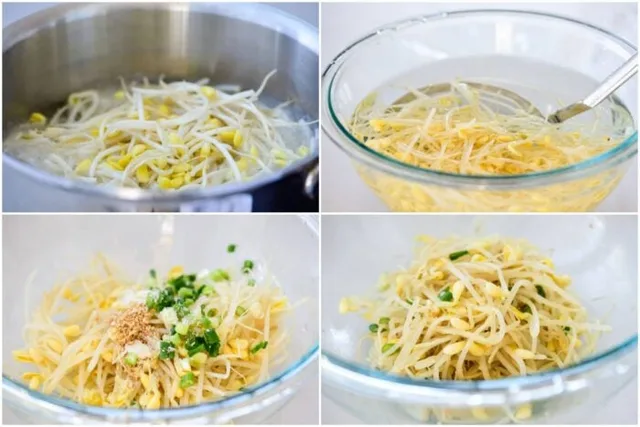
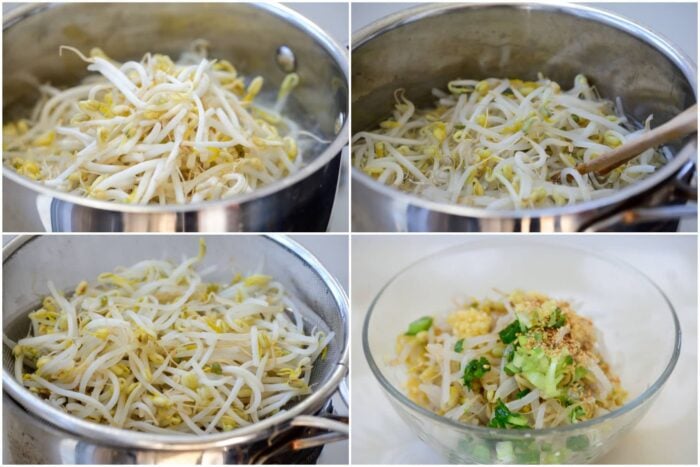
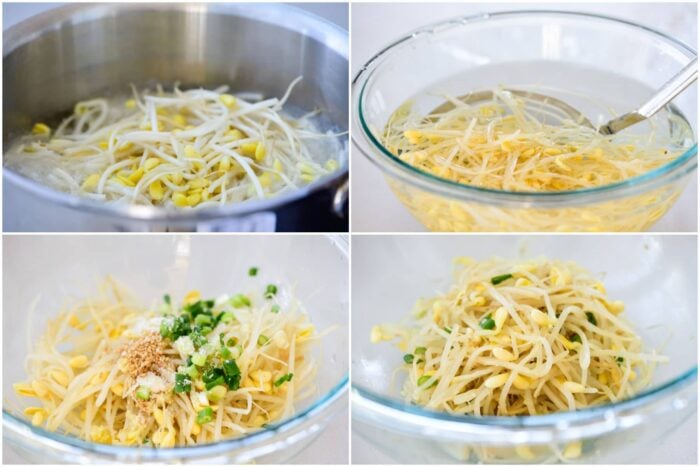
Step 3: Bean sprouts: Bring 2 cups of water to a boil. Add the bean sprouts and briefly blanch, about 1 minute, flipping over once. Drain quickly and shock in cold water to stop cooking. Drain again. Toss with 1/2 teaspoon of minced garlic, 1 teaspoon of sesame oil, 1/2 teaspoon of sesame seeds, and salt (about 1/2 teaspoon).
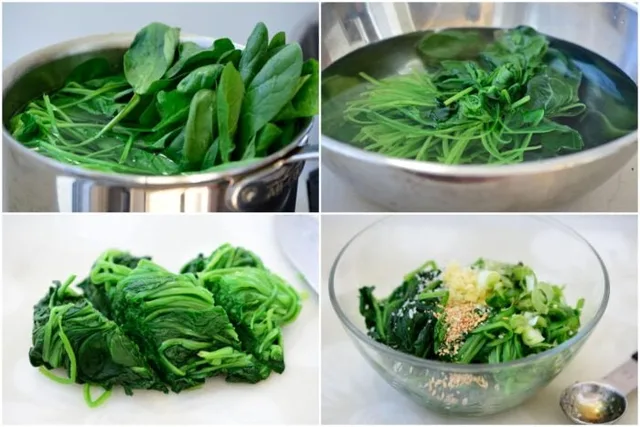
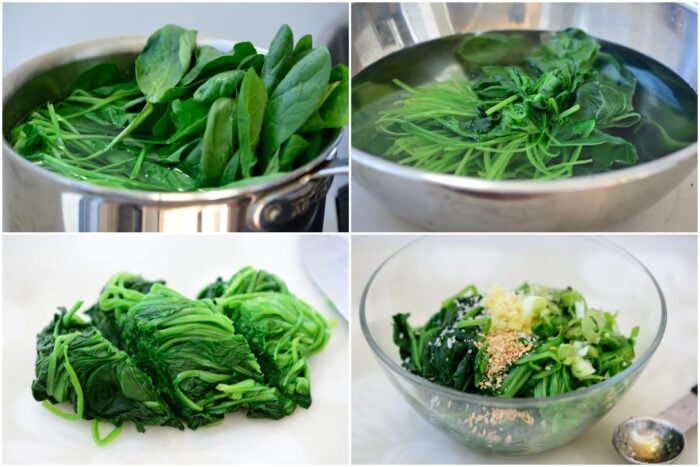
Step 4: Spinach (1 bunch): Blanch the spinach in salted boiling water only until wilted, about 40 seconds. Drain quickly and shock in cold water. Squeeze out water. Cut into 3-inch lengths. Toss with 1 tablespoon of chopped scallion, 1/2 teaspoon minced garlic, 1 teaspoon of sesame oil, 1/2 teaspoon of sesame seeds and salt (about 1/2 teaspoon).
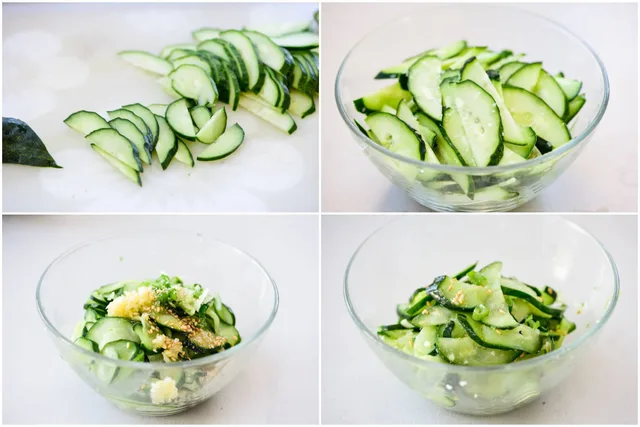
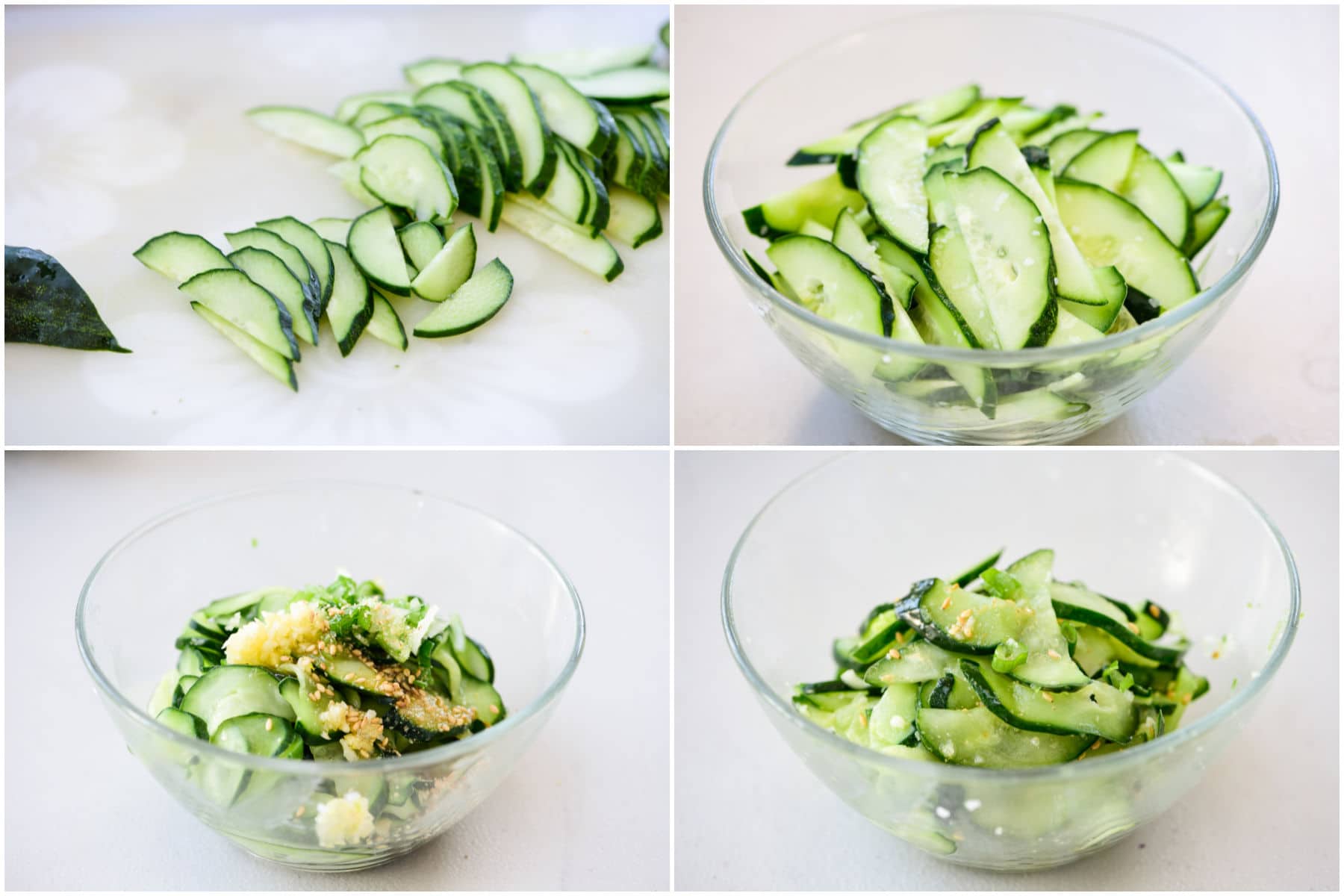
Step 5: Cucumbers (2 small): Cut the cucumbers in half lengthwise and then thinly slice crosswise. Generously sprinkle salt (about 1/2 teaspoon) over sliced cucumbers and set aside for 10 - 15 minutes. Squeeze out excess liquid. Toss with 1 tablespoon of chopped scallion, 1/2 teaspoon minced garlic, 1 teaspoon sesame oil and 1/2 teaspoon of sesame seeds.
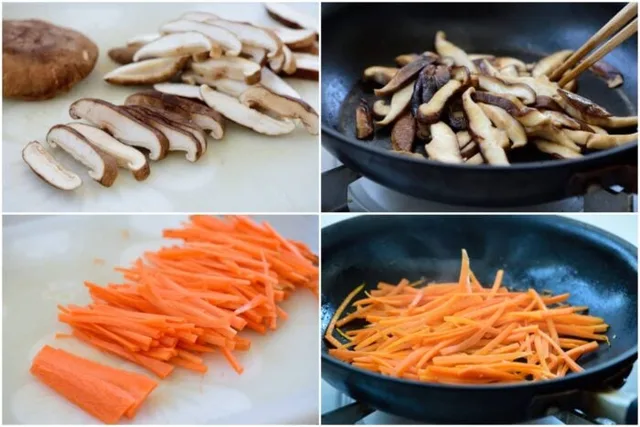
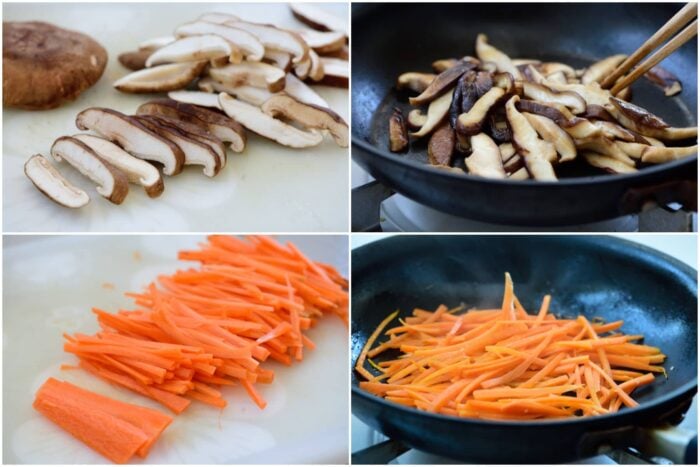
Step 6: Mushrooms (4 ounces) and carrots (2 medium): Thinly slice the mushrooms and carrots. Sauté each vegetable in a lightly oiled skillet for 1 - 2 minutes over medium-high heat, sprinkling with salt (about 1/4 teaspoon).
Step 7: Optional soybean sprouts: use these instead of the mung bean sprouts in step 3, or as an additional topping. Bring the separate 2 cups water to a boil. Add the 8 oz soybean sprouts and boil for 2–3 minutes. Drain, shock in cold water and drain again. Toss with their separate 1/2 teaspoon minced garlic, 1 teaspoon sesame oil, 1/2 teaspoon sesame seeds and about 1/2 teaspoon salt, adjusting to taste.
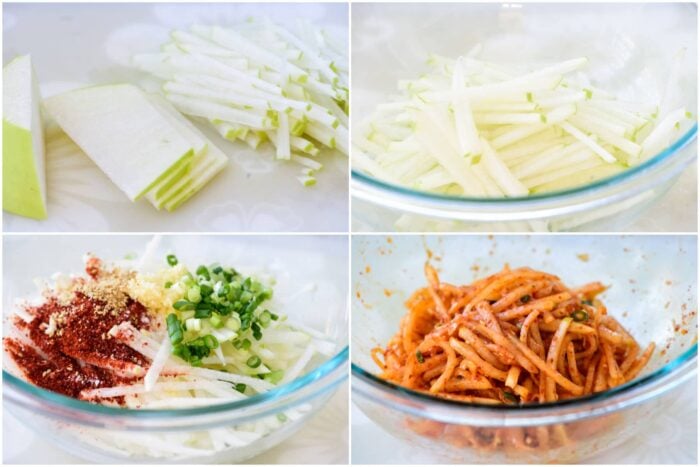
Step 8: Optional spicy radish salad: cut 10 oz Korean radish into matchsticks. Mix with the separately listed 2 tablespoons chopped scallion, 1 tablespoon gochugaru, 1 teaspoon minced garlic, 1/2 teaspoon salt or more to taste, 1 teaspoon sugar and 1 teaspoon sesame seeds.
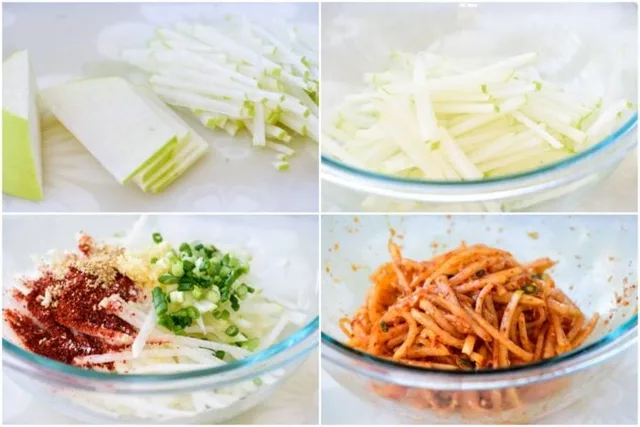
Step 9: Fry the optional eggs (4) sunny side up or to your preference. Use commercially pasteurized eggs if serving with runny yolks, or cook the yolks and whites until firm.

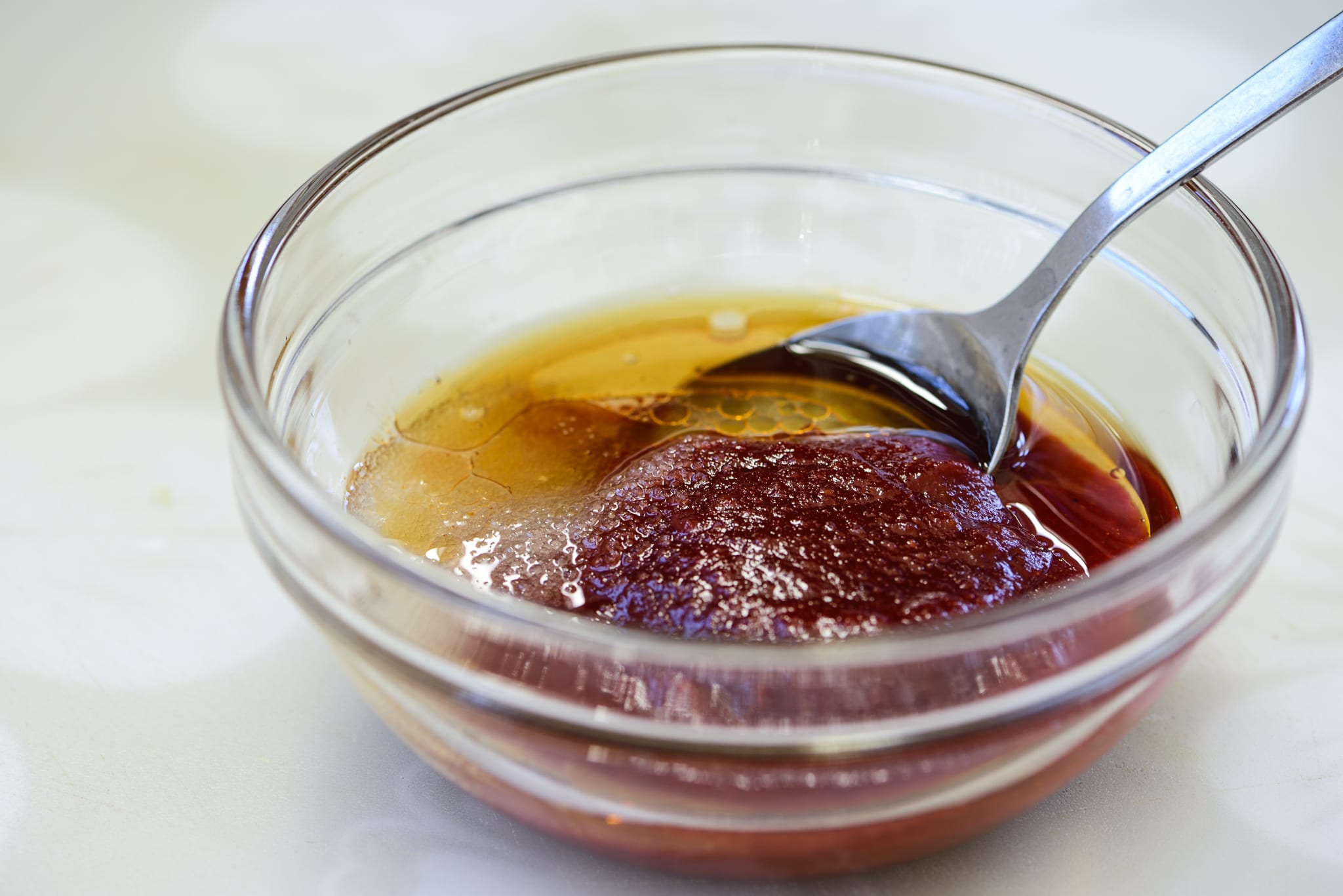
Step 10: Mix the sauce ingredients: 4 tablespoons gochujang, 2 teaspoons sugar (adjust between 1 and 3 teaspoons to taste), 1 tablespoon sesame oil and 1 tablespoon water.
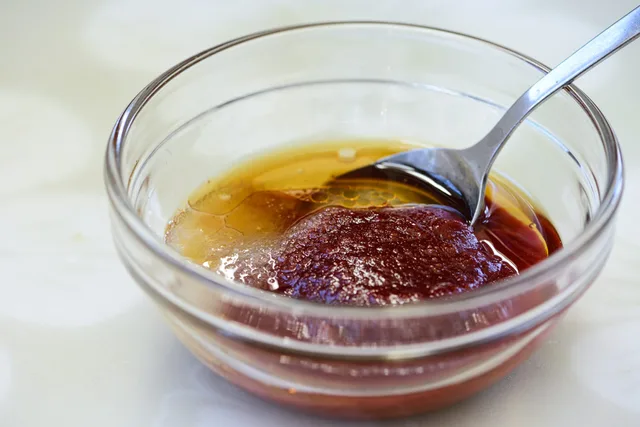
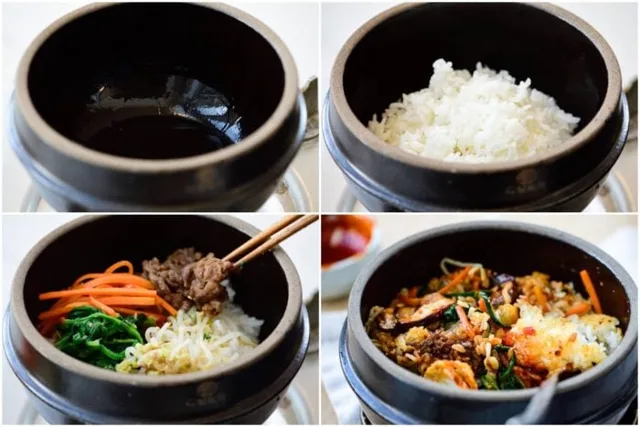
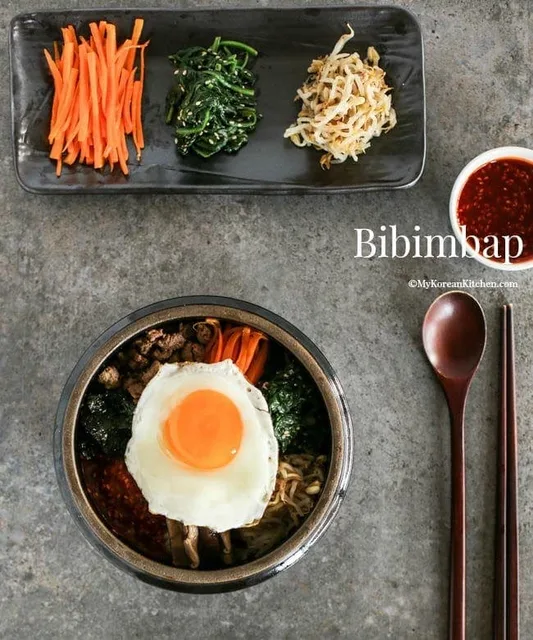
Step 11: Choose standard bowl assembly here, or hot-stone assembly in step 12. For standard bibimbap, divide the cooked rice among four large bowls. Arrange the cooked beef and each selected prepared vegetable over the rice. Drizzle with a little sesame oil, add an optional fried egg to each bowl and serve with the gochujang sauce. If desired, divide the reserved 1 tbsp chopped vegetable scallion over the four finished bowls.
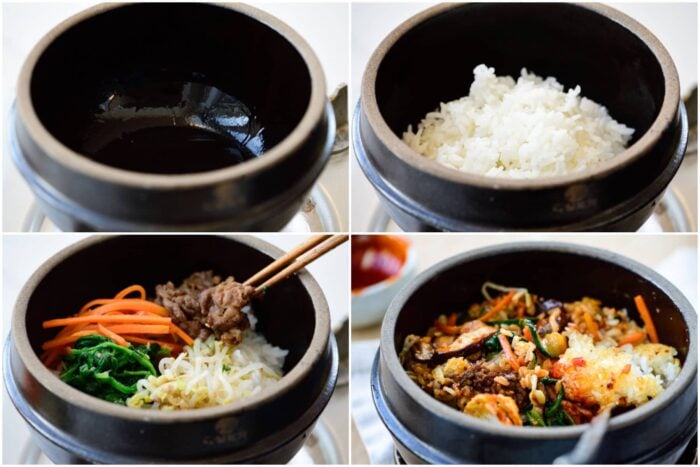
Step 12: For hot-stone bibimbap instead of standard assembly, lightly oil each stone or earthenware bowl with 1 teaspoon sesame oil over medium heat. Divide the cooked rice and selected prepared toppings among four bowls. Cook for several minutes until the rice sizzles, then add any optional fried egg and serve with the gochujang sauce. If desired, divide the reserved 1 tbsp chopped vegetable scallion over the four finished bowls.

Photos (1)
Comments
0 threadsSign in to join the discussion.


No comments yet. Start the discussion.