

Polish · Dinner
Polish Potato & Cheese Pierogi "Ruskie"
From the zcook collection
Polish potato and twaróg pierogi with butter-fried onion in the filling, a plain hot-water-and-oil dough, and an optional separate onion-butter finish. Ruskie refers to the Ruthenian tradition described by the author.
- Vegetarian
- Polish
- Potato and twaróg
- Pierogi Ruskie
- Prep
- 1 hr
- Serves
- About 55–60 pierogi
- Level
- Medium
Method14 steps
Step 1: Use the basic hot-water dough below with its measured flour, canola oil and dough salt. This selected version uses plain twaróg and a butter-fried filling onion, with an optional separate onion-butter finish.
Step 2: Sift the 500 g dough flour onto a clean work surface and mix in the 1/2 tsp dough salt. Make a shallow well.
Step 3: Add the 4 tbsp canola oil to the well and begin adding the 250 ml hot dough water gradually, combining with a utensil at first. When comfortable to handle, knead until the dough is soft and elastic. Keep it covered.
Step 4: Cut the kneaded dough into manageable parts. Roll one part thinly and cut circles with a glass or round cutter. Keep the circles, remaining unrolled dough and offcuts covered while making the filling.
Step 5: Peel and rinse the 500 g filling potatoes. Put them in a pot, add the separate potato-water salt to taste, and cover with cold water. Bring to a boil and cook until the potatoes are tender.
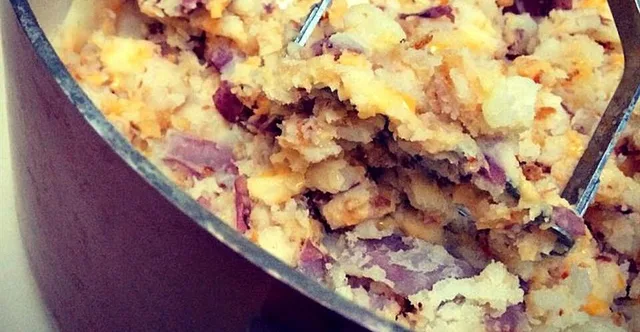
Step 6: Drain the tender potatoes and return them to the pot. Mash them thoroughly while hot until no lumps remain, then spread the mash in a shallow bowl to cool. Chill it promptly if the later stages will be delayed.
Step 7: Peel and chop the large filling onion (1 large). Melt its separate 2 tbsp filling butter in a frying pan and fry that onion until golden. Let this mixture cool before combining with the cheese.
Step 8: Crush the 300 g plain full-fat twaróg with a fork. Mix it with all the cooled mashed potatoes and the cooled filling onion with its butter. Season with the separate 1/2 tsp filling salt and 1/2 tsp ground pepper, mixing thoroughly.
Step 9: Put a small spoonful of the prepared potato-cheese filling in the center of each dough circle. Fold into a half-moon and press the edges firmly together. Roll and cut the covered remaining dough and offcuts, then fill and seal until all the dough you are using is formed. Keep the filling chilled and unused dough covered as you work.
Step 10: Bring a large pot of the separate pierogi cooking water to a boil and season that bath with its own salt to taste.
Step 11: Reduce to a gentle boil and add about 5–7 formed pierogi at a time, without crowding. Cook each batch for the source’s approximately 5–6-minute guide, until the dumplings float, their wrappers are tender and the filling is hot throughout. Lift them out with a slotted spoon and repeat in the same hot water until all pierogi you are using are cooked.
Step 12: If using the optional onion-butter finish, peel and chop the separate medium topping onion. Melt the separate 2 tbsp topping butter in a frying pan and fry that onion until golden.
Step 13: For an optional crispier finish, add as many cooked pierogi as comfortably fit to the prepared onion-butter pan and fry until golden on both sides. Work in batches if needed and move browned onions aside as necessary so they do not burn. Alternatively, skip frying and serve the boiled pierogi directly.
Step 14: Serve the hot boiled pierogi and any optionally browned portion, spooning the remaining prepared topping onion and butter over them if used. Refrigerate leftovers promptly for the source’s up to 3–4 days and reheat thoroughly. The source recommends freezing uncooked or boiled pieces before the optional frying stage.
Photos (1)
Comments
0 threadsSign in to join the discussion.



No comments yet. Start the discussion.