
Chinese · Dinner
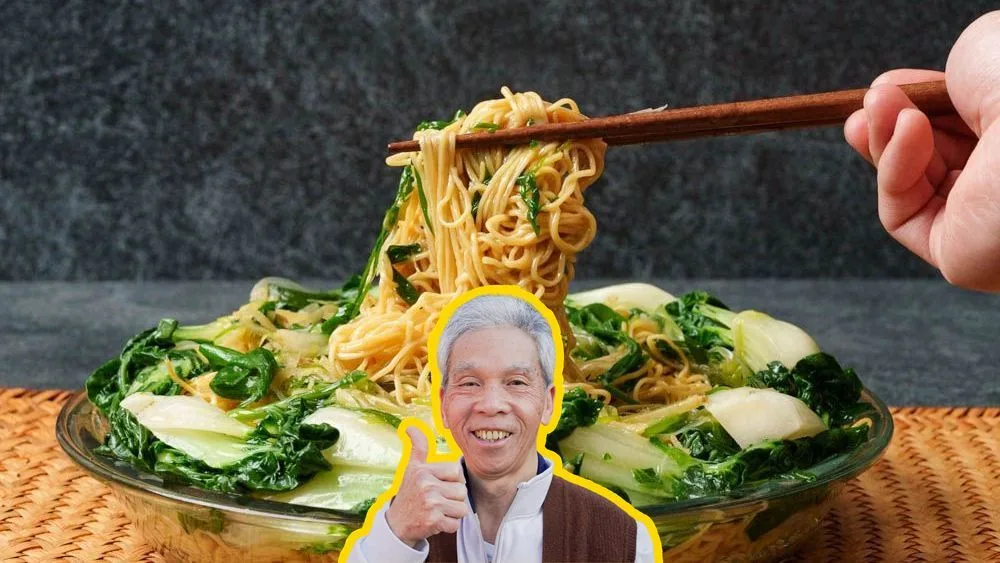
The Ginger Scallion Noodles My Dad's Made 100,000 Times
From the zcook collection
Learn how to make Ginger Scallion Noodles from a 2x James Beard Award Winning Chinese Chef with 60+ years of experience
- Dairy-free
- Chinese
- main course
- easy weeknight dinner idea
- recipes for ginger
- Chinese home cooking
- Cantonese homestyle cooking
- Total
- 30 min
- Prep
- 15 min
- Cook
- 15 min
- Serves
- 4
- Level
- Medium
- Energy
- 440 kcal
Method5 steps · about 30 min
Step 1: We want the ginger (2 oz) and green onions (3 oz) in thin, delicious slivers that deliver flavor without getting too spicy and astringent. For the ginger, start with slicing thinly. Then, cut the slices into thin strips. If you’re comfortable doing so, you can save time by laying the slices down in an overlapping row and julienne down the row. Cut the green onion into 2-inch sections. Slice the sections lengthwise once to unfold them and get a flatter base for safer chopping. Then, finely slice the batons into thin strips. The thinner you can slice, the more delicate their texture and milder the spice. If the bok choy (8 oz) you get is as big as ours, cut each one into four quarters. If you have smaller plants, you can just halve them. Dirt and debris really like to hide at the base of the leaves, so after you cut the bok choy, it’s best to double check that they’re completely clean.
Step 2: In a clean bowl mix the listed 8 oz chicken broth, 1 tsp salt, 1/2 tsp sugar and 1 tbsp oyster sauce. For the source's vegetarian alternative, replace the chicken broth with vegetable or mushroom broth and replace the oyster sauce with vegetarian oyster sauce; choose that paired alternative rather than adding both versions.
Step 3: Boil a pot of water on high heat. Add 1 tsp of the blanch/toss cooking oil (2 tsp) so the bok choy will blanch with a glossy finish. When the water comes to a boil, add the bok choy and cook until slightly softened and vibrantly green, or 70-80 seconds. Shock the bok choy immediately by transferring them to a bowl of cold water. Drain and place the bok choy on a plate.
Step 4: Loosen up the noodles so they don’t clump. Add the noodles to the same pot of water we used to cook the bok choy; you may want to divide the noodles and cook them in two batches. Use the source's 30-second cooking guide only if suitable for your egg noodles (12 oz); follow their package instructions and cook until just tender, occasionally stirring and pulling up the noodles to prevent clumping. Remove the noodles with a colander or large strainer, dunk into bowl of cold water for about 5 seconds to shock them, then drain. Use the remaining 1 tsp blanch/toss oil across all noodle batches and mix it into the drained noodles. This oil is imperative for keeping the noodles from sticking together. Transfer the noodles to a serving dish Repeat for subsequent noodle batches, dividing that same 1 tsp tossing oil across them, until all noodles are cooked and plated. Arrange the noodles nicely in the serving dish; they’re going to act like a bed for the rest of the ingredients Place the blanched bok choy around the edges of the dish. You can impress everyone by arranging them leaf to stem, maybe slightly overlapping, in a wreath shape. Set the dish aside as we cook the sauce.
Step 5: Heat your wok on high heat. Add the separate 3 tbsp sauce cooking oil and give it a quick swirl. When the oil is hot, lower the heat to medium and add ginger. Stir and cook until the ginger is aromatic, or about 10 seconds. Increase the heat to high, and add the green onions. Stir and cook until it’s aromatic, or 50-60 seconds. Give your bowl of pre-mixed sauce a quick mix in case any ingredients have settled. Add the sauce to the wok and stir to incorporate. Have a quick taste to see if you’d like to make any adjustments; add optional extra broth of the same chosen type only if needed. Once the flavor is to your liking, it’s time to refine the consistency. Turn the heat to low so nothing burns while you’re busy making the slurry. Create the thickening slurry by combining cornstarch and water. Mix well until the cornstarch has completely dissolved and no clumps remain. Increase the heat to medium and drizzle in the slurry while constantly stirring. Keep monitoring the consistency of the sauce; if you like a thinner gravy, you might not use all the slurry. Reserve any unused prepared slurry. If a thicker sauce is wanted, mix a little optional extra cornstarch and water and add gradually. Increase the heat to high to further reduce the sauce. Bring the sauce to a gentle boil and continue stirring for the source's about 30-second guide, until the added slurry has thickened it to the desired consistency. Turn off the heat, drizzle sesame oil (1 tsp) into the sauce and stir to incorporate. Now, your sauce is done! Don’t add the sauce to the dish too far ahead of time; if the noodles sit in the sauce for too long, they could get soggy. When you’re ready to dig in, pour the sauce over the noodles and enjoy!
Photos (1)
Comments
0 threadsSign in to join the discussion.


No comments yet. Start the discussion.