
Chinese · Dinner
Chinese Hot Pot At Home
From the zcook collection
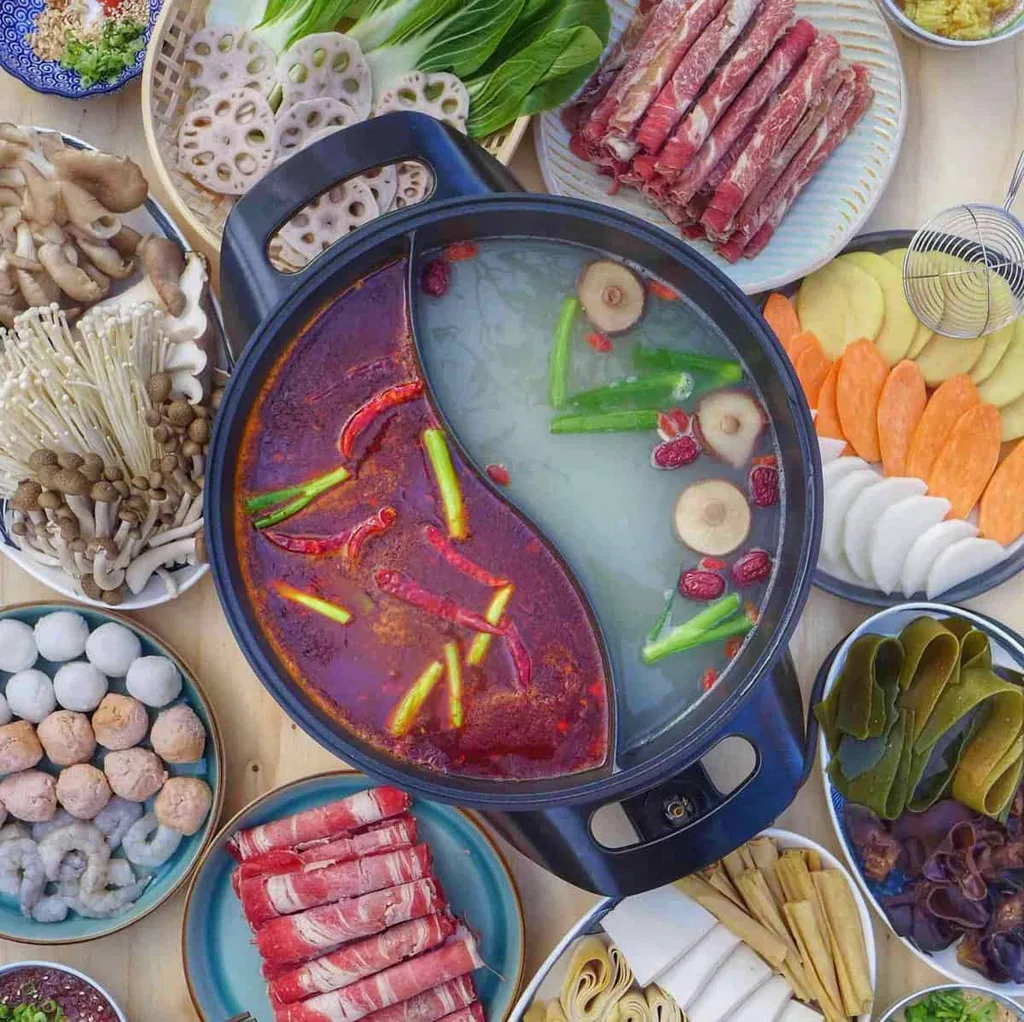
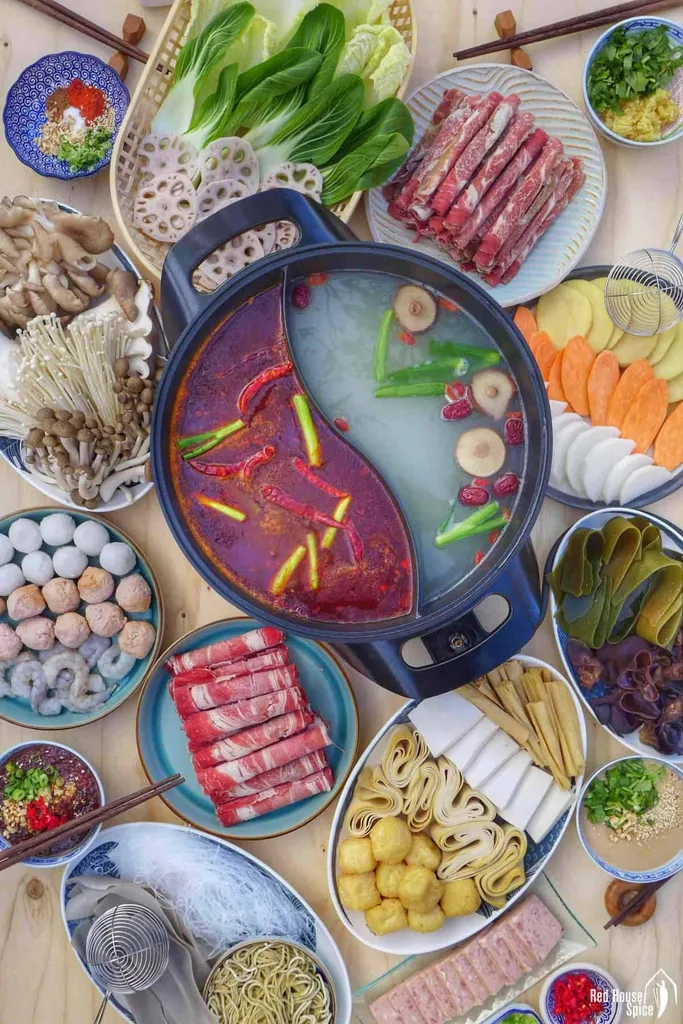
A flexible guide to a shared Chinese hot-pot meal for six. Choose eight to twelve dipping foods and mild broth, spicy broth, or both in a divided pot; cook small batches at the table and mix individual dipping sauces to taste.
- Chinese
- Main
- Main Course
- Festive Dishes
- Sichuan
- classic Chinese
- Prep
- 30 min
- Serves
- Six-person hot-pot example; choose eight to twelve dipping foods
- Level
- Medium
Method7 steps
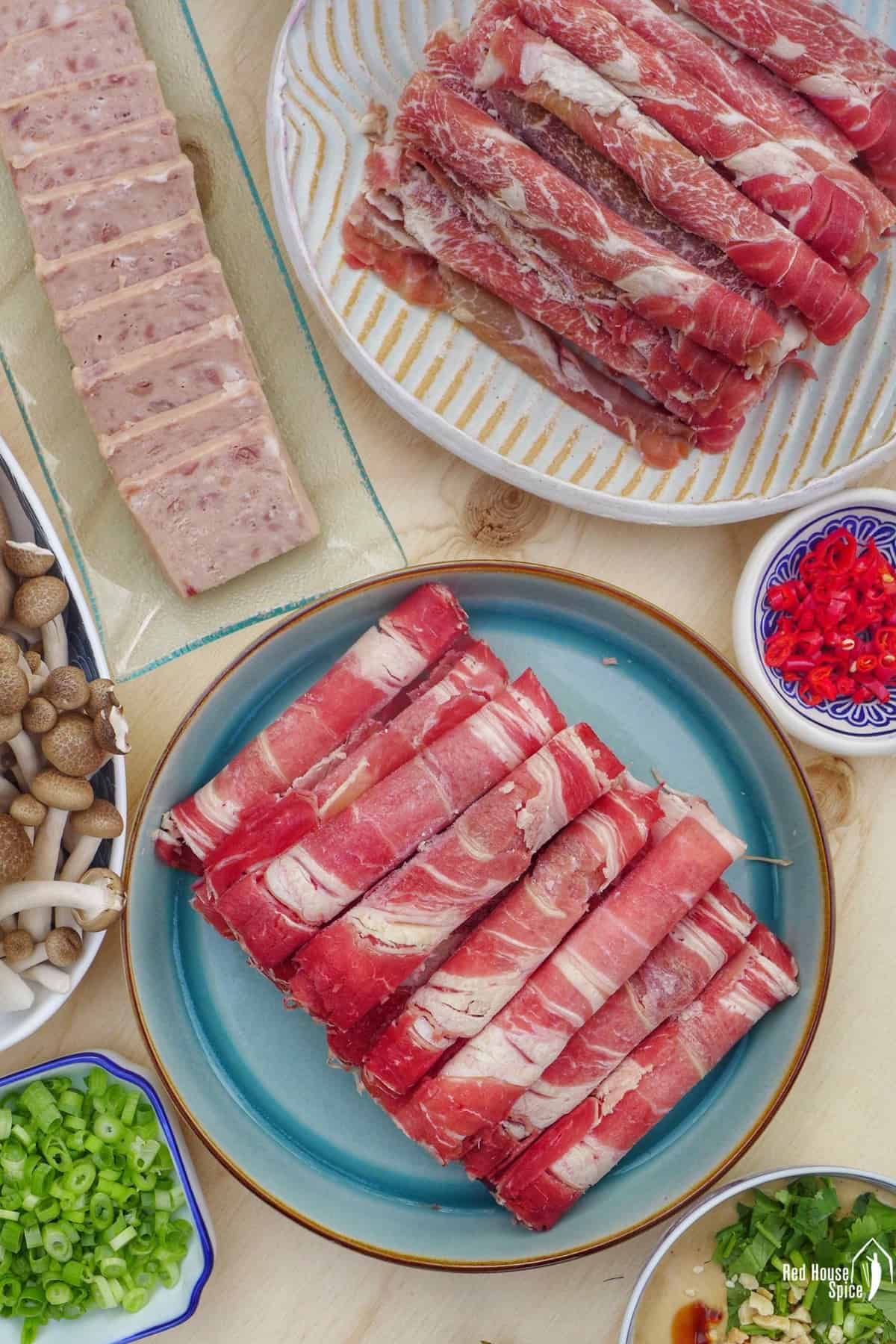
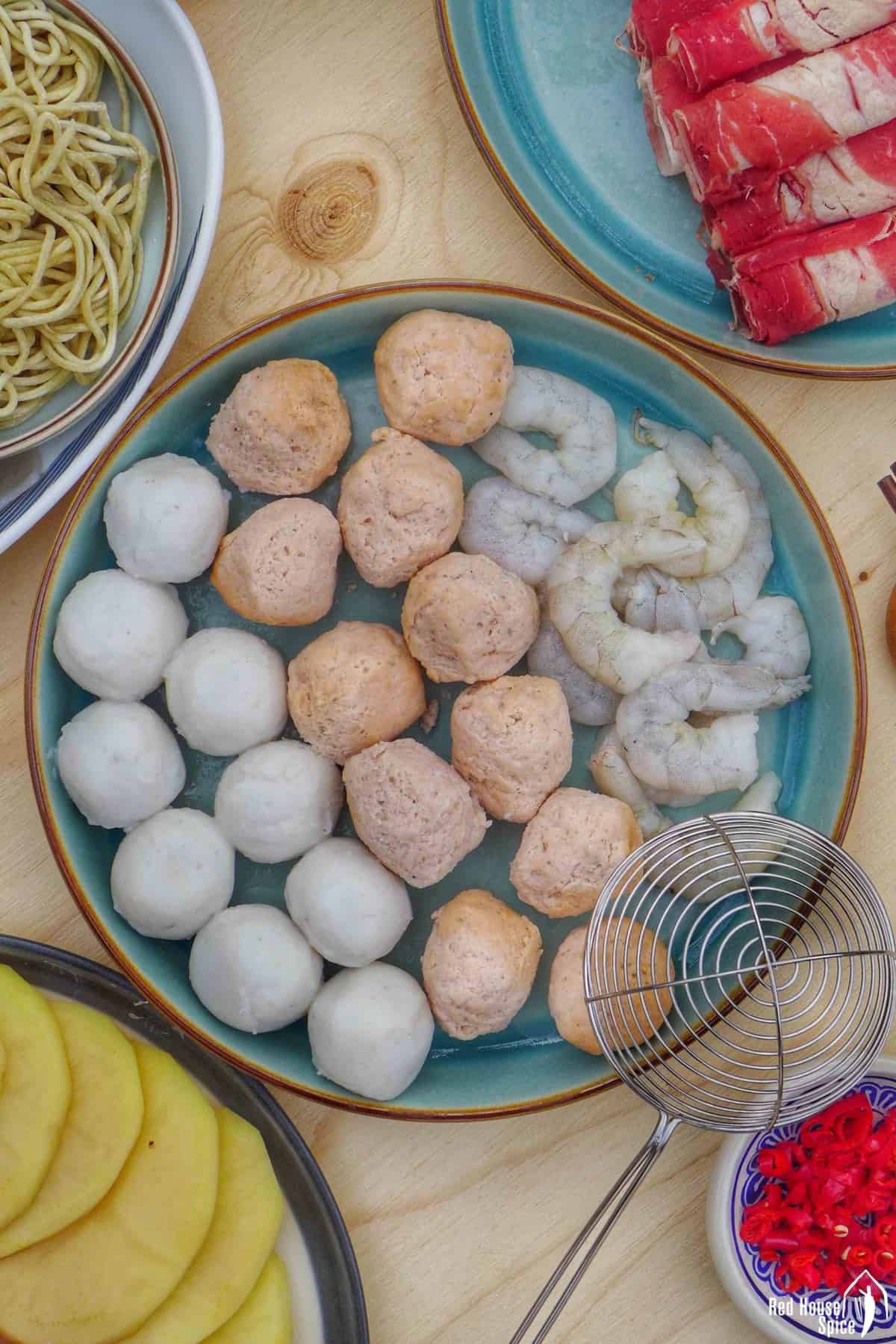
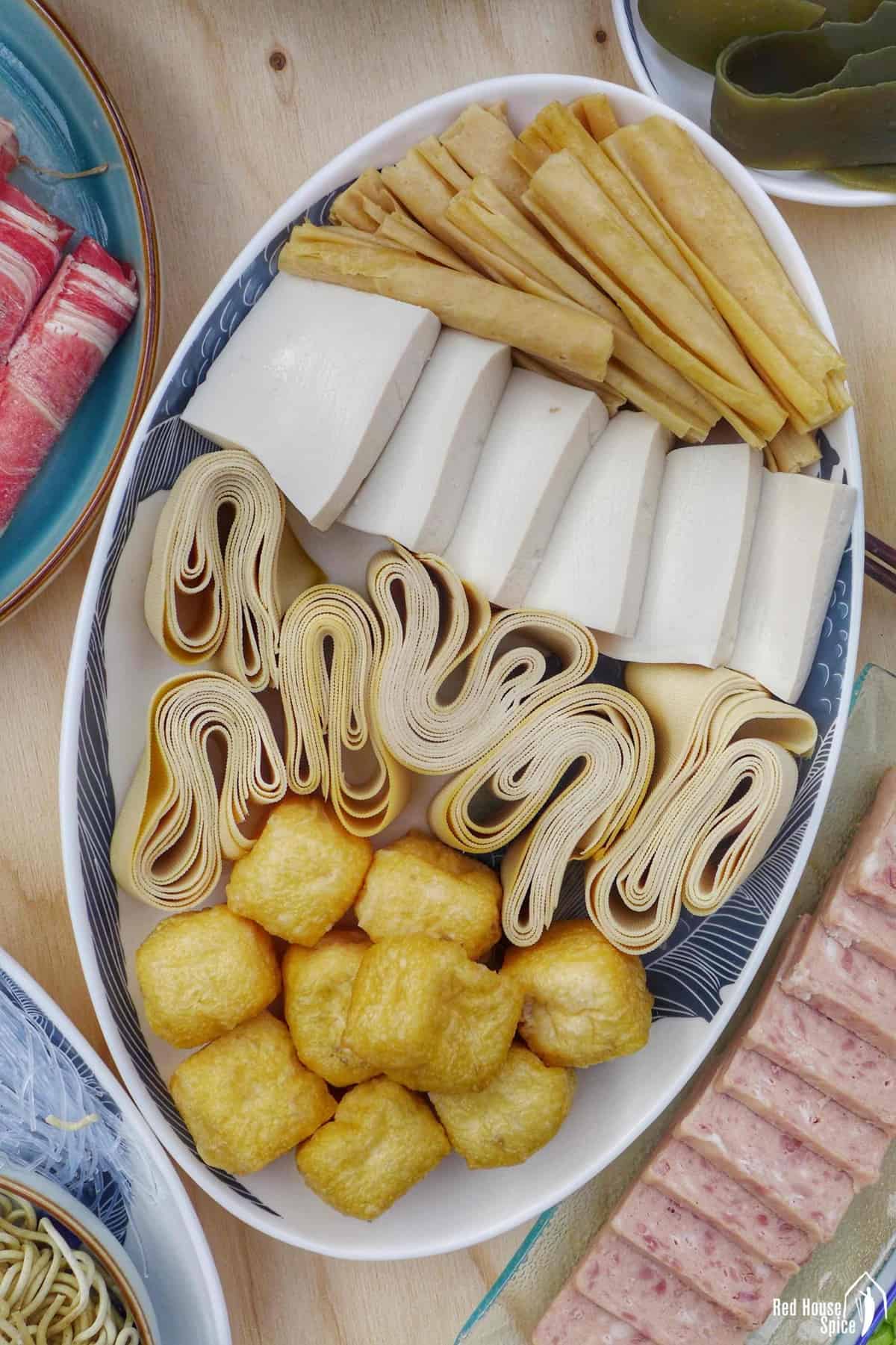
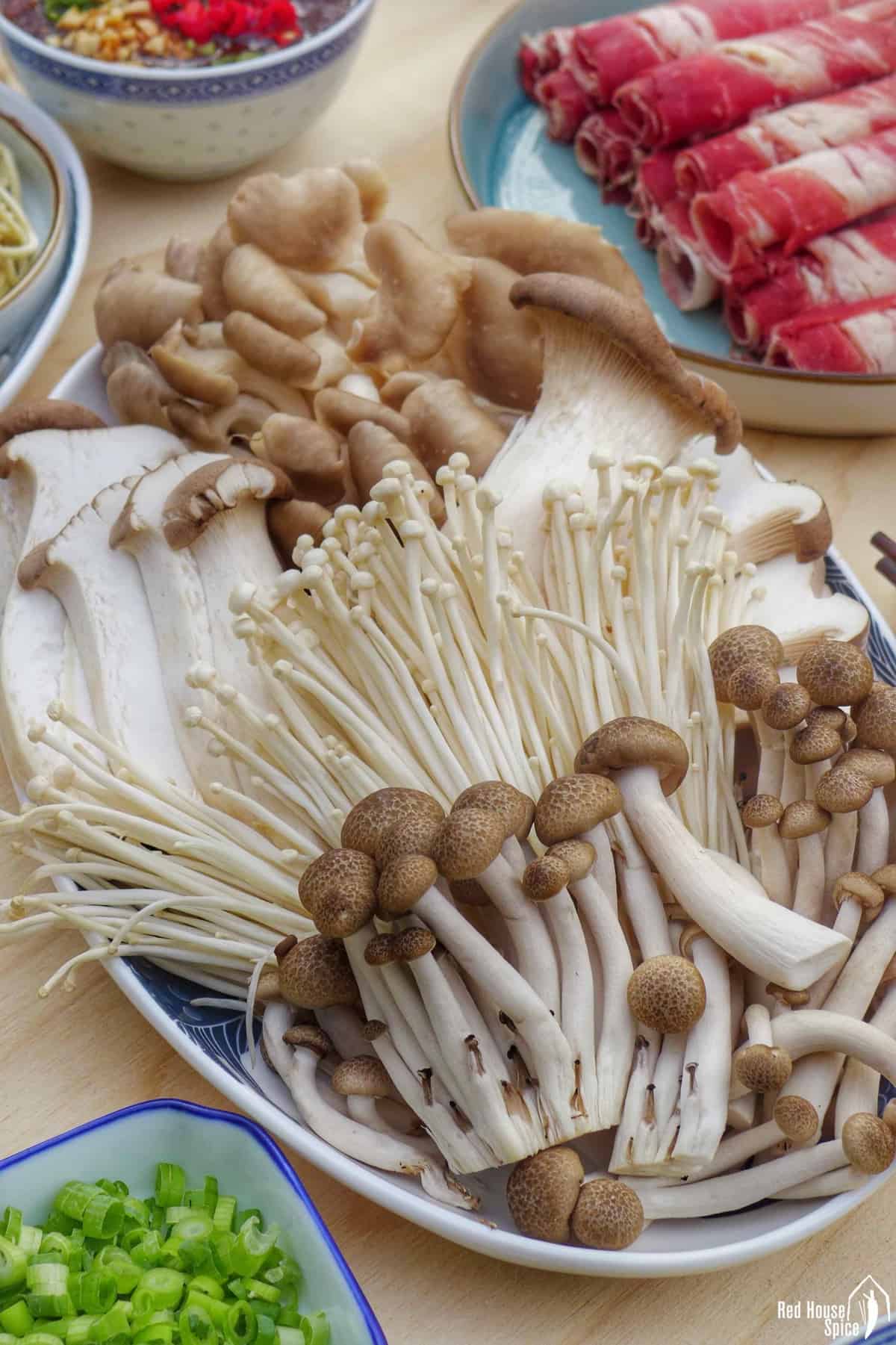
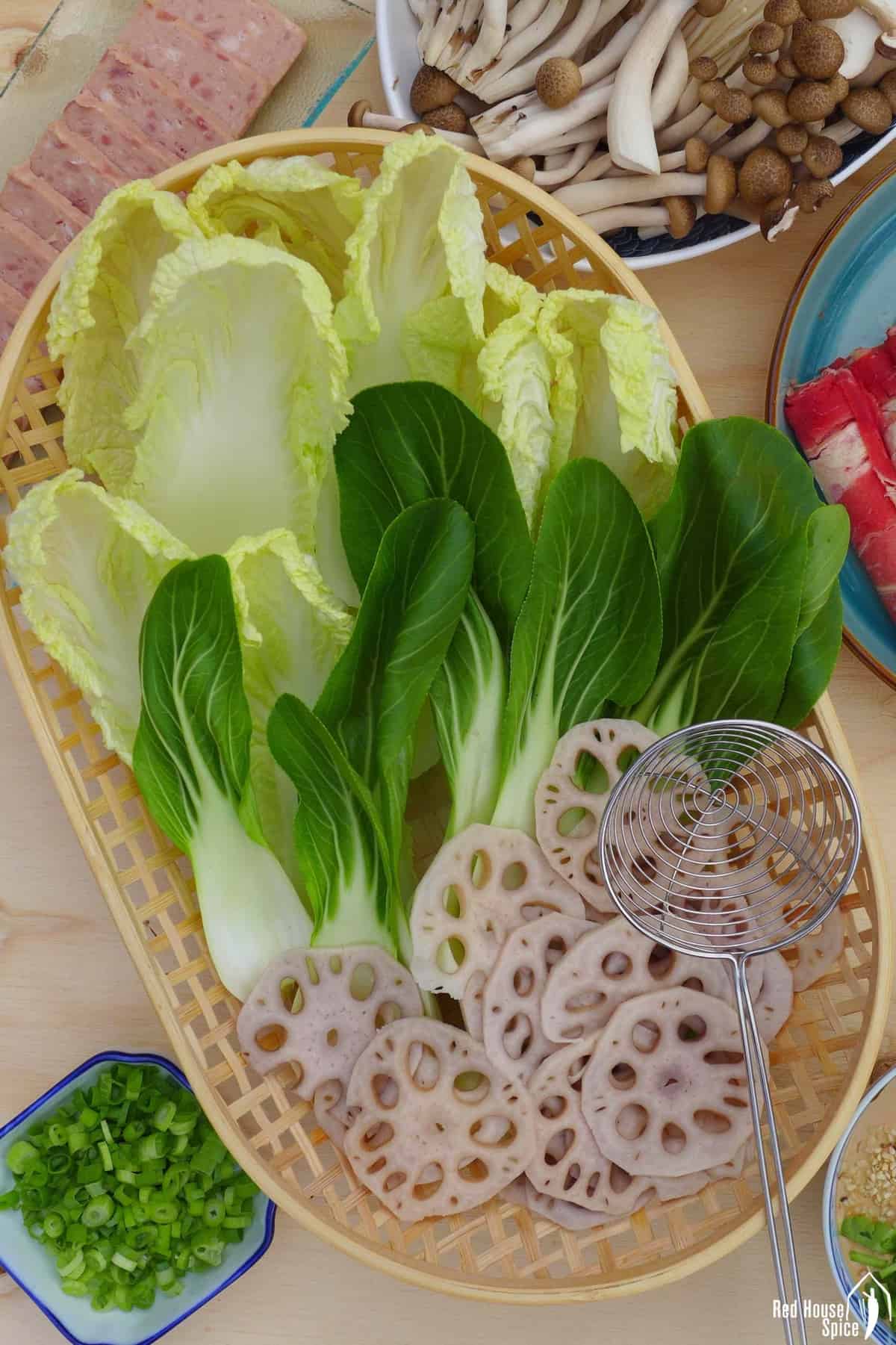
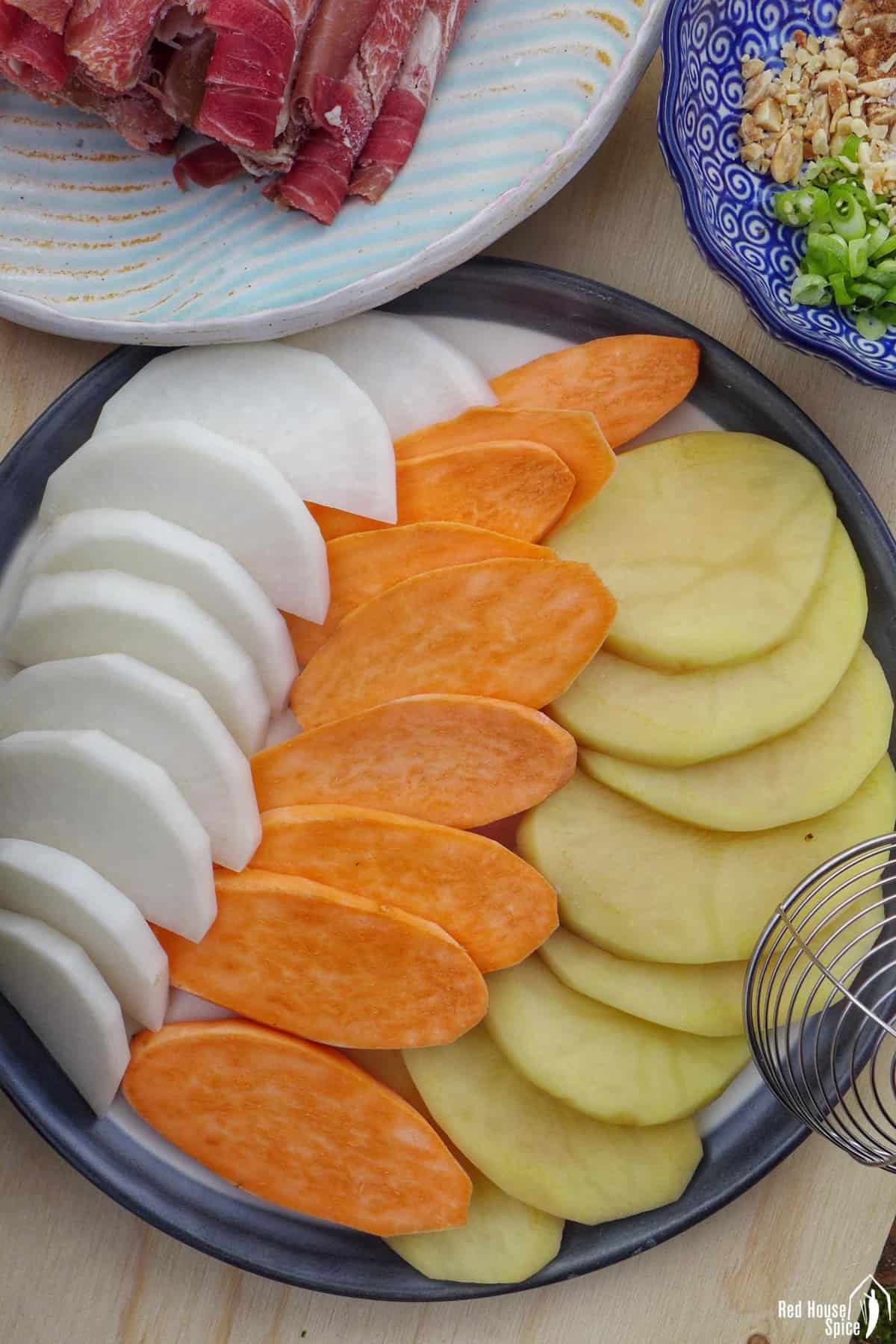
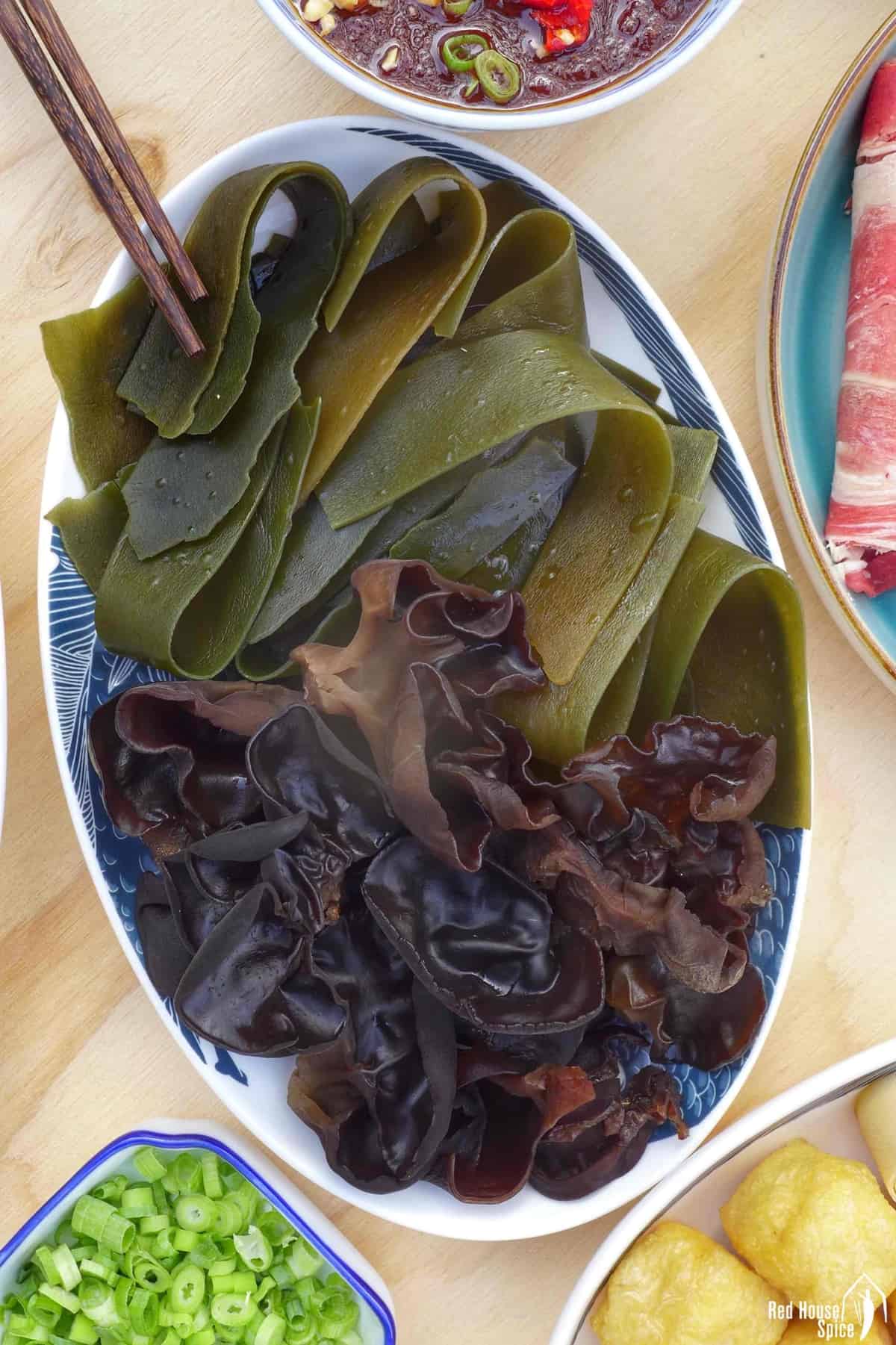
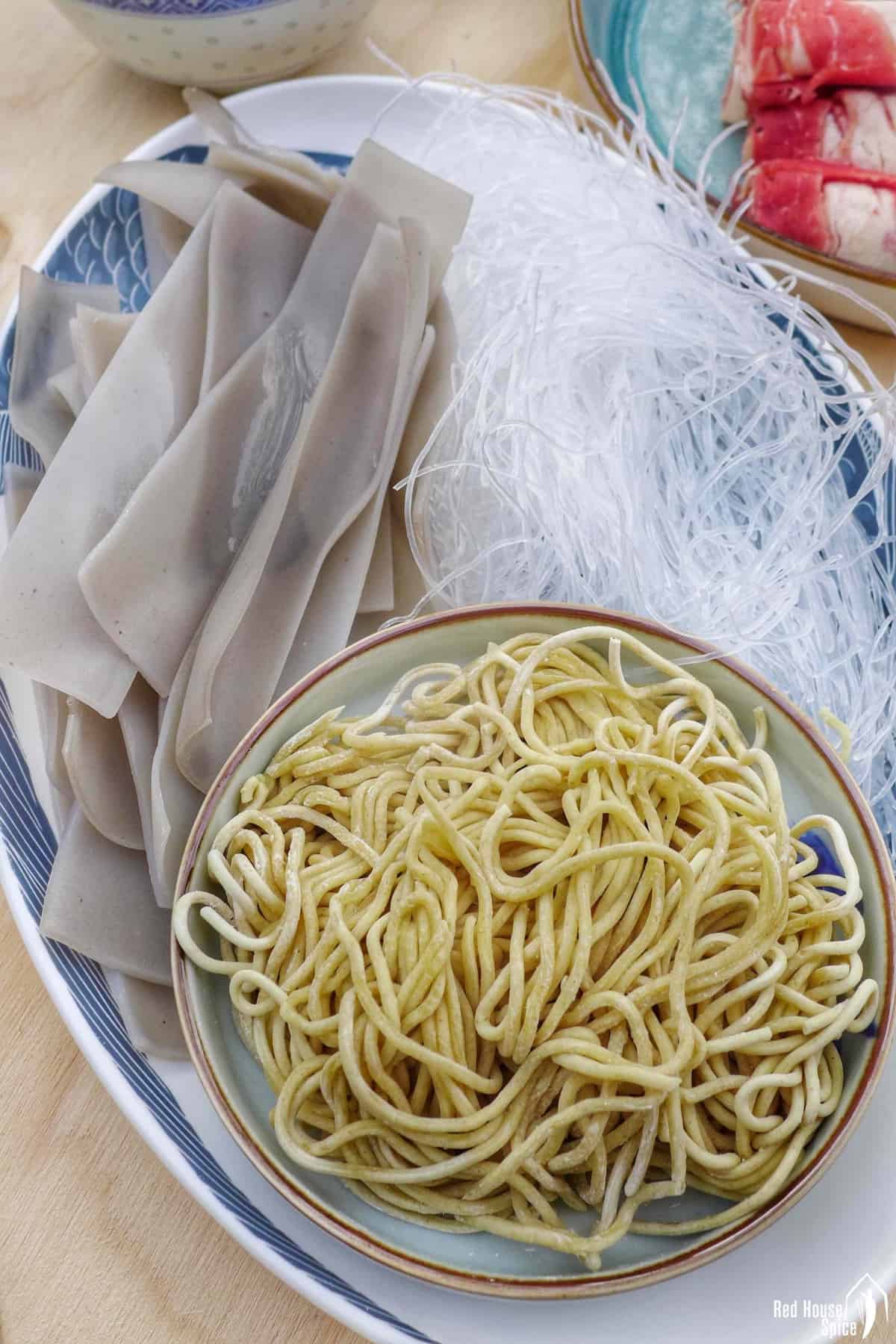
Step 1: For the author’s six-person example, choose eight to twelve dipping foods from the options, with a mix of proteins, vegetables and starches. You do not need every category. Wash vegetables and cut the chosen foods into bite-sized pieces as listed; do not wash raw meat or fish. If using dried tofu skin, dried shiitake, kelp, wood ear or glass noodles, soak and drain them first according to their packet directions. Thaw frozen foods in the refrigerator. Keep raw meat, fish and seafood on separate plates from vegetables and ready foods, and refrigerate perishable ingredients at 4°C (40°F) or below until needed. Prepared hand-pulled-noodle dough should already be rested and cut into strips.
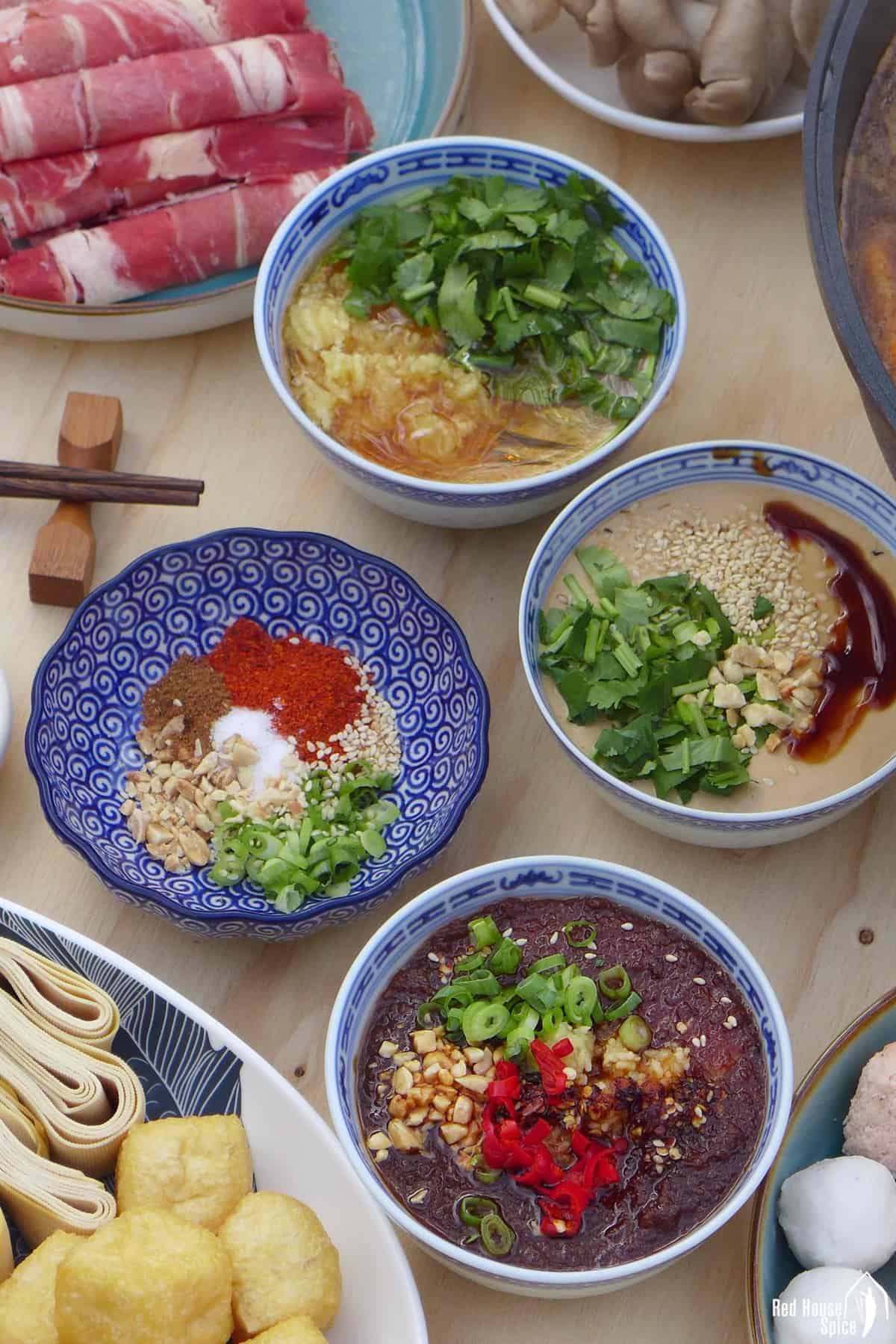
Step 2: Mix dipping sauces to each diner’s preference using only the desired condiments, pastes, oils, spices, aromatics, sesame seeds or toasted peanuts. Taste and adjust, including optional salt if needed, then distribute into individual bowls. Keep separate clean supplies of the chosen seasonings for later adjustments. Chilli ingredients are optional.
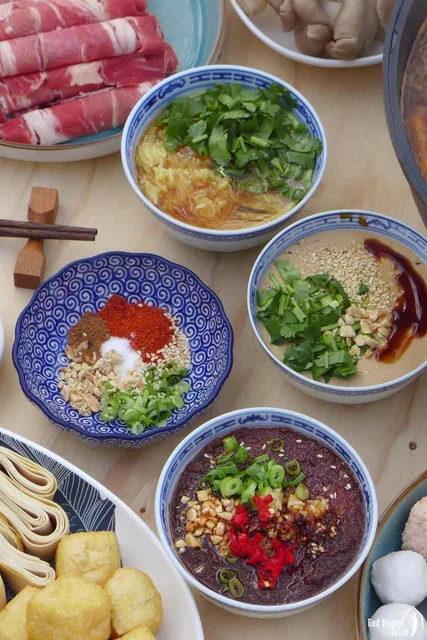
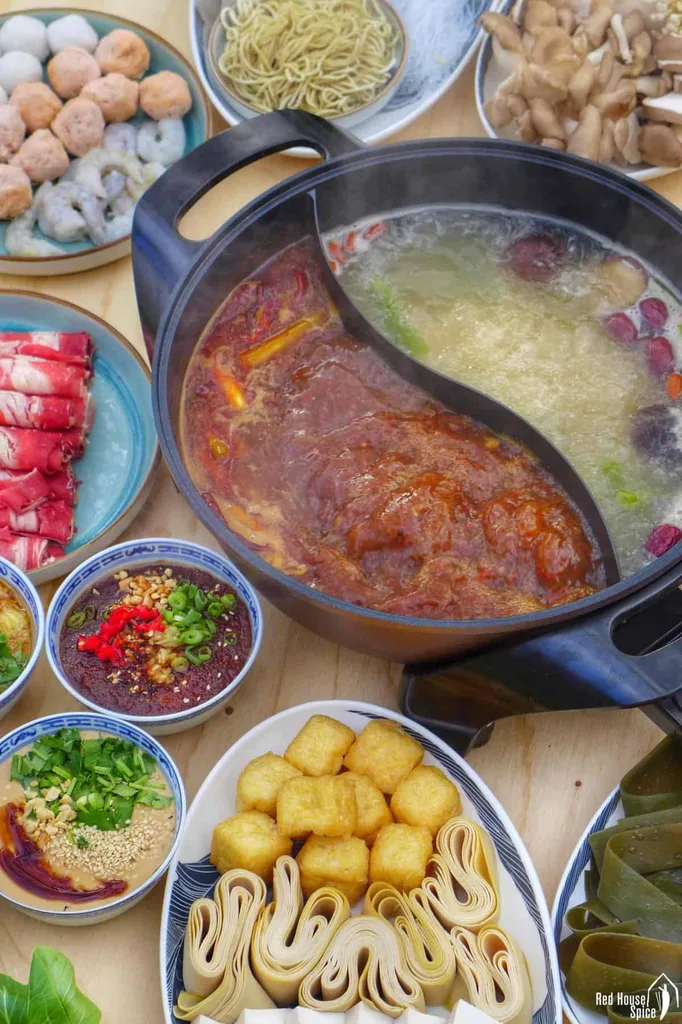
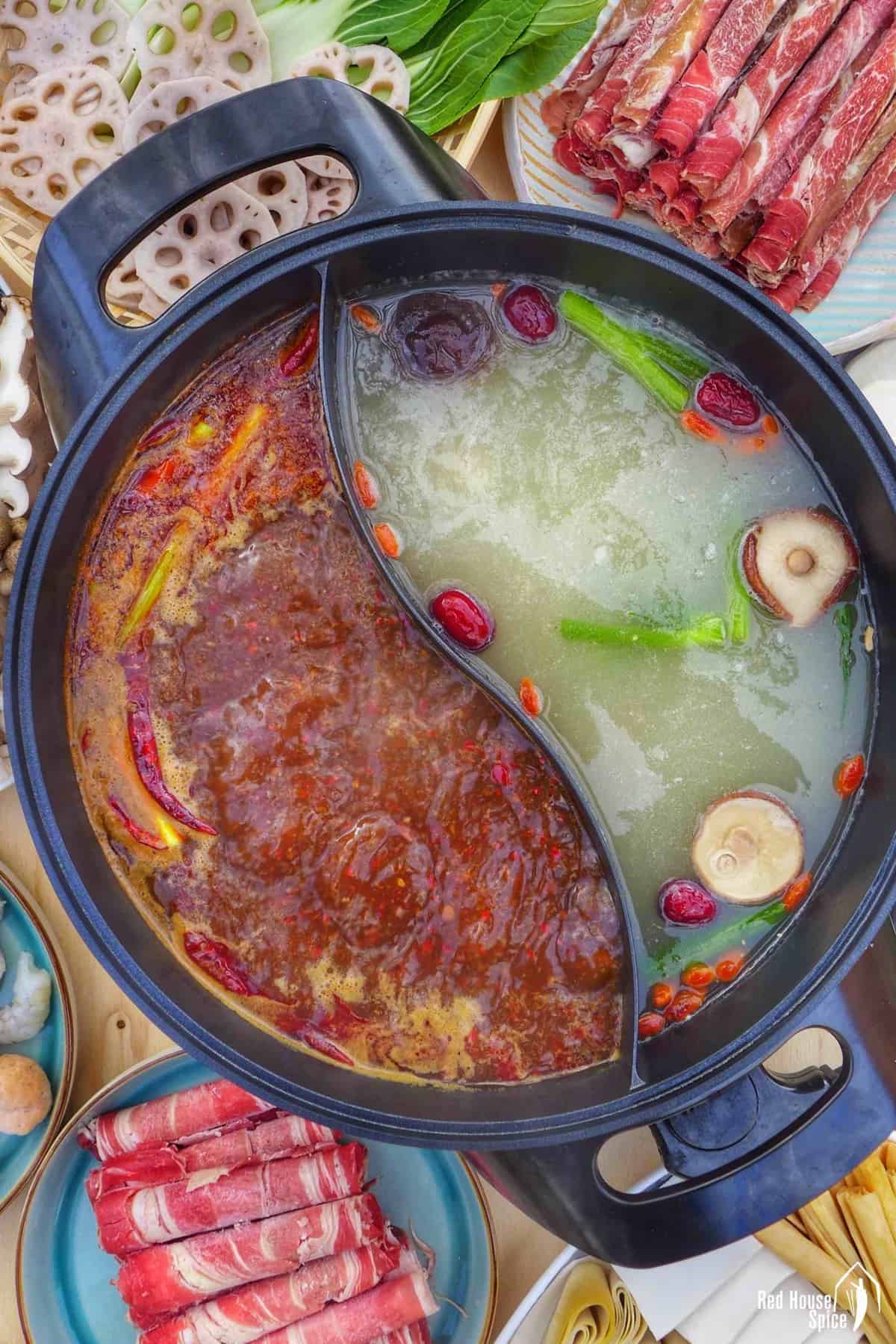
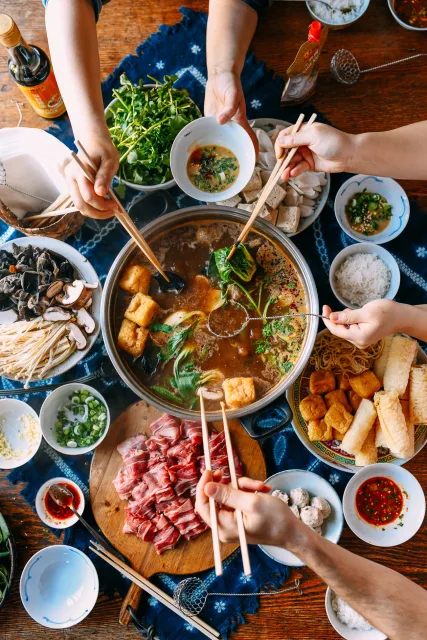
Step 3: Set a suitable indoor tabletop heat source and a wide, shallow stable pot in the middle of the table. Keep cables out of walking routes. Fill with ready mild or spicy broth, or use both in separate sides of a divided pot, leaving room for the foods. Arrange the selected prepared plates around it. Put out each diner’s dipping bowl and provide separate utensils for adding raw food and removing cooked food, plus clean eating chopsticks. Keep unused perishable food refrigerated and bring out small amounts as needed.

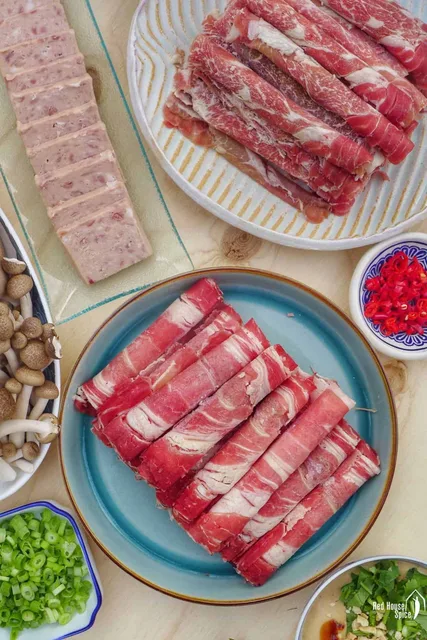
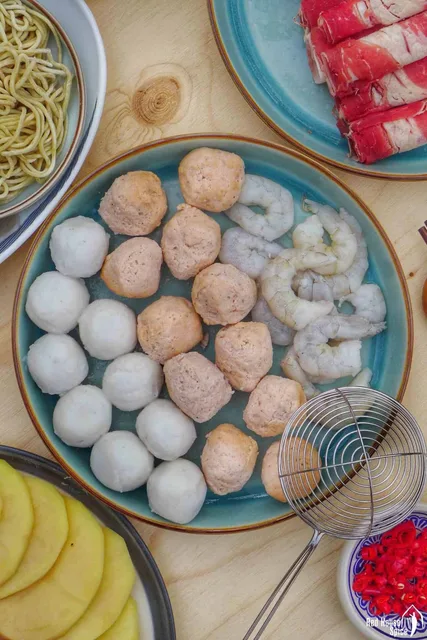
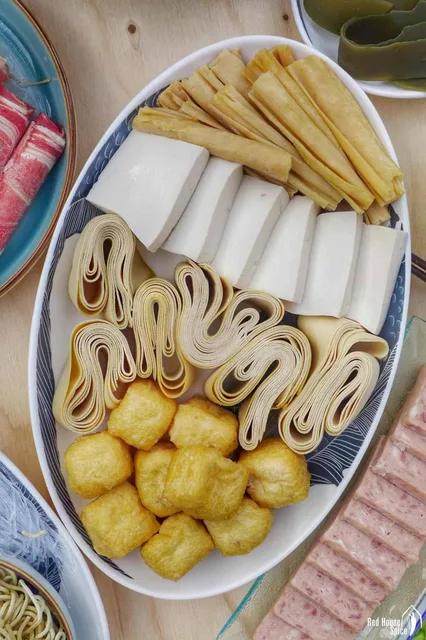
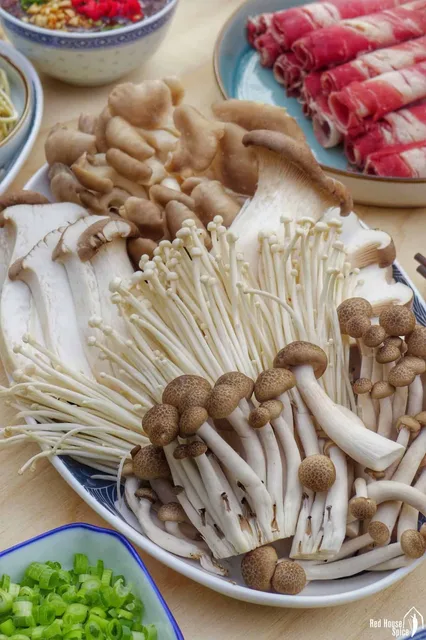
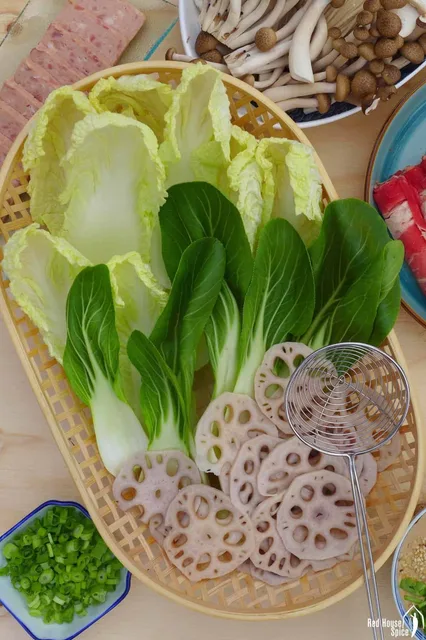
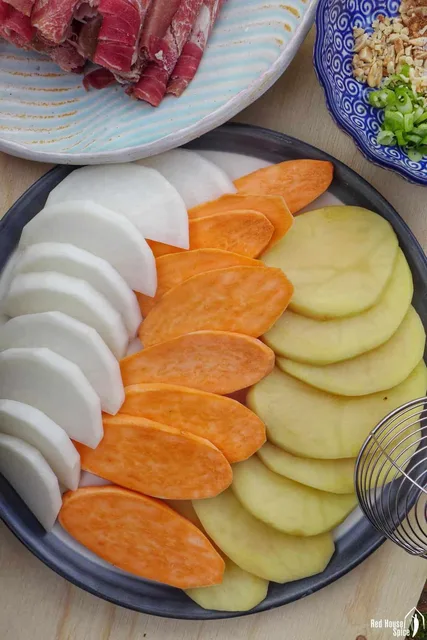
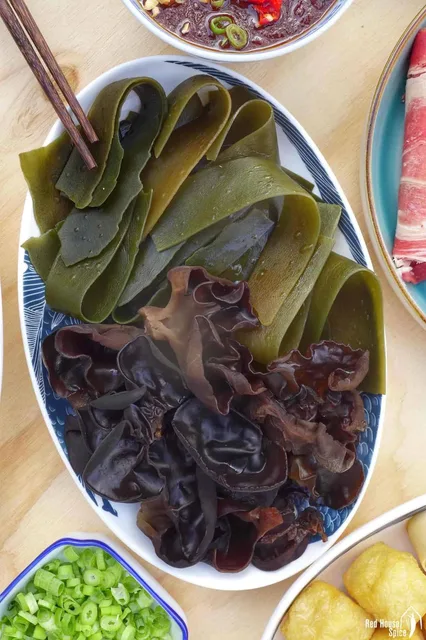
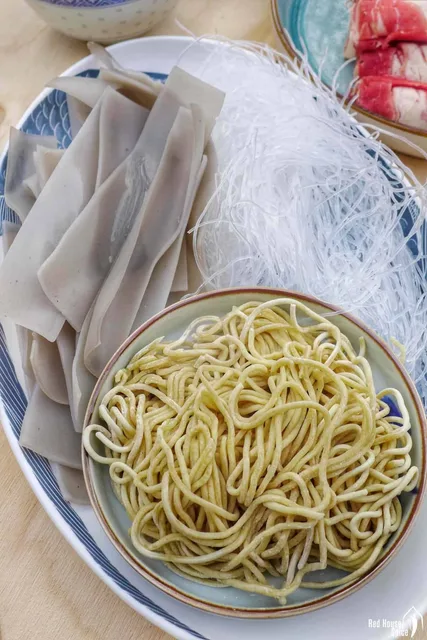
Step 4: Turn on the heat and wait until the broth reaches a boil before adding food. Cook only a small batch at a time so the broth can return promptly to a steady simmer; lower the heat if it boils violently. Meat, mushrooms or seaweed can go first to flavour the broth. Leave starchy foods such as potatoes, noodles and dumplings until later, and cook them only until properly done. If using prepared hand-pulled-noodle strips, pull and drop each into the broth separately. Keep the remaining uncooked selections cold while each batch cooks.
Step 5: Cook every batch through before eating; a colour change alone is not enough. Use a food thermometer for representative thick pieces: thin slices of intact beef, lamb or pork and fish fillet should reach at least 63°C (145°F) for 15 seconds; raw fish- or shrimp-paste balls need at least 68°C (155°F) for 17 seconds. Meat- or seafood-filled dumplings and wontons need 74°C (165°F) in the filling. Follow product directions for prepared meatballs and fish balls, making them hot through. Cook shrimp and squid through until firm and opaque; follow the appropriate directions for any other chosen seafood. Potatoes and other vegetables should be tender, and noodles fully cooked.
Step 6: Lift only fully cooked food from the broth with clean cooked-food utensils and enjoy it with the diner’s chosen dipping sauce. Keep raw-food utensils and plates separate from these utensils, eating chopsticks and dipping bowls. Repeat with the next small batch, checking it is fully cooked before serving.
Step 7: As the broth level falls during the meal, top up with hot water only as needed. Let it return to a boil before adding another small batch of food, then maintain a steady simmer and repeat the cooked-through checks. Keep perishable foods outside refrigeration within 2 hours altogether, or 1 hour if the room is above 32°C (90°F).
Photos (3)
Comments
0 threadsSign in to join the discussion.

No comments yet. Start the discussion.