
Japanese · Dinner
Tantanmen 坦々麺
From the zcook collection
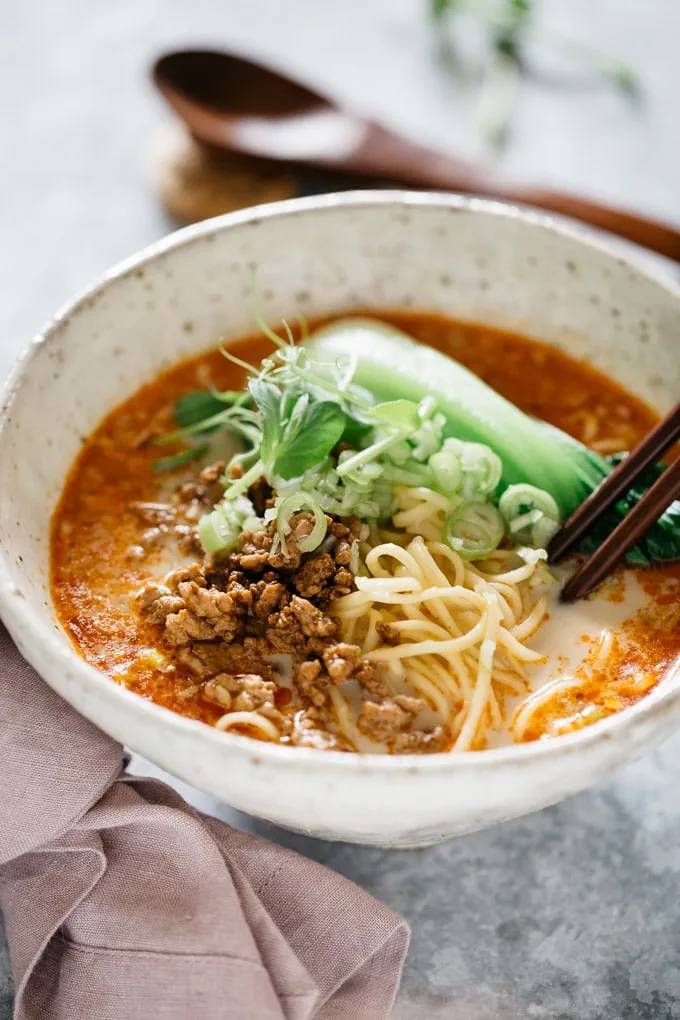
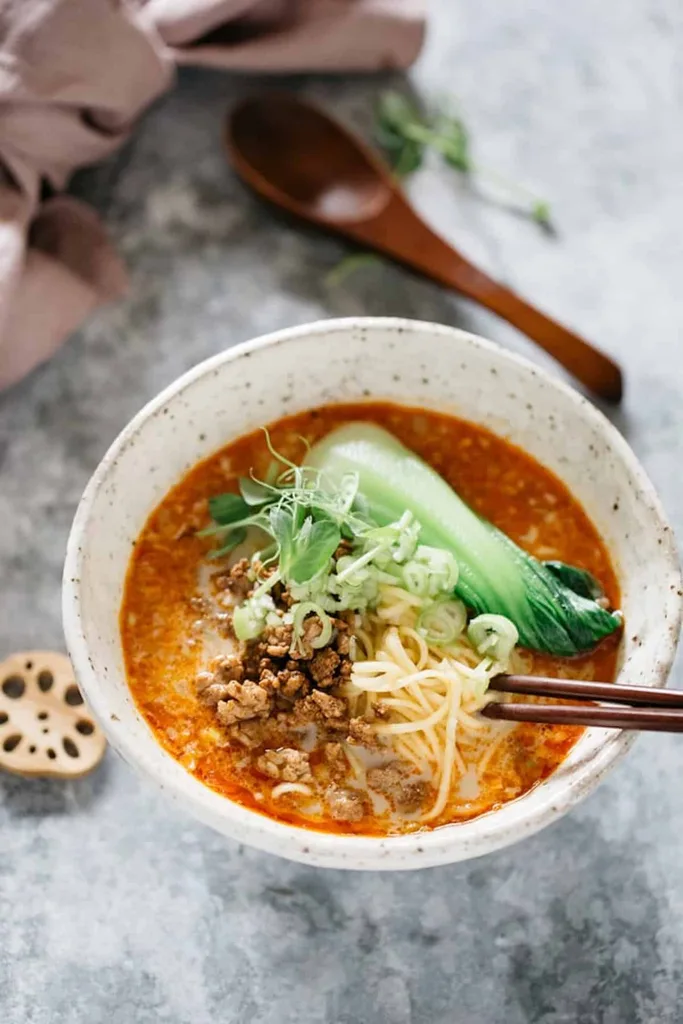
Tantanmen(担々麺)is the Japanese Dan Dan noodles. ramen noodles are swimming in a deliciously balanced soup with hot spiciness and a melow nutty sweetness.
- Dairy-free
- Japanese
- Main
- Main Dish
- Soup
- Noodle
- Ramen
- Total
- 20 min
- Prep
- 10 min
- Cook
- 10 min
- Serves
- 1
- Level
- Hard
- Energy
- 1617 kcal
Method17 steps · about 20 min
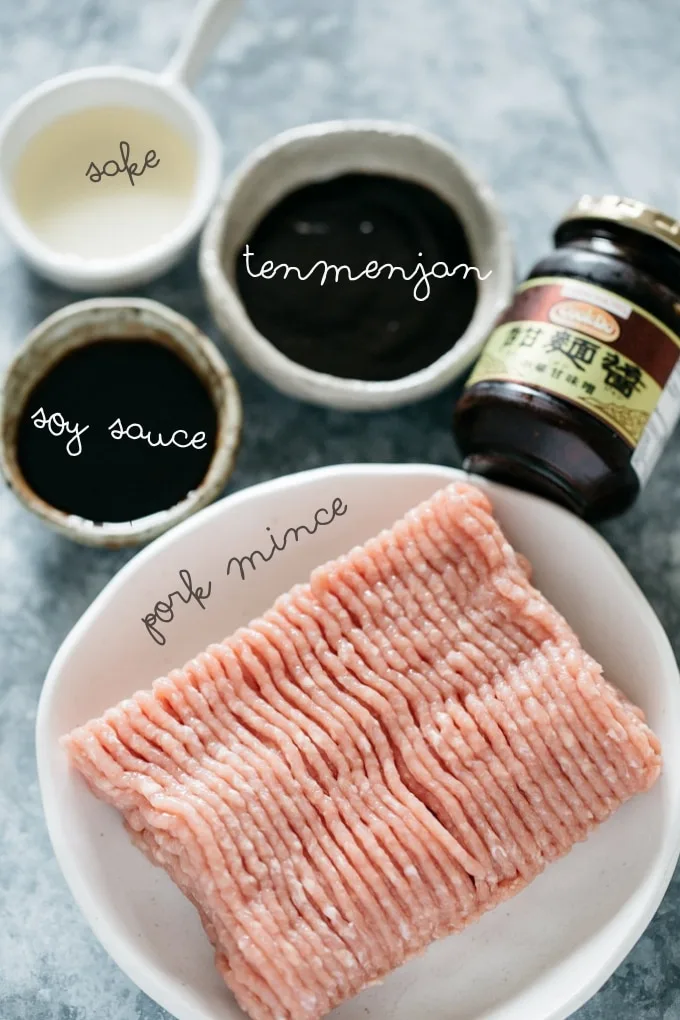
Step 1: First make the larger miso-style seasoned pork batch; this one bowl uses only twenty grams of its cooked output.
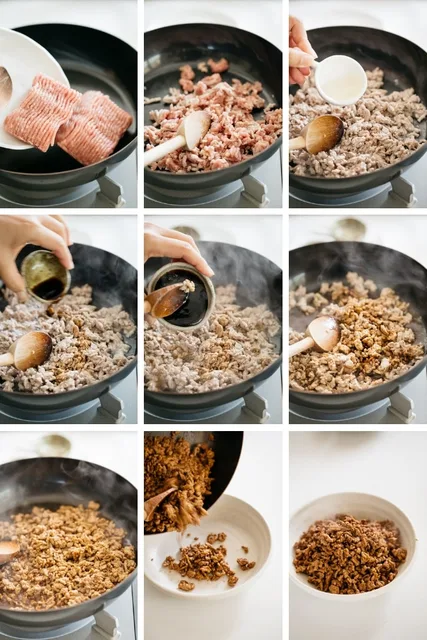
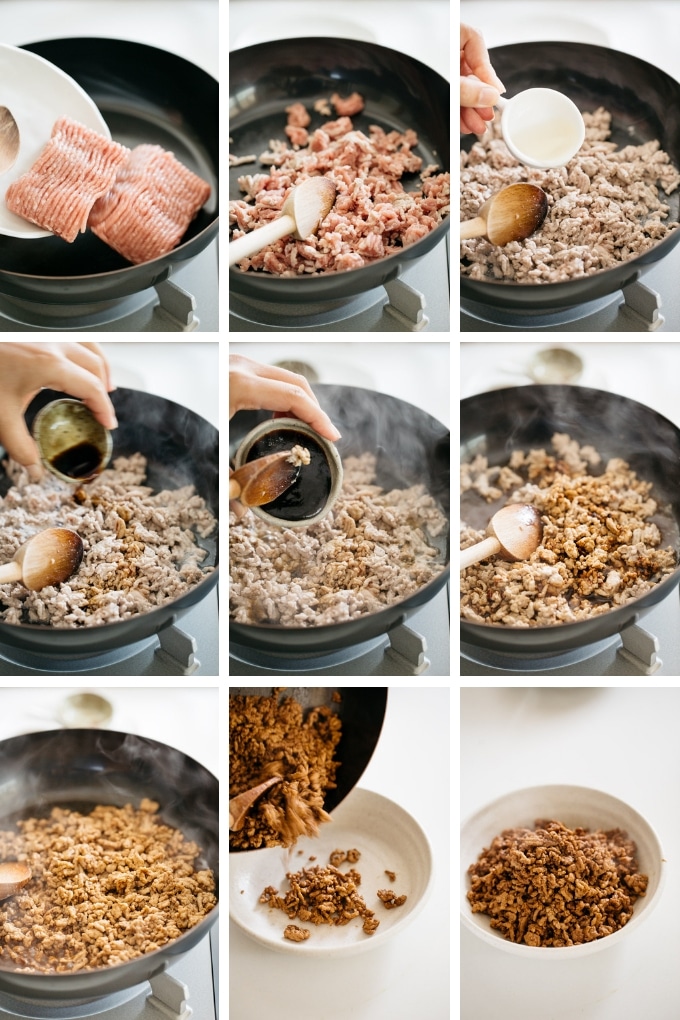
Step 2: Cook the pork mince (250 g) in a frying pan over medium heat.
Step 3: When the mince changes colour, add the sake (1 tbsp), soy sauce (1 ½ tbsp), and tenmenjan.
Step 4: Continue cooking until the sauce thickens and coats the mince. Check the ground pork reaches at least 71°C (160°F), rather than relying only on colour.
Step 5: Turn off the heat. Reserve twenty grams cooked pork for the noodle bowl and promptly cool and refrigerate or freeze the unused larger batch.
Step 6: Prepare the noodle bowl ingredients. Briefly parboil the quarter pak choy in water and drain; blanch the optional bean sprouts too if using, then reserve the vegetables for topping.
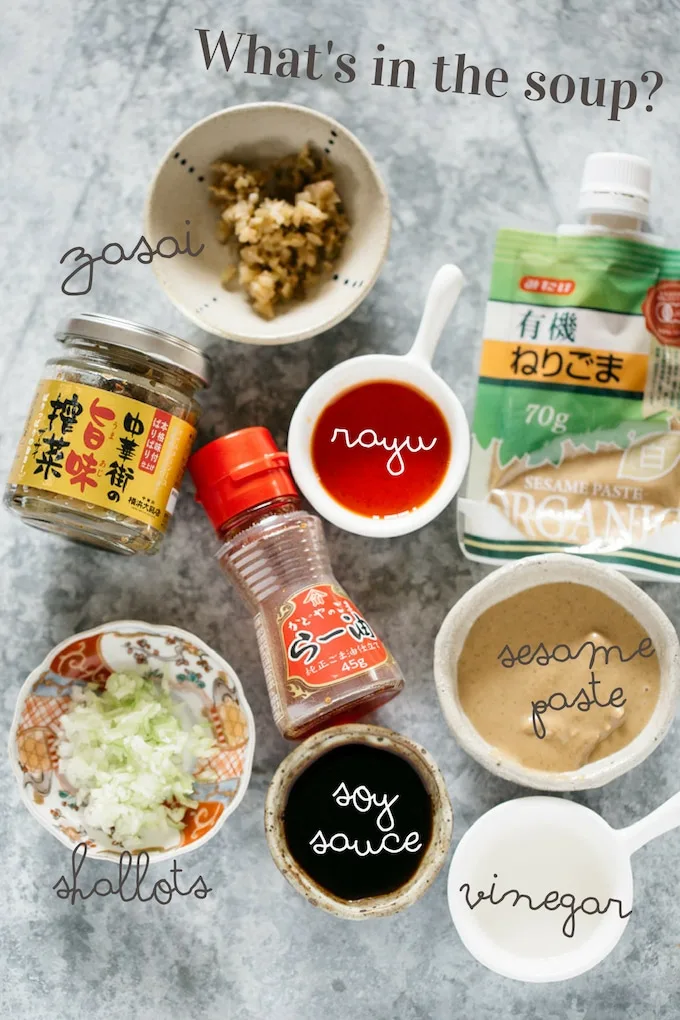
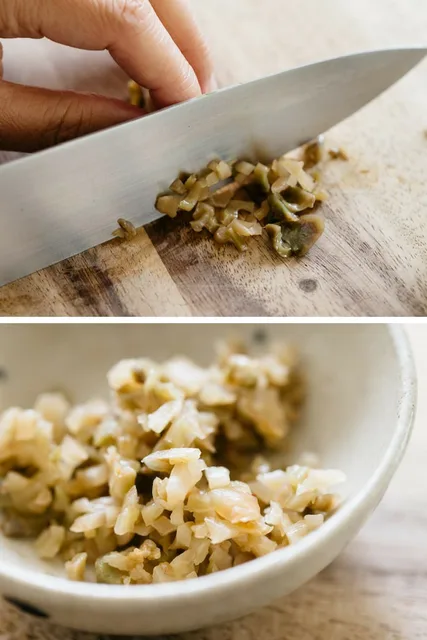
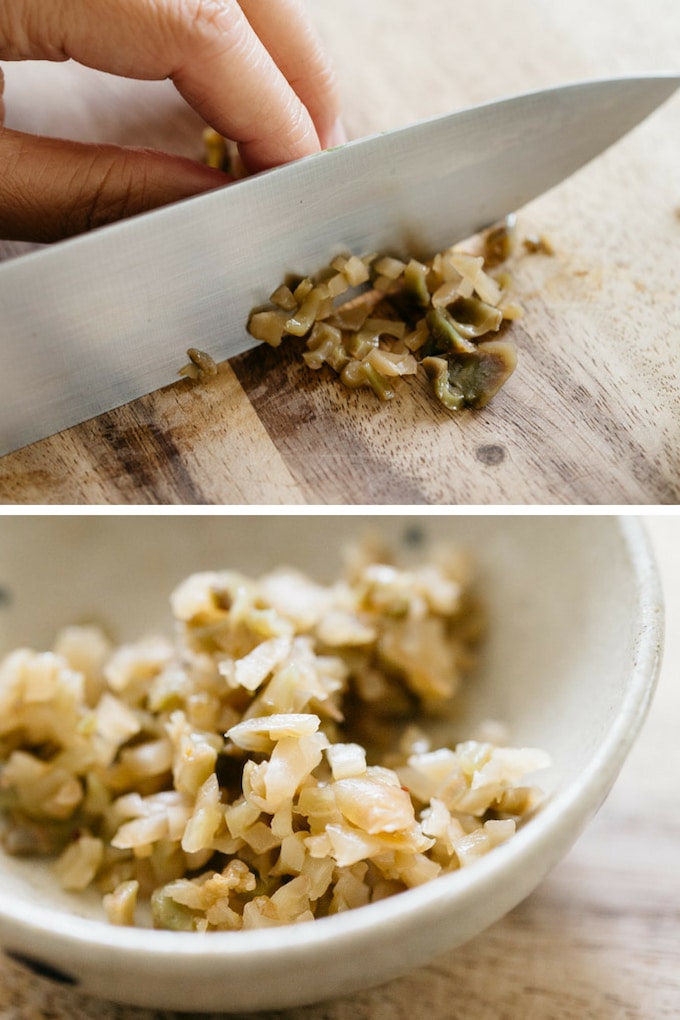
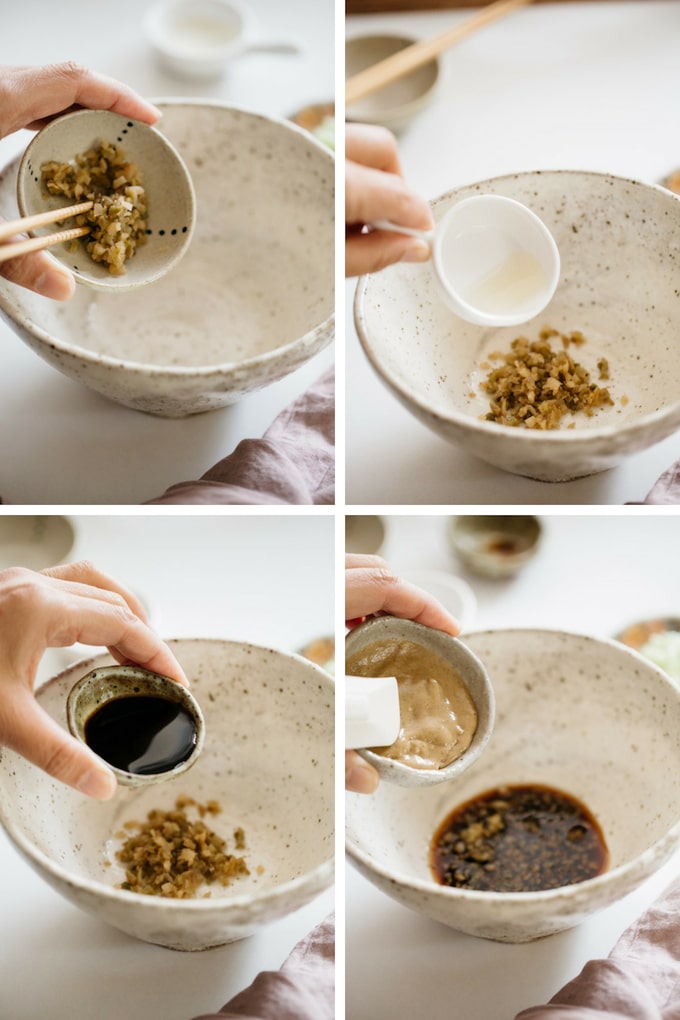
Step 7: Chop the zasai finely and set aside.
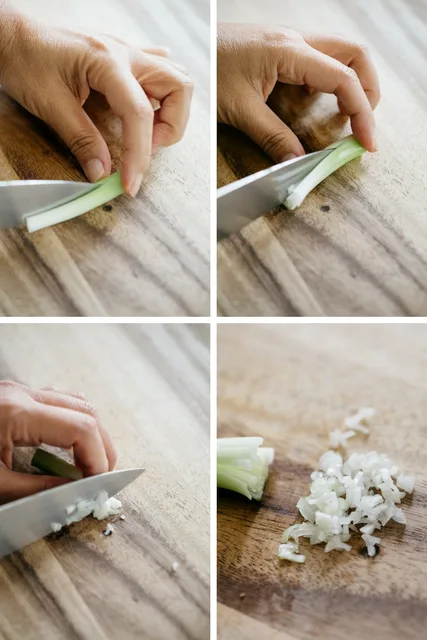
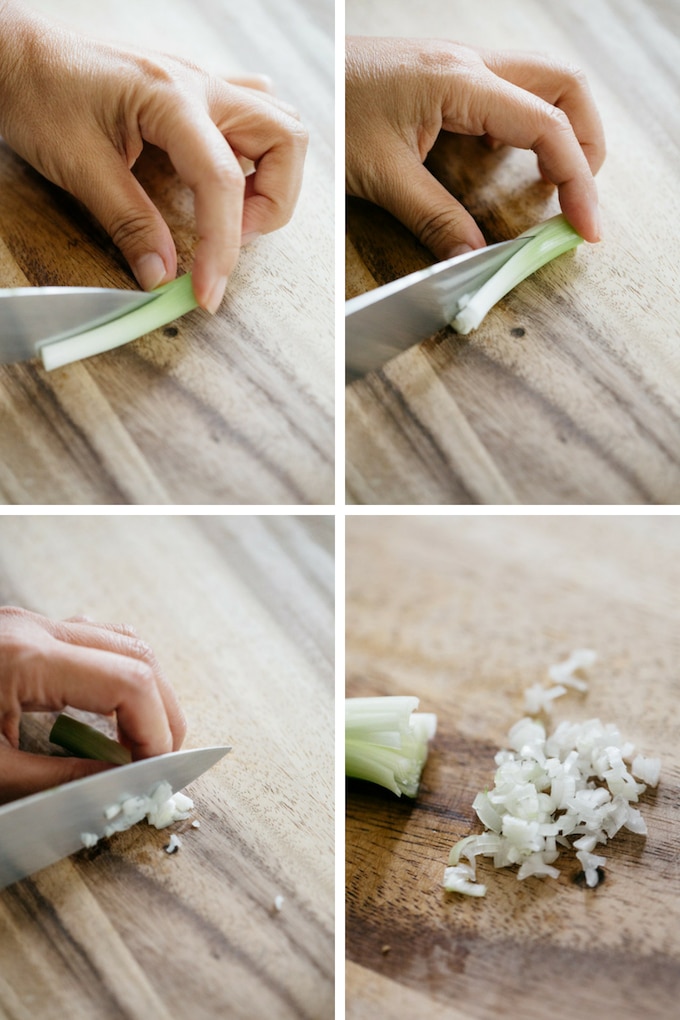
Step 8: Chop the shallots finely and set aside.
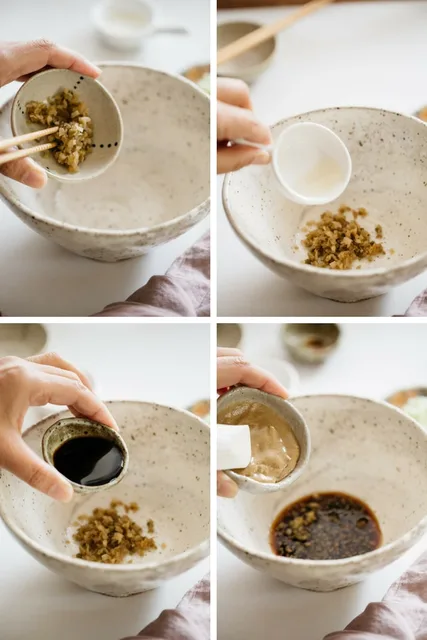
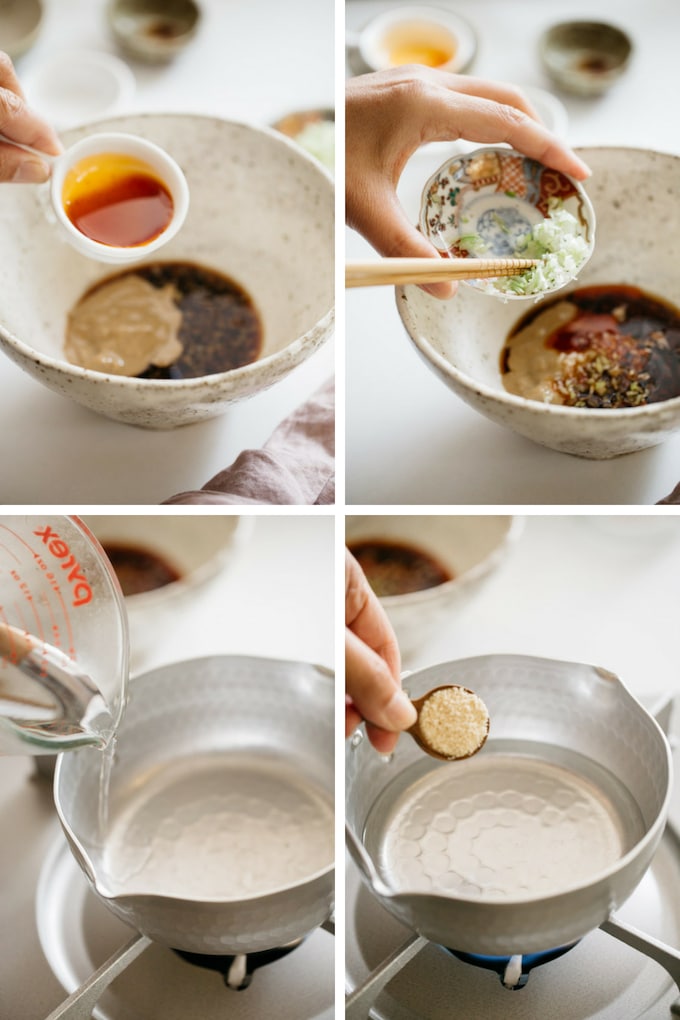
Step 9: Place the chopped zha cai, white scallion, rice vinegar (1 tsp), separate one-and-a-half tablespoons soup soy sauce (1 1/2 tbsp), Chinese toasted sesame paste (2 tbsp) and rayu (1 tbsp) in the ramen bowl.
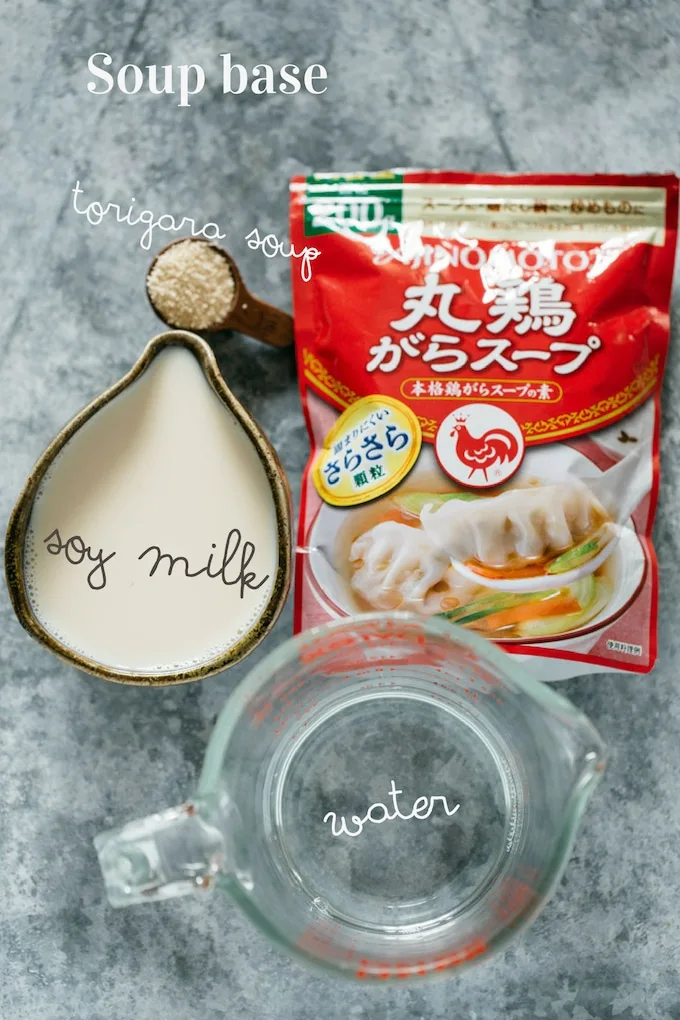
Step 10: Boil 150ml water in a small saucepan and dissolve the torigara soup granules.
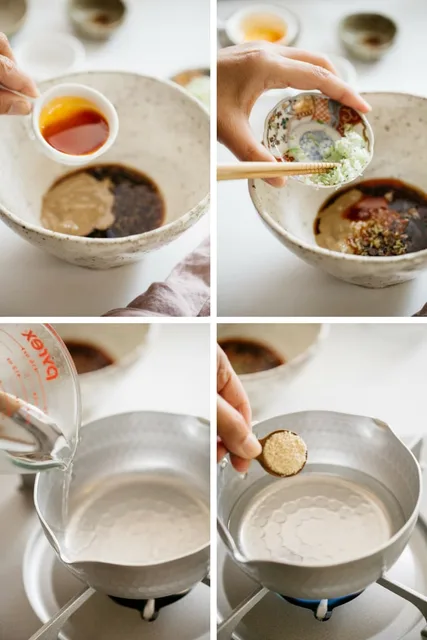
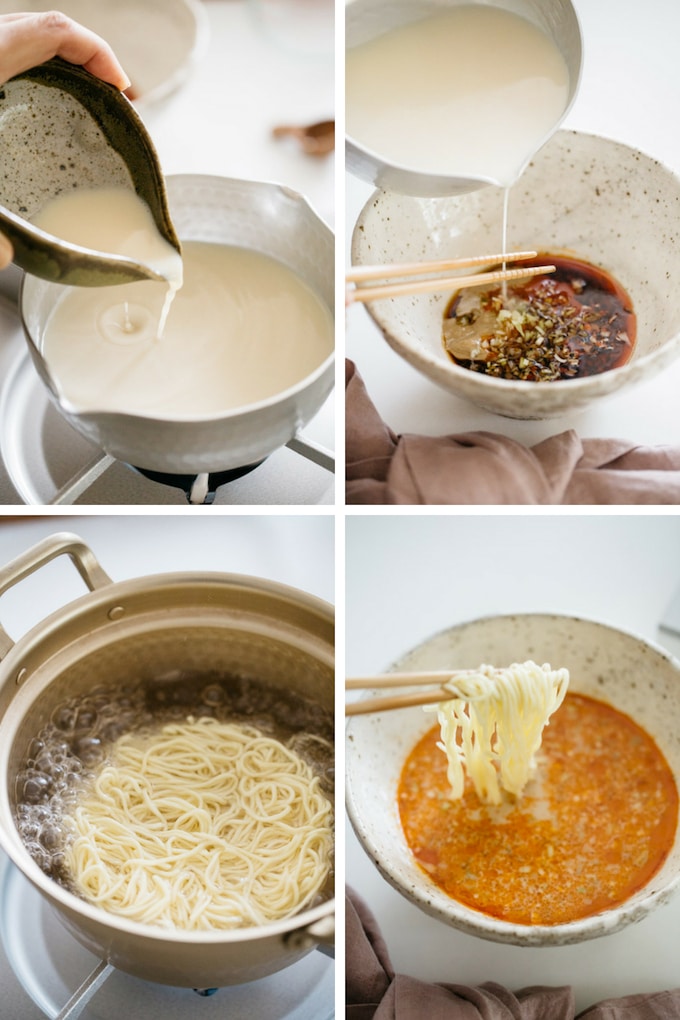
Step 11: Add soy milk (150 ml) to the saucepan and turn the heat off just before it boils.
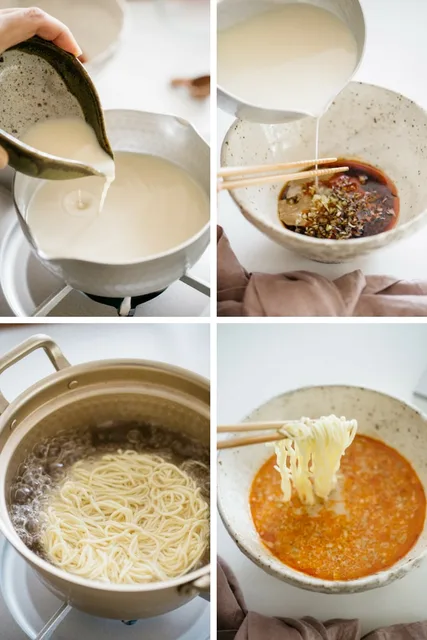
Step 12: Pour the soy milk soup base into the ramen bowl.
Step 13: Stir all soup ingredients together.
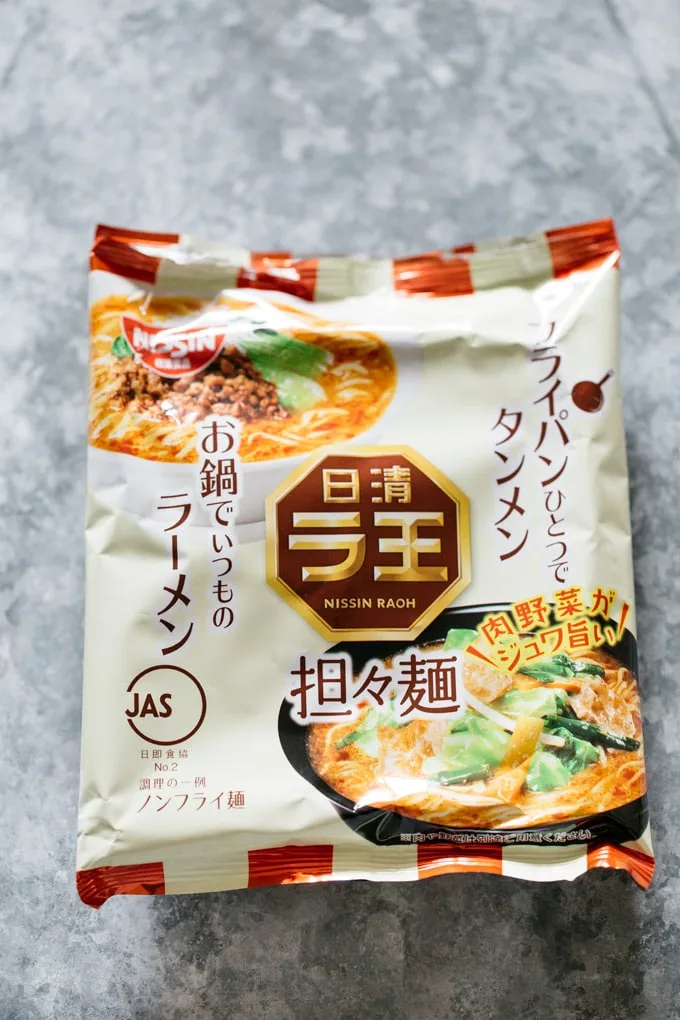
Step 14: Cook one ramen portion in a separate pot of boiling water according to its package, until ready. Dry Raoh noodles take about four minutes; choose your actual product’s package duration.
Step 15: Drain the noodle and add it to the ramen bowl.
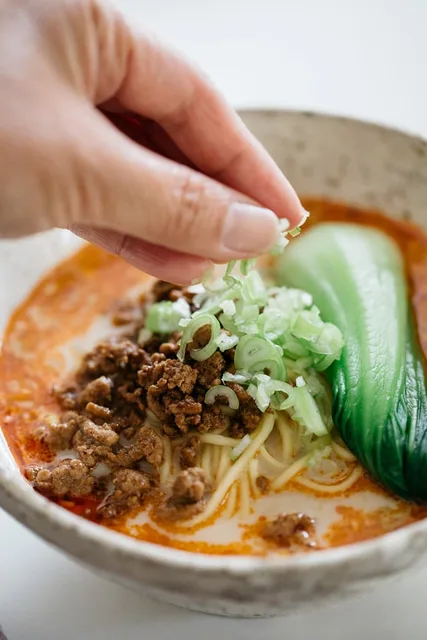
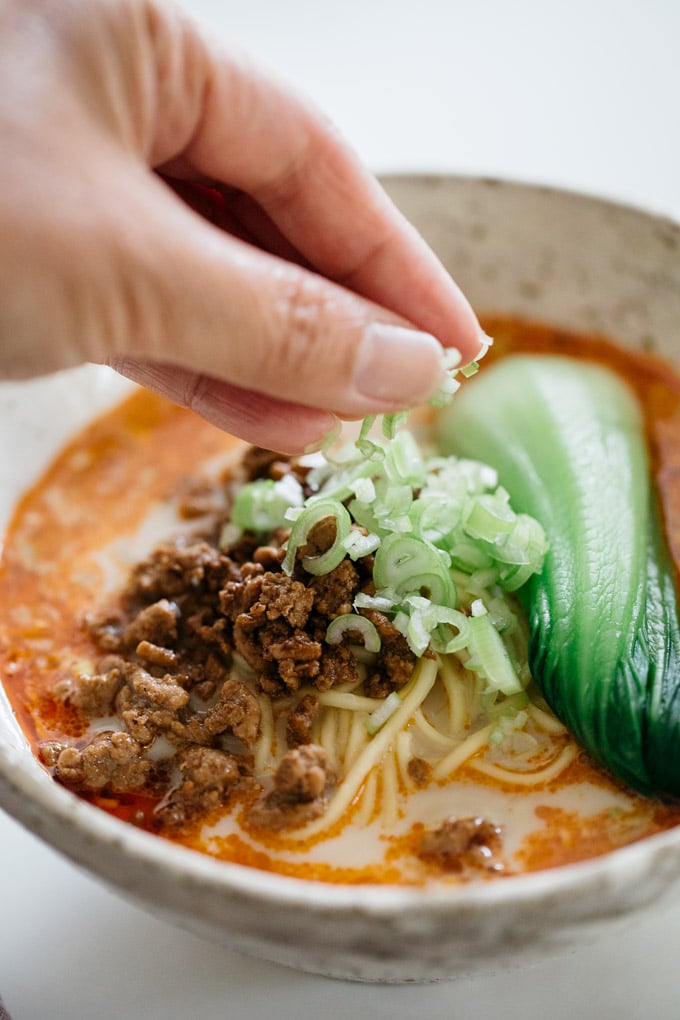
Step 16: Top the bowl with the reserved twenty grams cooked seasoned pork, parboiled pak choy and optional prepared bean sprouts.
Step 17: Garnish with chopped shallots.
Photos (6)
Comments
0 threadsSign in to join the discussion.


No comments yet. Start the discussion.