
Cantonese · Dinner
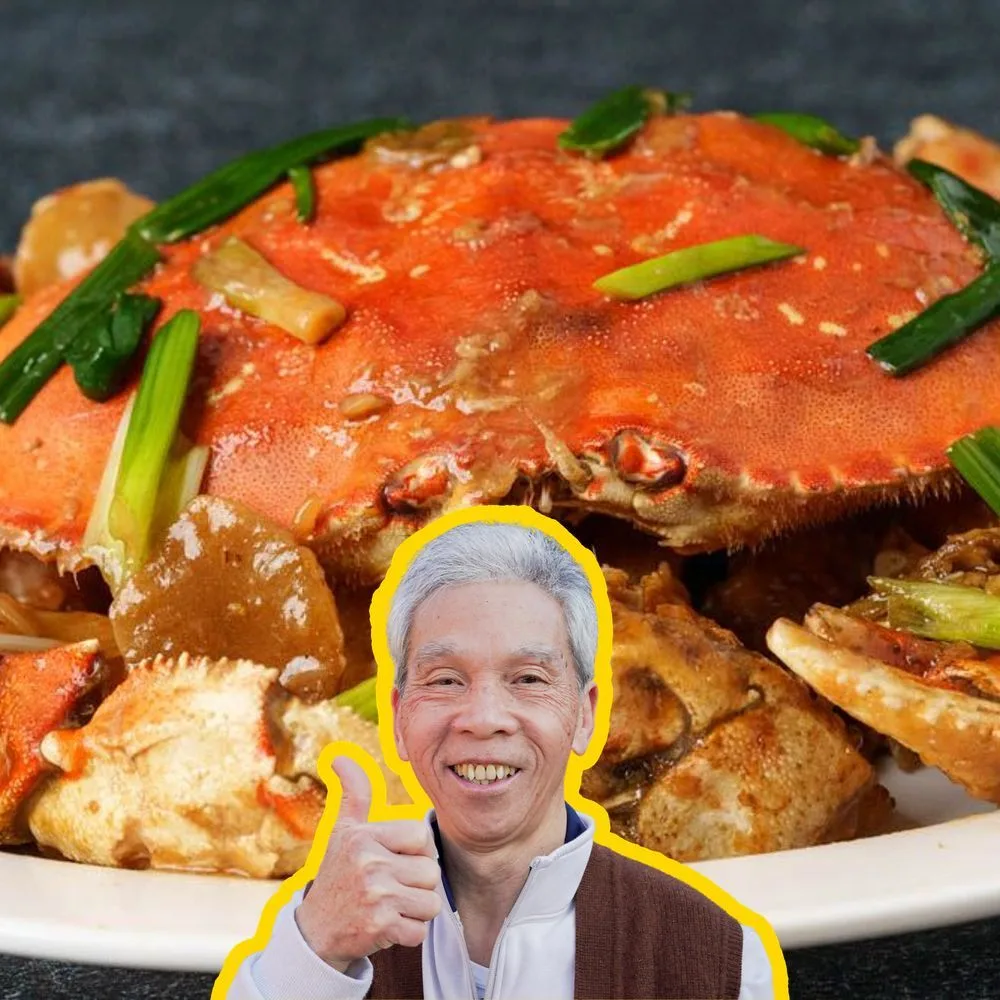
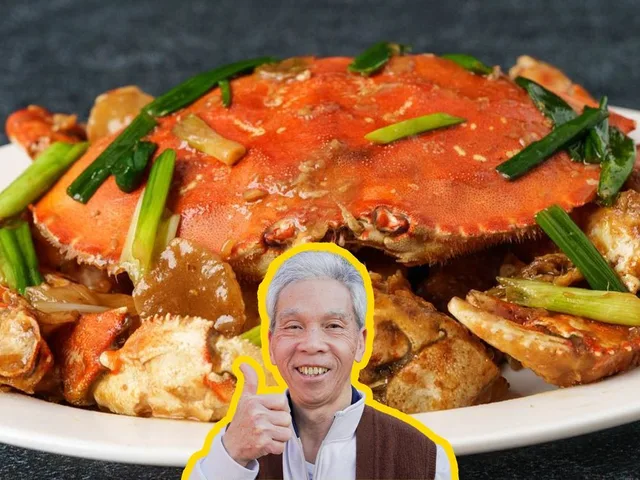
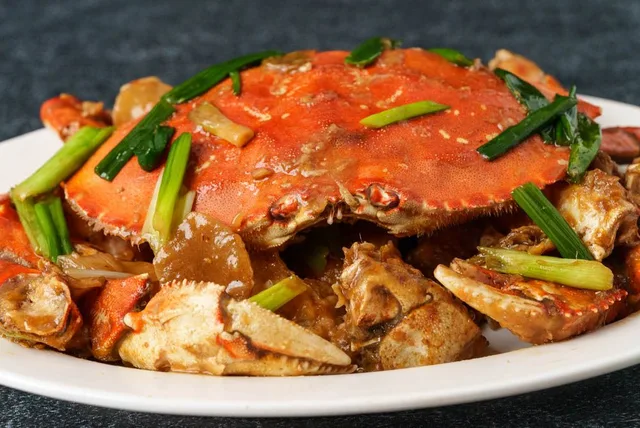
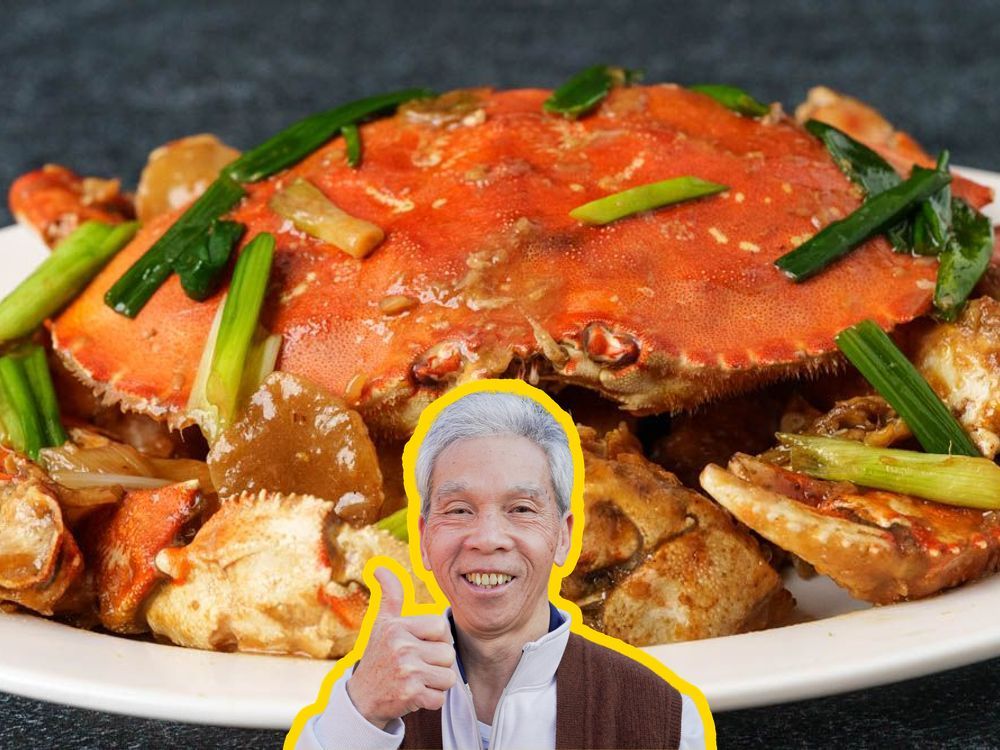
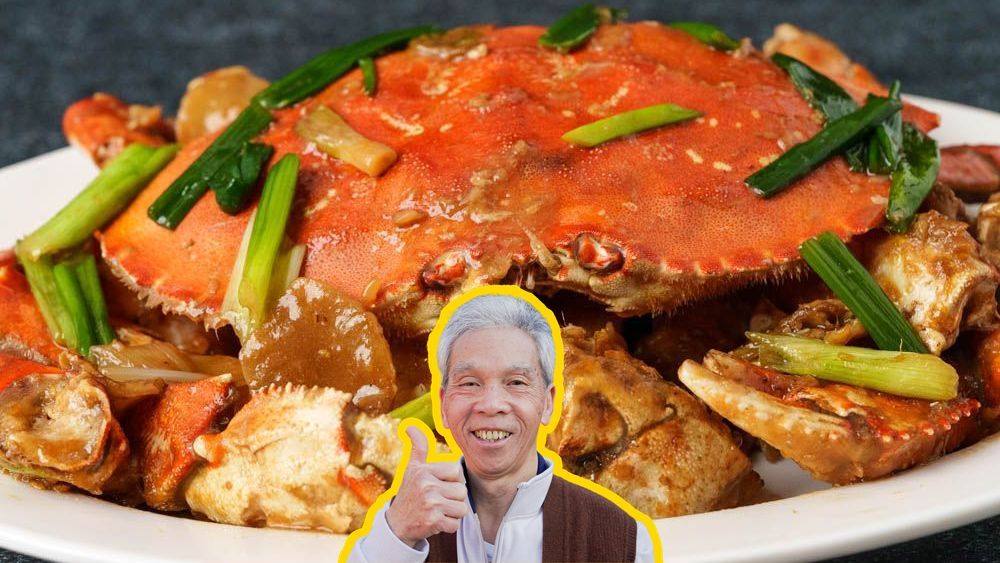
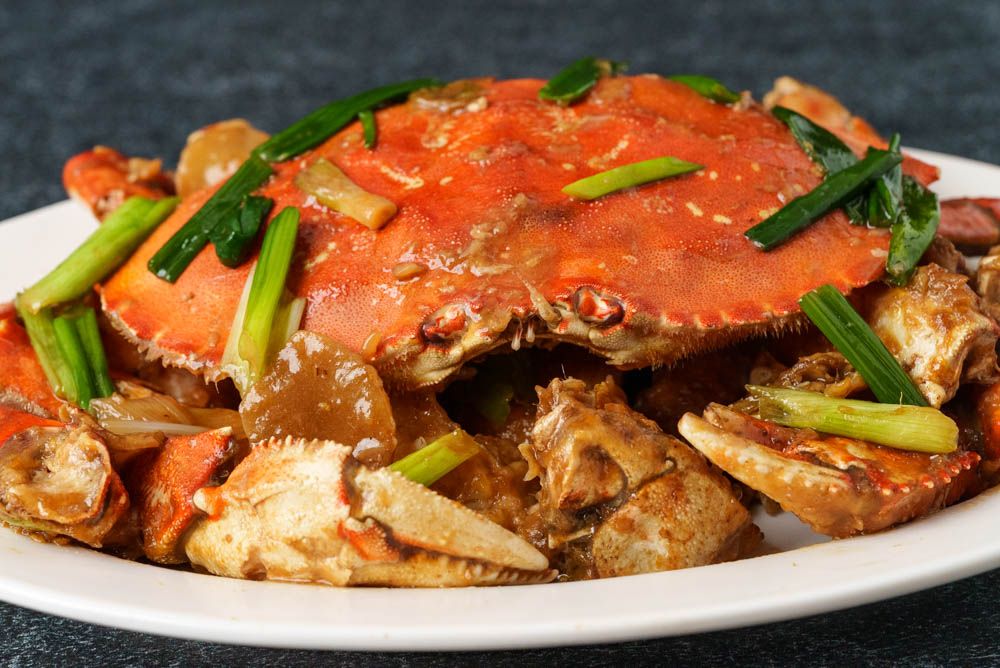
Ginger & Scallion Crab
From the zcook collection
Crab pieces fried then briefly braised with ginger, scallions and a savory oyster-and-soy sauce.
- Dairy-free
- Cantonese
- Dinner
- Chinese banquet
- celebration
- seafood
- Total
- 1 hr 30 min
- Prep
- 40 min
- Cook
- 50 min
- Serves
- 4
- Level
- Hard
- Energy
- 480 kcal
Method6 steps · about 1 hr 30 min
Step 1: For a frozen raw crab (2 lb) that is already clean, skip washing. Otherwise scrub the shell, legs and claws with cold water and a clean abrasive sponge, avoiding the sharp edges. The author chills the crab in the freezer for 30 minutes before processing.
Step 2: Prepare aromatics: If you prefer to peel your ginger (1 1/2 oz), you can scrape off the peel with a spoon or with a peeler. You can also choose to keep the nutritious peel on, as long as you wash it thoroughly.; Then, you can choose to either slice the ginger thinly, or smash it into small, crushed pieces. Thin slices are easier to eat, whereas smashed pieces will give more flavor to the dish. You can get the best of both worlds by having some of each shape.; Trim off and discard the roots of the green onions (2 oz). Then line them up and give the white parts a quick smash to break them open and release their flavor. Slice the green onions into 2-inch segments.; Smash, peel, and roughly mince the garlic (3 cloves).

Step 3: Mix 2 tbsp Kikkoman oyster sauce, 2 tbsp Kikkoman soy sauce, 1 tsp Kikkoman tamari soy sauce, 1/4 tsp white pepper and 1/2 tsp sugar in a bowl. Set aside.
Step 4: Cut & coat crab: After the freezer-chill stage, move the crab to a stable cutting board for processing.; First, pull the shell (the main, round one covering the body) straight off. Pour off and discard the liquid. Inside the body, you'll see the gills of the crab. Those are the crab's filters, and we don't want to eat them. Pull them out.; Then, chop the crab's legs off with the cleaver, aiming for the highest joint that's closest to the body.; Next, chop the main body in half, into two symmetrical halves. We'll chop these halves into a few more pieces. There'll be lines running from the center of the body outwards, like a grain. Chop down following those grain lines to cut each half into 4 pieces that are more manageable sizes to eat.; We'll also cut off the tips of each leg. They're dangerously sharp, so we don't want to serve them. Cut the tips off with kitchen shears or with a quick chop of your knife. Then, lay the leg down on the cutting board with the flat sides of it upright, so you can smash down onto its "calves" with the back or side of your knife. This breaks up the shell so that it's much easier to open up and eat later.; Take each claw of the crab and cut through the soft joints to make two smaller pieces. Then, smash the shell a bit with your knife.; Finally, we'll take care of the shell. Remove the crab's stomach by pressing down on it from near the eyes, then pulling it completely out. This, and the liquid that comes from around it, is bitter, so make sure to discard it. Then, use the heel of your knife, where you have most control of its movement, to chop away the edges of the shell. You'll see some yellow crab roe as you chop the edges off; that's delicious, so keep the roe.; The crab is now chopped up. Congratulations! Next, we'll put a light coat of cornstarch on these pieces so they'll be extra aromatic when we fry them, and to make a bit of a crust for texture and to keep the juicy flavor in.; Sprinkle cornstarch over all the body and claw pieces. You can skip the leg pieces because they're mostly enclosed in shell. Sprinkle some cornstarch into the main shell as well, to keep it from drying out.

Step 5: Heat the wok on high, add 4 tbsp corn oil and swirl to coat. Add the cornstarch-coated body and claw pieces individually, keeping the raw legs and main shell aside for the next stage. Tilt the wok so oil reaches every piece. Cook about 1 minute, lower heat and flip the golden undersides. Increase heat and cook about 1 minute more. Transfer these pieces out; they will finish cooking in the covered stage. Pour the frying oil into a bowl to reserve it.
Step 6: Heat the wok on high with 1 tbsp of the reserved frying oil. Add prepared garlic, ginger and green-onion whites; stir-fry about 20 seconds until fragrant. Add the raw crab legs and stir-fry 30–40 seconds. Return all pre-fried body/claw pieces, add 1 tbsp cooking wine, the separate 1 cup braising water and prepared sauce. Add the main shell, cover and steam about 3 minutes, continuing as needed until all crab flesh is opaque and cooked through before tasting. Meanwhile, mix 1 tsp slurry cornstarch with the separate 1 tbsp slurry water. Uncover, take out the shell and stir. Reduce to low and stir in the slurry, cooking until thickened. Add the green-onion greens, turn off the heat, and drizzle 1 tsp sesame oil plus 1 tsp reserved frying oil. If the sauce is too thick, add a little additional water; the source used about 2 tbsp. Arrange the cooked crab pieces and shell on a plate and spoon over sauce.
Photos (1)
Comments
0 threadsSign in to join the discussion.


No comments yet. Start the discussion.